SKU: IOWC-0630
📋 GST Invoice Available

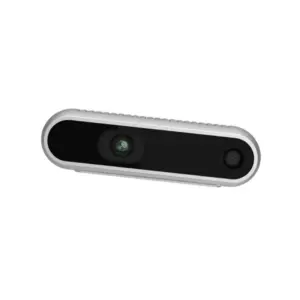
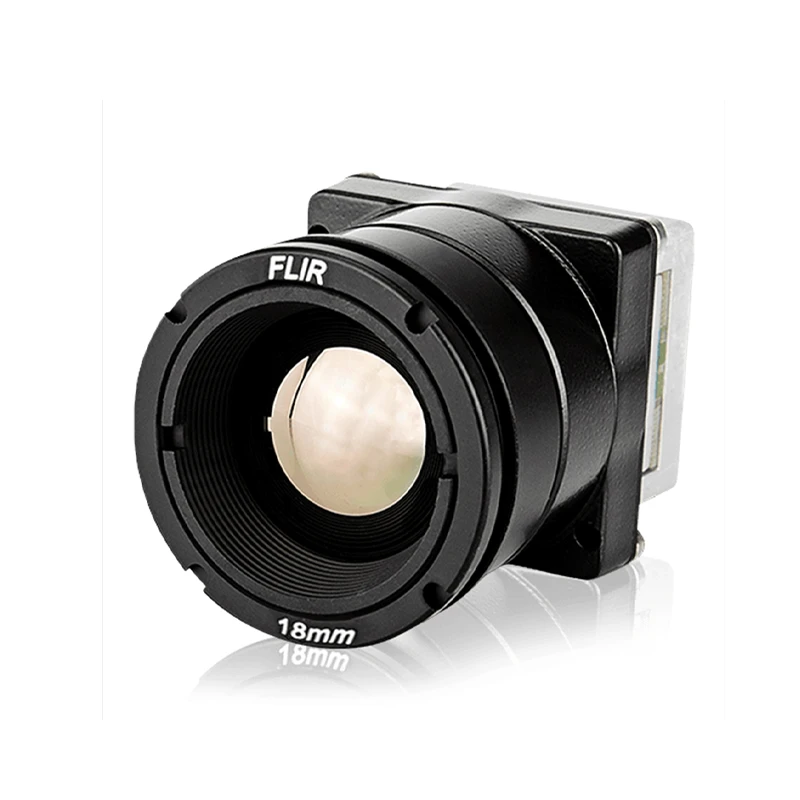
Teledyne Teledyne FLIR Boson+ 22320H092-6PAAX Radiometric Thermal Camera Module, 320×256 LWIR, 92° HFOV, 2.3mm Lens

₹400,959.00 (Inclusive of all taxes)
Out of Stock

The Teledyne Teledyne FLIR Boson+ 22320H092-6PAAX is a high-performance, long-wave infrared (LWIR) thermal imaging core module featuring 320×256 resolution, ≤20 mK sensitivity, and a 92° HFOV. Designed for OEM integration, it supports USB, CMOS, and MIPI interfaces for seamless connection to embedded platforms like Qualcomm and NVIDIA, enabling advanced thermal sensing in drones, robotics, and industrial systems.

Features

  • High-Resolution Radiometric Imaging: 320 x 256 pixel LWIR sensor with ≤20 mK thermal sensitivity (NEdT) for precise temperature measurement and exceptional image clarity in low-contrast scenes.
  • Wide-Angle Field of View: Ultra-wide 92° horizontal field of view (HFOV) with a fixed 2.3mm f/1.0 lens provides maximum scene coverage for surveillance, drones, and robotics.
  • High-Speed, Low-Latency Output: Default 60Hz frame rate (30Hz selectable) with advanced AGC and DDE+ image processing ensures sharp contrast and real-time tracking for dynamic applications.
  • Compact, Low-Power OEM Core: Ultra-compact 21x21x11mm form factor and power consumption as low as 600 mW minimize system SWaP (Size, Weight, and Power) for embedded integration.
  • Flexible Integration Interfaces: Supports multiple video outputs (USB, CMOS, MIPI) and control interfaces (UART, I2C, USB) for compatibility with a wide range of host processors and development platforms.

Out of stock

Description

The Teledyne Teledyne FLIR Boson+ 22320H092-6PAAX represents a cutting-edge OEM thermal imaging core engineered for demanding embedded vision applications. Its 320×256 microbolometer array operates in the 8-14 µm long-wave infrared (LWIR) spectrum, capturing detailed heat signatures with industry-leading sensitivity of ≤20 mK. This enables reliable detection, recognition, and identification of objects and anomalies even in challenging environmental conditions.

Architected for minimal latency and high throughput, the module leverages Teledyne FLIR’s proprietary DDE+ image processing and Silent Shutterless NUC (SSN™) technology to deliver stable, high-contrast video feeds without the motion artifacts of mechanical shutters. The combination of a wide 92° field of view, digital zoom up to 8x, and a dynamic range up to 350°C makes it exceptionally versatile for scenarios requiring broad area monitoring or focused inspection.

Designed with system integrators in mind, the Boson+ core supports a suite of standard digital interfaces—including USB for direct connectivity, CMOS for parallel data, and MIPI CSI-2 for streamlined integration with modern SoCs. Its robust -40°C to +80°C operating temperature range and low 3.3V DC power requirement ensure reliable performance in outdoor, mobile, and industrial environments, from autonomous drones to predictive maintenance systems.

Key Features

  • Radiometric Thermal Imaging Core: Provides accurate temperature measurement data for each pixel, enabling quantitative thermal analysis and alerting.
  • Ultra-Wide 92° Horizontal FOV: Captures expansive scenes in a single frame, ideal for situational awareness in security, drone navigation, and perimeter monitoring.
  • Advanced Image Processing Pipeline: Features Automatic Gain Control (AGC) and DDE+ enhancement algorithms for optimized contrast, clarity, and detail in varying thermal scenes.
  • Silent Shutterless Operation (SSN™): Eliminates image disruption from mechanical shutter calibration, ensuring continuous, uninterrupted video streaming.
  • Multi-Interface Video Support: Offers flexible integration via USB Video Class (UVC), parallel CMOS, or MIPI CSI-2 video outputs to match host processor capabilities.
  • Compact & Lightweight Design: Miniature 21x21x11mm footprint and ~7.5g weight impose minimal SWaP burden for size-constrained mobile and airborne platforms.
  • Low Power Consumption: Engineered for efficiency, drawing as little as 600 mW, making it suitable for battery-powered and energy-conscious IoT devices.
  • Extended Operational Temperature Range: Functions reliably from -40°C to +80°C, supporting deployment in harsh outdoor and industrial environments.

Applications

  • Unmanned Aerial Vehicles (Drones) & Robotics: Provides thermal vision for navigation, obstacle avoidance, search & rescue, and infrastructure inspection in low-light or obscured conditions.
  • Industrial Predictive Maintenance & Monitoring: Detects overheating components, electrical faults, and insulation failures in machinery, electrical panels, and manufacturing processes.
  • Security & Surveillance Systems: Enables 24/7 perimeter monitoring, intrusion detection, and person/vehicle tracking regardless of lighting conditions.
  • Automotive & Mobility: Serves as a core sensor for night vision pedestrian detection, driver assistance systems (ADAS), and cabin occupancy monitoring.
  • Scientific Research & Building Diagnostics: Used for non-destructive testing, thermal leak detection, energy auditing, and environmental studies.

Technical Specifications

Sensor Resolution320 × 256 pixels
Frame Rate60 Hz (default), 30 Hz selectable
Pixel Pitch12 µm
Spectral Range8 – 14 µm (LWIR)
Thermal Sensitivity (NEdT)≤ 20 mK
Lens Specification2.3 mm, f/1.0, Fixed Focus
Horizontal Field of View (HFOV)92°
Digital Zoom1x to 8x
Dynamic RangeUp to 350°C
NUC TechnologySilent Shutterless NUC (SSN™)
Video Output InterfacesUSB (UVC), Parallel CMOS, MIPI CSI-2
Control InterfacesUART, I2C, USB
Input Voltage3.3 V DC
Power ConsumptionAs low as 600 mW
Operating Temperature-40°C to +80°C
Dimensions (L × W × H)21 × 21 × 11 mm
Weight~7.5 g

Frequently Asked Questions

What interfaces does the Boson+ module support for video output and control?

The Boson+ module provides multiple interface options for flexible integration. For video data output, it supports USB Video Class (UVC) for plug-and-play connectivity, a parallel CMOS interface for direct processor connection, and a MIPI CSI-2 interface compatible with modern embedded SoCs. For device control and configuration, it offers UART and I2C serial communication protocols alongside USB. You select the primary video interface via hardware configuration during system design to match your host platform's capabilities.

How do I configure the frame rate and perform non-uniformity correction (NUC) on this module?

The Boson+ module's frame rate is configurable between its default 60 Hz and a 30 Hz mode, typically set via commands sent over its UART or I2C control interface using Teledyne FLIR's provided SDK or protocol documentation. It utilizes Teledyne FLIR's Silent Shutterless NUC (SSN™) technology, which performs continuous calibration without a mechanical shutter, ensuring uninterrupted video. Initial setup and periodic calibration commands are sent through the same control interfaces, and the module manages the correction process internally without user intervention during normal operation.

What is the power supply requirement and typical power consumption for the Boson+ 22320H092-6PAAX?

This thermal camera core requires a single 3.3V DC power supply. Its power consumption is highly efficient, rated as low as 600 milliwatts (mW) during active operation. The actual current draw will depend on the configured frame rate, active processing features, and the selected video output interface. It is designed for low-power embedded systems, but you should ensure your power source can provide stable 3.3V and accommodate potential inrush currents during startup, as specified in the detailed datasheet from Teledyne FLIR.

Package Includes

  • 1 x Teledyne Teledyne FLIR Boson+ 22320H092-6PAAX Radiometric Thermal Camera Module

Additional Information

Weight 0.0075 kg
Dimensions 2.1 × 2.1 × 1.1 cm