SKU: IOWC-1234
📋 GST Invoice Available

M5Stack NanoC6 Dev Kit ESP32-C6 Wi-Fi 6 Zigbee Thread Matter

₹979.00 (Inclusive of all taxes)
Out of Stock

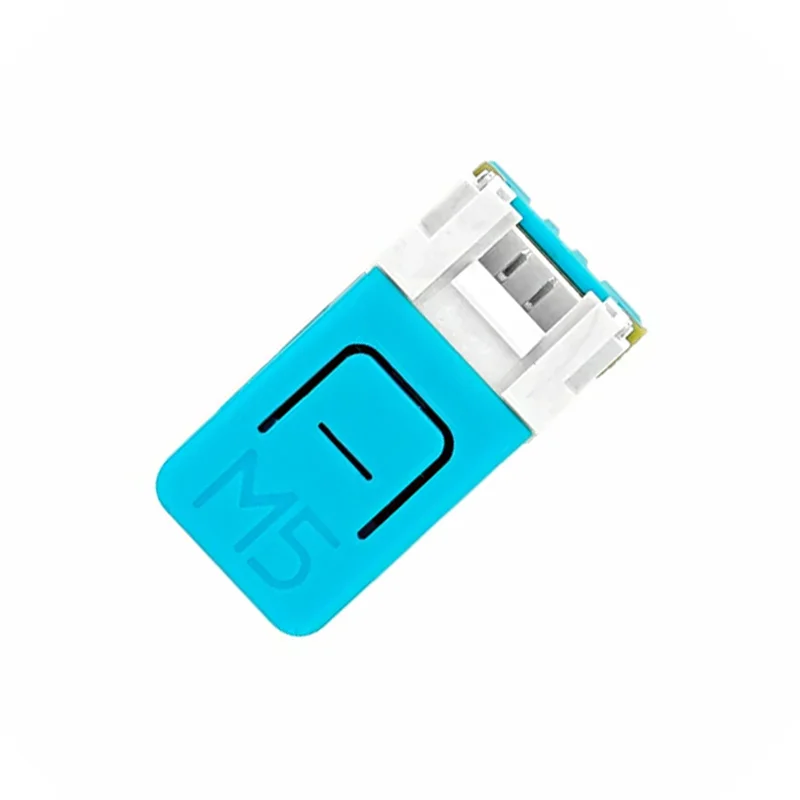
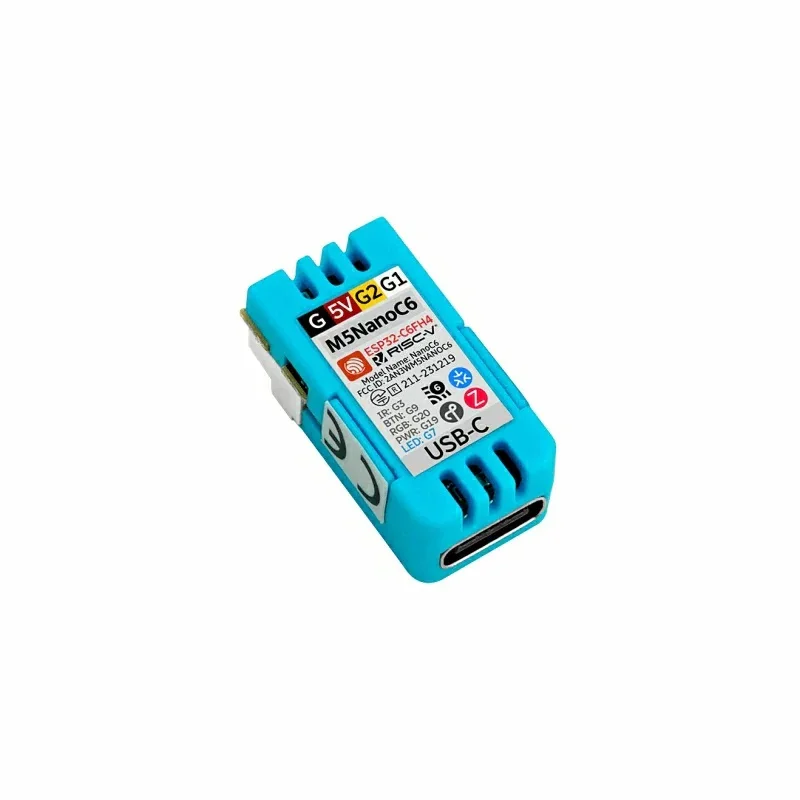
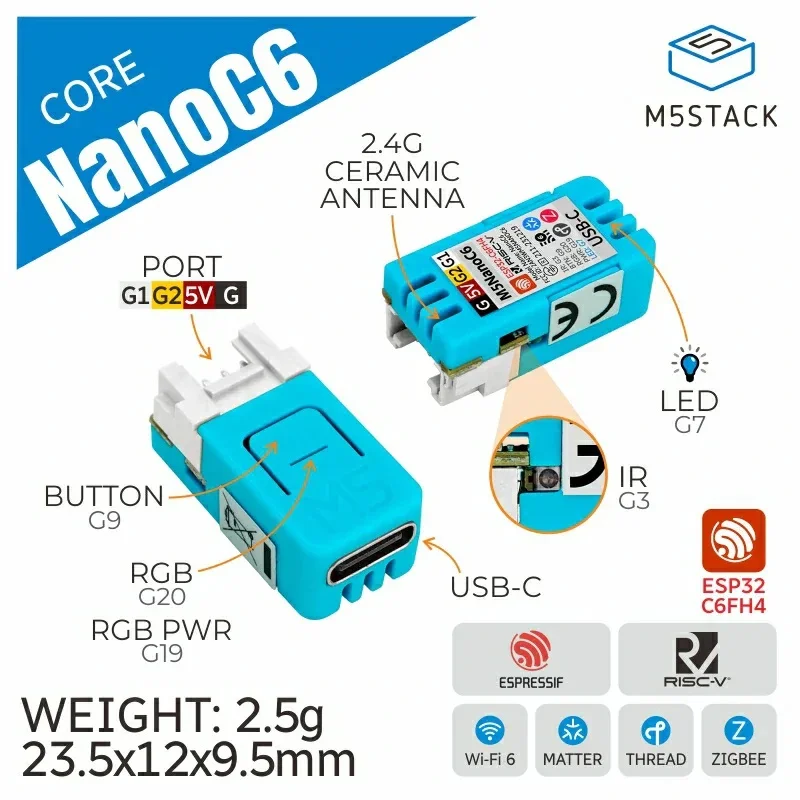
The M5Stack NanoC6 is a compact, low-power IoT development board built around the ESP32-C6FH4 RISC-V SoC, supporting Wi-Fi 6, Zigbee 3.0, Thread 1.3, and Matter protocols. It is programmable via Arduino IDE or ESP-IDF and features a Grove port for easy hardware expansion.

Features

  • Multi-Protocol Wireless SoC: Features the ESP32-C6FH4 supporting 2.4GHz Wi-Fi 6 (802.11ax), Zigbee 3.0, Thread 1.3, and Matter for versatile IoT connectivity.
  • Ultra-Low Power Operation: Offers deep sleep currents as low as 50µA (via Grove) and 125.5µA (via USB-C), ideal for battery-powered edge nodes.
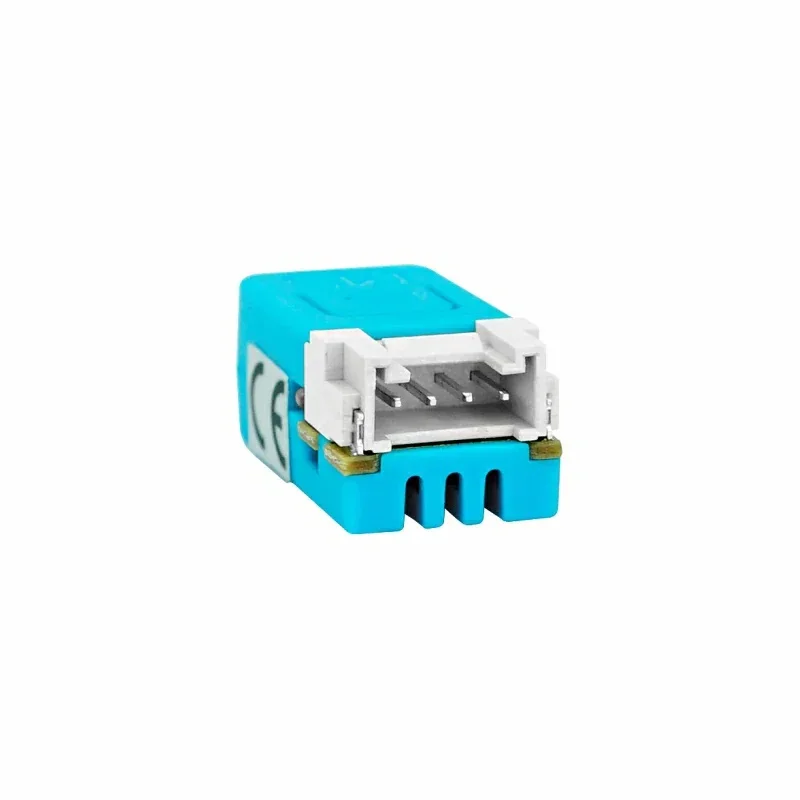
  • Integrated Expansion & Indicators: Includes a Grove port for I2C/UART sensor modules, a programmable WS2812 RGB LED, and a built-in infrared emitter for device control.
  • Compact Form Factor: Miniature 23.5 x 12mm board with an onboard ceramic antenna, designed for space-constrained smart home and industrial applications.
  • Developer-Friendly Platform: Fully compatible with the M5Stack ecosystem, Arduino IDE, and ESP-IDF for rapid prototyping of Matter-over-Wi-Fi or Zigbee networks.

Out of stock

Description

The M5Stack NanoC6 Dev Kit is a miniature yet powerful IoT core board engineered for next-generation smart home and industrial edge devices. At its heart is the ESP32-C6FH4, a RISC-V based SoC that integrates 2.4GHz Wi-Fi 6 (802.11ax) with backward compatibility, Zigbee 3.0, Thread 1.3, and native Matter protocol support, enabling seamless interoperability across heterogeneous wireless ecosystems.

Designed for ultra-low-power operation, the board features multiple sleep modes, including Deep Sleep and ULP, with power consumption as low as microamps when powered via its Grove interface. This makes it suitable for always-on, battery-powered sensor nodes. The integrated ceramic antenna provides stable wireless connectivity, while the onboard Grove port allows for rapid connection to a wide array of I2C and UART-based M5Stack modules and sensors, accelerating hardware integration.

Key Features

  • Multi-Protocol IoT Core: ESP32-C6FH4 SoC delivers concurrent support for Wi-Fi 6, Zigbee 3.0, Thread 1.3, and Matter, enabling unified smart home and industrial IoT gateways.
  • Advanced Power Management: Engineered for battery longevity with configurable Deep Sleep (50-125.5µA) and ULP modes, selectable via USB-C or Grove power input.
  • Integrated Control & Feedback: Built-in infrared LED enables remote control of IR appliances; programmable WS2812 RGB LED provides visual status feedback.
  • Ecosystem Compatibility: Standard Grove port (I2C/UART) ensures plug-and-play connectivity with hundreds of M5Stack sensors, displays, and actuators.
  • Optimized RF Performance: Onboard ceramic antenna ensures reliable wireless links with tested Wi-Fi range exceeding 54 meters in open-field conditions.
  • Compact Industrial Design: Ultra-small footprint (23.5x12mm) with robust operating temperature range (0-40°C) for embedding into finished products.
  • Developer-Centric Toolchain: Fully supported by Espressif's ESP-IDF, Arduino Core, and PlatformIO for streamlined firmware development and OTA updates.

Applications

  • Smart Home Hubs & Edge Nodes: Deploy as a Matter-over-Wi-Fi or Zigbee coordinator for lighting, climate, and security systems.
  • Industrial Wireless Sensors: Monitor equipment telemetry (vibration, temperature) with low-power Wi-Fi 6 connectivity in IIoT networks.
  • Environmental Monitoring Stations: Build battery-operated field sensors for air quality, soil moisture, or weather data logging.
  • Consumer Electronics Prototyping: Create connected gadgets, IR remote controllers, or wearable tech with integrated RGB feedback.
  • Service & Educational Robotics: Serve as the communication and control core for small robots requiring multi-protocol wireless links.

Technical Specifications

Microcontroller/SoCESP32-C6FH4 (RISC-V 160MHz, 4MB Flash)
Wireless ProtocolsWi-Fi 6 (802.11ax), Zigbee 3.0, Thread 1.3, Matter
Frequency Range2.4GHz
RF Transmit PowerNot Specified
Supply VoltageDC 5V (via USB-C or Grove)
Operating Current106.2mA (Wi-Fi Active Mode @5V)
Sleep Current50µA (Deep Sleep via Grove), 125.5µA (Deep Sleep via USB-C)
InterfacesGrove (I2C/UART), USB-C (Data/Power), GPIO
Antenna ConnectorIntegrated Ceramic Antenna
Operating Temperature0°C to 40°C
Dimensions23.5mm (L) x 12mm (W)

Frequently Asked Questions

How do I program the M5Stack NanoC6 and which development frameworks are supported?

The NanoC6 is fully supported by Espressif's official ESP-IDF framework and the Arduino Core for ESP32. For Arduino IDE, install the ESP32 board package and select 'M5Stack NanoC6' as the target. For ESP-IDF or PlatformIO, use the esp32c6 target. Code can be uploaded via the onboard USB-C port using a standard data cable. The board appears as a serial COM port for flashing and serial debugging.

What is the power supply requirement and how do I achieve the lowest sleep current?

The board requires a stable 5V DC supply, provided either via the USB-C port or the Grove connector's VCC pin. To achieve the lowest deep sleep current of approximately 50µA, you must power the board solely through the Grove port and ensure all unused peripherals are disabled in firmware. Configure the ESP32-C6's power management APIs to enter Deep Sleep mode, which retains RTC memory but powers down the main CPU and radio.

Can the NanoC6 act as a Zigbee coordinator or Matter controller simultaneously with Wi-Fi?

Yes, the ESP32-C6FH4 SoC supports concurrent operation of multiple protocols. You can run the Wi-Fi stack (as a station or access point) alongside the Zigbee 3.0 stack, allowing the board to function as a border router or Matter Thread Border Router. Development requires using the ESP-IDF with the respective Espressif Zigbee and Wi-Fi libraries. The Matter stack can be built on top, enabling the device to serve as a multi-protocol IoT gateway bridging different smart home ecosystems.

How do I connect external sensors and what is the pinout for the Grove interface?

The onboard Grove port defaults to I2C communication (SDA/SCL) but can be reconfigured in software for UART (TX/RX). The pinout is standard Grove: Pin1 (VCC), Pin2 (GND), Pin3 (SDA/UART_RX), Pin4 (SCL/UART_TX). Simply plug in any compatible Grove sensor module. For custom wiring, refer to the ESP32-C6's GPIO Matrix; the specific pins used for the Grove port are detailed in the M5Stack schematic, typically GPIO8 and GPIO9 for I2C.

Package Includes

  • 1 x M5Stack NanoC6 Development Board

Additional Information

Weight 0.012 kg
Dimensions 2.35 × 1.2 cm