SKU: IOWC-1707
📋 GST Invoice Available

LilyGO T-Lora C6 ESP32-C6 LoRa SX1262 Dev Board

₹2,209.00 (Inclusive of all taxes)
Out of Stock

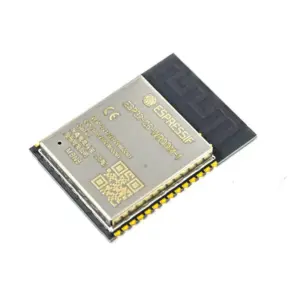
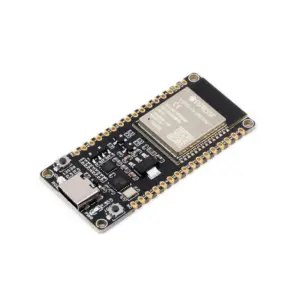
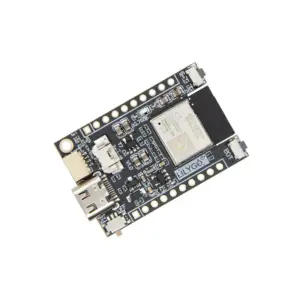
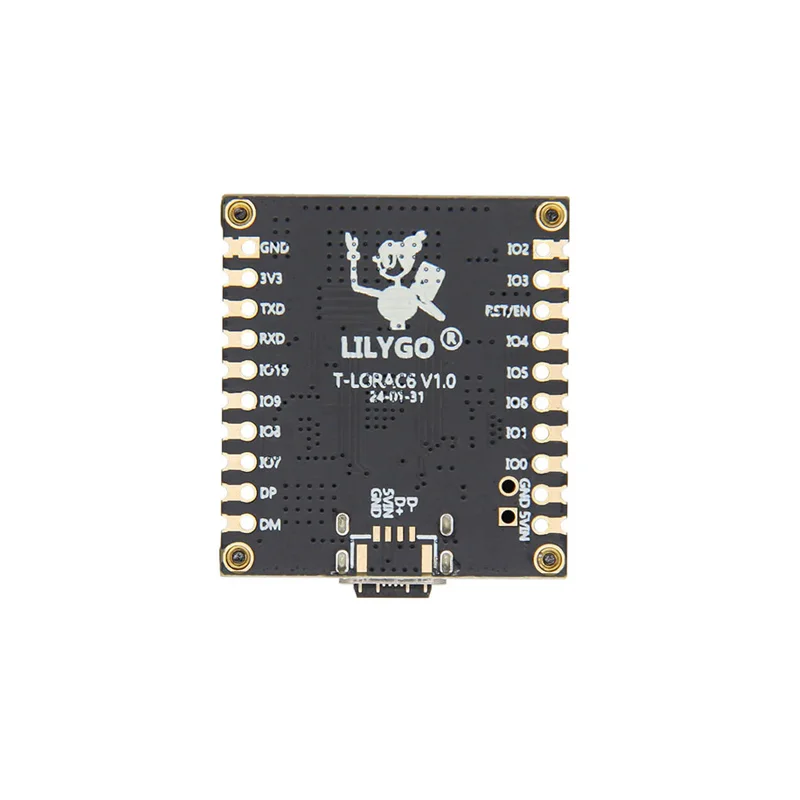
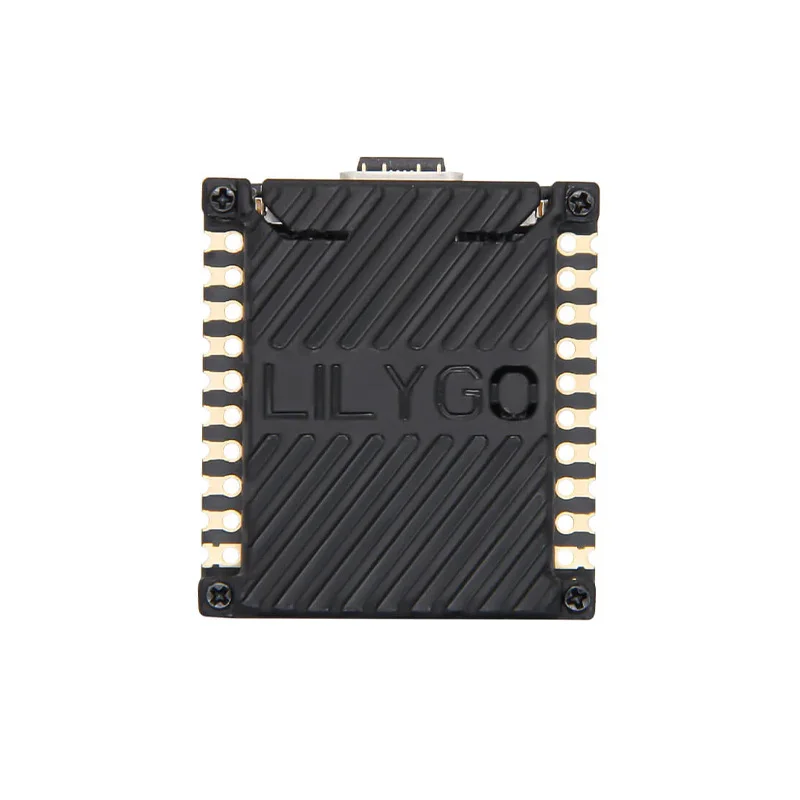
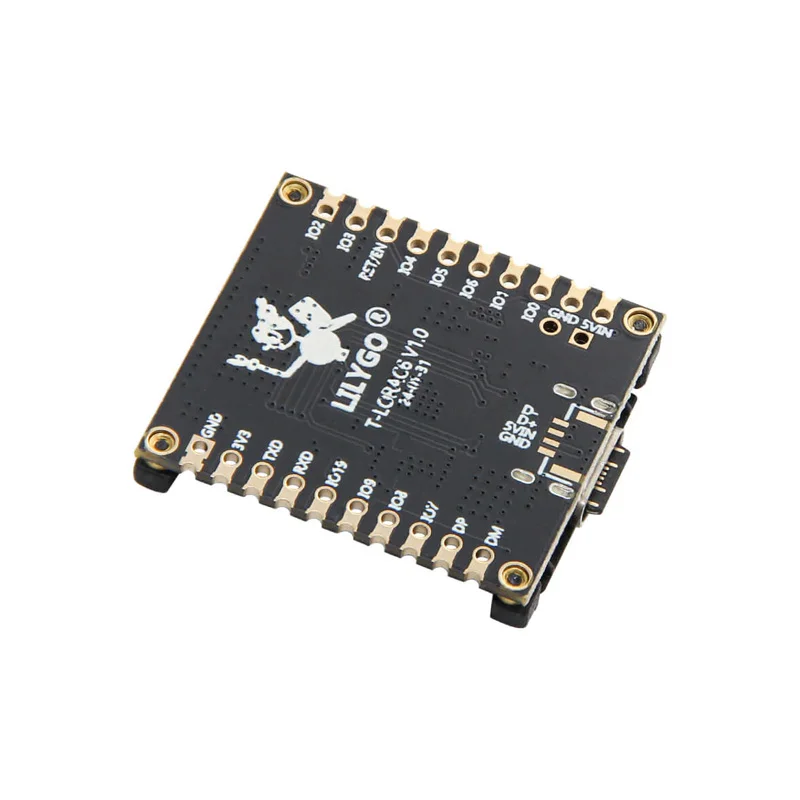
The LilyGO T-Lora C6 is a multi-protocol IoT development board featuring an ESP32-C6-MINI-1 for Wi-Fi 6, Bluetooth 5, and 802.15.4, paired with an SX1262 LoRa transceiver for sub-GHz long-range communication, programmable via Arduino IDE, ESP-IDF, or MicroPython.

Features

  • Dual-core ESP32-C6 SoC integrates Wi-Fi 6, Bluetooth 5 LE, and Thread/Zigbee (802.15.4) for local network connectivity.
  • SX1262 LoRa transceiver enables ultra-long-range, low-power communication on 868MHz or 915MHz ISM bands.
  • 16MB flash memory provides ample storage for complex firmware, OTA updates, and data logging.
  • Onboard battery management system (BMS) supports portable and solar-powered IoT deployments.
  • Fully compatible with Arduino IDE, ESP-IDF, VS Code, and MicroPython for rapid prototyping.

Out of stock

Description

The LilyGO T-Lora C6 development board merges the latest Wi-Fi 6 and Bluetooth 5 low-energy capabilities of the ESP32-C6 with the long-range, low-power prowess of the Semtech SX1262 LoRa transceiver. This combination creates a versatile wireless node ideal for hybrid IoT networks that require both local high-bandwidth connectivity and wide-area, energy-efficient telemetry.

Architected for robust performance, the board provides extensive GPIO access for sensors and peripherals, integrated BOOT and reset buttons for easy flashing, and a custom function LED for system status. Its compact form factor and integrated battery management circuitry make it suitable for field-deployed environmental monitoring, asset tracking, and smart agriculture gateways.

Key Features

  • Hybrid wireless connectivity combining 2.4GHz Wi-Fi 6, Bluetooth 5 LE, 802.15.4 (Thread/Zigbee), and LoRa.
  • Ultra-low-power LoRa communication via the SX1262 chipset, optimized for battery-operated sensor nodes.
  • High-performance 32-bit RISC-V processor within the ESP32-C6 for efficient data processing and network handling.
  • Onboard battery charger and management system for lithium-based cells, enabling true portability.
  • Pre-configured BOOT and reset circuitry simplifies firmware development and deployment cycles.
  • Abundant GPIO pins broken out for connecting a wide array of digital/analog sensors, displays, and actuators.
  • Supported by comprehensive development frameworks including Arduino core, ESP-IDF, and MicroPython.

Applications

  • Hybrid IoT Gateways: Acts as a bridge between LoRa sensor networks and Wi-Fi/cloud backhauls.
  • Environmental Monitoring: For remote, battery-powered sensing of temperature, humidity, and air quality.
  • Asset Tracking & Fleet Management: Combines GPS (via external module), LoRa, and cellular/Wi-Fi for multi-network tracking.
  • Smart Agriculture: Deployed for soil moisture sensing, livestock monitoring, and automated irrigation control.
  • Industrial Telemetry (IIoT): Monitors equipment status in large facilities using a mix of wireless protocols.

Technical Specifications

Microcontroller/SoCESP32-C6-MINI-1 (RISC-V, Wi-Fi 6, Bluetooth 5 LE, 802.15.4)
LoRa TransceiverSemtech SX1262
Supported ProtocolsWi-Fi 6 (802.11ax), Bluetooth 5 LE, 802.15.4, LoRa
LoRa Frequency Range868 MHz, 915 MHz
Flash Memory16 MB
User I/OMultiple GPIO Pins
User InterfaceBOOT Button, Reset Button, Custom Function LED
Power ManagementIntegrated Battery Management System (BMS)
Development SupportArduino IDE, ESP-IDF, VS Code, MicroPython, Lua
Dimensions (approx.)50 x 50 x 30 mm

Frequently Asked Questions

How do I program the LilyGO T-Lora C6 for LoRa communication?

Install the Arduino ESP32 board support via the Boards Manager. Then, add the required LoRa library, such as Sandeep Mistry's or the RadioLib library. Select 'LilyGO T-Lora C6' or a Generic ESP32-C6 board, define your frequency (868E6 or 915E6), and use the library's API to initialize the SX1262, send, and receive packets. Ensure your code handles the specific GPIO pins connected to the SX1262's SPI and control lines as defined in the board's schematic.

What is the power consumption of the T-Lora C6 in deep sleep with LoRa?

The board's deep sleep current is dominated by the ESP32-C6's low-power mode and the quiescent current of the SX1262 and supporting circuitry. With the ESP32-C6 in deep sleep and the SX1262 powered down, expect currents in the range of 10s to 100s of microamps. For periodic LoRa transmissions, you must wake the ESP32-C6, power and configure the SX1262, send the packet, and then return to deep sleep. Average current depends heavily on transmission interval, payload size, and spreading factor.

Can I use both Wi-Fi and LoRa simultaneously on this board?

Yes, the ESP32-C6 and SX1262 are independent peripherals. You can design firmware where the ESP32-C6 connects to a Wi-Fi network for cloud communication or acts as an access point while simultaneously using the SX1262 to send or receive LoRa packets. This is managed through multitasking or in a sequential loop. Ensure your power supply can handle the combined peak current draw when both radios are active, especially during Wi-Fi association and LoRa transmission.

How do I connect an external antenna to the LoRa module?

The board likely has an integrated PCB trace antenna or an IPEX/u.FL connector for the SX1262. Check the board's physical layout for a small, surface-mount connector. If an IPEX connector is present, you can attach a compatible 868/915MHz LoRa antenna with a matching pigtail cable. Ensure the antenna is tuned for your operating frequency (868MHz or 915MHz) for optimal range and efficiency. Never transmit without an antenna or a proper dummy load connected.

Package Includes

  • 1 x LilyGO T-Lora C6 Development Board

Additional Information

Weight 0.02 kg
Dimensions 5 × 5 × 3 cm