SKU: IOWC-0693
📋 GST Invoice Available

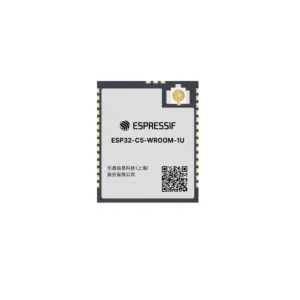
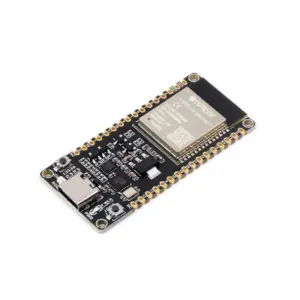
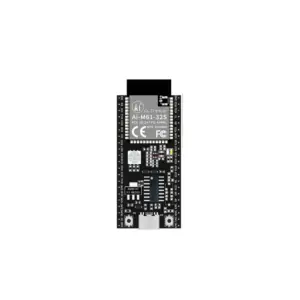
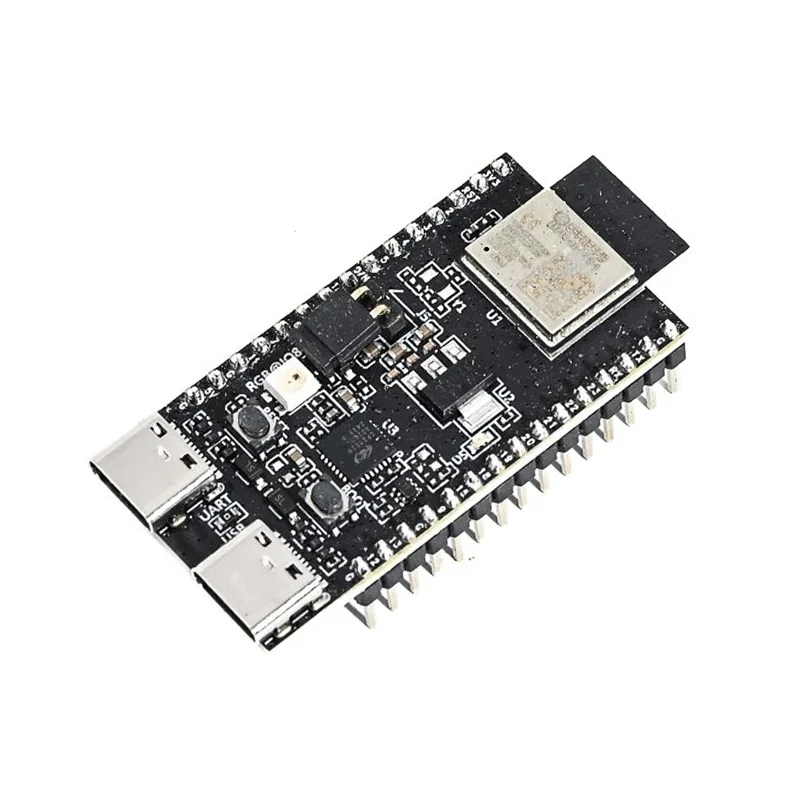
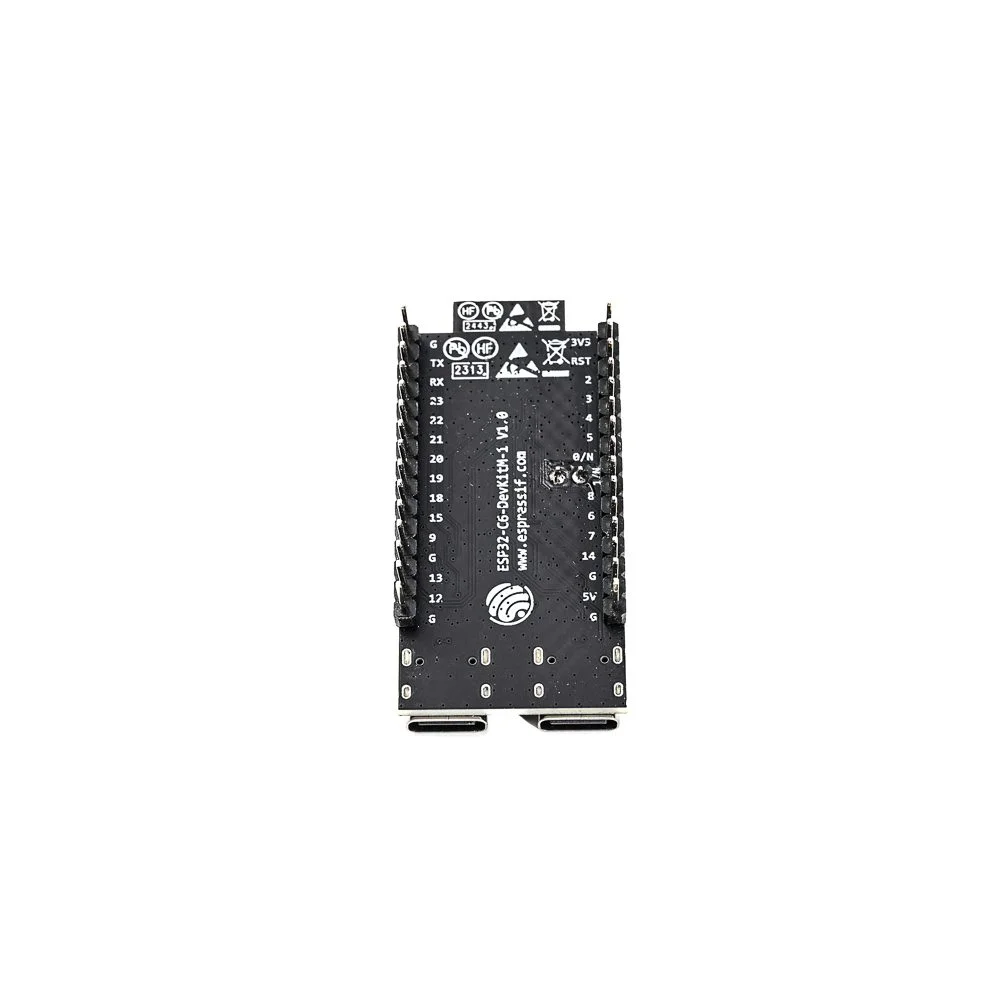
Espressif ESP32-C6-DevKitM-1-N4 Dev Board

₹1,099.00 (Inclusive of all taxes)
Out of Stock

The Espressif ESP32-C6-DevKitM-1-N4 is a multiprotocol development board featuring a 160 MHz RISC-V core, Wi-Fi 6, Bluetooth LE 5.0, and support for Zigbee/Thread (802.15.4), ideal for next-generation IoT applications.

Features

  • Multiprotocol Wireless SoC: Integrates Wi-Fi 6 (802.11ax), Bluetooth 5.0 LE, and IEEE 802.15.4 (Zigbee/Thread) on a single chip for versatile IoT connectivity.
  • High-Performance RISC-V Core: Features a 32-bit RISC-V microcontroller running at up to 160 MHz, delivering efficient processing for complex applications.
  • Comprehensive I/O Interface: Exposes GPIO, SPI, I2C, UART, PWM, ADC, and DAC pins for easy sensor and peripheral integration.
  • Optimized Power Management: Includes multiple low-power sleep modes, making it suitable for battery-powered edge devices and sensors.
  • Streamlined Development: Built-in USB-to-UART bridge simplifies programming and debugging via ESP-IDF, Arduino IDE, or MicroPython.

Out of stock

Description

The ESP32-C6-DevKitM-1-N4 development board is built around Espressif’s ESP32-C6 microcontroller, a system-on-chip designed for the next wave of IoT deployments. It combines a capable 160 MHz RISC-V processor with advanced wireless radios supporting Wi-Fi 6, Bluetooth LE 5.0, and the IEEE 802.15.4 standard for Zigbee and Thread mesh networking. This integration allows developers to create devices that can communicate across multiple protocols, adapting to diverse network environments from high-bandwidth Wi-Fi to low-power, low-latency mesh networks.

Engineered for flexibility, the board provides full access to the SoC’s peripheral interfaces, including SPI, I2C, UART, ADC, DAC, and PWM channels, enabling direct connection to a wide array of sensors, actuators, and displays. Its power architecture supports deep sleep modes and dynamic frequency scaling, significantly extending operational life in remote, battery-powered applications. The onboard USB-to-UART bridge facilitates seamless firmware flashing and serial communication, streamlining the development workflow within the ESP-IDF, Arduino, or MicroPython frameworks.

Key Features

  • Multiprotocol Connectivity: Simultaneous support for Wi-Fi 6 (802.11ax), Bluetooth Low Energy 5.0, and IEEE 802.15.4-based protocols (Zigbee 3.0, Thread) enables flexible network design.
  • High-Efficiency RISC-V Architecture: The single-core 32-bit RISC-V CPU operates at up to 160 MHz, balancing performance with power consumption for embedded tasks.
  • Rich Peripheral Set: Comprehensive I/O breakout includes multiple GPIOs, SPI, I2C, UART, PWM, 12-bit ADC, and 8-bit DAC for extensive hardware interfacing.
  • Advanced Power Management: Features multiple configurable low-power modes (including deep sleep) to minimize energy use in always-on sensing applications.
  • Integrated Development Support: Onboard USB-to-serial programming circuit and boot/reset buttons allow for quick firmware updates and debugging.
  • Compact Form Factor: The development board provides a ready-to-use platform with stable power regulation and antenna, accelerating prototype development.

Applications

  • Smart Home & Building Automation: Create multiprotocol hubs, smart switches, lighting controls, and environmental sensors that connect via Wi-Fi, BLE, or Zigbee mesh.
  • Industrial IoT (IIoT) Telemetry: Deploy as a wireless sensor node for equipment monitoring, collecting data via various interfaces and transmitting over Wi-Fi 6 or Thread networks.
  • Advanced Wearables & Personal Devices: Develop fitness trackers, smart tags, and health monitors leveraging BLE 5.0 for connectivity and the low-power modes for extended battery life.
  • Wireless Mesh Networks: Build robust, self-healing networks for smart agriculture, asset tracking, or city infrastructure using the integrated Zigbee/Thread (802.15.4) radio.

Technical Specifications

Microcontroller / SoCEspressif ESP32-C6 (32-bit RISC-V, up to 160 MHz)
Wireless ProtocolsWi-Fi 6 (802.11ax), Bluetooth 5.0 LE, IEEE 802.15.4 (Zigbee/Thread)
On-Chip Flash4 MB
On-Chip PSRAM400 KB
InterfacesGPIO, SPI, I2C, UART, PWM, ADC, DAC
Programming InterfaceUSB-to-UART Bridge (CP2102N or equivalent)
Development FrameworksESP-IDF, Arduino Core, MicroPython
AntennaIntegrated PCB Antenna
Operating Voltage3.3V (regulated from USB 5V input)
Dimensions (Shipping)Approx. 10 x 7 x 5 cm

Frequently Asked Questions

How do I program the ESP32-C6-DevKitM-1-N4 and which frameworks are supported?

The board is programmed via its onboard USB-to-UART bridge. Connect it to a computer with a USB-C cable. Official development is supported through Espressif's ESP-IDF framework, which provides full access to all wireless features. Community support is also available for the Arduino Core and MicroPython, though library support for the new wireless protocols may be evolving. You'll need to install the appropriate board package and select the 'ESP32-C6 Dev Module' as your target.

Can the ESP32-C6 run Wi-Fi, Bluetooth, and Zigbee/Thread simultaneously?

Yes, the ESP32-C6 SoC is designed for concurrent multiprotocol operation. Its radio subsystem can manage time-slicing between the supported protocols (Wi-Fi 6, Bluetooth LE, and IEEE 802.15.4). In practice, you can run a Wi-Fi station for cloud connectivity, a BLE peripheral for local device control, and a Zigbee or Thread router node on the same chip. Firmware development in ESP-IDF allows you to configure and prioritize these radio tasks, though careful resource management is required for optimal performance and power efficiency.

What is the power consumption and how do I use the low-power modes for battery operation?

The ESP32-C6 features several low-power modes, with deep sleep being the most effective for battery savings, reducing current to microamps while retaining RTC and GPIO wake-up functionality. Active current depends on the wireless mode and CPU frequency. To maximize battery life, structure your firmware to perform sensor readings and data transmissions in short, active bursts, then put the chip into deep sleep using the `esp_deep_sleep_start()` API in ESP-IDF. Ensure you configure wake-up sources like timers or external GPIO triggers before entering sleep.

Package Includes

  • 1 x Espressif ESP32-C6-DevKitM-1-N4 Development Board

Additional Information

Weight 0.05 kg
Dimensions 10 × 7 × 5 cm