SKU: IOWC-0715
📋 GST Invoice Available

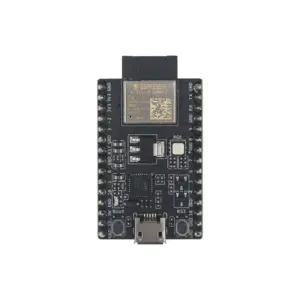
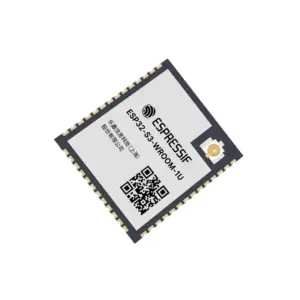
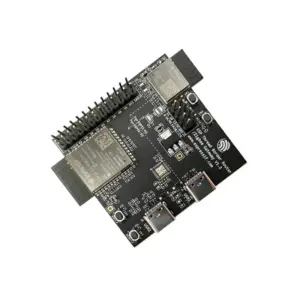
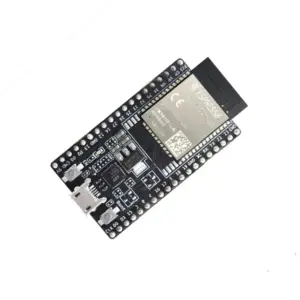
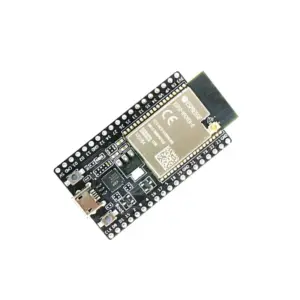
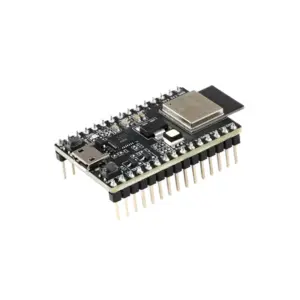
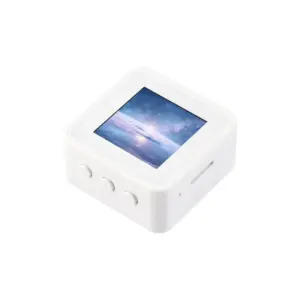
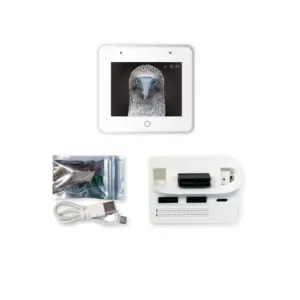
Espressif ESP32-S3-Korvo-2 Development Board

₹6,719.00 (Inclusive of all taxes)
Out of Stock

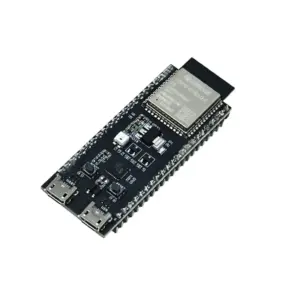
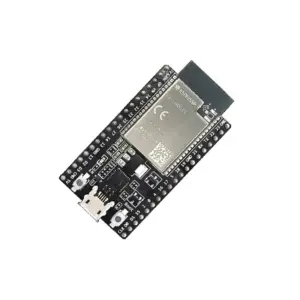
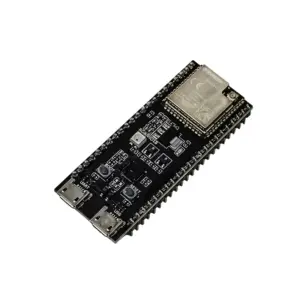
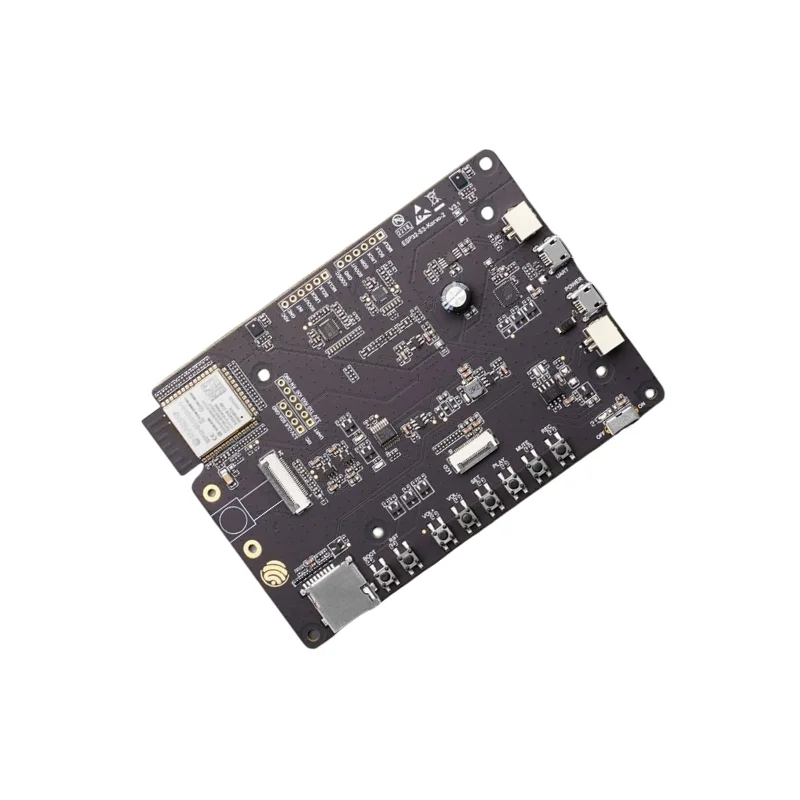
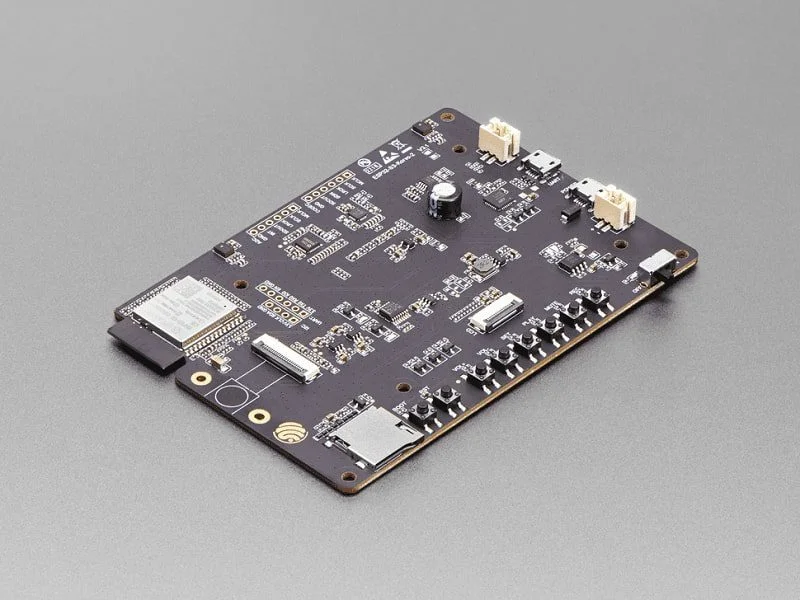
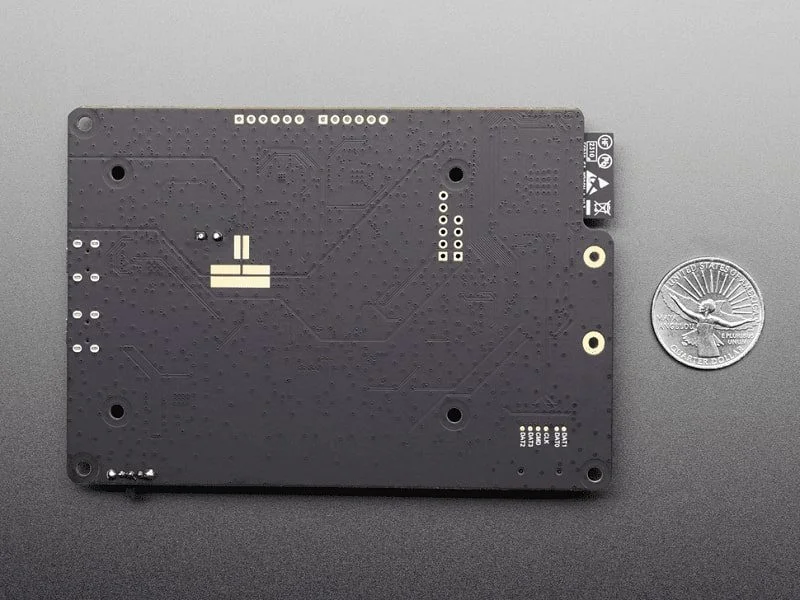
The Espressif ESP32-S3-Korvo-2 is an advanced AIoT development board featuring the ESP32-S3 dual-core SoC with Wi-Fi & Bluetooth LE 5.0, dedicated audio processing via ES7210 ADC and ES8311 codec, and a 3W amplifier for voice-enabled IoT applications, programmable with ESP-IDF or Arduino IDE.

Features

  • ESP32-S3-WROOM-1 module with dual-core LX7 processor, 512KB SRAM, and integrated 2.4GHz Wi-Fi & Bluetooth LE 5.0 for robust wireless connectivity.
  • Comprehensive audio subsystem with ES7210 4-channel microphone ADC, ES8311 mono audio codec, and NS4150 3W Class-D power amplifier for voice/sound applications.
  • Integrated CP2102N USB-UART bridge for reliable serial communication and firmware flashing via USB-C port.
  • Extensive peripheral support including multiple GPIOs, I2C, SPI, UART, and I2S interfaces for sensor and actuator integration.
  • Hardware security features including secure boot and flash encryption for production-grade IoT device development.

Out of stock

Description

The Espressif ESP32-S3-Korvo-2 Development Board is a feature-rich hardware platform engineered for prototyping and developing sophisticated AIoT and embedded voice applications. Built around the ESP32-S3-WROOM-1 module, it leverages a dual-core Xtensa LX7 microprocessor capable of running at up to 240 MHz, providing ample computational headroom for complex tasks like audio processing, neural network inference, and network protocol handling.

Its integrated wireless subsystem supports 2.4 GHz Wi-Fi 802.11b/g/n and Bluetooth 5.0 with Long Range and High Throughput modes, enabling reliable local and cloud connectivity. The board’s standout feature is its professional-grade audio pipeline, which includes a high-fidelity ES7210 analog-to-digital converter for multi-microphone input, an ES8311 low-power audio codec for signal processing, and an NS4150 3-watt amplifier for driving speakers, making it ideal for voice assistants, intercoms, and audio analytics.

Key Features

  • High-performance ESP32-S3 dual-core microcontroller with 512KB SRAM and 4MB flash memory.
  • Integrated 2.4GHz Wi-Fi 802.11b/g/n and Bluetooth 5.0 with LE/Bluetooth Mesh support.
  • Complete audio front-end: ES7210 4-channel microphone ADC, ES8311 mono codec, and NS4150 3W Class-D amplifier.
  • CP2102N USB-to-UART bridge provides stable serial communication and firmware programming.
  • Rich set of I/O interfaces: GPIO, I2C, SPI, UART, I2S, ADC, and touch sensors.
  • Advanced hardware security with secure boot, flash encryption, and digital signature peripherals.
  • USB-C power and data port with support for 5V/2A input for robust operation.
  • Designed for low-power operation with multiple sleep modes for battery-powered IoT endpoints.

Applications

  • Voice-controlled smart home assistants and IoT hubs.
  • Industrial voice intercom and public address (PA) systems.
  • AIoT edge devices for audio analytics and sound classification.
  • Prototyping wireless speakers and multi-room audio systems.
  • Development platform for Bluetooth LE audio and mesh networking applications.

Technical Specifications

Microcontroller/SoCESP32-S3 (Dual-core Xtensa LX7, up to 240 MHz)
Wireless ProtocolsWi-Fi 802.11b/g/n (2.4 GHz), Bluetooth 5.0 (LE/Mesh)
Audio ADC ChipES7210 (4-channel, low-power)
Audio Codec ChipES8311 (Mono, low-power)
Audio AmplifierNS4150 (3W Mono Class-D)
USB BridgeCP2102N (USB 2.0 to UART)
Supply Voltage5V via USB-C
Operating CurrentVaries with mode; typical active current ~80-120mA
InterfacesGPIO, I2C, SPI, UART, I2S, ADC, Touch
Antenna ConnectorIntegrated PCB antenna
Operating Temperature-40°C to +85°C (typical for ESP32-S3)
DimensionsApprox. 150mm x 110mm x 50mm

Frequently Asked Questions

How do I program the ESP32-S3-Korvo-2 board?

Install the ESP-IDF framework or Arduino Core for ESP32-S3. Connect the board via its USB-C port, which uses a CP2102N bridge. Select the correct COM port in your IDE, choose the 'ESP32-S3' target, and flash your firmware. The board is fully compatible with Espressif's development ecosystems, including ESP-IDF's audio pipeline components for the onboard codec and ADC.

What is the purpose of the ES7210 and ES8311 chips on this board?

The ES7210 is a high-performance, low-power 4-channel audio ADC designed for microphone arrays, converting analog signals from the onboard mic for digital processing. The ES8311 is a mono audio codec that handles digital-to-analog conversion for playback and includes features like gain control and filtering. Together, they form a complete audio front-end for voice capture and playback applications on the ESP32-S3.

Can I connect external microphones or speakers to the Korvo-2 board?

Yes. While the board has an onboard microphone, the ES7210 ADC supports up to four channels via its interface. You can connect external electret or MEMS microphones to the available GPIOs configured for I2S. For output, the NS4150 amplifier drives a speaker via its output pins. You can also bypass the onboard amp and use the line-out from the ES8311 codec to connect to an external amplifier or headphones.

What are the power requirements and sleep current for battery operation?

The board is powered via the USB-C port at 5V. The ESP32-S3 module itself operates at 3.3V, regulated onboard. For battery operation, you can supply 3.7V-5V to the appropriate pins. The ESP32-S3 supports ultra-low-power sleep modes; deep sleep current can be as low as 10-20µA, while light sleep is around 0.8mA, making it suitable for always-listening, battery-powered voice applications.

Package Includes

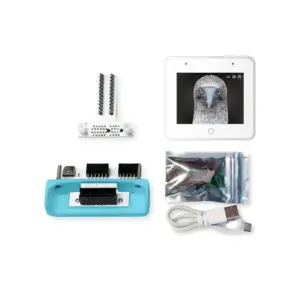
  • 1 x Espressif ESP32-S3-Korvo-2 Development Board

Additional Information

Weight 0.096 kg
Dimensions 11 × 15 × 5 cm