SKU: IOWC-0635
📋 GST Invoice Available

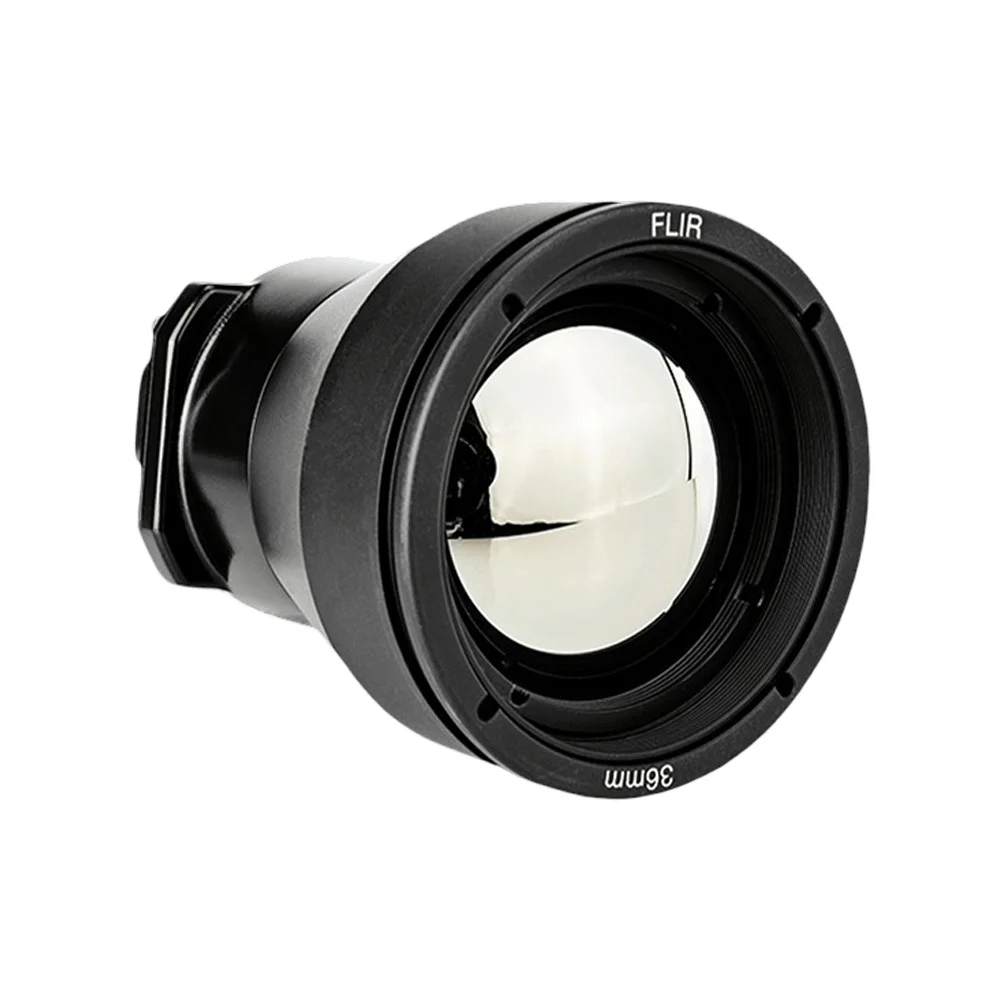
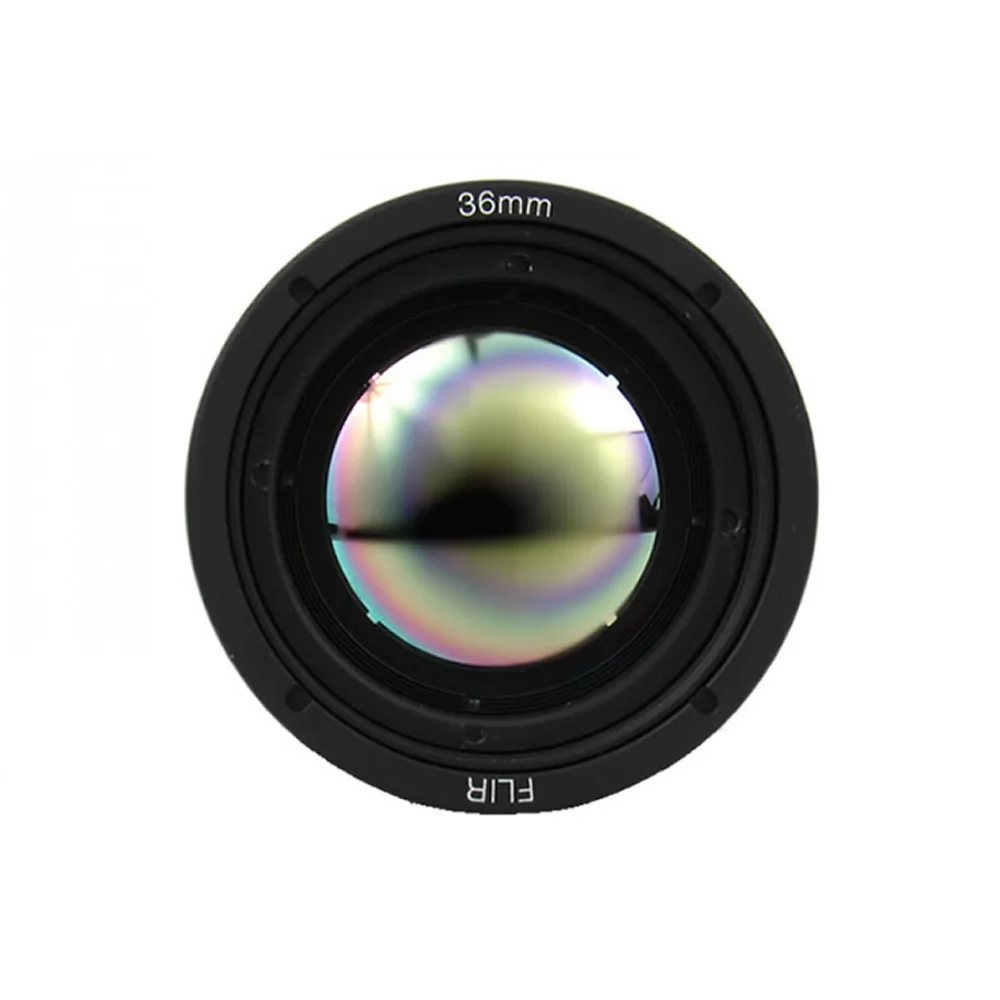
Teledyne Teledyne FLIR Boson 20320A006-6CAAX Thermal Camera Core, 320x256, 6° HFOV, 36mm Lens

₹421,259.00 (Inclusive of all taxes)
Out of Stock

The Teledyne Teledyne FLIR Boson 20320A006-6CAAX is a compact, long-wave infrared (LWIR) thermal imaging core module featuring a 320×256 microbolometer sensor with a narrow 6° HFOV 36mm lens for long-range detection. It operates on 3.3V with low power consumption and provides CMOS and USB 2.0 interfaces for seamless integration into UAVs, surveillance, and industrial monitoring systems.

Features

  • Long-Range Thermal Imaging: Narrow 6° horizontal field of view (HFOV) with a 36mm lens enables precise thermal detection and monitoring over extended distances.
  • High-Resolution Sensor: Features a 320 x 256 pixel uncooled microbolometer with 12 µm pixel pitch for detailed thermal mapping and a sensitivity of <40 mK.
  • Low-Power OEM Module: Compact and lightweight core consumes approximately 500 mW, ideal for power-constrained mobile and embedded applications.
  • Robust Industrial Design: Operates reliably across an extreme temperature range from -40°C to 80°C, suitable for harsh environmental conditions.
  • Flexible System Integration: Offers multiple output interfaces including CMOS video and USB 2.0, simplifying connection to host processors and development platforms.

Out of stock

Description

The Teledyne Teledyne FLIR Boson 20320A006-6CAAX is a professional-grade thermal camera core engineered for long-range imaging applications. It integrates a 320×256 resolution uncooled microbolometer sensor with a 12 µm pixel pitch, delivering high thermal sensitivity and stable performance. The module’s narrow 6-degree horizontal field of view, achieved through its 36mm lens, provides the optical precision necessary for identifying thermal signatures at a distance, making it a critical component for surveillance and remote inspection systems.

Designed for OEM integration, the Boson core features a compact 21x21mm form factor and low power architecture, drawing roughly 500 mW from a 3.3VDC supply. This efficiency, combined with its lightweight construction, makes it ideal for deployment on unmanned aerial vehicles (UAVs) and portable equipment. The module supports a configurable frame rate up to 60 Hz and outputs video via standard CMOS and USB 2.0 interfaces, offering flexibility for various embedded vision pipelines and development environments.

Key Features

  • Narrow-FOV Long-Range Lens: 36mm lens with a 6° horizontal field of view (HFOV) for targeted, long-distance thermal imaging.
  • High-Performance Microbolometer: 320 x 256 pixel array with 12 µm pixel pitch and <40 mK thermal sensitivity for accurate temperature differential detection.
  • Low-Power Operation: Consumes approximately 500 mW at 3.3V, enabling use in battery-powered and mobile platforms.
  • Wide Operating Temperature Range: Functions reliably from -40°C to +80°C, ensuring performance in extreme industrial and outdoor environments.
  • Multiple Video Outputs: Provides both CMOS parallel video output and USB 2.0 interface for flexible system integration and data streaming.
  • Factory Calibration: Includes advanced Non-Uniformity Correction (NUC) for stable image quality and simplified user calibration.
  • Compact & Lightweight Design: Minimal footprint (21x21mm) and weight (15g) facilitate integration into space-constrained OEM products.
  • Configurable Frame Rate: Supports up to 60 Hz frame rate, with selectable lower rates (e.g., 30 Hz, <9 Hz) for power saving or bandwidth control.

Applications

  • Long-Range Surveillance & Perimeter Security: Integration into fixed or pan-tilt-zoom (PTZ) systems for nighttime and all-weather intrusion detection and monitoring.
  • Unmanned Aerial Vehicle (UAV) Payloads: Deployment on drones for search and rescue, firefighting, infrastructure inspection, and agricultural surveying.
  • Industrial Predictive Maintenance: Monitoring electrical substations, mechanical equipment, and process pipelines for early detection of overheating faults.
  • Automotive & Mobility Vision Systems: Use in advanced driver-assistance systems (ADAS) and autonomous vehicles for enhanced night vision and pedestrian detection.
  • Scientific Research & Environmental Monitoring: Applied in remote sensing for wildlife studies, volcanic activity observation, and thermal mapping.

Technical Specifications

Sensor TypeUncooled VOx Microbolometer (LWIR)
Resolution320 (H) × 256 (V) pixels
Pixel Pitch12 µm
Thermal Sensitivity (NETD)< 40 mK
Lens / HFOV36 mm / 6°
Frame RateUp to 60 Hz (configurable)
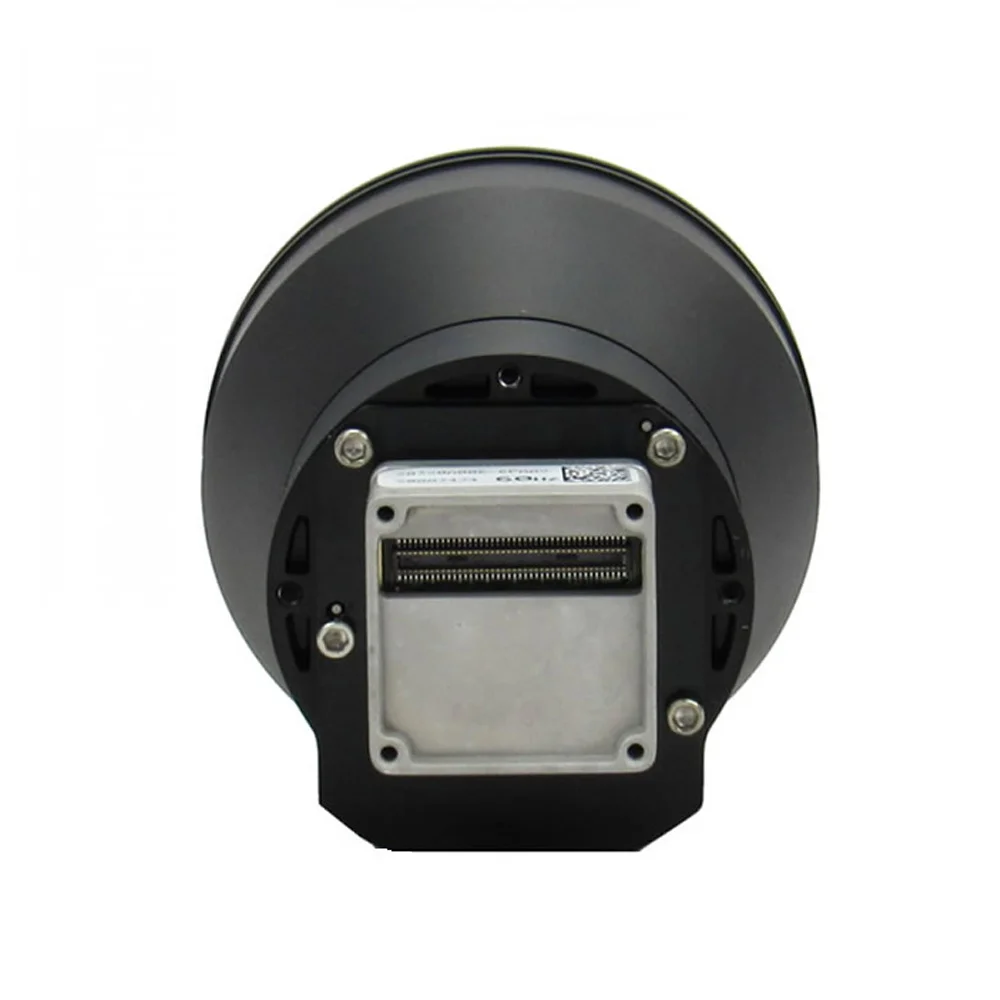
Video Output InterfacesCMOS Parallel, USB 2.0
Control InterfaceUART
Supply Voltage3.3 VDC
Typical Power Consumption~500 mW
Operating Temperature-40°C to +80°C
Dimensions (L × W)21 mm × 21 mm
Weight15 g

Frequently Asked Questions

What interfaces does the Teledyne FLIR Boson core support for video output and control?

The Boson core provides two primary video output paths: a standard CMOS parallel digital video interface and a USB 2.0 port for direct streaming to a host computer. For configuration and control, it includes a UART serial interface. You typically use the UART to send commands for setting parameters like gain, frame rate, or performing a flat-field correction (NUC). The CMOS output is ideal for direct connection to an FPGA or embedded processor, while USB offers plug-and-play compatibility with PC-based software like Teledyne FLIR's own development tools or third-party machine vision applications.

How do I power and integrate this Boson thermal core into my custom system?

Power the module with a stable 3.3VDC supply, ensuring your power source can deliver the required current with minimal noise, as sensor performance depends on clean power. For integration, connect the CMOS parallel data lines, pixel clock, and frame sync signals to your host processor's GPIO or a dedicated camera interface. Alternatively, use the USB connection for a simpler setup. You must also connect the UART TX/RX lines for sending configuration commands. Teledyne FLIR provides a Software Development Kit (SDK) with APIs and documentation to facilitate communication, image acquisition, and calibration procedures for your application.

What is the significance of the 6° HFOV and 36mm lens for imaging?

The narrow 6-degree horizontal field of view (HFOV) provided by the 36mm lens is designed for long-range imaging applications. A narrow FOV gives you a higher instantaneous field of view (IFOV) per pixel, meaning each pixel covers a smaller area on the target at a given distance. This results in finer detail and the ability to detect and identify smaller objects or temperature variations from far away. It's ideal for scenarios like perimeter security where you need to monitor a specific gate or entry point from a remote tower, or for drone-based inspection where you need to see fine cracks on a wind turbine blade from a safe distance.

Can the frame rate of this Boson camera be adjusted, and how does it affect operation?

Yes, the Boson core's frame rate is configurable via UART commands. It can operate at up to 60 frames per second (Hz) for high-speed monitoring. You can also select lower rates such as 30 Hz or even drop below 9 Hz. Reducing the frame rate lowers the total data bandwidth and can significantly reduce power consumption, which is crucial for battery-operated devices like handheld thermometers or long-endurance UAVs. A lower frame rate might introduce latency but is perfectly acceptable for applications like periodic industrial equipment scans or slow-moving environmental monitoring where capturing rapid thermal changes is not required.

Package Includes

  • 1 x Teledyne Teledyne FLIR Boson 20320A006-6CAAX Thermal Camera Core Module

Additional Information

Weight 0.015 kg
Dimensions 2.1 × 2.1 cm