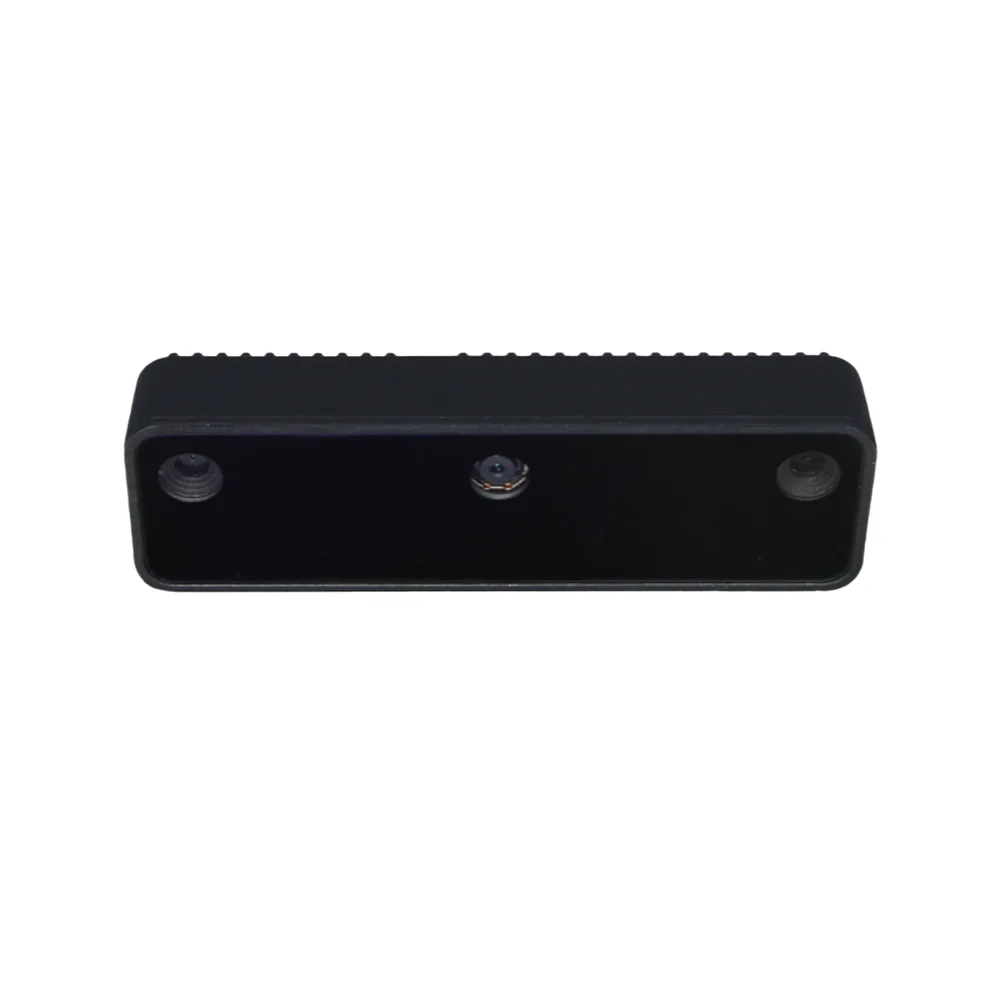
SKU: IOWC-0186
📋 GST Invoice Available

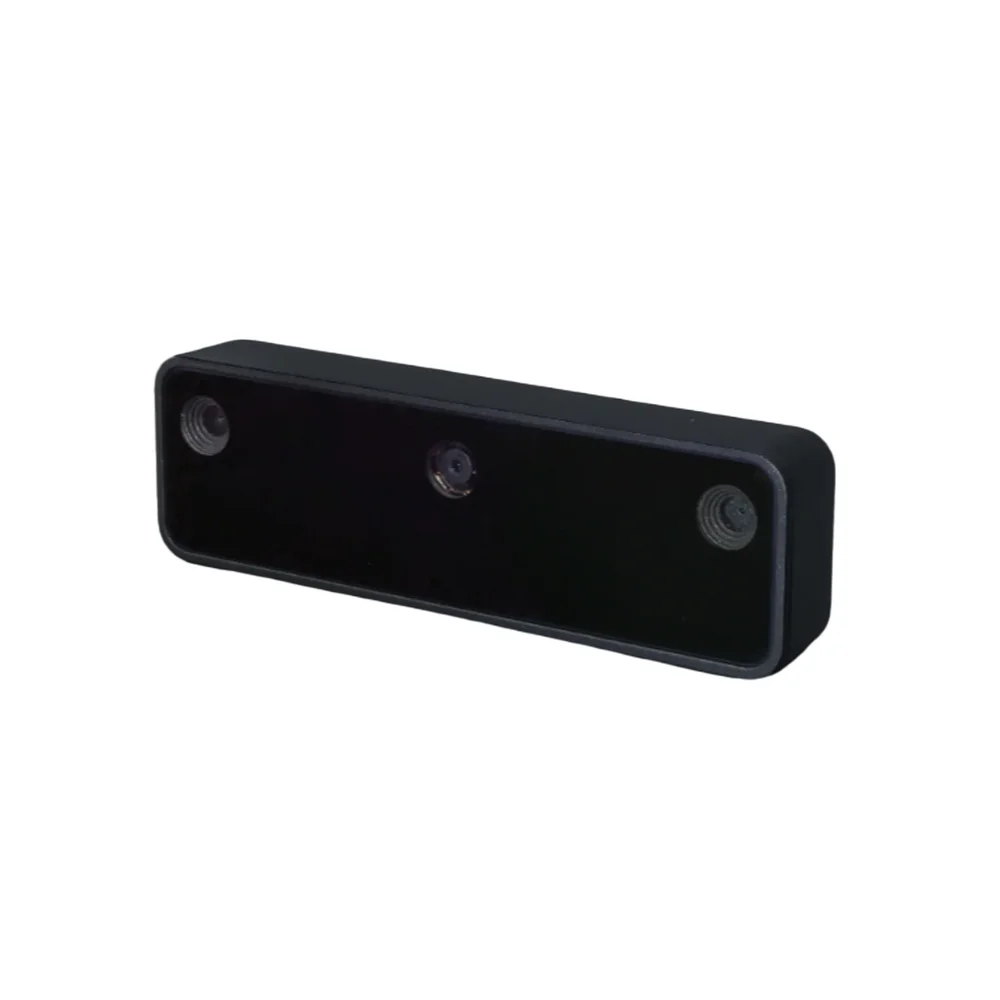
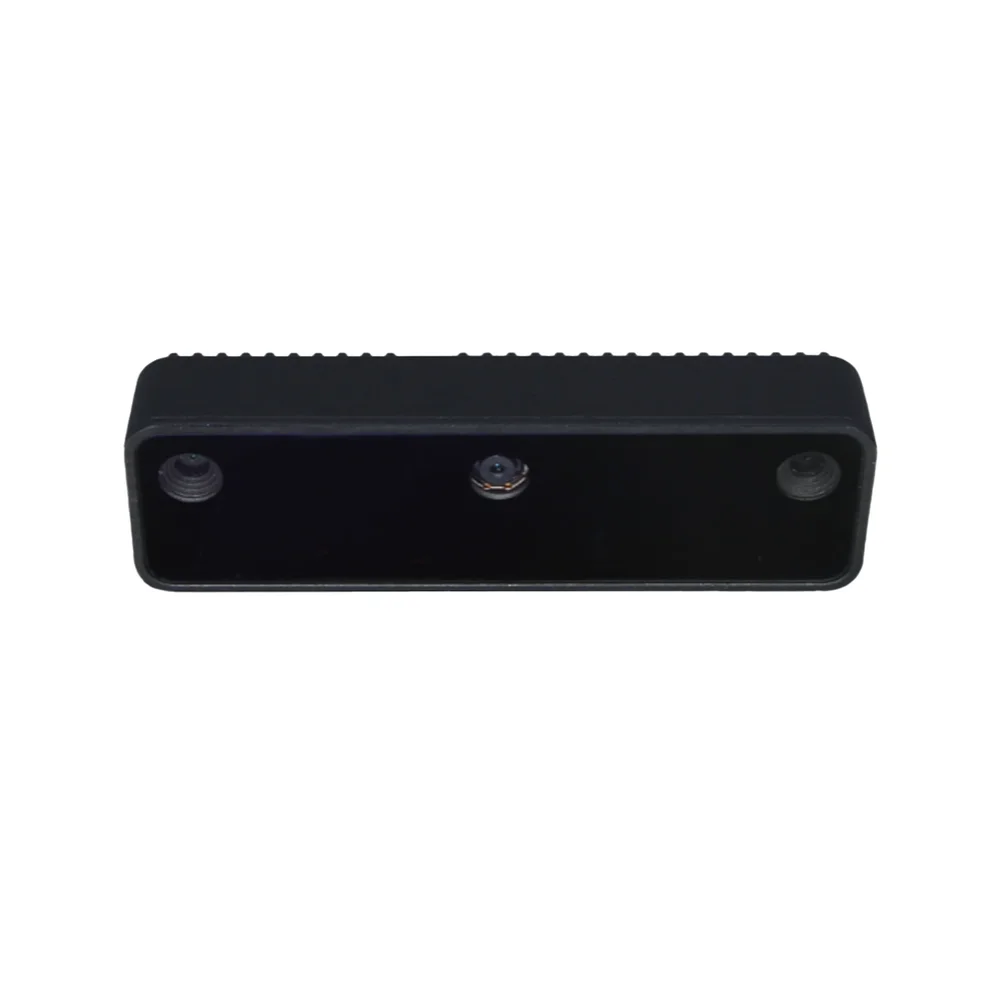
Luxonis OAK-D-Lite Fixed Focus AI Stereo Depth Camera

₹34,999.00 (Inclusive of all taxes)
Out of Stock

The Luxonis OAK-D-Lite Fixed Focus is an embedded AI stereo vision camera featuring a 13MP Sony IMX214 RGB sensor and dual OV7251 global-shutter depth cameras, powered by an onboard RVC2 processor for 4 TOPS of edge AI inference, depth mapping, and computer vision.

Features

  • Onboard AI Processing: Integrates a powerful RVC2 processor delivering 4 TOPS total, with 1.4 TOPS dedicated to neural network inference for real-time object detection and tracking directly on-device.
  • Stereo Depth Perception: Equipped with dual OV7251 global-shutter cameras on a 75mm baseline, providing precise depth mapping with an ideal range of 40cm to 8m for robotics and autonomous navigation.
  • High-Resolution RGB Imaging: Features a fixed-focus Sony IMX214 sensor capable of 13MP (4208×3120) resolution at up to 35 FPS for detailed scene capture and AI analysis.
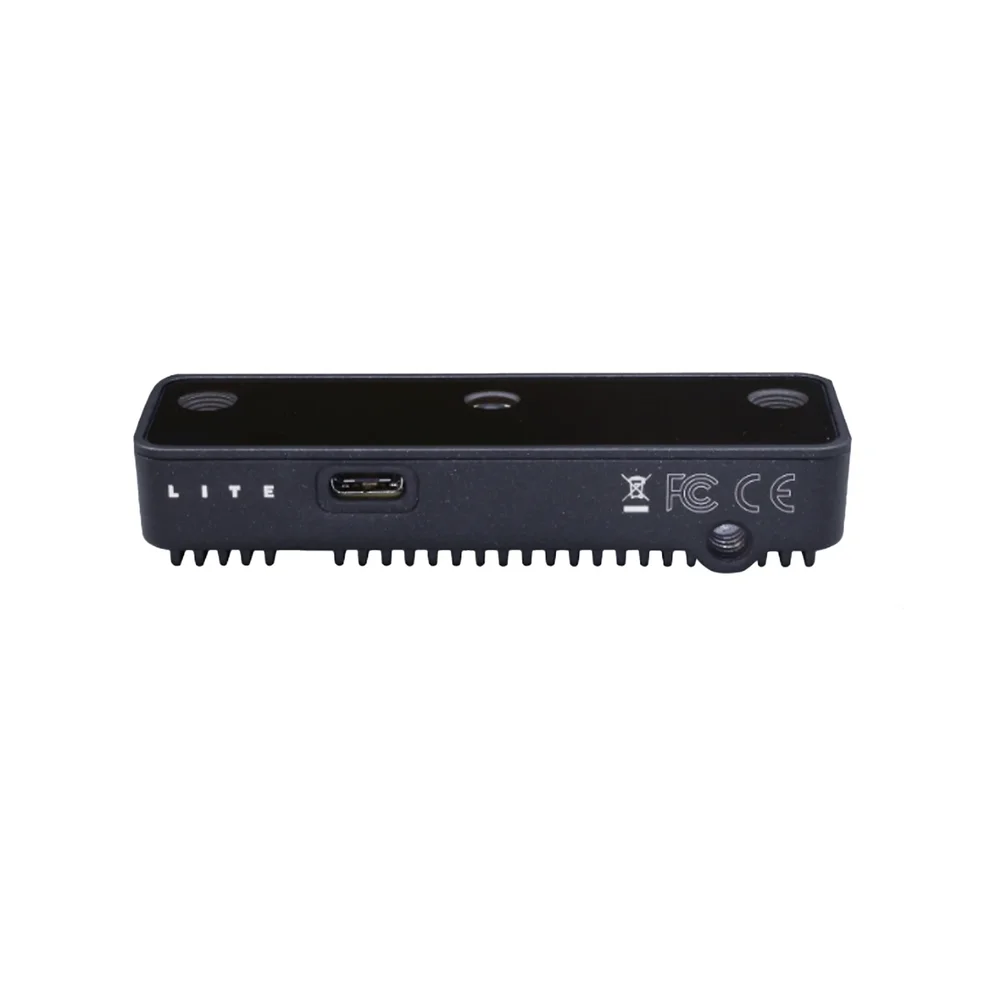
  • Robust Industrial Design: Housed in an aluminum chassis with Gorilla Glass front protection and includes 1/4-inch tripod and M4 VESA mounting points for vibration-resistant deployment in drones and mobile robots.
  • Streamlined Connectivity: Powered and communicates via a single USB-C 3.2 Gen 1 (5Gbps) connection, simplifying integration and supporting high-bandwidth video streaming and AI data output.

Out of stock

Description

The Luxonis OAK-D-Lite Fixed Focus is a purpose-built, edge AI vision system designed for developers and engineers working on autonomous machines, robotics, and advanced computer vision applications. It consolidates high-resolution RGB imaging, stereo depth sensing, and substantial neural processing power into a single, compact module. The fixed-focus optical design ensures reliable performance in environments subject to vibration or shock, making it particularly suitable for drones, AGVs, and mobile robotic platforms.

At its core, the RVC2 processor architecture handles the computational workload locally, enabling low-latency object detection, semantic segmentation, and depth estimation without relying on a connected PC. This on-device processing significantly reduces system complexity, power draw, and bandwidth requirements. The integration of a BMI270 6-axis IMU further enhances functionality by providing inertial data for sensor fusion, improving pose estimation and stabilization in dynamic applications.

Key Features

  • Edge AI Vision System: Combines a 13MP RGB camera, stereo depth sensors, and a dedicated AI accelerator (1.4 TOPS) into a single, self-contained unit for standalone computer vision tasks.
  • Precise Stereo Depth Mapping: Utilizes two OV7251 global-shutter monochrome cameras with a 75mm baseline to generate accurate depth maps, ideal for navigation, obstacle avoidance, and 3D reconstruction.
  • Fixed-Focus Optical Stability: The locked-focus lenses on all three cameras eliminate focus drift, ensuring consistent image quality and depth accuracy in high-vibration environments like drones and vehicles.
  • Integrated Inertial Measurement Unit: Includes a BMI270 6-axis IMU (accelerometer and gyroscope) for sensor fusion applications, enhancing spatial awareness and motion tracking.
  • High-Speed USB-C Interface: A single USB 3.2 Gen 1 (5Gbps) Type-C port provides both power (up to 5W) and high-bandwidth data transfer for video streams, depth data, and AI inference results.
  • Robust Mechanical Construction: Features a durable aluminum housing with a scratch-resistant Gorilla Glass front element, designed for industrial and outdoor use.
  • Versatile Mounting Options: Comes with standard 1/4-inch tripod threads and a 75mm VESA pattern (M4) for easy integration into robotic frames, gimbals, and custom enclosures.
  • Comprehensive Software Support: Programmable via Luxonis's open-source DepthAI API, compatible with Python, C++, and ROS, streamlining development for perception pipelines.

Applications

  • Autonomous Robotics & Drones: Provides real-time obstacle detection, depth mapping, and navigation for AGVs, delivery robots, and UAVs.
  • Smart Surveillance & Monitoring: Enables AI-powered people counting, intrusion detection, and activity recognition in retail, security, and industrial settings.
  • 3D Scanning & Metrology: Suitable for close-range 3D reconstruction, object dimensioning, and quality inspection on production lines.
  • Human-Machine Interaction: Powers gesture control systems, interactive kiosks, and augmented reality experiences with robust depth perception.
  • Research & Education: An ideal platform for developing and testing computer vision, machine learning, and robotic perception algorithms in academic and R&D environments.

Technical Specifications

ProcessorRVC2
Total Processing Power4 TOPS
Dedicated AI Compute1.4 TOPS
RGB SensorSony IMX214 (PY062)
RGB Resolution13MP (4208 x 3120)
RGB Focus TypeFixed Focus (50cm – ∞)
Stereo SensorsDual OV7251 Global Shutter
Stereo Resolution480P (640 x 480)
Stereo Baseline75mm
Ideal Depth Range40cm – 8m
Inertial Measurement Unit (IMU)BMI270 6-axis
ConnectivityUSB-C 3.2 Gen 1
USB Speed5 Gbps
Power ConsumptionUp to 5W
Operating Temperature-20°C to 50°C
Housing MaterialAluminum with Gorilla Glass
Dimensions (L x W x H)91 x 28 x 17.5 mm
Weight61 g

Frequently Asked Questions

What software and frameworks are supported for programming the OAK-D-Lite?

The OAK-D-Lite is primarily programmed using Luxonis's open-source DepthAI API, which offers Python and C++ bindings. It is fully compatible with the DepthAI SDK for building custom perception pipelines. For roboticists, official ROS (Robot Operating System) 1 and ROS 2 drivers are available, allowing seamless integration of camera streams, depth data, and AI inference into robotic software stacks. Development typically occurs on a host computer running Windows, Linux, or macOS, which communicates with the device via USB.

How do I power the OAK-D-Lite and what are its power requirements?

The OAK-D-Lite is powered exclusively through its USB-C port. It complies with the USB 3.2 Gen 1 standard and requires a 5V supply. The device's power consumption can reach up to 5W under full load with all sensors and AI inference active. You can use any compliant USB-C port on a computer, a USB wall adapter, or a regulated 5V power source connected via a USB-C cable. Ensure the cable and power source can deliver sufficient current (typically 1A or more) for stable operation, especially when driving the high-speed data bus.

What is the difference between the Fixed Focus and Autofocus variants of the OAK-D-Lite?

The Fixed Focus variant, as the name implies, has its RGB and stereo camera lenses locked at a specific focal distance. The RGB camera is fixed from 50cm to infinity, ideal for applications where the subject distance is relatively constant or for environments with vibration. The Autofocus variant features a moving lens element in the RGB camera, allowing it to dynamically focus from a very close range. Choose Fixed Focus for stability in mobile robots or drones; choose Autofocus for applications requiring sharp focus on objects at varying distances, like a handheld scanner.

Can the OAK-D-Lite perform AI inference and depth sensing simultaneously?

Yes, the onboard RVC2 processor is designed to handle concurrent workloads. Its 4 TOPS of total processing power is partitioned, with 1.4 TOPS dedicated specifically to neural network inference. This allows the device to run object detection models (like YOLO or MobileNet-SSD) on the RGB stream while simultaneously calculating stereo depth from the two OV7251 cameras. All processing occurs on-device, outputting synchronized metadata (bounding boxes, labels), depth maps, and rectified video streams over the USB connection with minimal latency.

Package Includes

  • 1 x Luxonis OAK-D-Lite Fixed Focus Camera Unit

Additional Information

Weight 0.061 kg
Dimensions 9.1 × 2.8 × 1.75 cm