SKU: IOWC-1272
📋 GST Invoice Available

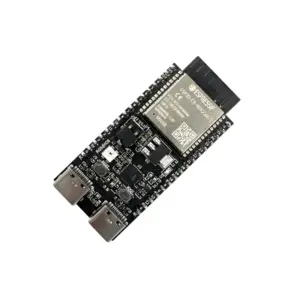
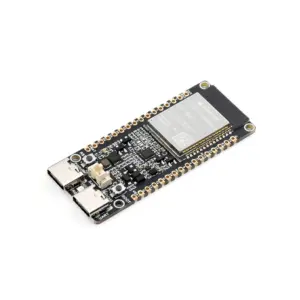
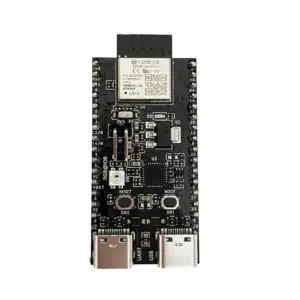
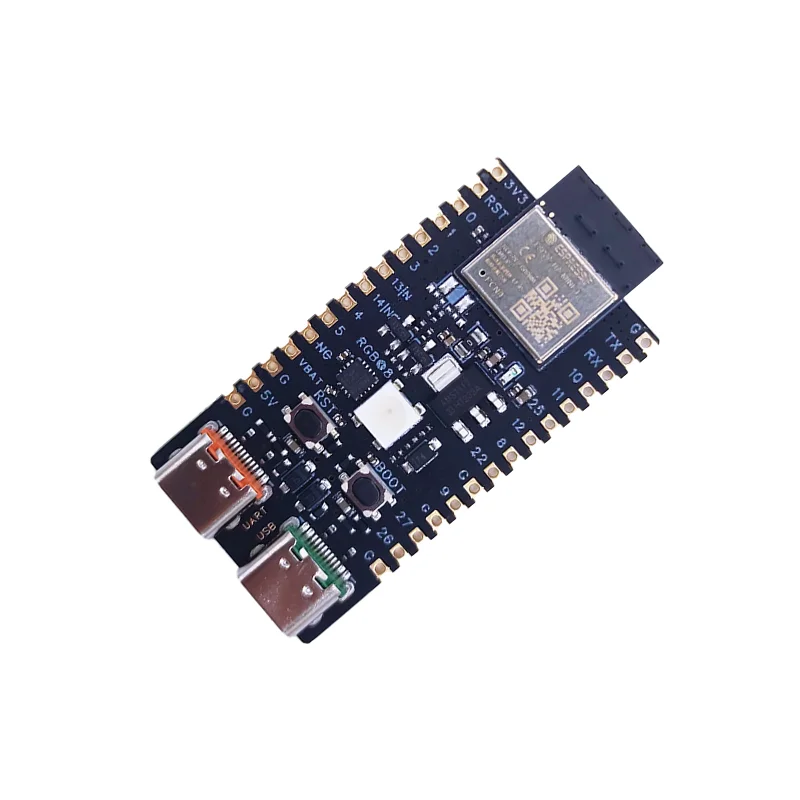
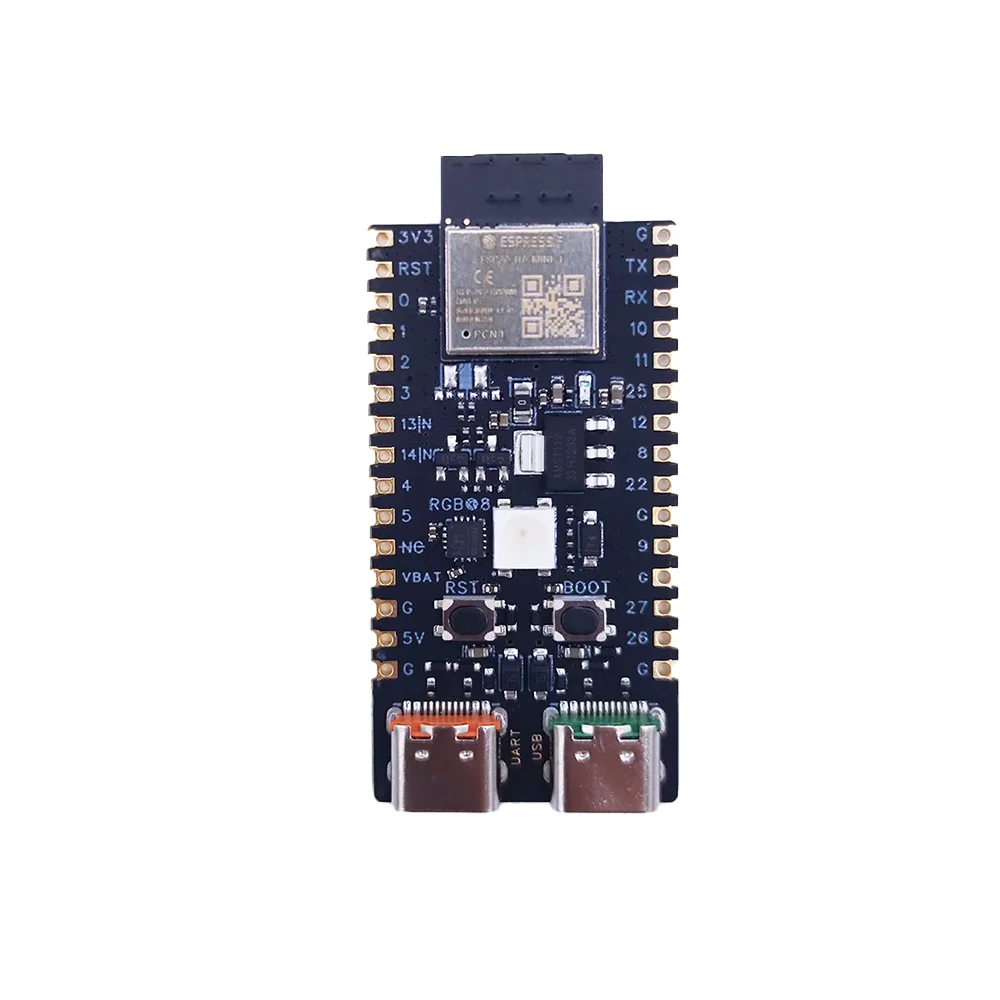
WeAct Studio ESP32H2-N4-A Development Board w/ ESP32-H2-MINI-1

₹1,059.00 (Inclusive of all taxes)
Out of Stock

The WeAct Studio ESP32H2-N4-A is a compact development board featuring the ESP32-H2-MINI-1 module, designed for low-power IoT applications supporting Thread, Zigbee, Bluetooth 5, and Bluetooth mesh protocols via a 2.4 GHz transceiver.

Features

  • Multi-Protocol 2.4 GHz Transceiver: Integrates Bluetooth 5 (LE), Bluetooth mesh, Thread, Matter, and Zigbee for versatile IoT connectivity.
  • RISC-V Processor Core: Powered by a 32-bit RISC-V single-core CPU running at 96 MHz for efficient IoT task handling.
  • Low-Power Design: Engineered specifically for battery-operated applications with optimized power consumption.
  • Comprehensive I/O: Provides 19 GPIOs supporting SPI, UART, I2C, I2S, ADC, PWM, and USB Serial/JTAG for peripheral integration.
  • Onboard Memory: Features 320 KB SRAM, 128 KB ROM, and 4 KB LP Memory, with 2/4 MB Flash for program and data storage.

Out of stock

Description

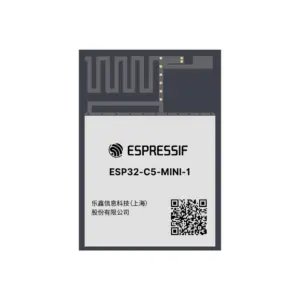
The WeAct Studio ESP32H2-N4-A Development Board is built around the official Espressif ESP32-H2-MINI-1 module, providing a robust platform for developing IoT edge devices. Its core is a 32-bit RISC-V processor clocked at 96 MHz, paired with a 2.4 GHz radio that concurrently supports IEEE 802.15.4-based protocols (Thread, Zigbee) and Bluetooth Low Energy 5, including mesh networking capabilities.

This board is architected for ultra-low-power operation, making it ideal for battery-powered sensor nodes, smart home automation controllers, and Matter-compatible devices. It offers extensive peripheral interfaces via its 19 GPIOs, enabling seamless integration with sensors, displays, and actuators. The onboard USB Serial/JTAG interface simplifies firmware development and debugging using the ESP-IDF, Arduino, or MicroPython frameworks.

Key Features

  • Multi-Protocol Wireless SoC: Single 2.4 GHz radio supports concurrent Bluetooth LE 5, Bluetooth mesh, Thread 1.3, Zigbee 3.0, and Matter-over-Thread connectivity.
  • RISC-V Computational Core: Efficient 96 MHz single-core processor balances performance with low energy consumption for IoT workloads.
  • Optimized Memory Architecture: Combines 320 KB SRAM for runtime data, 128 KB ROM for bootloader, and configurable 2 MB or 4 MB flash for application code.
  • Rich Peripheral Set: Interfaces include 3x SPI, 2x UART, 2x I2C, I2S, USB Serial/JTAG, 12-bit SAR ADC, PWM controllers, and general-purpose DMA.
  • Ultra-Low-Power Design: Features dedicated low-power memory (4 KB LP Memory) and multiple sleep modes to maximize battery life in sensing applications.
  • Compact Form Factor: The ESP32-H2-MINI-1 module provides a certified RF solution in a small footprint for space-constrained designs.

Applications

  • Smart Home & Building Automation: Thread/Zigbee border routers, BLE mesh lighting controls, and Matter-compatible devices.
  • Industrial IoT Sensor Nodes: Low-power wireless telemetry for monitoring environmental conditions, energy, or equipment status.
  • Wearable & Personal Devices: Fitness trackers, smart tags, and healthcare monitors leveraging BLE connectivity.
  • Mesh Networking Applications: Creating resilient, self-healing wireless networks for asset tracking or distributed sensing.

Technical Specifications

Microcontroller/SoCEspressif ESP32-H2 (32-bit RISC-V @ 96 MHz)
Wireless ProtocolsBluetooth 5 (LE), Bluetooth Mesh, Thread, Zigbee, Matter
Frequency Range2.4 GHz ISM Band
Memory320 KB SRAM, 128 KB ROM, 4 KB LP Memory, 2/4 MB Flash
GPIO19
Interfaces3x SPI, 2x UART, 2x I2C, 1x I2S, USB Serial/JTAG, ADC, PWM, RMT, PCNT
Operating Voltage3.3V (Typical via onboard regulator)
Development FrameworkESP-IDF, Arduino Core, MicroPython
Dimensions (Board)Approx. 50mm x 40mm x 20mm (from shipping data)

Frequently Asked Questions

What wireless protocols does the ESP32H2-N4-A board support?

The board's ESP32-H2-MINI-1 module supports Bluetooth 5 (Low Energy), Bluetooth mesh, Thread 1.3, Zigbee 3.0, and Matter-over-Thread. All protocols operate on the 2.4 GHz band, allowing you to develop for multiple smart home and industrial IoT standards using a single hardware platform and the ESP-IDF or Arduino frameworks.

How do I program this development board and upload firmware?

Connect the board via its onboard USB-C port to your computer. It will enumerate as a serial/JTAG device. You can then use Espressif's ESP-IDF, the Arduino Core for ESP32, or MicroPython to write and compile your code. Use the `idf.py flash` command in ESP-IDF or the standard Arduino IDE upload process to program the board via the serial connection.

What is the power supply requirement for the ESP32H2-N4-A board?

The board is typically powered through the USB-C port at 5V. An onboard voltage regulator steps this down to the 3.3V required by the ESP32-H2 chip. For battery operation, you can supply 3.3V directly to the appropriate pins, taking advantage of the chip's low-power sleep modes to extend battery life significantly in sensor applications.

Package Includes

  • 1 x WeAct Studio ESP32H2-N4-A Development Board

Additional Information

Weight 0.01 kg
Dimensions 4 × 5 × 2 cm