SKU: SENS-2407
📋 GST Invoice Available

SparkFun Pulsed Radar Breakout - A111, SEN-16826 - 60 GHz PCR Sensor with SPI Interface

₹9,209.00 (Inclusive of all taxes)
Out of Stock

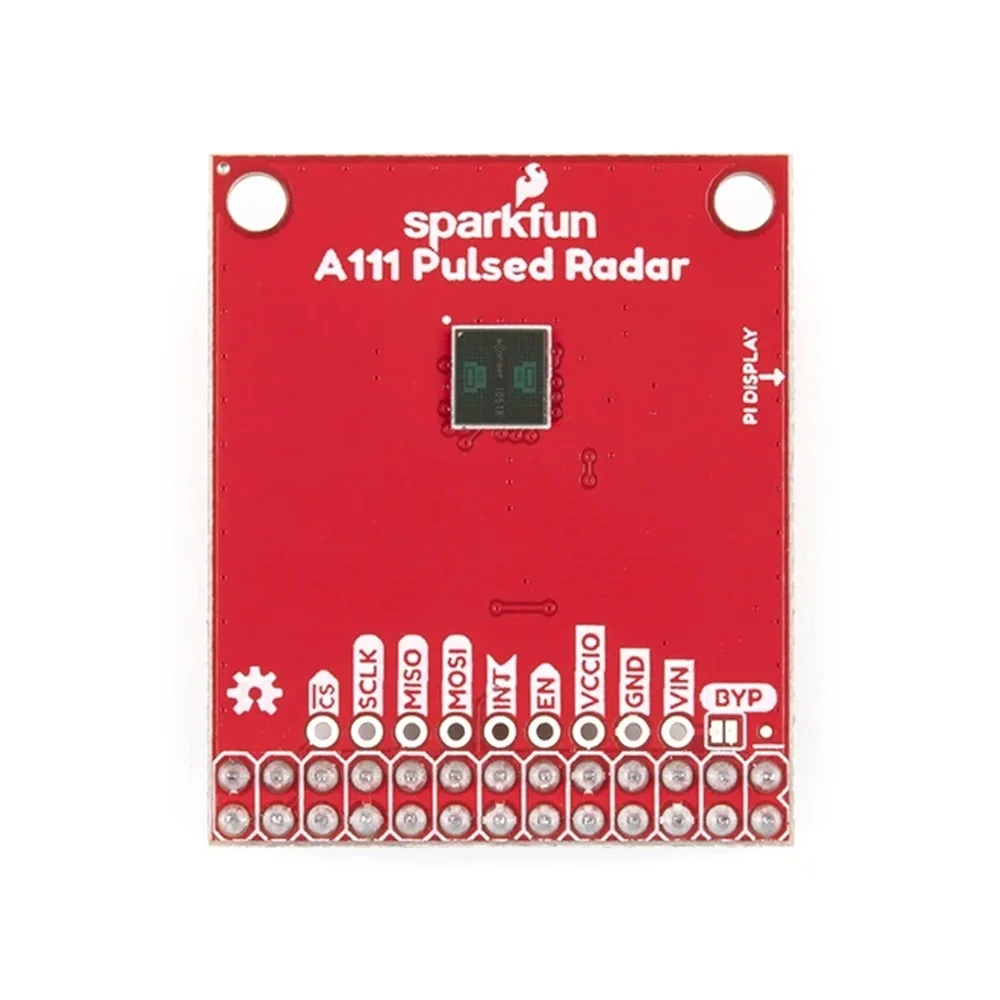
The SparkFun Pulsed Radar Breakout (A111) integrates the Acconeer A111 60 GHz Pulsed Coherent Radar (PCR) sensor for high-precision distance, motion, and gesture detection up to 2 meters. Featuring an SPI interface with 50 MHz clock support and onboard 1.8V regulator with 1.8V–5V logic translation, it is designed for seamless integration with Raspberry Pi 3/3B+/4, Arduino, and other 3.3V/5V microcontroller platforms.

Features

  • Acconeer A111 60 GHz Pulsed Coherent Radar (PCR) sensor with integrated antenna.
  • High-precision distance measurement up to 2 meters with millimeter-range accuracy.
  • SPI communication interface supporting clock speeds up to 50 MHz.
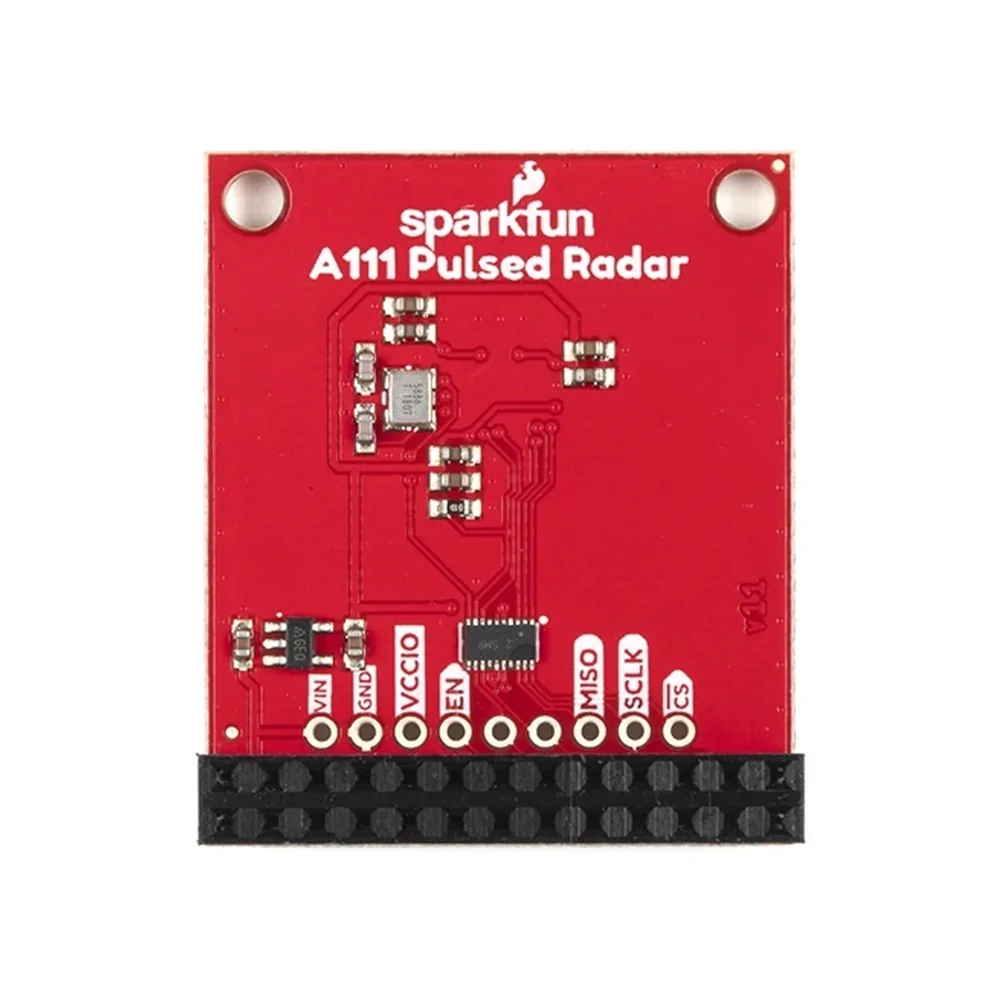
  • Onboard 1.8V regulator and 1.8V–5V logic level translation for broad compatibility.
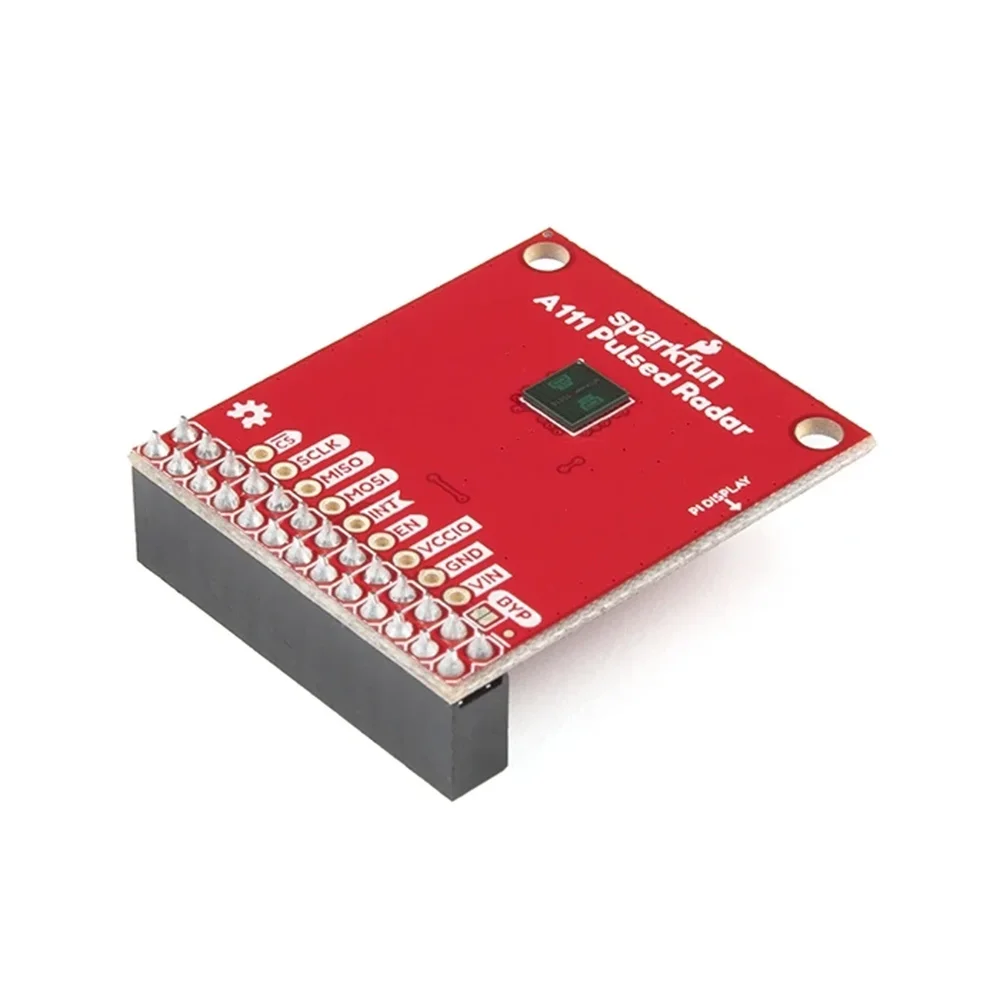
  • Raspberry Pi-friendly header layout for direct connection to Pi 3, 3B+, and 4.

Out of stock

Description

The SparkFun Pulsed Radar Breakout leverages the Acconeer A111 sensor, a 60 GHz Pulsed Coherent Radar (PCR) module that emits short, coherent radar pulses. This technology enables precise measurement of distance, speed, and material properties by analyzing the phase and time-of-flight of reflected signals. The sensor’s integrated antenna and advanced signal processing provide stable, high-resolution data even in challenging environmental conditions.

The breakout board simplifies integration by providing direct access to all SPI pins (SCK, MOSI, MISO, CS) and includes an onboard 1.8V low-dropout regulator to power the sensor core. A bidirectional logic level shifter ensures safe communication with host systems operating from 1.8V to 5V logic levels. The compact form factor and standard 0.1″ header spacing make it compatible with breadboards, Raspberry Pi HAT footprints, and custom PCBs.

Key Features

  • 60 GHz PCR Sensing: Utilizes Pulsed Coherent Radar technology for high-resolution distance, motion, speed, and material detection.
  • Millimeter Accuracy: Delivers sub-centimeter measurement precision, enabling detailed gesture recognition and presence sensing.
  • High-Speed SPI Interface: Supports communication at up to 50 MHz for real-time data acquisition and system responsiveness.
  • Integrated Power Management: Onboard 1.8V LDO regulator and wide-range logic level translation (1.8V–5V) ensure plug-and-play compatibility.
  • Optimized Form Factor: Compact 40 x 34 mm board with standard headers for rapid prototyping and integration into Raspberry Pi or microcontroller projects.
  • Robust Signal Integrity: Integrated antenna and controlled impedance design minimize noise and enhance measurement reliability.

Applications

  • Robotics proximity sensing and obstacle avoidance for autonomous navigation.
  • Touchless gesture recognition interfaces for smart home controls and interactive displays.
  • Precise presence detection and occupancy monitoring in security and automation systems.
  • Material classification and non-contact thickness measurement in industrial inspection.
  • Speed and motion tracking for sports analytics and biomechanical studies.

Technical Specifications

Sensor ModelAcconeer A111
Sensor TypePulsed Coherent Radar (PCR)
Radar Frequency60 GHz
AntennaIntegrated
Measurement DistanceUp to 2 m
Measurement AccuracyDown to mm-range
Communication InterfaceSPI
Maximum SPI Clock50 MHz
Logic Level Voltage1.8 V – 5 V
Onboard Regulator1.8 V LDO
Raspberry Pi CompatibilityRaspberry Pi 3, 3B+, 4
Detection CapabilitiesDistance, Gesture, Motion, Material, Speed
Dimensions (L x W x H)40 x 34 x 10 mm
Weight4 g

Frequently Asked Questions

What is the operating voltage range for the SPI communication lines on this breakout?

The breakout includes a bidirectional logic level translator, allowing the SPI lines (SCK, MOSI, MISO, CS) to safely interface with host microcontrollers or single-board computers operating at logic levels from 1.8V to 5V. The sensor core itself is powered by the onboard 1.8V regulator.

Can this radar sensor detect motion through materials like plastic or glass?

Yes, the 60 GHz radar signal can penetrate non-conductive materials such as thin plastics, glass, and fabrics, enabling concealed sensing applications. However, signal attenuation and reflection characteristics will vary with material thickness and composition, which may affect detection range and accuracy.

How do I interface this breakout with a Raspberry Pi?

Connect the breakout's SPI pins (SCK, MOSI, MISO, CS) to the corresponding GPIO pins on the Raspberry Pi (e.g., Pi 3/4). Ensure the Pi's SPI interface is enabled via `raspi-config`. The board's 1.8V–5V level translation makes it directly compatible with the Pi's 3.3V logic. Power the board from the Pi's 5V or 3.3V pin, respecting the input voltage requirements.

What is the difference between Pulsed Coherent Radar (PCR) and standard ultrasonic or IR sensors?

PCR uses coherent, short radio pulses at 60 GHz, providing superior accuracy (mm-range), immunity to ambient light and acoustic noise, and the ability to measure speed and material properties. Unlike ultrasonic sensors, it is not affected by air temperature or humidity, and unlike IR sensors, it works reliably in varying lighting conditions and can detect through some non-metallic barriers.

Package Includes

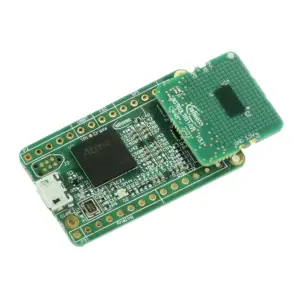
  • 1 x SparkFun Pulsed Radar Breakout - A111 (SEN-16826)

Additional Information

Weight 0.004 kg
Dimensions 4 × 3.4 × 1 cm