SKU: IOWC-1132
📋 GST Invoice Available

SparkFun LTE Stick LARA-R6 LTE Cat 1 Module w/ Dual SMA

₹13,749.00 (Inclusive of all taxes)
Out of Stock

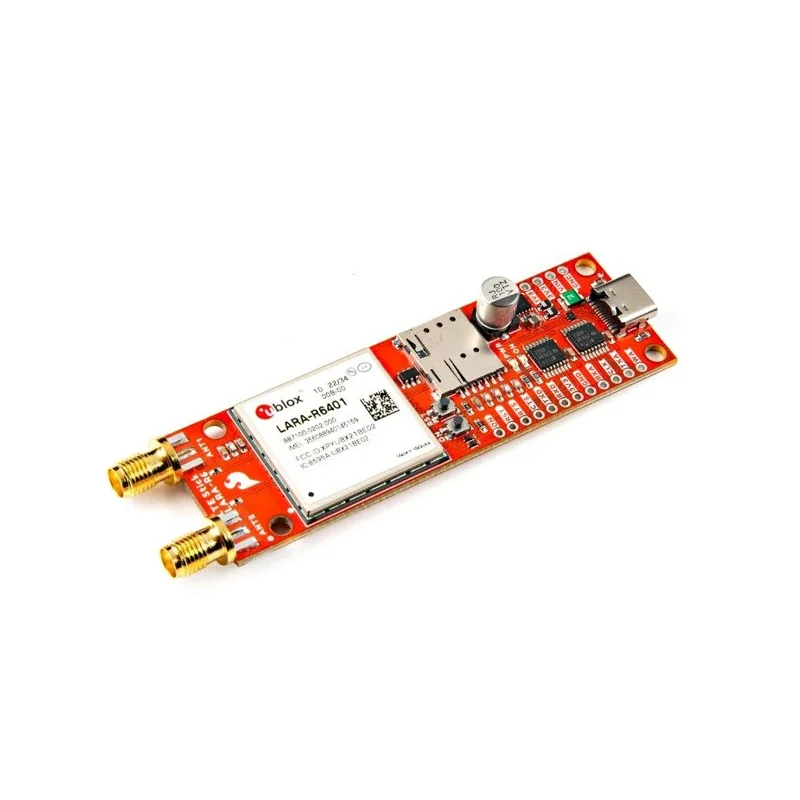
The SparkFun LTE Stick is a development platform built around the u-blox LARA-R6 LTE Cat 1 module, providing North American LTE connectivity for IoT projects. It is powered via USB-C and supports AT commands over UART for integration with Arduino, Raspberry Pi, or other microcontrollers.

Features

  • LARA-R6401 LTE Cat 1 module supports North American bands 2, 4, 5, 12, 13, 14, 66, and 71 for compatibility with AT&T, Verizon, T-Mobile, and FirstNet.
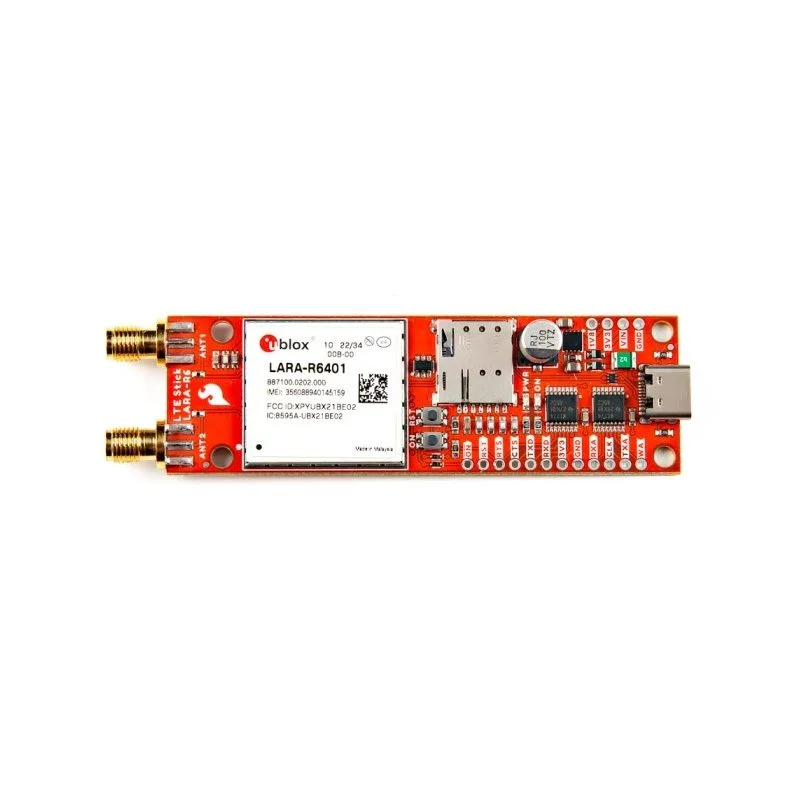
  • Dual SMA antenna connectors for primary (Tx/Rx) and secondary (Rx only) antennas to optimize signal reception and transmission.
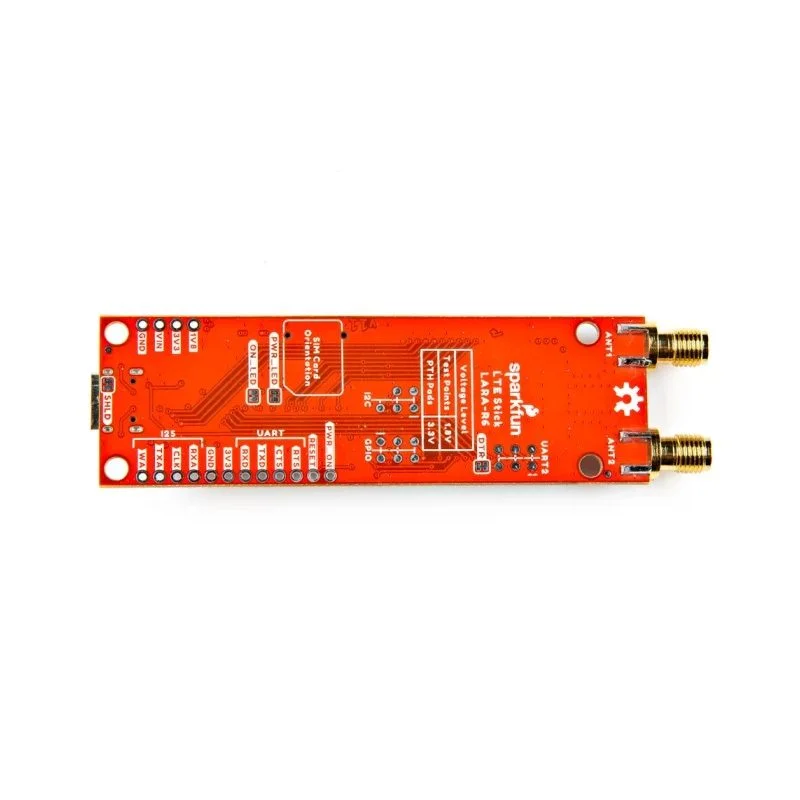
  • Multiple peripheral interfaces including 2x UART, I2C, I2S, and 9 GPIO pins for easy sensor and device integration.
  • Integrated nanoSIM card slot for carrier network access, supporting data and voice functionality.
  • USB-C power input with optional 6V VIN pin, designed for breadboard-friendly prototyping with through-hole headers.

Out of stock

Description

The SparkFun LTE Stick – LARA-R6 is a dedicated development board for the u-blox LARA-R6 series LTE Cat 1 cellular module. It provides a robust, carrier-certified solution for adding LTE-M and NB-IoT connectivity to IoT prototypes and embedded systems targeting the North American market. The board simplifies integration by breaking out the module’s complex RF and control interfaces into standard, breadboard-compatible headers.

Engineered for reliable operation, the platform includes dual SMA antenna ports for diversity reception, enhancing link reliability in challenging RF environments. It supports advanced cellular features like uFOTA for secure firmware updates over-the-air, secure boot, and built-in jamming detection. Power can be supplied via the onboard USB-C connector or through a 6V maximum input pin, making it adaptable for both USB-powered and standalone battery-operated deployments.

Key Features

  • Features the u-blox LARA-R6401 LTE Cat 1 module with support for LTE bands 2, 4, 5, 12, 13, 14, 66, and 71.
  • Provides comprehensive connectivity with dual UARTs (for AT commands and debug), I2C, I2S, and 9 configurable GPIO pins.
  • Includes dedicated primary and secondary SMA antenna connectors for optimized RF performance and reception diversity.
  • Integrated nanoSIM card slot with detection circuitry for reliable network registration and management.
  • Powered via USB-C connector with wide input voltage range, supporting in-field firmware updates.
  • Designed with through-hole headers for easy prototyping on a breadboard without requiring soldering.
  • Exposes test points for I2C, secondary UART, and GPIO signals for advanced debugging and monitoring.
  • Supports carrier-approved LTE data and voice services, enabling applications from telemetry to two-way communication.

Applications

  • Remote IoT telemetry and sensor data logging for industrial monitoring and smart agriculture.
  • Asset tracking and fleet management systems requiring reliable cellular connectivity.
  • Smart city infrastructure such as environmental monitoring stations and utility metering.
  • Prototyping connected products for the North American market with carrier certification.
  • Battery-powered field devices leveraging LTE-M's low-power capabilities for long-term deployment.

Technical Specifications

Cellular Moduleu-blox LARA-R6401 LTE Cat 1
Supported NetworksLTE-M, NB-IoT (Bands 2, 4, 5, 12, 13, 14, 66, 71)
Carrier CompatibilityAT&T, Verizon, T-Mobile, FirstNet
Interfaces2x UART, I2C, I2S, 9x GPIO
SIM SlotNanoSIM
Antenna Connectors2x SMA (Primary Tx/Rx, Secondary Rx)
Power SupplyUSB-C or VIN Pin (6V Max)
DimensionsApprox. 80mm x 50mm x 10mm (est.)

Frequently Asked Questions

How do I communicate with the LARA-R6 module on this board?

Communicate using AT commands via the primary UART interface. Connect the board's TX/RX pins to your microcontroller's UART, set the baud rate typically to 115200, and send standard u-blox AT commands to configure the module, register on the network, and send/receive data. The secondary UART is available for debugging or connecting to another serial device.

What antennas are required and how are they connected?

You need two LTE antennas with SMA connectors. Connect the main antenna to the primary SMA port for transmit and receive functions. Connect a second antenna to the secondary SMA port for receive diversity, which can improve signal strength and reliability. Ensure the antennas are tuned to the LTE bands supported by the module (e.g., 700MHz, 1900MHz) for optimal performance.

What power supply is needed and what is the typical operating current?

Power the board via the USB-C port (5V) or the VIN pin (3.6V to 6V). During active LTE transmission, current draw can peak over 500mA, so ensure your USB source or battery can supply sufficient current. During idle or sleep modes configured via AT commands, current consumption drops significantly, which is crucial for battery-operated IoT deployments.

How do I insert and configure the SIM card for network access?

Insert an activated nanoSIM card from a compatible carrier (AT&T, Verizon, etc.) into the slot on the board. Use AT commands like AT+CPIN to check PIN status and AT+COPS to select the network. The board includes SIM detection circuitry. Ensure your SIM plan supports LTE-M or NB-IoT data on the specific bands the LARA-R6 module uses.

Package Includes

  • 1 x SparkFun LTE Stick - LARA-R6 Development Board

Additional Information

Weight 0.05 kg
Dimensions 5 × 8 × 1 cm