SKU: IOWC-1291
📋 GST Invoice Available

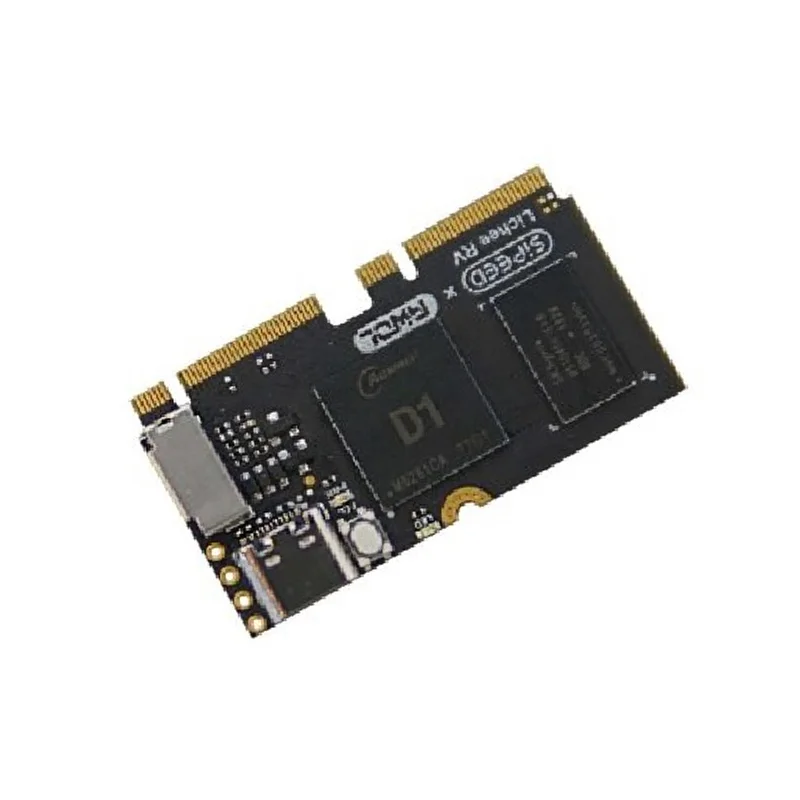
Sipeed Lichee RV-Nezha CM Compute Module Allwinner D1 512MB DDR3

₹1,789.00 (Inclusive of all taxes)
Out of Stock

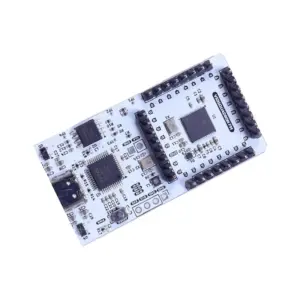
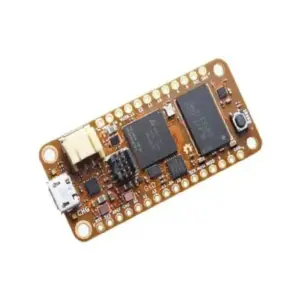
The Sipeed Lichee RV-Nezha CM is a modular compute module powered by the Allwinner D1 RISC-V processor (T-Head XuanTie C906 core) with 512MB DDR3 RAM, designed for embedded Linux and RTOS development on Tina Linux, Debian, and YoC platforms.

Features

  • Allwinner D1 RISC-V SoC with T-Head XuanTie C906 core delivers efficient performance for embedded Linux applications.
  • 512MB of 16-bit DDR3 RAM ensures smooth multitasking and responsive operation in compute-intensive IoT nodes.
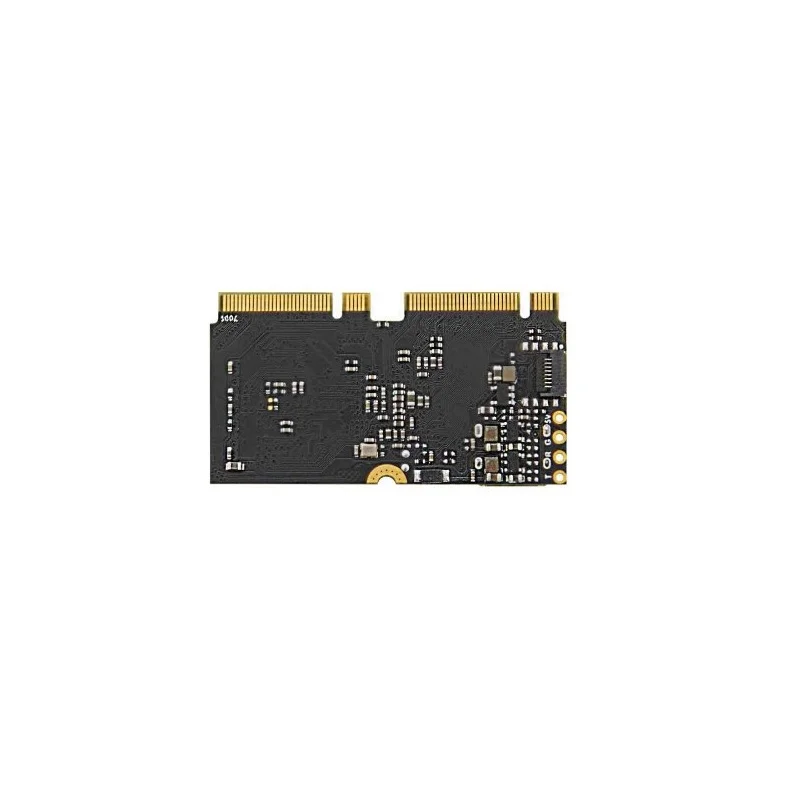
  • Modular M.2 B-key 67-pin connectors route all I/O for flexible system integration and easy board replacement.
  • Boots from TF card or SD-NAND, offering flexible storage and system configuration options for prototyping.
  • Rich I/O includes MIPI DSI, RGB888, I80, SPI screen interfaces, audio codec, Ethernet RMII/RGMII, and USB Type-C.

Out of stock

Description

The Lichee RV-Nezha CM is a highly adaptable compute module engineered for embedded systems and IoT applications requiring a balance of processing power and I/O flexibility. Its core is the Allwinner D1 chip, featuring the T-Head XuanTie C906 64-bit RISC-V core, paired with 512MB of DDR3 memory to handle multitasking and application workloads efficiently on supported operating systems like Tina Linux (OpenWRT-based), Debian, and the real-time YoC RTOS.

The module’s design centers on two M.2 B-key 67-pin connectors that efficiently route all general-purpose I/O, display interfaces (4-lane MIPI DSI, RGB888, I80, and SPI), audio interfaces (HPOUT, LINEIN, I2S, DMIC), and network interfaces (RMII/RGMII for Ethernet). This modular approach simplifies integration into custom carrier boards and enables easy upgrades or replacements. Power is supplied via USB Type-C, and the onboard TF card slot provides primary boot and storage media, making it a versatile foundation for prototyping, industrial control systems, and edge computing nodes.

Key Features

  • Modular compute module with Allwinner D1 RISC-V processor for embedded Linux and RTOS development.
  • 512MB DDR3 RAM supports smooth operation of applications and services on Tina Linux, Debian, or YoC RTOS.
  • Dual M.2 B-key 67-pin connectors provide comprehensive I/O routing for easy integration with custom carrier boards.
  • Multiple display interfaces: 4-lane MIPI DSI, RGB888 (partially multiplexed), I80 for MCU screens, and 8-pin SPI for small displays.
  • Comprehensive audio subsystem includes analog headphone output, line input, I2S/SPDIF digital audio, and digital/analog microphone inputs.
  • Flexible boot options from TF card or SD-NAND storage for adaptable system configuration and deployment.
  • Ethernet support via RMII/RGMII interfaces enables wired network connectivity for industrial IoT gateways.
  • USB Type-C port provides power delivery and potential data connectivity for peripheral attachment.

Applications

  • Embedded Linux development boards and prototyping platforms for RISC-V based applications.
  • Industrial IoT gateways requiring Ethernet connectivity and modular compute architecture.
  • Edge computing nodes for data processing, vision applications, or network services.
  • Digital signage and interactive display controllers leveraging MIPI DSI or RGB interfaces.
  • Audio processing and voice interface platforms utilizing the integrated audio codec and microphone inputs.

Technical Specifications

Processor/SoCAllwinner D1 (T-Head XuanTie C906 RISC-V Core)
RAM512MB 16-bit DDR3
StorageOnboard TF card slot, SD-NAND support
Ethernet InterfaceRMII/RGMII
USB InterfaceUSB Type-C (Power & Data)
Display Interfaces4-lane MIPI DSI, RGB888, I80, 8-pin SPI
Audio InterfacesHPOUT, LINEIN, I2S/SPDIF, MIC3, DMIC
Primary Connector2x M.2 B-key 67-pin
Supported OS/FrameworkTina Linux (OpenWRT), Debian, YoC RTOS
Programming LanguagesC/C++, Python, Golang
PCB Layers4

Frequently Asked Questions

What operating systems are supported on the Lichee RV-Nezha CM?

The module officially supports Tina Linux (based on OpenWRT 14.07), Debian, and the real-time YoC RTOS. You can boot these systems from a configured TF card or SD-NAND storage. The Allwinner D1's RISC-V architecture requires specific toolchain and kernel builds, which are provided by the Sipeed and open-source communities for these distributions.

How do I connect peripherals and power to this compute module?

Power is supplied via the onboard USB Type-C port. All other I/O—including GPIO, display interfaces (MIPI DSI, RGB, SPI), audio lines, and Ethernet signals—are routed through the two M.2 B-key 67-pin connectors on the bottom. You need a compatible carrier board or adapter that mates with these connectors to access the signals. The module is secured to the carrier board with an M2 screw.

Can I use the onboard display interfaces simultaneously?

The RGB888 interface is partially multiplexed with the MIPI DSI lanes, meaning they share some physical pins. Therefore, you cannot use both the full RGB888 and the 4-lane MIPI DSI interface at the same time. However, the I80 interface for MCU screens and the separate 8-pin SPI screen interface are independent and can be used concurrently with a configured primary display, depending on software driver support.

What is the purpose of the FEL key on the module?

The FEL key is used to force the Allwinner D1 chip into USB bootloader (FEL) mode for initial firmware flashing or recovery. By holding this button down while applying power via USB Type-C, the chip enters this mode, allowing you to use tools like 'sunxi-fel' to upload a new bootloader or system image directly to the device's memory, bypassing the normal boot media.

Package Includes

  • 1 x Sipeed Lichee RV-Nezha CM Compute Module with 512MB DDR3 RAM

Additional Information

Weight 0.01 kg
Dimensions 7 × 10 × 3 cm