SKU: IOWC-0852
📋 GST Invoice Available

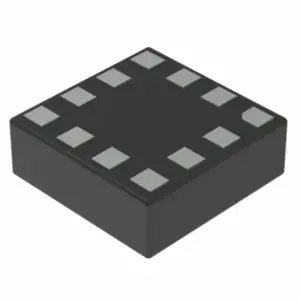
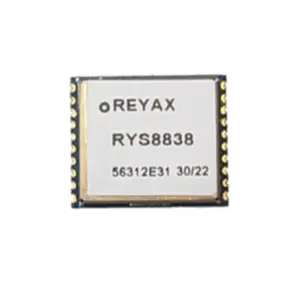
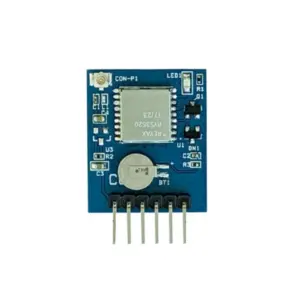
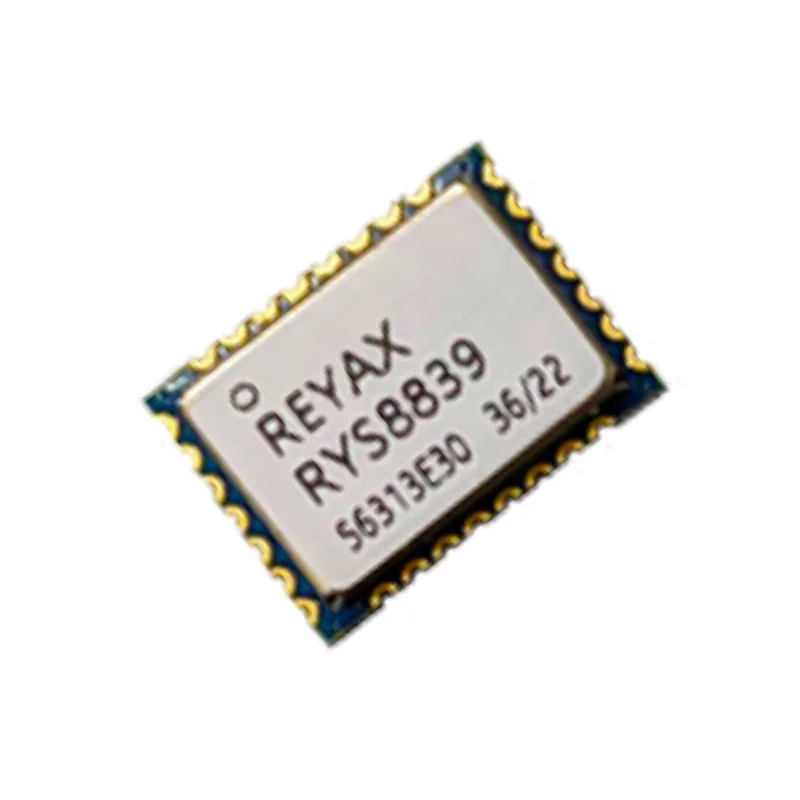
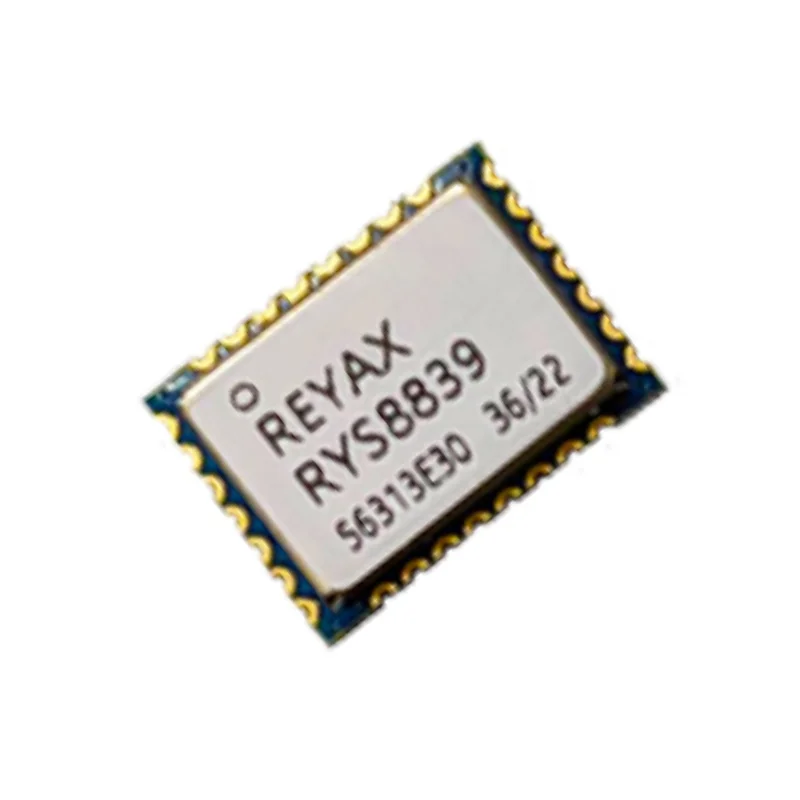
Reyax RYS8839 Ultra-Low Power L1 L5 Dual-Band GNSS Module

₹1,589.00 (Inclusive of all taxes)
Out of Stock

The Reyax RYS8839 is an ultra-low power GNSS module featuring L1/L5 dual-band reception and multi-constellation support for high-precision positioning. It integrates digital noise filters for robust operation alongside other radio systems, making it ideal for power-sensitive IoT tracking applications.

Features

  • Ultra-low power consumption with only 2mA idle current for extended battery life in IoT devices.
  • L1/L5 dual-band GNSS receiver supporting GPS, GLONASS, BeiDou, Galileo, QZSS, NavIC, and SBAS for global, high-accuracy positioning.
  • Integrated digital noise filters and spectrum analyzer ensure reliable performance in RF-noisy environments.
  • Powered by the Sony CXD5610GF GNSS engine for superior signal acquisition and tracking sensitivity.
  • Compact form factor and wide operating temperature range (-40°C to 85°C) for harsh environmental deployments.

Out of stock

Description

The Reyax RYS8839 GNSS module is engineered for precision location tracking in power-constrained IoT and M2M applications. Its core is the advanced Sony CXD5610GF receiver, which enables simultaneous tracking of L1 and L5 signals across all major global navigation satellite systems. This dual-band capability significantly improves accuracy by mitigating ionospheric errors, providing submeter-level positioning performance.

Designed with coexistence in mind, the module features embedded digital noise filters and a spectrum analyzer. This allows it to operate reliably alongside other wireless transceivers like cellular, Wi-Fi, or LoRa modules without significant interference. Its ultra-low 2mA idle current and +1.8V core voltage make it a prime choice for battery-powered asset trackers, wearable devices, and remote telemetry units requiring long-term operation without frequent recharge cycles.

Key Features

  • Ultra-Low Power Operation: Minimal 2mA idle current maximizes battery life for portable and solar-powered tracking solutions.
  • Multi-Constellation, Dual-Band Support: Tracks L1 and L5 signals from GPS, GLONASS, BeiDou, Galileo, QZSS, NavIC, and SBAS for unparalleled global coverage and accuracy.
  • Enhanced RF Coexistence: Integrated digital noise filters and an on-chip spectrum analyzer suppress interference from collocated wireless systems.
  • High-Performance GNSS Engine: Utilizes the Sony CXD5610GF chipset for fast Time-To-First-Fix (TTFF) and high tracking sensitivity in weak signal areas.
  • Industrial-Grade Robustness: Operates reliably across an extended temperature range from -40°C to 85°C, suitable for outdoor and automotive environments.
  • Simple Serial Interface: Default 115200 bps UART output (NMEA protocol) for easy integration with microcontrollers like ESP32, STM32, or Raspberry Pi.

Applications

  • Precision Asset Tracking & Fleet Management for logistics and supply chain.
  • Battery-Powered Personal Wearables and Sports/Activity Monitors.
  • Agricultural Telemetry and Autonomous Vehicle Guidance Systems.
  • IoT Environmental Monitoring Stations requiring geotagged data logging.
  • Maritime Navigation Aids and Drone/UAV Positioning Systems.

Technical Specifications

ModelRYS8839
GNSS EngineSony CXD5610GF
Supported ConstellationsGPS(L1C/A,L5), GLONASS(L1OF), BeiDou(B1I, B1C, B2a), Galileo(E1, E5a), QZSS(L1C/A, L1S, L1C/B, L5), NavIC(L5), SBAS(L1)
Frequency BandsL1 (1575.42 MHz), L5 (1176.45 MHz)
Default Baud Rate115200 bps
Idle Current2 mA
Operating Voltage+1.8V (Core), Typical VCC 3.3V
Operating Temperature-40°C to +85°C
InterfaceUART (NMEA Protocol)
Key FeatureIntegrated Digital Noise Filters & Spectrum Analyzer

Frequently Asked Questions

What microcontrollers is the RYS8839 module compatible with, and how do I interface it?

The RYS8839 module communicates via a standard 3.3V UART interface using NMEA 0183 protocol at a default baud rate of 115200 bps. It is directly compatible with popular MCUs like the ESP32, STM32, Raspberry Pi Pico, and Arduino boards. Connect the module's TX pin to your MCU's RX pin and its RX pin to your MCU's TX pin, ensuring a common ground. Power the module with a stable 3.3V supply, noting its core runs at 1.8V internally.

How does the dual-band L1/L5 feature improve positioning accuracy compared to single-band modules?

Dual-band L1/L5 reception significantly enhances accuracy by allowing the receiver to measure and correct for ionospheric delay, a major source of error in GNSS signals. The L5 signal, being newer and at a different frequency, is less susceptible to interference and provides improved signal integrity. By processing both bands, the RYS8839 can achieve submeter-level positioning accuracy, a substantial improvement over the several-meter error typical of consumer-grade, L1-only GPS modules, especially in challenging urban or foliage-dense environments.

What is the procedure for configuring the module's baud rate or output message format?

The RYS8839's parameters, including baud rate, NMEA message output selection, and update rate, are configurable via proprietary UART commands sent from the host microcontroller. You must send specific command strings as detailed in the Reyax protocol documentation. Typically, you would send a configuration command, wait for the module's acknowledgment, and then save the settings to non-volatile memory. Always ensure the host MCU's serial port is set to the current baud rate (default 115200) before attempting configuration to establish communication.

Package Includes

  • 1 x Reyax RYS8839 Ultra-Low Power L1 L5 Dual-Band GNSS Module

Additional Information

Weight 0.01 kg
Dimensions 5 × 3 × 3 cm