SKU: IOWC-0938
📋 GST Invoice Available

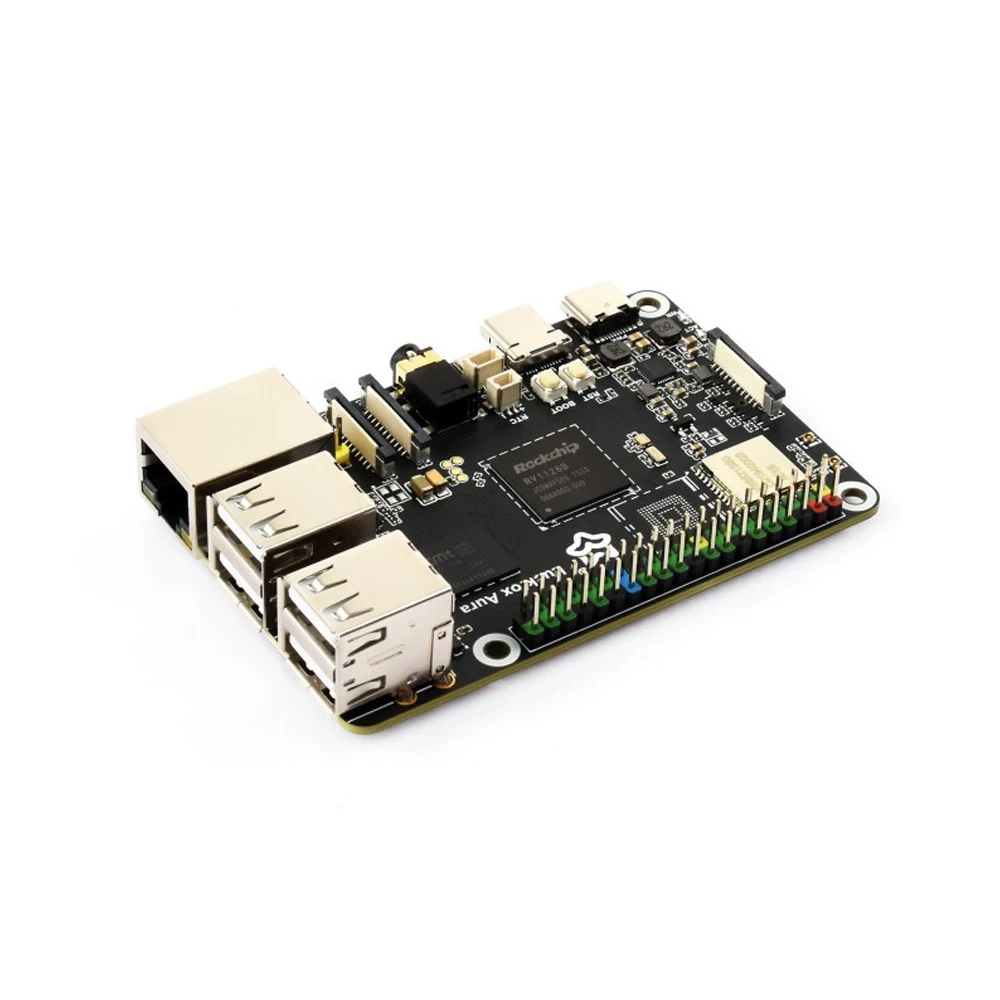
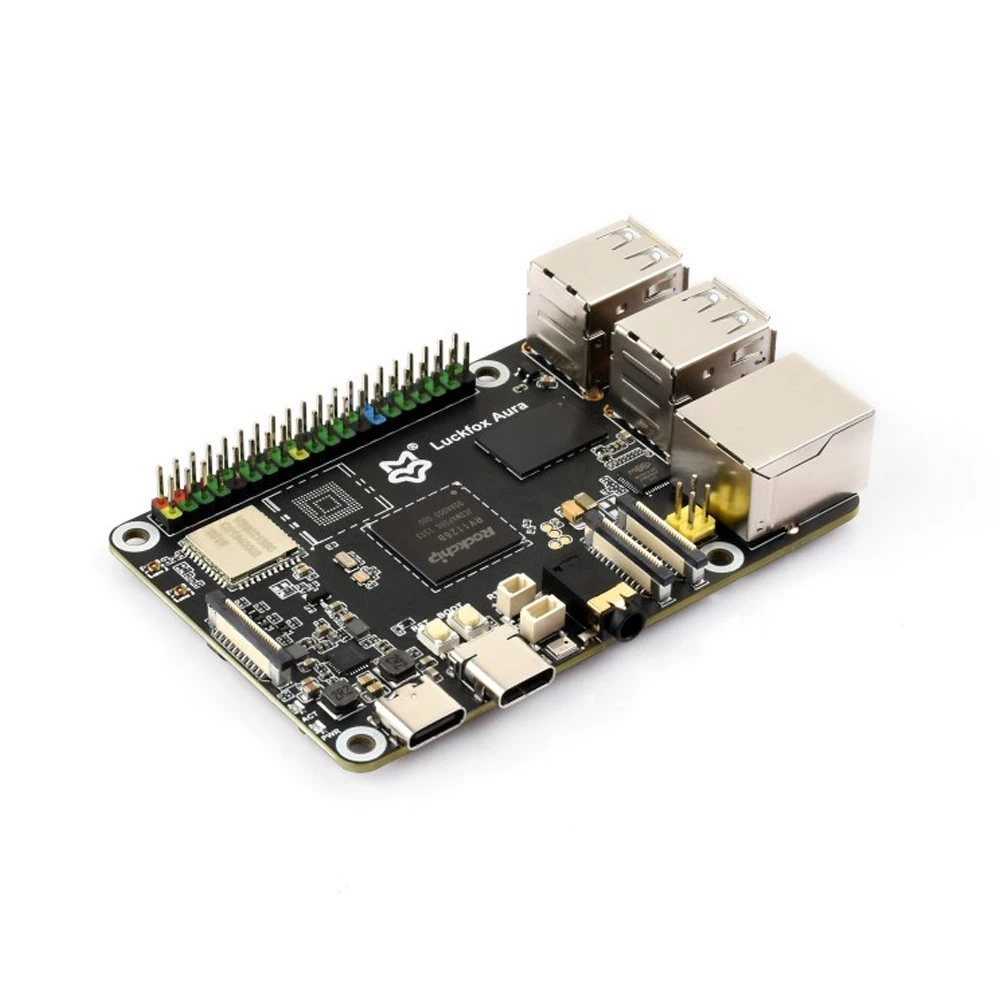
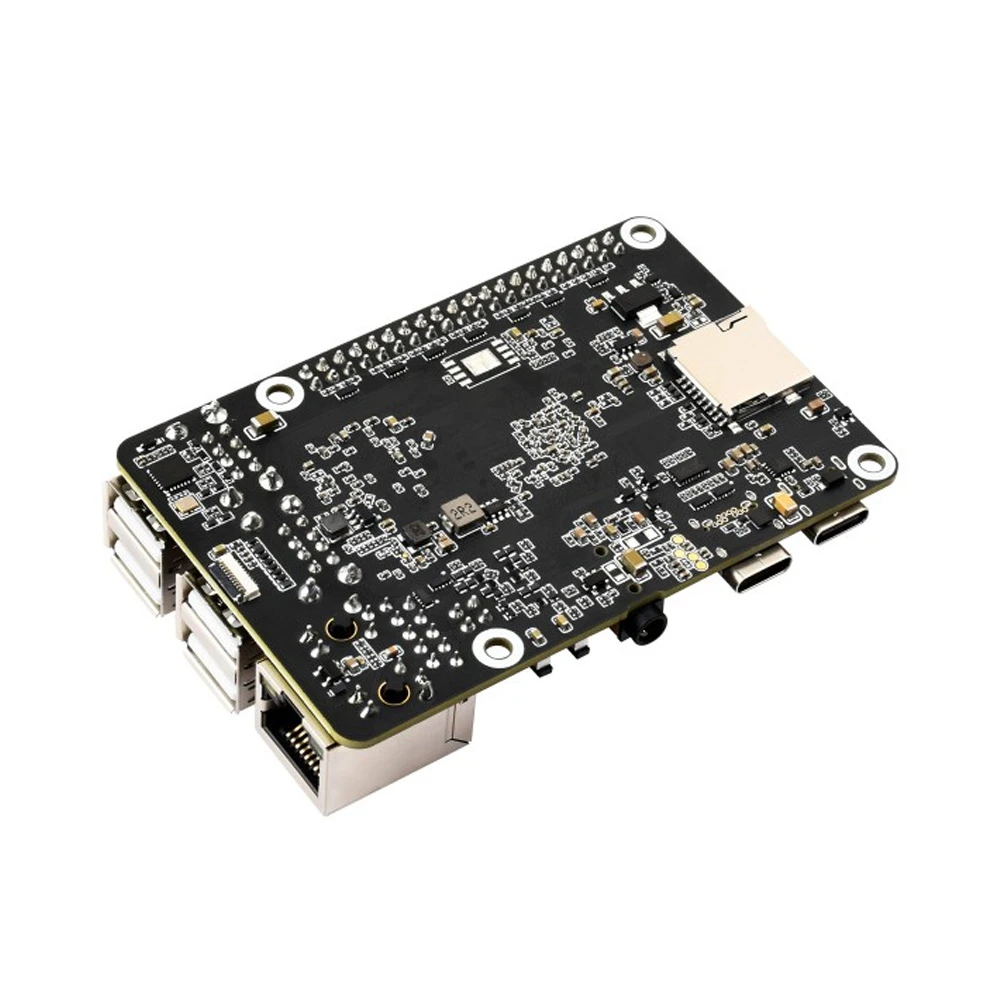
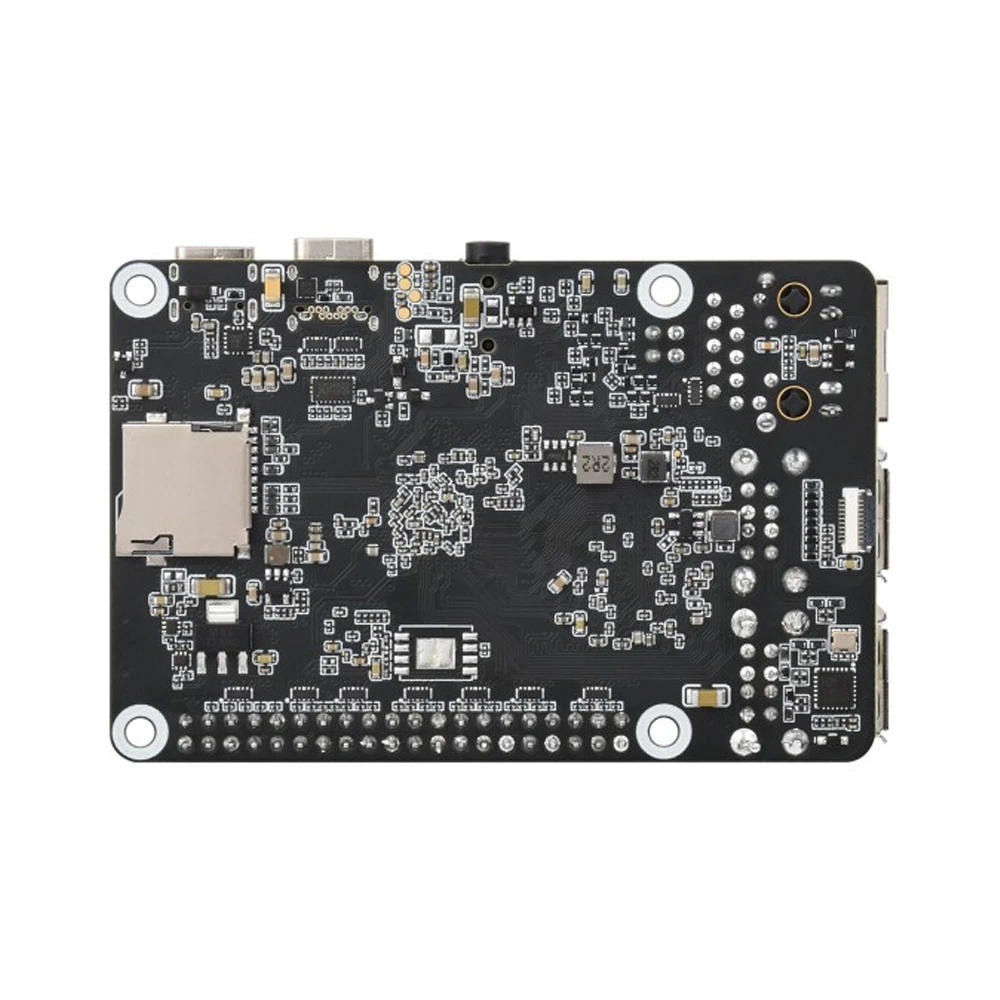
Luckfox Aura Linux Development Board, Quad-Core A53, 4GB RAM, No eMMC

₹15,219.00 (Inclusive of all taxes)
Out of Stock

The Luckfox Aura is a high-performance Linux development board powered by a quad-core Arm Cortex-A53 processor and 4GB LPDDR4X RAM, featuring a 3 TOPS NPU for AI acceleration. It supports Debian and Buildroot systems and is engineered for AIoT, robotics, and embedded vision applications with dual MIPI CSI inputs and 4K video processing.

Features

  • Quad-Core Cortex-A53 & 4GB RAM: Delivers 1.6GHz processing power and high-speed LPDDR4X memory for smooth multitasking in demanding embedded Linux applications.
  • 3 TOPS NPU for AI Acceleration: Integrated Neural Processing Unit enables efficient real-time inference for on-device computer vision, object detection, and smart analytics.
  • Dual MIPI CSI & 4K Video Codec: Supports dual camera inputs with a 12MP ISP and provides 4K@30fps H.264/H.265 hardware encode/decode for multimedia and vision projects.
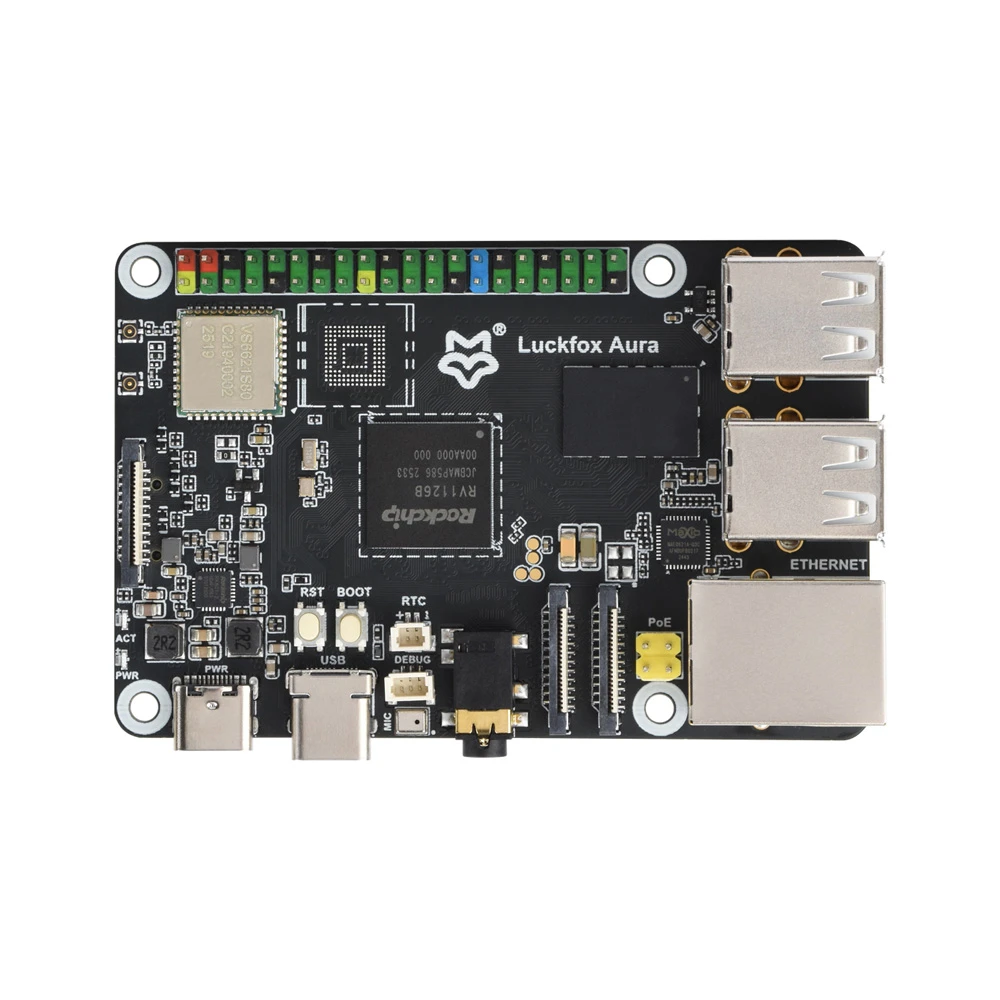
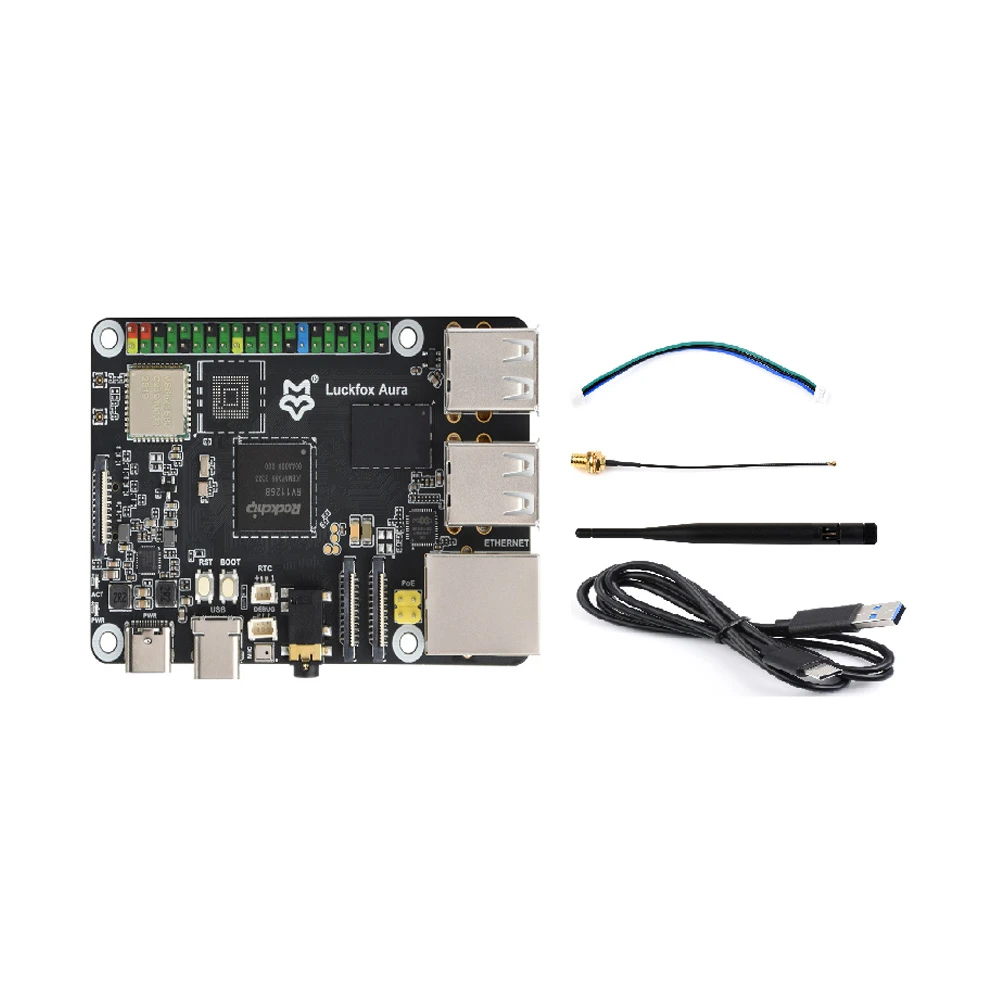
  • Rich I/O & Expansion: Features a 40-pin Raspberry Pi-compatible GPIO header, USB 3.0 Type-C, four USB 2.0 ports, and a TF card slot for extensive peripheral connectivity.
  • Flexible Linux OS Support: Runs Debian or Buildroot distributions, offering a full-featured development environment for prototyping and deploying complex AIoT solutions.

Out of stock

Description

The Luckfox Aura Development Board is a compact, high-performance platform built around a quad-core Arm Cortex-A53 processor clocked at 1.6GHz, paired with 4GB of LPDDR4X RAM for responsive operation in embedded Linux environments. Its integrated 3 TOPS NPU provides dedicated hardware acceleration for machine learning workloads, making it suitable for edge AI applications like image recognition and sensor fusion without relying on cloud processing.

Designed for multimedia and vision-based development, the board includes a dual MIPI CSI interface supporting up to 12MP cameras and a powerful ISP with HDR and noise reduction. It outputs video via MIPI DSI at 1080p60 and handles 4K video encoding and decoding in hardware. The extensive connectivity suite, including USB 3.0, multiple USB 2.0 ports, and a 40-pin GPIO header, allows for seamless integration with sensors, displays, and custom peripherals, catering to advanced projects in robotics, industrial automation, and smart vision systems.

Key Features

  • High-Performance Compute Core: Quad-core Arm Cortex-A53 CPU provides efficient processing for complex embedded applications and multitasking.
  • Dedicated AI Acceleration: Onboard 3 TOPS NPU (INT8) accelerates neural network inference for real-time computer vision and TinyML workloads.
  • Advanced Vision Pipeline: Dual MIPI CSI inputs coupled with a 12MP Image Signal Processor (ISP) enable high-quality camera feeds with HDR, 3A, and noise reduction.
  • 4K Multimedia Engine: Hardware video codec supports 4K@30fps H.264/H.265 encode and decode for streaming, recording, and video analytics applications.
  • Comprehensive Development Platform: Supports mainstream Linux distributions (Debian, Buildroot) and offers extensive I/O including USB 3.0, GPIO, and audio interfaces.
  • Raspberry Pi-Compatible Expansion: 40-pin GPIO header allows reuse of existing HATs and shields, speeding up prototyping and system integration.
  • Flexible Boot & Storage: Boots from microSD card (TF slot) with no onboard eMMC, simplifying OS image updates and storage management.
  • Compact Industrial Design: Robust form factor (87x56mm) is suitable for integration into final products, prototypes, and embedded enclosures.

Applications

  • Edge AI & Computer Vision: Deploy on-device object detection, facial recognition, and industrial inspection systems leveraging the NPU and dual camera inputs.
  • AIoT Gateways & Hubs: Serve as a central processing node in smart home, retail analytics, or agricultural monitoring networks, aggregating sensor data.
  • Robotics & Autonomous Platforms: Power perception, navigation, and decision-making stacks in educational, hobbyist, or professional robotic projects.
  • Multimedia & Digital Signage: Drive 4K video playback, interactive displays, or video conferencing endpoints with hardware-accelerated codecs.
  • Embedded Linux Prototyping: Develop and test complex applications for industrial control, telemetry, or custom embedded systems with full Linux capabilities.

Technical Specifications

ProcessorQuad-core Arm Cortex-A53 @ 1.6GHz
RAM4GB LPDDR4X
Flash MemoryNo eMMC (Boots from TF card)
NPU3 TOPS @ INT8
ISP & Camera Support12MP, HDR, 3A, LSC, 3DNR, 2DNR; Dual MIPI CSI Input
Video Codec4K@30fps encode/decode (H.264/H.265)
Display OutputMIPI DSI (1920x1080@60fps)
Storage InterfaceTF Card Slot
USB Ports1x USB 3.0 Type-C, 4x USB 2.0
AudioMic Input, 3.5mm Jack Output
GPIO & Expansion40-pin header (Raspberry Pi compatible)
Other InterfacesRTC Battery Header, 7x SARADC
Operating SystemBuildroot, Debian
Supply Voltage5V DC
Dimensions87 x 56 mm
Weight155g

Frequently Asked Questions

What operating systems are supported on the Luckfox Aura board?

The Luckfox Aura officially supports Buildroot and Debian Linux distributions. You can download pre-built images from the manufacturer's wiki or community repositories. The board boots from a microSD card, allowing you to easily flash different OS images for development, testing, or deployment in your embedded AI or vision application.

How do I connect cameras and displays to the development board?

Connect up to two cameras via the dual MIPI CSI interfaces, supporting sensors up to 12MP. For display output, use the MIPI DSI connector for screens up to 1080p at 60Hz. Ensure you use compatible FPC cables and configure the device tree or media pipeline in Linux to enable the camera ISP and display driver for your specific peripheral modules.

What is the power supply requirement and how do I power the board?

The board requires a stable 5V DC power supply, typically provided via the USB Type-C port. Ensure your power adapter or source can deliver sufficient current for peak loads, especially when driving multiple USB peripherals and the CPU/NPU at full performance. Avoid using under-rated cables or sources to prevent voltage drops and instability during operation.

Can I use the NPU for custom neural network models, and which frameworks are supported?

Yes, the integrated 3 TOPS NPU can accelerate custom models. You typically need to convert your trained model (from TensorFlow, PyTorch, etc.) to a supported format like ONNX or a proprietary runtime using the vendor's SDK. The process involves quantization, model compilation, and deployment via C/C++ or Python APIs on the board for real-time inference in edge applications.

How do I access the GPIO pins and what is their voltage level?

Access the 40-pin GPIO header, which is Raspberry Pi compatible in pinout. The GPIO voltage level is 3.3V. Use standard Linux sysfs interface, libgpiod, or Python libraries like Raspberry Pi.GPIO (with adaptation) for control. Be cautious not to apply voltages above 3.3V to avoid damaging the SoC. The header also provides I2C, SPI, UART, and PWM interfaces for sensor expansion.

Package Includes

  • 1 x Luckfox Aura Linux Development Board (4GB RAM, No eMMC)
  • 2 x SH1.0 3PIN Cable (~100mm)
  • 2 x IPEX 4 to SMA Cable
  • 2 x 6dBi Antenna (~17cm)
  • 1 x USB Type-A to Type-C Cable (~1m)

Additional Information

Weight 0.155 kg
Dimensions 5.6 × 8.7 cm