SKU: IOWC-1023
📋 GST Invoice Available

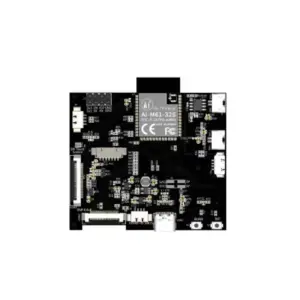
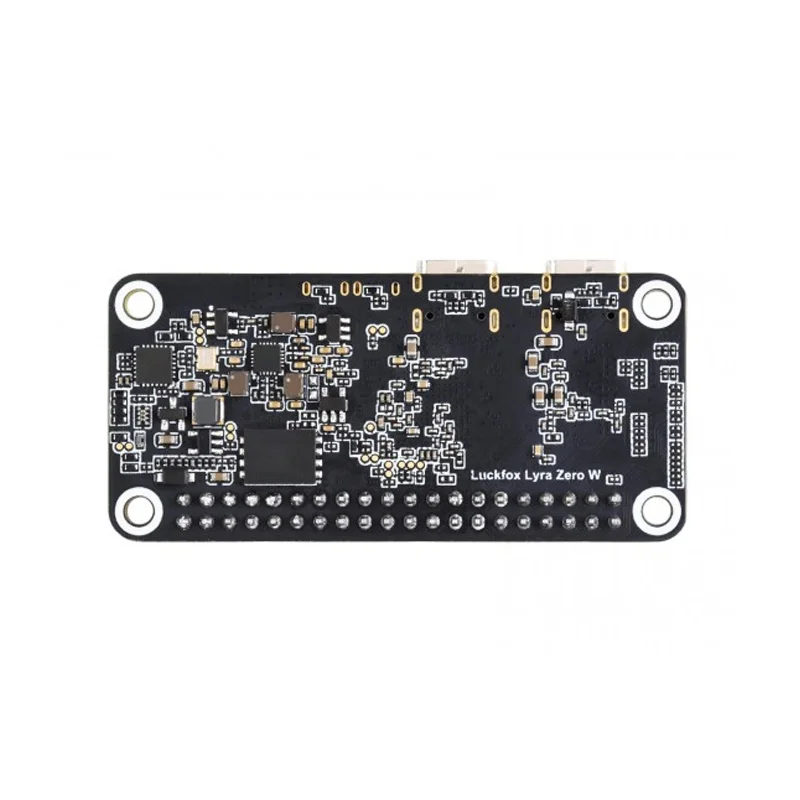
Luckfox Lyra Zero W Micro Linux Board w/ RK3506B, Wi-Fi 6, BT 5.2

₹3,909.00 (Inclusive of all taxes)
Out of Stock

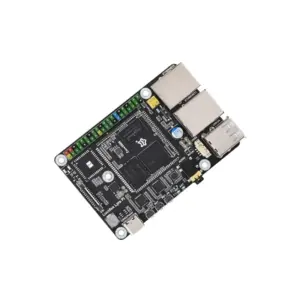
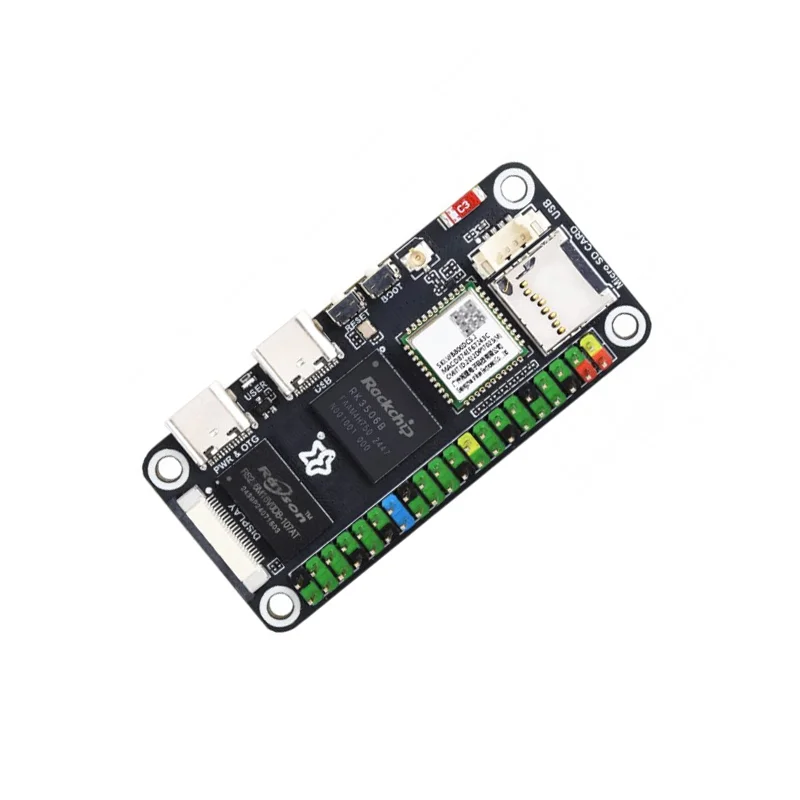
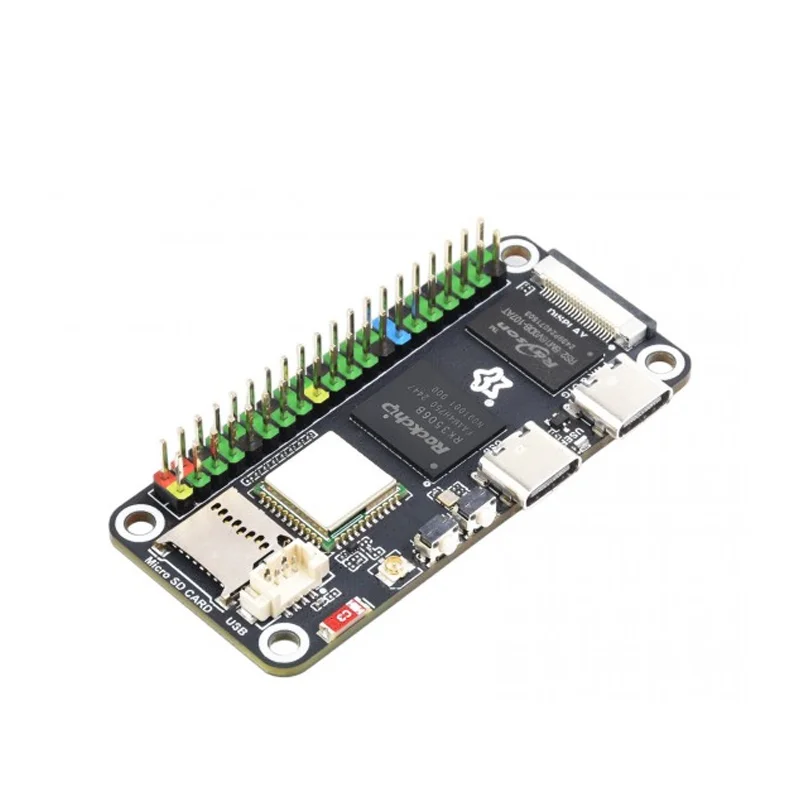
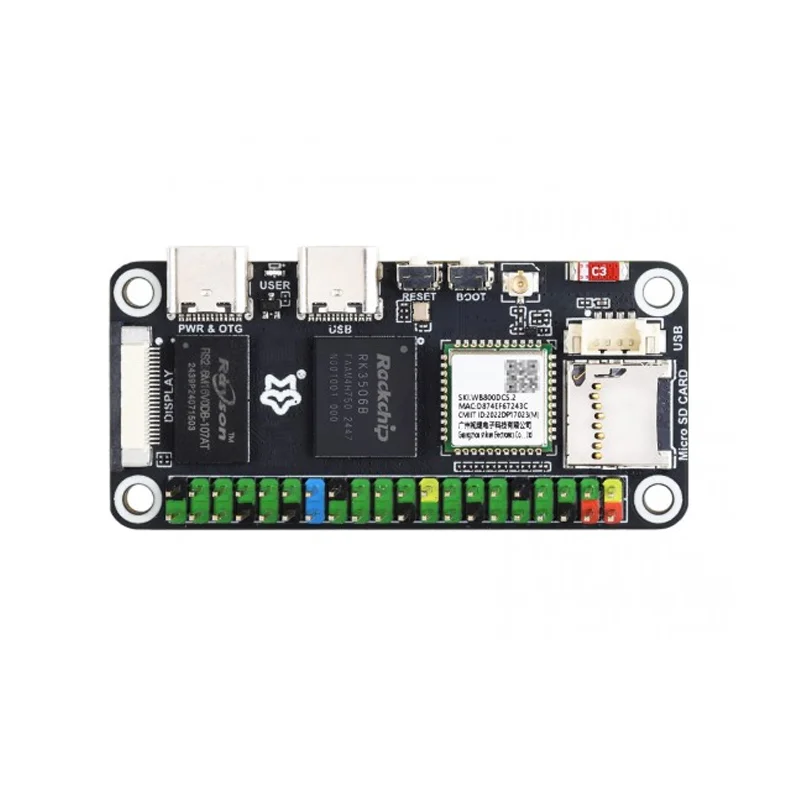
The Luckfox Lyra Zero W is a compact Linux development board based on the Rockchip RK3506B SoC, featuring a triple-core Cortex-A7 and Cortex-M0, 512MB RAM, Wi-Fi 6, Bluetooth 5.2, and extensive GPIO via Matrix IO, ideal for embedded AIoT and smart device prototyping.

Features

  • Rockchip RK3506B SoC: Combines a triple-core ARM Cortex-A7 application processor with a Cortex-M0 co-processor for flexible SMP/AMP operation in Linux-based IoT applications.
  • Integrated Wi-Fi 6 & Bluetooth 5.2: Features onboard 2.4GHz Wi-Fi 6 and Bluetooth 5.2 with antenna switching for reliable, high-throughput wireless connectivity.
  • Compact Memory & Storage: Equipped with 512MB of DDR3L RAM and 256MB of SPI NAND Flash for running embedded Linux distributions and applications.
  • Rockchip Matrix IO: Provides 28 GPIO pins multiplexed to offer up to 98 different signal functions, enabling highly flexible peripheral interfacing.
  • Raspberry Pi HAT Compatibility: Features a compact form factor with a 40-pin GPIO header compatible with Raspberry Pi HATs, simplifying expansion.

Out of stock

Description

The Luckfox Lyra Zero W is a micro-sized, high-performance development platform engineered for next-generation IoT and edge computing. At its core is the Rockchip RK3506B system-on-chip, which integrates a powerful triple-core ARM Cortex-A7 cluster for main application processing alongside a dedicated Cortex-M0 core for real-time tasks, offering developers the flexibility of Symmetric (SMP) or Asymmetric (AMP) Multiprocessing under Linux.

Its integrated wireless subsystem delivers modern Wi-Fi 6 (802.11ax) and Bluetooth 5.2 connectivity, supporting higher data rates, improved network efficiency, and longer range compared to previous standards, all managed through onboard antenna switching circuitry. The board’s 512MB DDR3L memory and 256MB SPI NAND flash provide a solid foundation for running embedded Linux, while the innovative Rockchip Matrix IO architecture unlocks extensive hardware interfacing possibilities through its 28 configurable GPIO pins.

Key Features

  • Linux-Capable SoC: Rockchip RK3506B with triple-core Cortex-A7 (up to 1.3GHz) and a Cortex-M0 core for efficient application and real-time task handling.
  • Modern Wireless Comms: Integrated 2.4GHz Wi-Fi 6 (802.11ax) and Bluetooth 5.2 module with onboard PCB antenna and support for external antenna via switching.
  • Flexible I/O System: Rockchip Matrix IO technology multiplexes 28 physical GPIO pins to provide access to up to 98 different peripheral signals (UART, I2C, SPI, PWM, ADC).
  • Expansion & Connectivity: Includes USB-C for OTG, two USB 2.0 host ports, a MicroSD (TF) card slot, and a 2-lane MIPI DSI interface for displays.
  • Compact & Compatible Design: Small 65x30mm footprint with a 40-pin GPIO header that follows Raspberry Pi HAT specifications for easy accessory integration.
  • Ready for Embedded Linux: Pre-loaded with a lightweight Linux distribution, supported by mainline kernel development and comprehensive SDK tools.

Applications

  • Smart Home Hubs & Controllers: Acts as a central processing unit for local automation, integrating Wi-Fi/Bluetooth sensors and actuators.
  • Industrial IoT Gateways: Suitable for data aggregation, protocol conversion, and edge processing in monitoring and control systems.
  • Embedded AIoT Devices: Powers compact, Linux-based devices for computer vision, voice recognition, and other machine learning tasks at the edge.
  • Digital Signage & Displays: Leverages MIPI DSI output to drive small screens for interactive kiosks, information panels, or portable devices.
  • Prototyping & Education: An accessible platform for learning embedded Linux, wireless communication, and hardware interfacing.

Technical Specifications

Processor / SoCRockchip RK3506B (Triple-core ARM Cortex-A7 + Cortex-M0)
Wireless ProtocolsWi-Fi 6 (802.11ax), Bluetooth 5.2
Frequency Range2.4GHz ISM Band
Memory (RAM)512MB DDR3L
Storage256MB SPI NAND Flash
Supply Voltage5V via USB-C
InterfacesUSB 2.0 OTG (Type-C), 2x USB 2.0 Host, MicroSD, MIPI DSI (2-lane), 40-pin GPIO (28 Matrix IO)
Antenna ConnectorOnboard PCB antenna with support for external antenna via switching
Operating TemperatureCommercial grade (typically 0°C to +70°C)
Dimensions65mm (L) x 30mm (W)

Frequently Asked Questions

What operating systems are supported on the Luckfox Lyra Zero W?

The board primarily runs embedded Linux distributions provided by Luckfox, based on a mainline Linux kernel. You can build your own system using the official SDK and toolchain. It is not typically used with real-time operating systems (RTOS) on the A7 cores, though the Cortex-M0 co-processor can be programmed separately for real-time tasks.

How do I connect an external antenna to the Wi-Fi/Bluetooth module?

The module features onboard antenna switching circuitry. To use an external antenna, you typically need to configure a GPIO control signal via software to switch the RF path from the internal PCB antenna to an external IPEX connector (if present on your board variant) or a soldered antenna pad. Consult the board's schematic and hardware guide for the specific control pin and recommended antenna impedance (50 ohms).

Can I use Arduino IDE or PlatformIO to program this board?

Direct programming via the Arduino IDE is not standard, as this is a Linux-based board. Development is done primarily in C/C++ using the provided Linux SDK, cross-compilation toolchain, and build systems like Buildroot or Yocto. However, you can program the onboard Cortex-M0 co-processor using traditional embedded toolchains if its firmware interface is exposed.

What is the power consumption and how should I supply power?

Power is supplied via the USB-C port at 5V. Typical operating current depends on CPU load and wireless activity but can range from a few hundred mA to over 1A under full load. For power-sensitive applications, you can utilize the Linux CPU frequency scaling and Wi-Fi/Bluetooth sleep modes. Ensure your USB power adapter or host port can provide a stable 5V/2A for reliable operation.

How do I access the GPIO pins and what functions are available?

GPIOs are accessed through the standard Linux sysfs interface or libraries like libgpiod. The Rockchip Matrix IO means each physical pin can be configured for multiple alternate functions (like UART, I2C, SPI, PWM). You must refer to the board's device tree source (DTS) pinmux configuration to understand the mapping. The 40-pin header is Raspberry Pi HAT compatible, but the signal multiplexing is specific to the RK3506B.

Package Includes

  • 1 x Luckfox Lyra Zero W Micro Linux Development Board

Additional Information

Weight 0.013 kg
Dimensions 6.5 × 3 cm