SKU: IOWC-1250
📋 GST Invoice Available

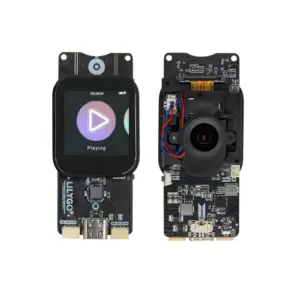
LilyGO T-Display-S3 AMOLED ESP32-S3 1.91-Inch RM67162 Display Board

₹3,709.00 (Inclusive of all taxes)
Out of Stock

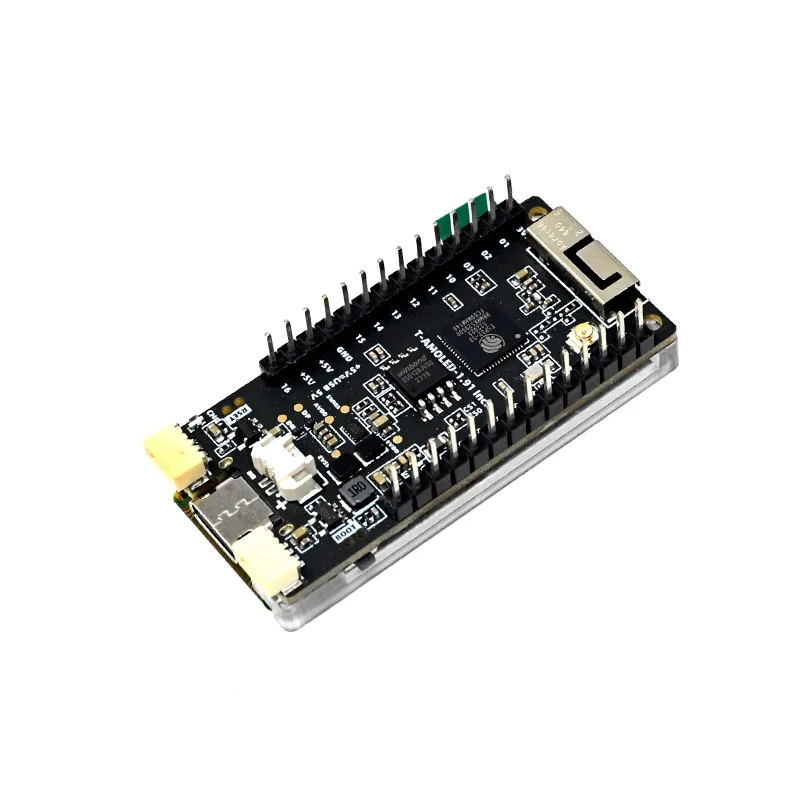
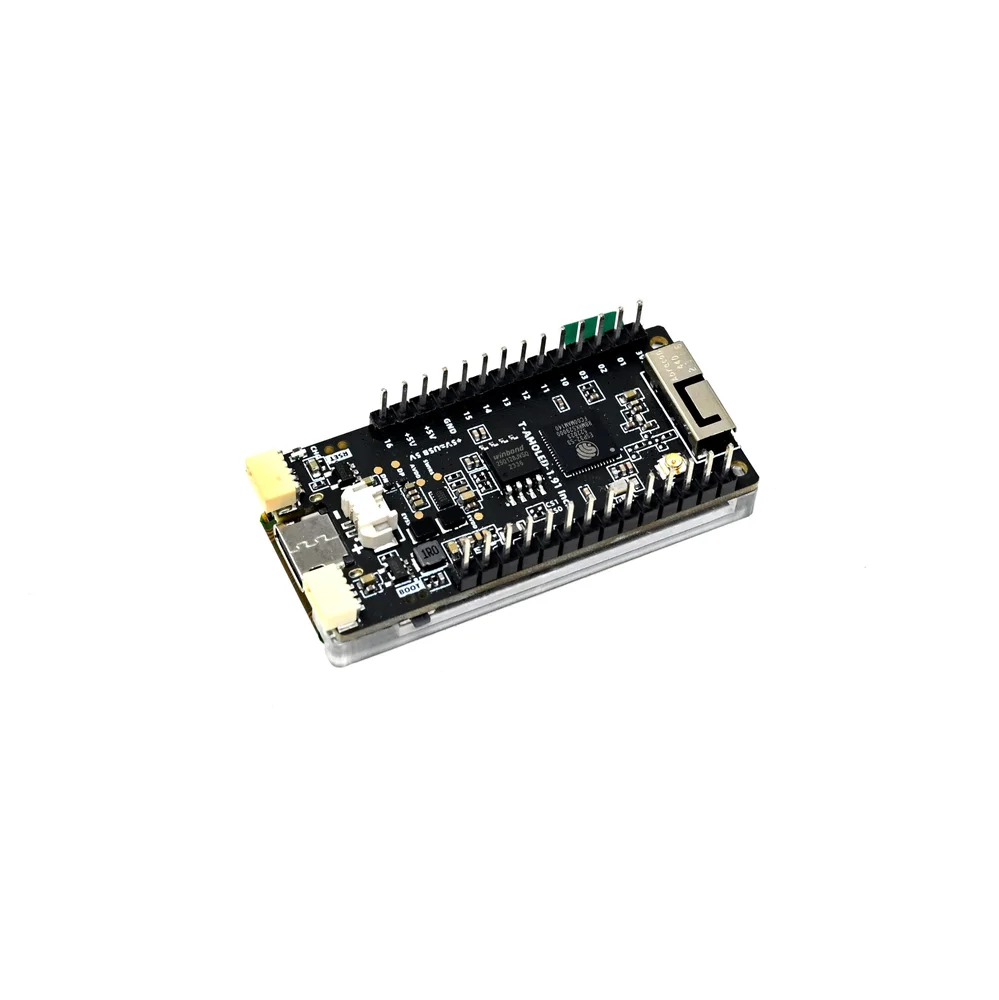
The LilyGO T-Display-S3 AMOLED is an ESP32-S3-powered development board featuring a high-resolution 1.91-inch AMOLED screen, designed for portable IoT applications requiring a vibrant display and dual-core processing power. It supports development via Arduino IDE, PlatformIO, and MicroPython.

Features

  • Powered by the ESP32-S3R8 dual-core LX7 microprocessor with integrated 2.4 GHz Wi-Fi and Bluetooth 5.0 (LE) for robust wireless connectivity.
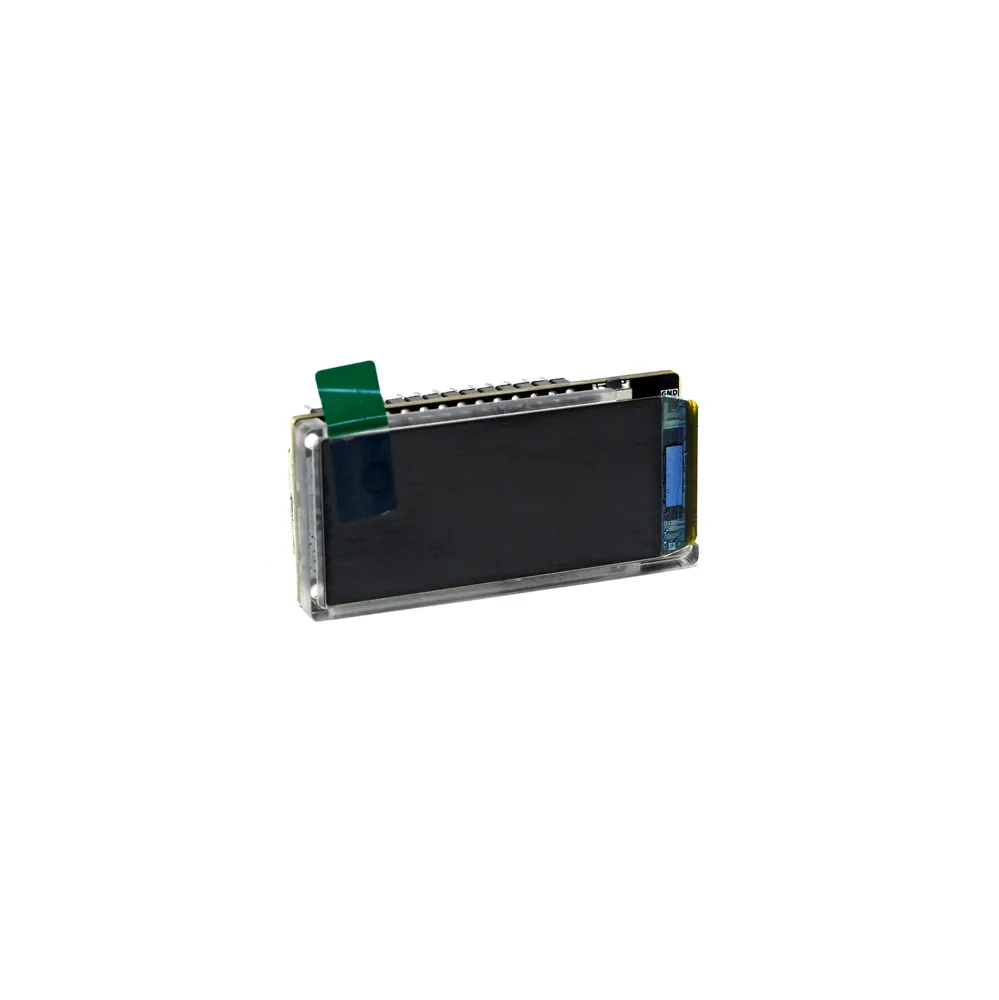
  • Features a crisp 1.91-inch RM67162 AMOLED display with a resolution of 240 x RGB x 536 pixels, driven via QSPI interface for fast graphics rendering.
  • Includes substantial 16MB Flash and 8MB PSRAM for handling complex applications, graphics, and wireless protocols.
  • Built-in battery management system (BMS) enables easy integration into portable and wearable projects without external power circuitry.
  • Compact form factor with pre-soldered headers and a 3D antenna, optimized for low-power IoT devices, handheld consoles, and smart displays.

Out of stock

Description

The T-Display-S3 AMOLED from LilyGO integrates the powerful ESP32-S3 microcontroller with a high-quality AMOLED screen, creating a versatile platform for AIoT and human-machine interface projects. The board leverages the ESP32-S3’s dual-core processing and ample memory to drive the display while managing Wi-Fi and BLE connections simultaneously, suitable for real-time data dashboards or interactive devices.

Its structural design incorporates a built-in battery charger circuit, simplifying the development of untethered applications. The upgraded 3D antenna provides improved RF performance over previous iterations, ensuring reliable wireless communication. The compact PCB layout and pre-attached pin headers facilitate rapid prototyping and integration into end-use enclosures.

Key Features

  • ESP32-S3R8 SoC with dual-core 32-bit LX7 CPU for efficient multitasking and wireless protocol handling.
  • High-contrast 1.91-inch AMOLED display with RM67162 driver for vivid colors and wide viewing angles.
  • Integrated battery charge management IC supports single-cell Li-Po/Li-Ion batteries for portable operation.
  • QSPI interface to the display allows for high-speed graphics data transfer, reducing CPU overhead.
  • Generous 16MB flash memory stores application code, graphics assets, and filesystem data.
  • 8MB PSRAM enables smooth graphical animations and buffering for camera or sensor data.
  • On-board 3D printed antenna provides optimized 2.4GHz radiation pattern for Wi-Fi and Bluetooth.
  • Pre-soldered GPIO headers allow for immediate connection to sensors, actuators, or expansion shields.

Applications

  • Portable IoT data monitors and wireless sensor dashboards with live graphical readouts.
  • Wearable tech and smartwatch prototypes featuring custom interfaces and notifications.
  • Handheld gaming consoles and retro emulation platforms leveraging the color AMOLED screen.
  • Smart home control panels with touch-enabled buttons and status displays.
  • Battery-powered field test equipment and diagnostic tools for engineers.

Technical Specifications

Microcontroller/SoCESP32-S3R8 Dual-core LX7
Wireless ProtocolsWi-Fi 802.11b/g/n (2.4 GHz), Bluetooth 5.0 LE
Display Type & Size1.91-inch AMOLED (RM67162 Driver)
Display Resolution240 (RGB) x 536 pixels
Display InterfaceQSPI
Flash Memory16 MB
PSRAM8 MB
Power Supply5V via USB-C, Built-in Battery Management
Development SupportArduino IDE, PlatformIO, ESP-IDF, MicroPython
AntennaIntegrated 3D PCB Antenna
Dimensions (Shipping)Approx. 8 x 5 x 4 cm
Weight (Shipping)Approx. 0.015 kg

Frequently Asked Questions

What development frameworks are supported for programming the T-Display-S3 AMOLED?

The board is fully compatible with the Arduino IDE using the ESP32 board package, Espressif's official ESP-IDF for advanced control, PlatformIO for a streamlined IDE experience, and MicroPython for rapid scripting. You must install the correct board definition and configure the QSPI display library (like LovyanGFX or TFT_eSPI) to drive the AMOLED screen. The USB-C port is used for both power and programming via serial.

How do I power this board for a portable project and what battery is recommended?

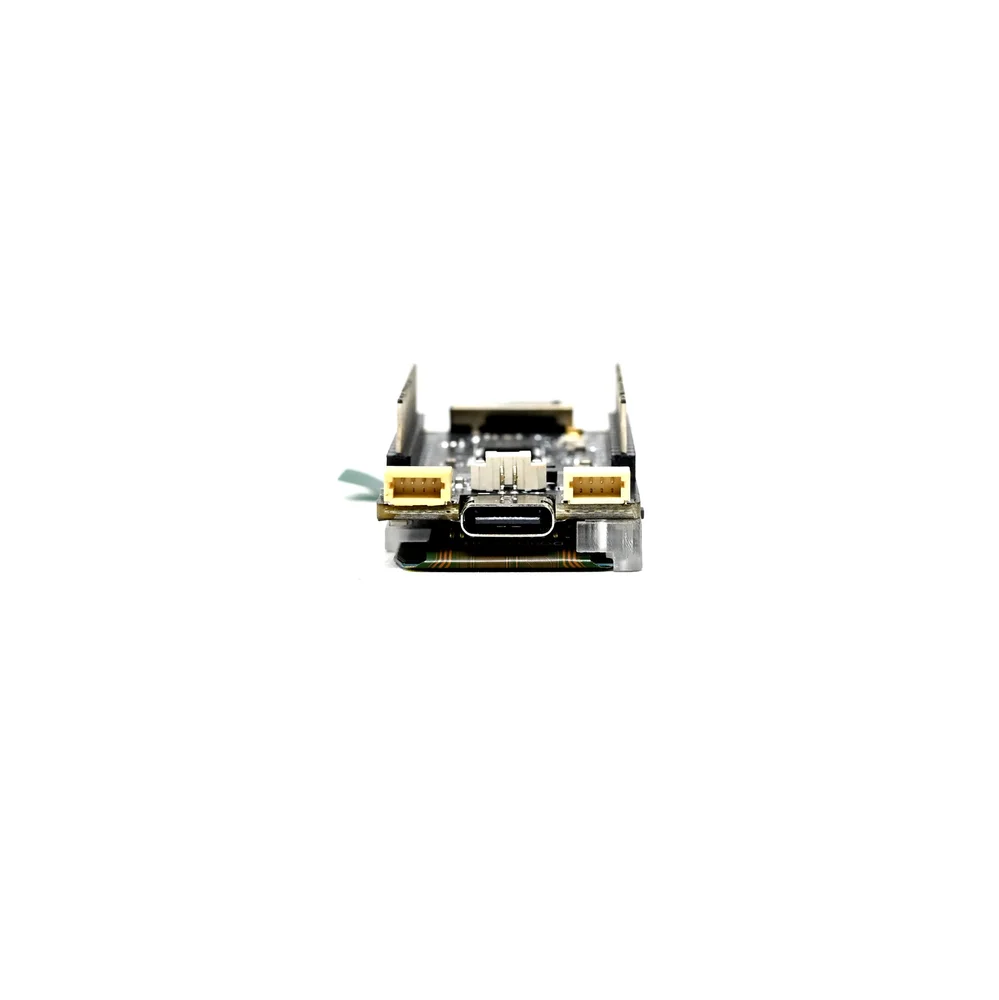
The integrated battery management circuit accepts a single-cell Lithium Polymer (Li-Po) or Lithium-Ion battery connected via the dedicated JST connector. The USB-C port provides 5V charging. For typical use, a 3.7V battery with a capacity between 500mAh and 2000mAh is suitable. Utilize the ESP32-S3's deep sleep modes to minimize current draw and maximize battery life in field deployments between charges.

Can I connect external sensors or peripherals to the GPIO pins on this board?

Yes, the pre-soldered 14-pin headers provide access to multiple GPIOs, including SPI, I2C, UART, and analog input pins, allowing you to interface sensors, SD cards, or actuators. Be mindful of pin multiplexing, as some pins are used for the display's QSPI interface. Consult the pinout diagram to identify free GPIOs. The board's 3.3V logic level requires compatible peripherals.

Package Includes

  • 1 x T-Display-S3 AMOLED Board
  • 2 x 14-pin Header Strips
  • 1 x Power Cable (USB-C)

Additional Information

Weight 0.015 kg
Dimensions 8 × 5 × 4 cm