SKU: IOWC-0151
📋 GST Invoice Available

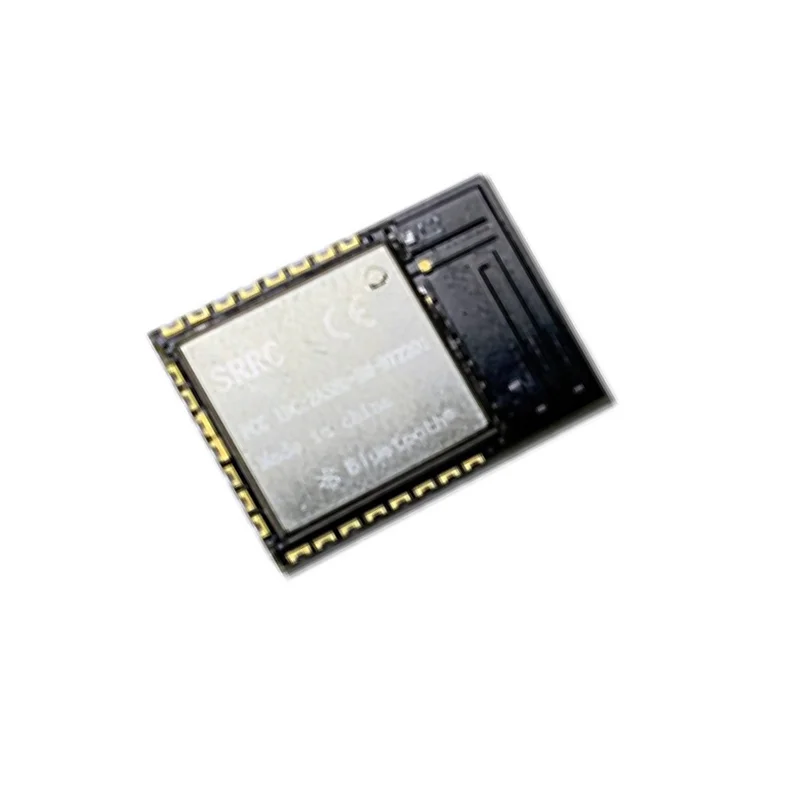
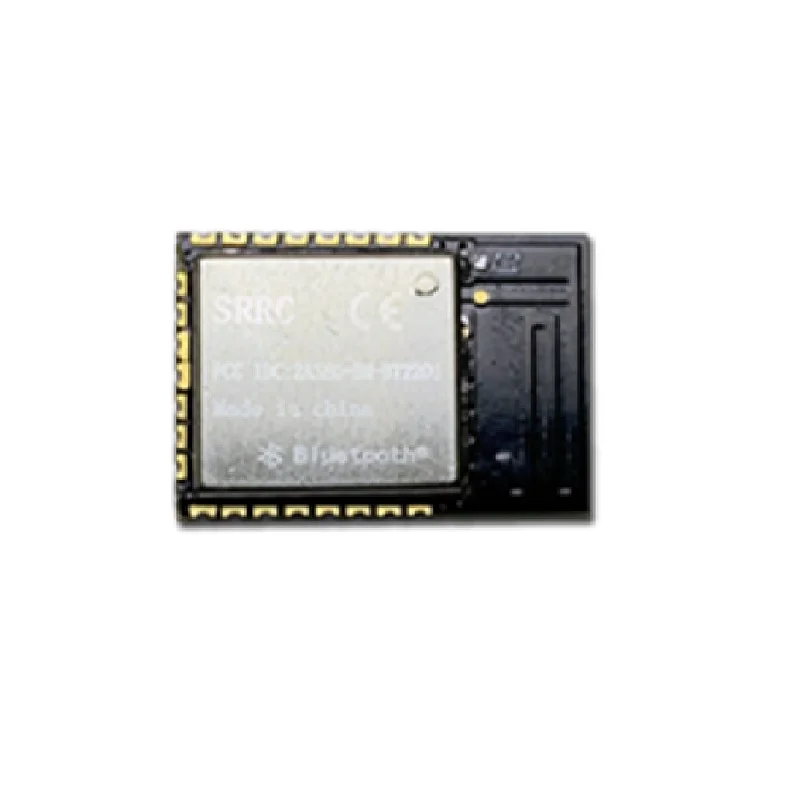
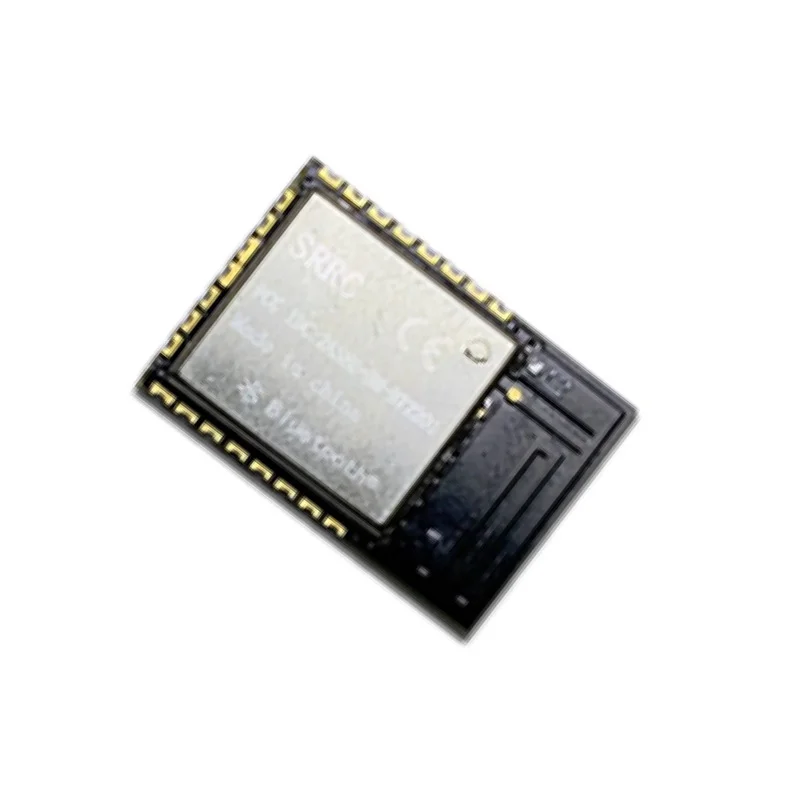
HopeRF HM-BT22014L Bluetooth 5.2 Module w/ ARM Cortex-M33

₹259.00 (Inclusive of all taxes)
Out of Stock

The HopeRF HM-BT22014L is a compact Bluetooth 5.2 BLE module based on an ARM Cortex-M33 processor, featuring an integrated PCB antenna and UART interface for easy wireless data transmission between MCUs and mobile devices.

Features

  • Bluetooth 5.2 BLE module with ARM Cortex-M33 32-bit processor running up to 76.8MHz for robust wireless processing.
  • Integrated 2.4GHz transceiver with PCB antenna supports BLE protocols from 4.x to 5.2 for broad compatibility.
  • Ultra-low power operation with 8.2mA TX current @6dBm and a deep sleep current of just 1.4µA for battery-powered IoT designs.
  • Features 14 configurable GPIOs, 512KB Flash, 32KB RAM, and a UART interface for flexible peripheral control and data exchange.
  • Simple integration via AT commands for module reset and MAC address retrieval, minimizing host MCU resource overhead.

Out of stock

Description

The HM-BT22014L is a fully integrated Bluetooth Low Energy 5.2 data transmission module designed for seamless wireless connectivity in embedded systems. At its core is an ARM Cortex-M33 32-bit processor capable of operating at up to 76.8MHz, paired with an embedded 2.4GHz RF transceiver and an on-board PCB antenna. This combination provides a complete wireless subsystem, enabling the module to function either as a simple BLE radio controlled via UART AT commands or as a standalone microcontroller for more integrated applications.

The module’s architecture is optimized for low-power IoT deployments, featuring multiple power-saving modes including a deep sleep state drawing only 1.4µA. Its RF performance includes a transmit power configurable up to +6dBm and a receiver sensitivity of -98.9dBm at 1Mbps GFSK, ensuring reliable communication links. The integrated protocol stack supports BLE versions 4.x through 5.2, making it compatible with a wide range of smartphones, tablets, and gateways.

Key Features

  • Bluetooth 5.2 BLE multi-protocol support ensures backward compatibility and modern feature access.
  • Powerful ARM Cortex-M33 core with 512KB Flash and 32KB RAM enables standalone application development or co-processing.
  • Integrated PCB antenna simplifies design and reduces BOM cost, ideal for space-constrained devices.
  • Ultra-low deep sleep current (1.4µA) dramatically extends battery life in periodic sensing and reporting applications.
  • 14 multifunctional GPIO pins with configurable mapping offer extensive peripheral control and sensor interfacing capabilities.
  • Standard UART interface with AT command set allows for quick integration and module management from a host controller.
  • Wide operating voltage range (1.71V to 3.8V) supports direct powering from single-cell Li-ion batteries or regulated 3.3V systems.

Applications

  • Wireless sensor nodes for smart home automation (temperature, humidity, occupancy).
  • BLE beacons for indoor positioning, asset tracking, and proximity marketing.
  • Health and fitness monitors, wearable devices, and medical sensors.
  • Remote controls, HID devices (keyboards, mice), and game controllers.
  • Industrial IoT data loggers and wireless telemetry for equipment monitoring.

Technical Specifications

Microcontroller/SoCARM Cortex-M33 32-bit (up to 76.8MHz)
Wireless ProtocolsBluetooth Low Energy (BLE) 4.x to 5.2
Frequency Range2402MHz - 2483.5MHz
RF Transmit PowerUp to +6dBm
Receiver Sensitivity-98.9dBm @ 1Mbps GFSK
Supply Voltage1.71V - 3.8V
Operating Current (TX)8.2mA @ +6dBm
Operating Current (RX)3.6mA @ 1Mbps
Deep Sleep Current1.4µA
InterfacesUART, 14x GPIO
Antenna ConnectorIntegrated PCB Antenna
Operating Temperature-20°C to +85°C
Memory512KB Flash, 32KB RAM
ModulationGFSK (Gaussian Frequency Shift Keying)

Frequently Asked Questions

How do I communicate with the HM-BT22014L module from my main microcontroller?

Communication is primarily handled via a UART serial interface using a set of AT commands. Connect the module's UART_TX and UART_RX pins to your host MCU's corresponding RX and TX pins. Set the baud rate typically to 9600 or 115200 (consult datasheet). You can then send AT commands to configure the module, initiate connections, and send/receive data. The AT command set includes functions for resetting the module, querying the MAC address, setting advertising parameters, and managing BLE connections.

What is the power supply requirement and how do I minimize current consumption?

The module operates from 1.71V to 3.8V, making it compatible with single-cell Li-ion batteries or a regulated 3.3V rail. To minimize power, utilize the built-in sleep modes via AT commands. The deepest sleep mode (EM2) reduces current to 1.4µA. Design your firmware to wake the module periodically for data transmission, then immediately return it to sleep. Ensure unused GPIOs are configured correctly to prevent leakage currents. For lowest average power, transmit at the lowest acceptable power level and use the highest practical data rate to reduce on-air time.

Can this module be used as a standalone microcontroller without an external host?

Yes, the integrated ARM Cortex-M33 core, 512KB Flash, and 32KB RAM allow it to operate as a standalone MCU. You would need to develop firmware using an appropriate SDK for the underlying BLE SoC, which involves writing code to manage the 14 GPIOs, peripherals, and the BLE stack directly. This approach is ideal for creating compact, fully integrated end-devices where the BLE functionality and application logic reside on the same chip, eliminating the need for a separate host processor.

Package Includes

  • 1 x HopeRF HM-BT22014L Bluetooth Module

Additional Information

Weight 0.01 kg
Dimensions 4 × 5 × 1 cm