SKU: IOWC-0069
📋 GST Invoice Available

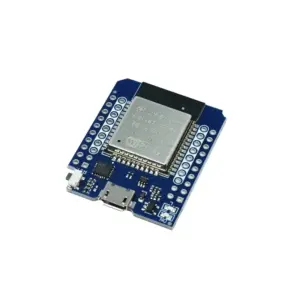
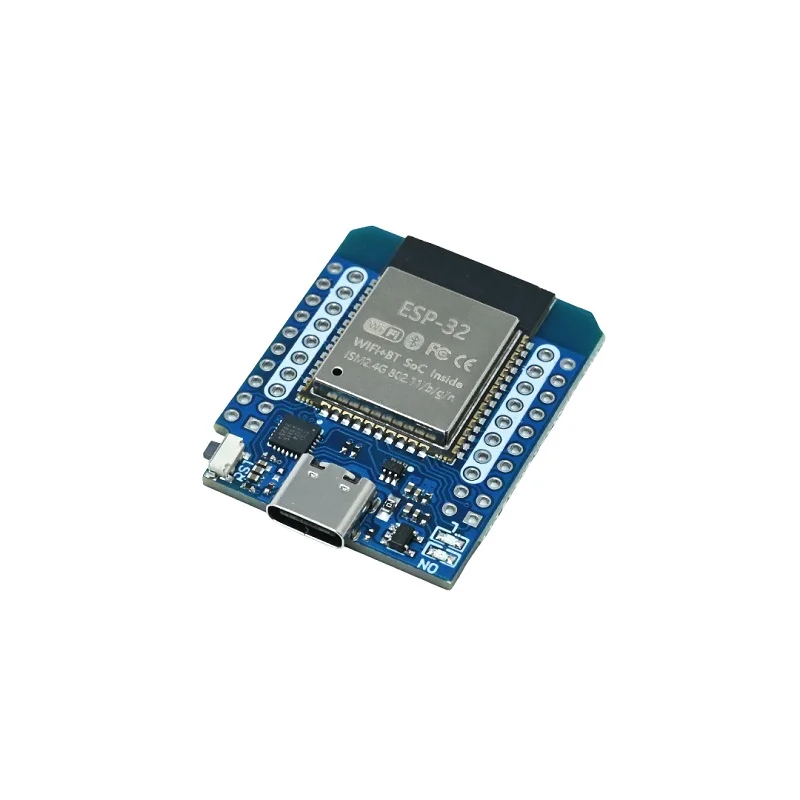
Generic MINI KIT ESP32-WROOM-32 Dev Board w/ Type-C

₹559.00 (Inclusive of all taxes)
Out of Stock

This compact ESP32-WROOM-32 development board provides dual-core Wi-Fi and Bluetooth 4.2/BLE connectivity for IoT prototyping, powered via a modern USB Type-C interface and compatible with Arduino IDE, ESP-IDF, and MicroPython.

Features

  • Powered by the ESP32-WROOM-32 module with a 240 MHz dual-core Xtensa processor and 4MB of flash memory for robust IoT applications.
  • Supports dual-mode wireless: 2.4 GHz Wi-Fi 802.11 b/g/n and Bluetooth 4.2 with BLE for versatile connectivity.
  • Features a modern USB Type-C port for reliable power input and straightforward serial programming and debugging.
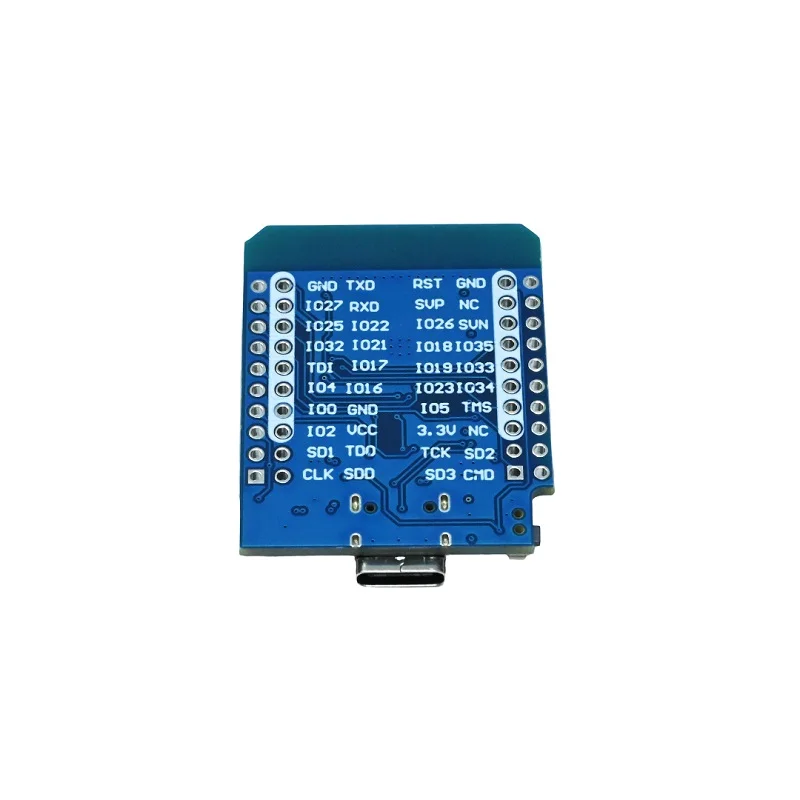
  • Compact D1 Mini form factor (30mm x 38mm) with a rich set of GPIOs for UART, SPI, and I2C peripheral connections.
  • Low-power operation suitable for battery-powered projects, with a wide 3.0V to 3.6V operating range and 5V USB supply.

Out of stock

Description

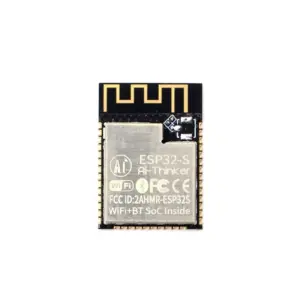
The MINI KIT ESP32 development board integrates the popular ESP32-WROOM-32 module into a compact, breadboard-friendly footprint. Its 240 MHz dual-core processor handles complex tasks while managing Wi-Fi and Bluetooth stacks, making it a capable foundation for smart home automation, sensor networks, and wearable tech.

Engineered for developer convenience, the board features a USB Type-C connector for stable power delivery and serial communication, eliminating cable orientation issues. The exposed GPIO pins provide interfaces for SPI, I2C, UART, and analog inputs, enabling seamless integration with sensors, displays, and actuators. Its low-power sleep modes extend battery life in remote sensing deployments.

Key Features

  • Core ESP32-WROOM-32 module with integrated PCB antenna for stable 2.4 GHz Wi-Fi and Bluetooth connectivity.
  • Dual-core Xtensa LX6 microprocessor running at 240 MHz, capable of handling RF tasks and user application code simultaneously.
  • Modern USB Type-C interface ensures reliable power and data connection for programming via Arduino IDE or ESP-IDF.
  • Compact D1 Mini-compatible form factor allows for easy integration into prototypes and final enclosures.
  • Comprehensive peripheral support through accessible GPIOs for SPI, I2C, UART, ADC, DAC, and touch sensors.
  • Low operating voltage range (3.0V to 3.6V) and efficient power architecture support battery-powered IoT nodes.
  • Extensive firmware support from Espressif's ESP-IDF, Arduino core, MicroPython, and PlatformIO ecosystems.

Applications

  • Smart home automation and control nodes for lights, sensors, and switches.
  • IoT sensor gateways collecting data via BLE or serial and uploading via Wi-Fi.
  • Prototyping and educational platforms for learning embedded systems and wireless communication.
  • Wearable devices and personal trackers utilizing Bluetooth Low Energy connectivity.
  • Industrial monitoring systems for remote data logging and wireless telemetry.

Technical Specifications

Microcontroller/SoCESP32-WROOM-32 (Dual-core Xtensa LX6)
Wireless ProtocolsWi-Fi 802.11 b/g/n, Bluetooth 4.2 + BLE
Frequency Range2.4 GHz ISM Band
CPU Frequency240 MHz
Flash Memory4 MB
Supply Voltage3.0V - 3.6V (VCC), 5V via USB Type-C
InterfacesUSB Type-C (UART), GPIO, SPI, I2C, UART, ADC, DAC
AntennaIntegrated PCB Antenna
Operating Temperature-40°C to +85°C
Dimensions (LxW)38mm x 30mm x 3mm

Frequently Asked Questions

How do I program this ESP32 mini board?

You can program it using the Arduino IDE with the ESP32 board package installed, Espressif's official ESP-IDF framework, or MicroPython. Connect the board via the USB Type-C cable to your computer, select the correct serial port, and choose 'ESP32 Dev Module' or a similar board definition. The board uses a standard USB-to-serial chip for communication, so no external programmer is needed. Ensure you have the necessary drivers installed for the USB chip.

What is the power supply requirement and typical current consumption?

The board operates at a core voltage of 3.3V, supplied via the onboard regulator when powered by the 5V USB Type-C port. For standalone use, you can supply 3.0V to 3.6V directly to the VCC pin. Current consumption varies: active mode with Wi-Fi can draw ~200mA, while deep sleep mode can reduce this to below 10µA, making it suitable for battery-powered sensors. Always ensure your power source can provide sufficient peak current for stable RF transmission.

Can I use an external antenna with this board?

This specific MINI KIT version uses an integrated PCB antenna for Wi-Fi and Bluetooth, and there is no obvious U.FL or SMA connector for an external antenna. The ESP32-WROOM-32 module's antenna output is directly connected to the printed trace antenna. For projects requiring an external antenna, you would need a different ESP32 board variant that includes an IPEX connector or you would have to perform a manual modification, which involves careful RF soldering and impedance matching.

What are the main differences between this and a standard ESP32 DevKit V1?

The main differences are the form factor and connector. This board uses a compact 'D1 Mini' footprint (approximately 30mm x 38mm) and features a modern USB Type-C port, whereas many standard DevKits are larger and use a Micro-USB port. The GPIO pin layout may also differ. Functionally, both are based on the ESP32-WROOM-32 and offer the same core wireless features, CPU, and memory. This mini version is better suited for space-constrained projects or final product integration.

Package Includes

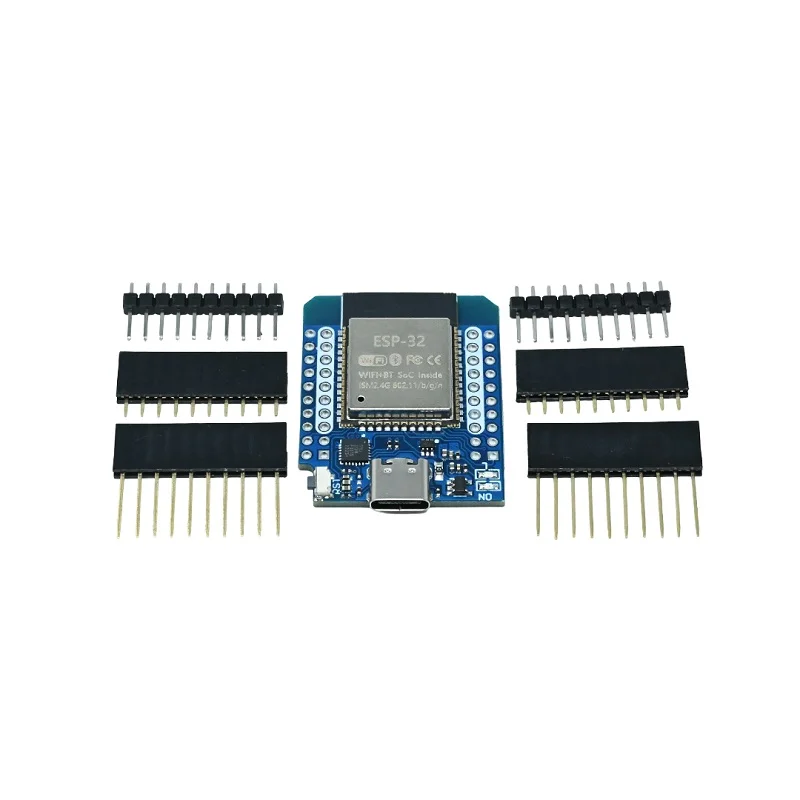
  • 1 x MINI KIT ESP32 Wifi and Bluetooth Module (2104 Type-C)

Additional Information

Weight 0.008 kg
Dimensions 3.8 × 3 × 0.3 cm