SKU: IOWC-0539
📋 GST Invoice Available

LilyGO T-Journal ESP32 OLED Camera Development Board w/ OV2640 & SMA Antenna

₹1,549.00 (Inclusive of all taxes)
Out of Stock

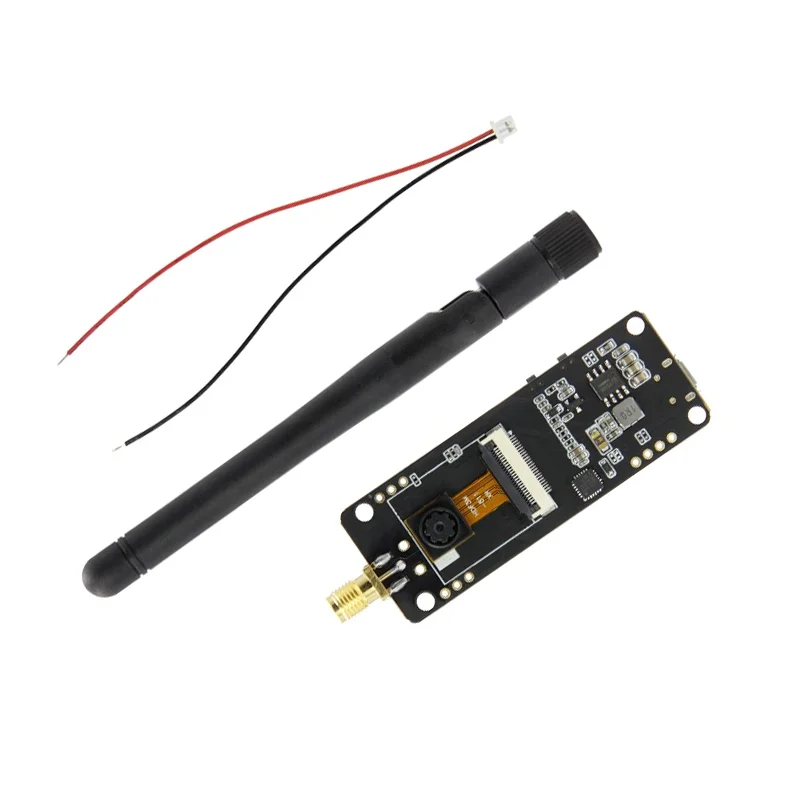
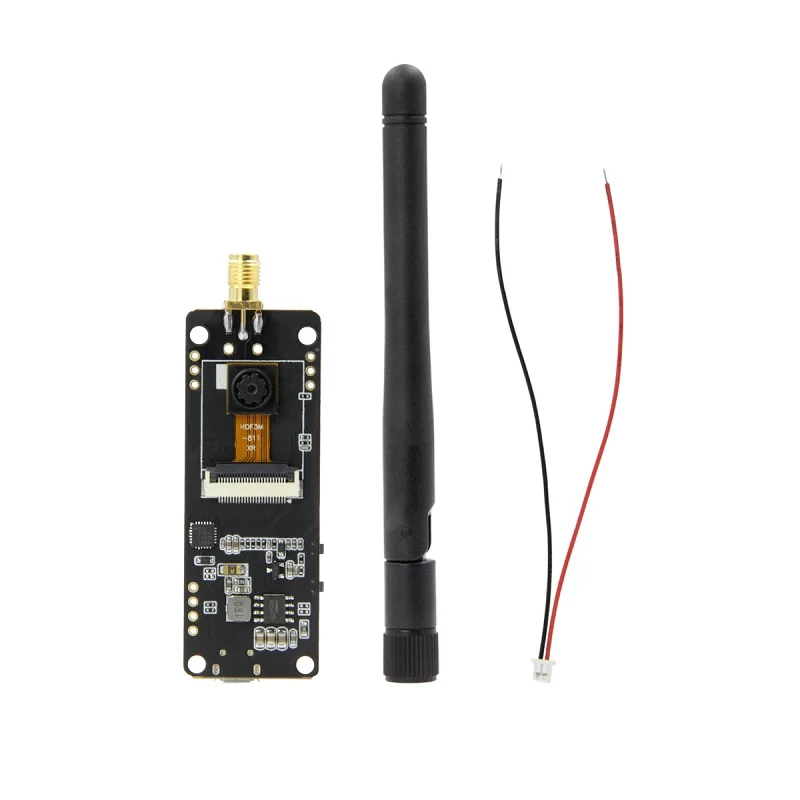
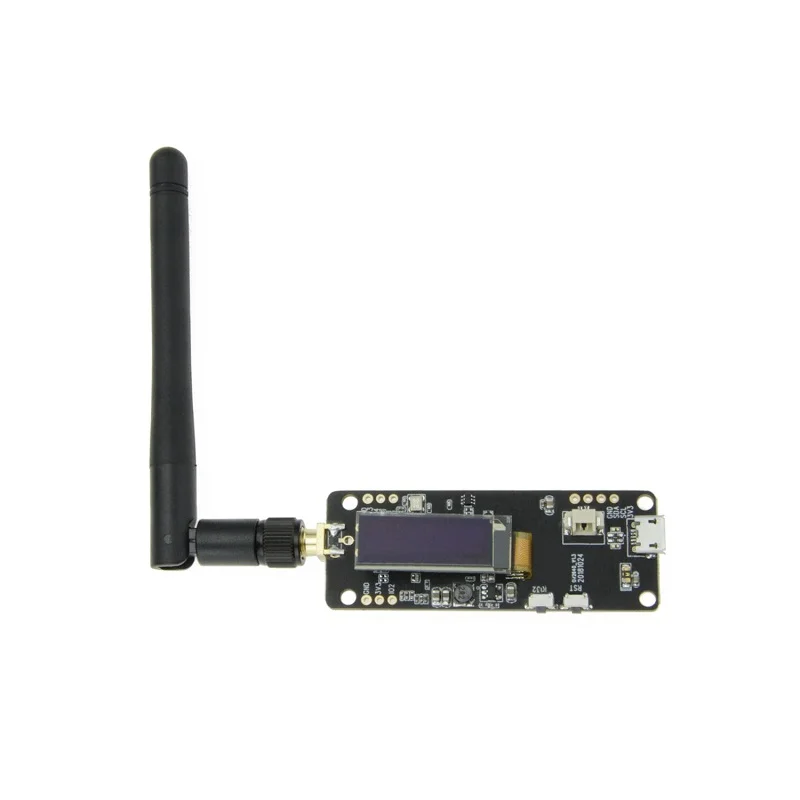
The LilyGO T-Journal is an ESP32-based development board integrating a 2MP OV2640 camera, a 0.91-inch OLED display, and an onboard SMA antenna for Wi-Fi connectivity. It’s designed for Arduino IDE and ESP-IDF development, enabling wireless image capture, transfer, and display projects.

Features

  • ESP32 dual-core processor with 4MB QSPI flash and 520KB SRAM for robust IoT and image processing tasks.
  • Integrated 2-megapixel OV2640 camera sensor with SCCB interface, supporting UXGA, SXGA, and SVGA image resolutions.
  • Onboard 0.91-inch SSD1306 OLED display for real-time data visualization and project status feedback.
  • Pre-installed SMA connector with a 3dBi antenna for enhanced Wi-Fi range, supporting up to 300m communication distance.
  • Built-in CP2104 USB-to-TTL converter for easy programming and serial communication via a single Micro-USB port.

Out of stock

Description

The LilyGO T-Journal development board combines the processing power of an ESP32 microcontroller with a dedicated imaging subsystem. The board features the OV2640 CMOS sensor, which operates via a standard SCCB interface and provides high sensitivity for low-light environments. The integrated SSD1306 OLED offers a crisp monochrome display for debugging or user interfaces without requiring external components.

Powered by a dual-core Xtensa LX6 processor running at 240MHz, the board handles Wi-Fi connectivity, camera data processing, and display driving concurrently. The onboard SMA antenna connector ensures optimal RF performance for 2.4GHz Wi-Fi, with a transmit power of up to 22dBm. The board is designed for flexible power input, supporting operation via a 3.7V LiPo battery or the 5V USB port, making it suitable for both portable and tethered applications.

Key Features

  • All-in-one ESP32 development platform with camera, display, and Wi-Fi antenna pre-integrated.
  • OV2640 camera supports multiple JPEG compression resolutions for efficient wireless image transfer.
  • Compact metal enclosure provides durability and acts as a heat sink for sustained operation.
  • Dual power supply options: USB 5V for development and 3.7V LiPo battery for field deployment.
  • Reset and GPIO32 buttons for user control and device management.
  • Wide operating temperature range from -40°C to 85°C for industrial and outdoor use.
  • Arduino-compatible pinout for easy expansion with shields and peripheral modules.

Applications

  • Wireless security and surveillance camera systems with local display.
  • DIY smart home devices for remote monitoring and image-based triggers.
  • Portable GPS trackers with photo logging capabilities.
  • IoT projects requiring visual data capture and wireless transmission (MQTT, HTTP).
  • Educational platforms for learning embedded systems, computer vision, and wireless communication.

Technical Specifications

Microcontroller/SoCESP32 (Espressif-ESP32-PCIO-D4) Dual-core 240MHz Xtensa LX6
Wireless ProtocolWi-Fi 2.4GHz (802.11 b/g/n)
Camera SensorOV2640 2MP (1600x1200)
Display0.91-inch SSD1306 OLED (SSD1306 driver)
RF Transmit PowerUp to 22 dBm
Communication DistanceUp to 300m (with onboard antenna)
Supply Voltage3.3V (Operating Range: 2.3V - 3.6V)
Operating Current~160 mA (typical)
InterfacesUSB (CP2104), SCCB (Camera), I2C (OLED), GPIO
Antenna ConnectorOnboard SMA with 3dBi antenna
Operating Temperature-40°C to +85°C
Dimensions64mm (L) x 24mm (W)

Frequently Asked Questions

How do I program the LilyGO T-Journal board?

The board is programmed using the Arduino IDE or ESP-IDF framework. Install the ESP32 board package in Arduino IDE, select 'ESP32 Dev Module' as the target, and connect via the onboard CP2104 USB-to-serial converter. The board appears as a COM port, allowing you to upload sketches for camera capture, Wi-Fi communication, and OLED display control.

What is the power supply requirement and how do I use the battery?

The board operates at 3.3V with a range of 2.3V to 3.6V. You can power it via the Micro-USB port (5V/1A) or connect a 3.7V LiPo battery to the designated terminals. When using USB, the onboard regulator supplies the system. For battery operation, ensure the battery is within the voltage range and monitor charge if using a charging circuit.

How do I access the camera feed and change image resolution?

Use the ESP32 camera library (e.g., 'esp32-camera' in Arduino) to initialize the OV2640 over the SCCB interface. The library provides functions to set resolution (UXGA, SXGA, SVGA), adjust frame rate, and capture frames to a buffer. You can then process the JPEG data for display on the OLED or transmit it over Wi-Fi using HTTP or MQTT protocols.

Can I replace the onboard SMA antenna with a different one?

Yes, the SMA connector is standard. You can unscrew the provided 3dBi antenna and attach a different SMA antenna with a matching 50-ohm impedance for 2.4GHz Wi-Fi. Using a higher-gain antenna (e.g., 5dBi) may increase range but requires proper orientation and compliance with local RF regulations.

Package Includes

  • 1 x LilyGO T-Journal ESP32 OLED Camera Development Board with OV2640 and SMA Antenna

Additional Information

Weight 0.0125 kg
Dimensions 6.4 × 2.4 cm