SKU: IOWC-0899
📋 GST Invoice Available

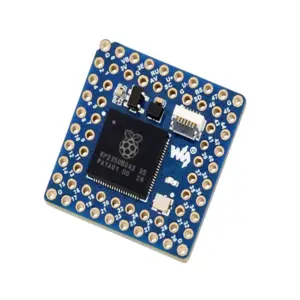
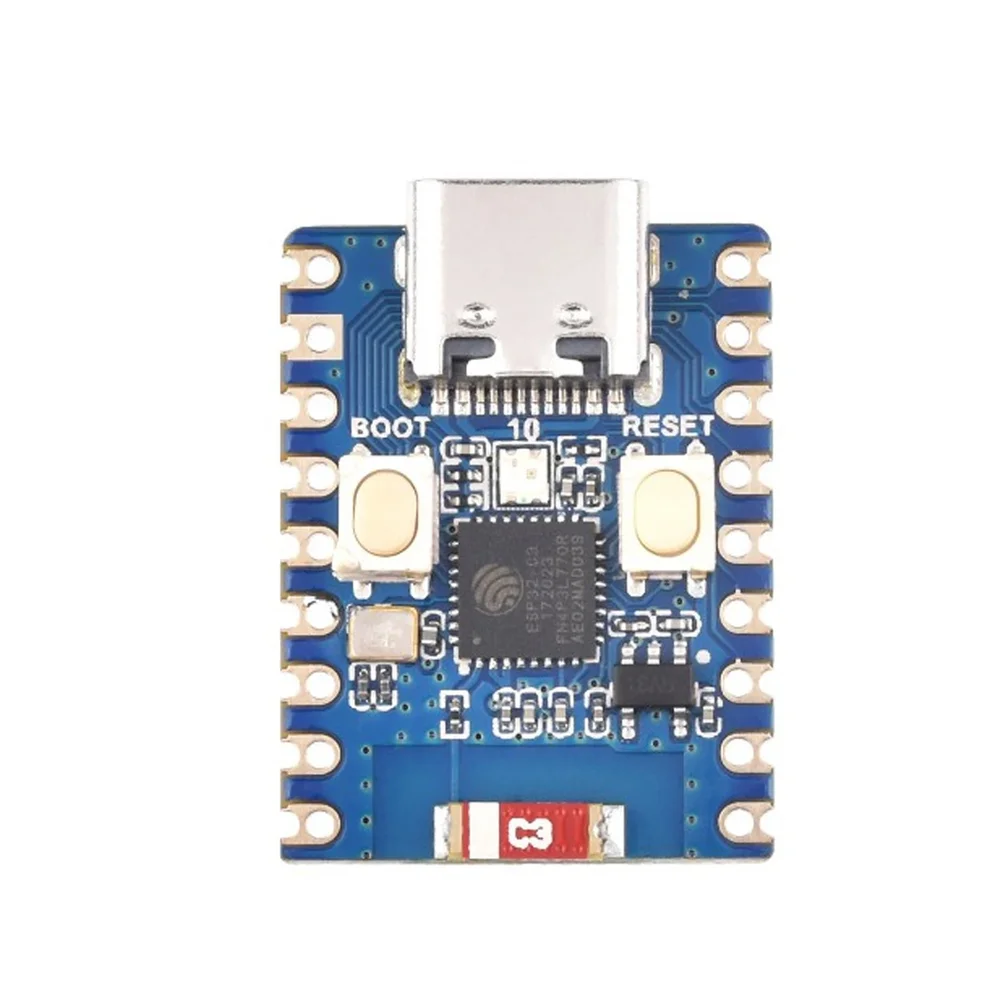
Waveshare ESP32-C3 Mini Development Board w/ ESP32-C3FH4 RISC-V

₹529.00 (Inclusive of all taxes)
Out of Stock

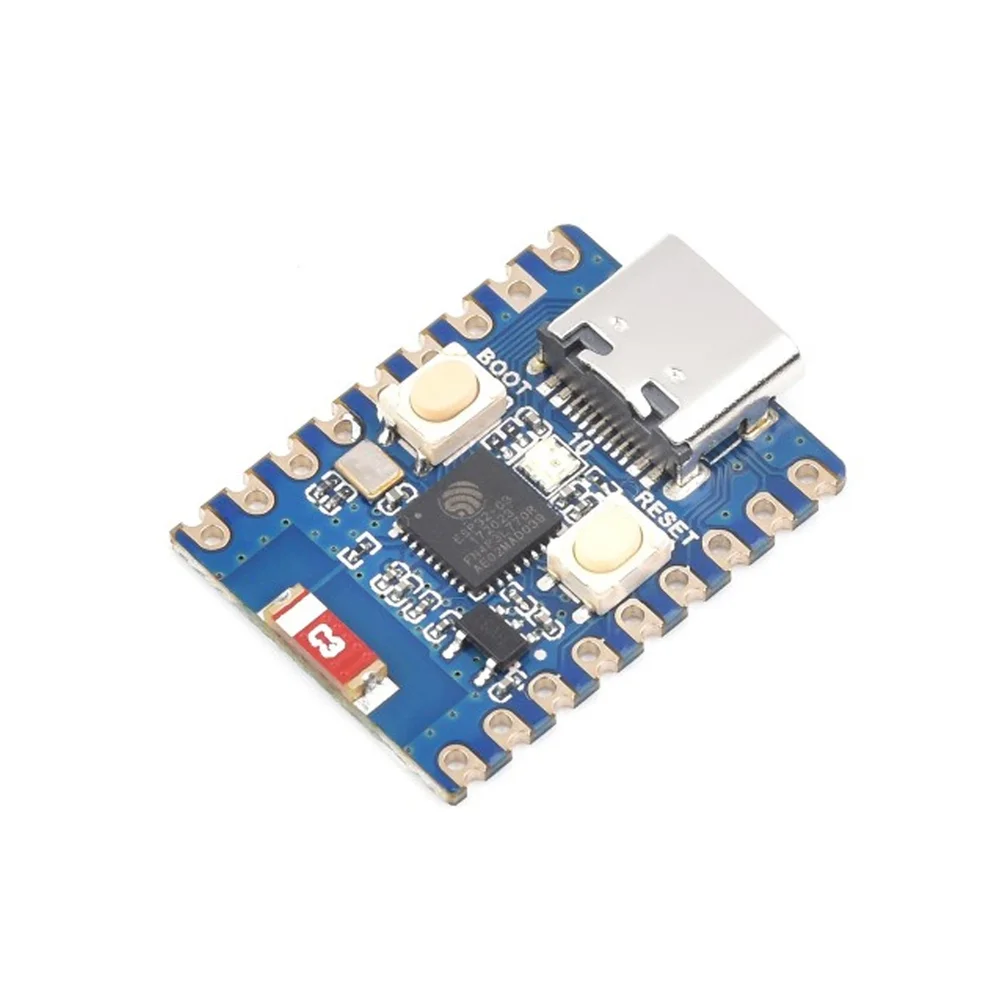
The Waveshare ESP32-C3 Mini Development Board is a compact IoT platform featuring the ESP32-C3FH4 RISC-V processor for 2.4GHz Wi-Fi and Bluetooth 5 LE connectivity, ideal for Arduino IDE, ESP-IDF, and MicroPython development.

Features

  • ESP32-C3FH4 RISC-V processor delivers up to 160MHz clock speed for efficient IoT edge computing.
  • Integrated 2.4GHz Wi-Fi (802.11 b/g/n) and Bluetooth 5 LE enables dual-mode wireless connectivity.
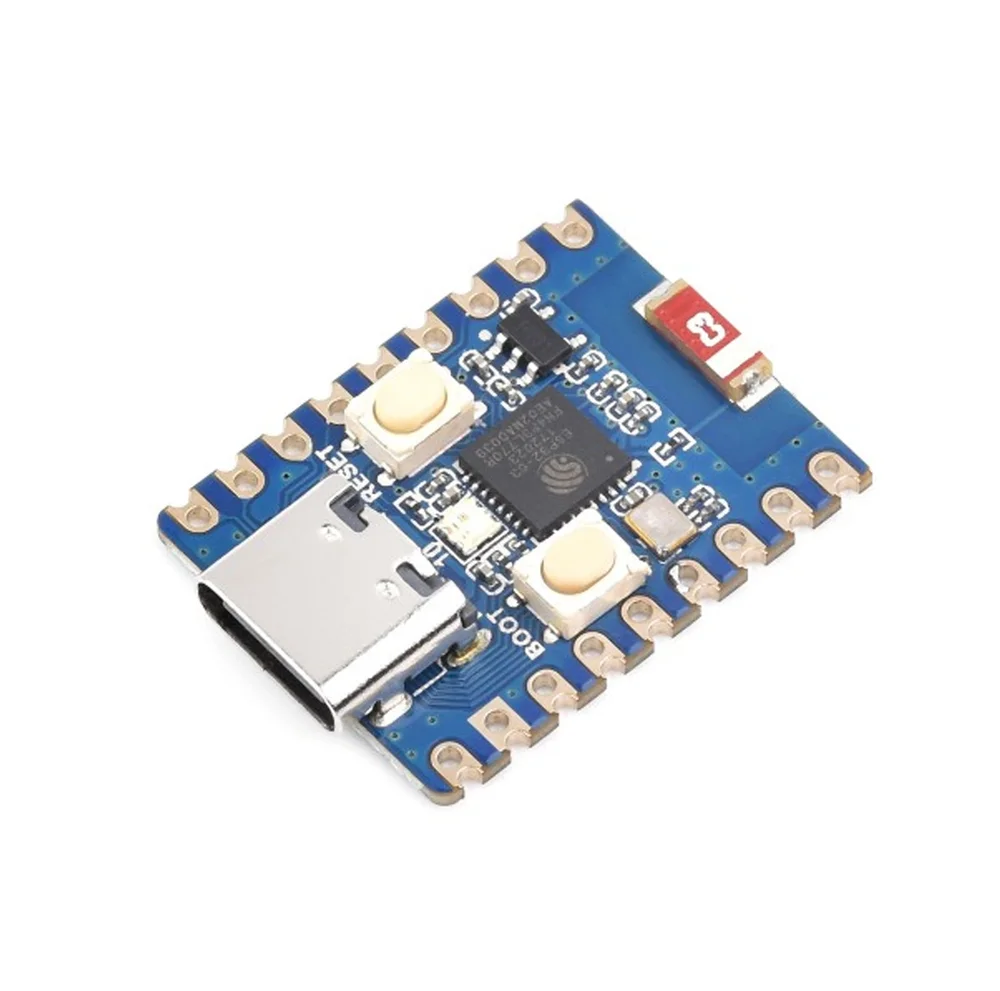
  • Castellated module design with onboard ceramic antenna allows for direct SMD integration into final products.
  • 4MB Flash and 400KB SRAM provide ample memory for complex firmware and wireless protocol stacks.
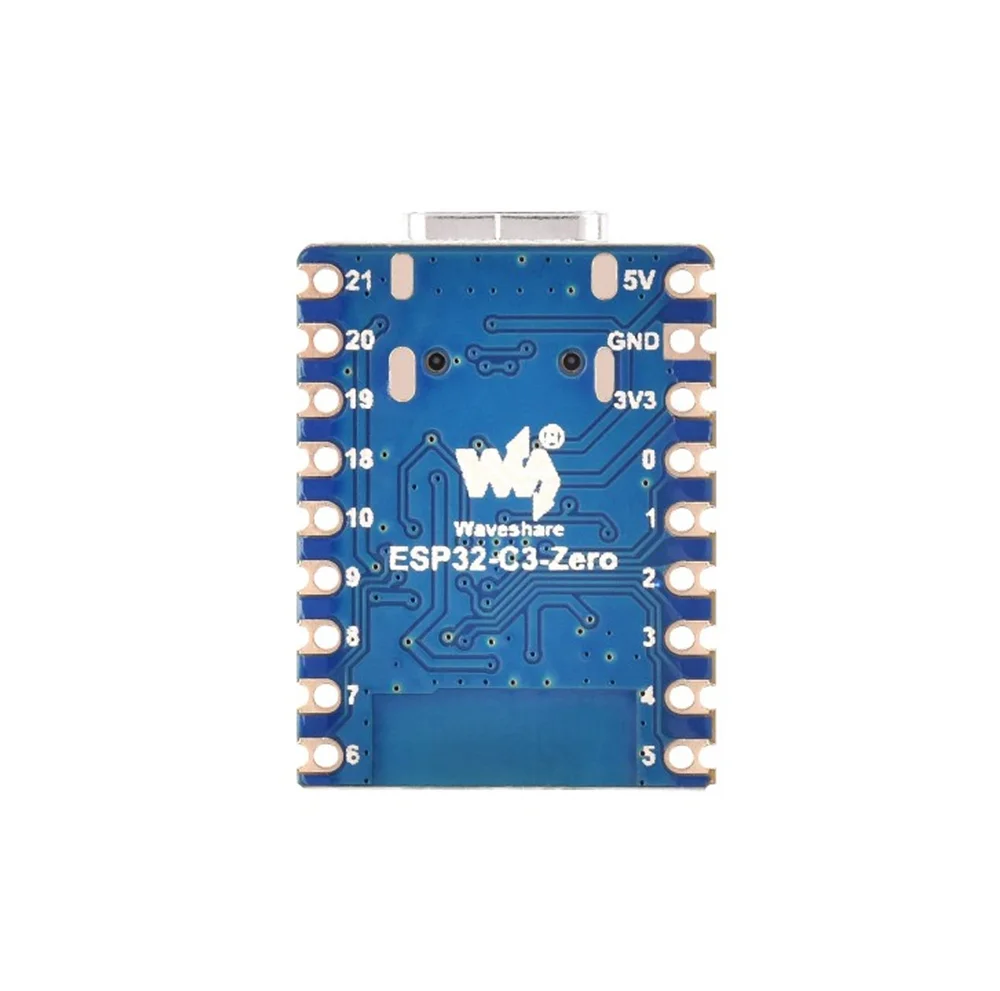
  • 15 multifunction GPIOs support SPI, I2C, UART, I2S, and ADC interfaces for sensor and peripheral expansion.

Out of stock

Description

The Waveshare ESP32-C3 Mini Development Board is engineered around Espressif’s ESP32-C3FH4, a single-core 32-bit RISC-V processor optimized for low-power IoT applications. Its integrated 2.4GHz radio supports Wi-Fi 802.11 b/g/n and Bluetooth 5 Low Energy, providing robust wireless communication for smart home and sensor network projects.

Designed for both prototyping and production, the board’s castellated edge and compact 23.5 x 18mm footprint facilitate easy soldering onto custom PCBs. The onboard ceramic antenna ensures stable RF performance without external components. With a USB serial interface for programming and debugging, it is fully compatible with popular development frameworks like ESP-IDF, Arduino Core, and MicroPython.

Key Features

  • RISC-V architecture provides an open, efficient processing core for embedded development.
  • Dual wireless connectivity enables Wi-Fi for cloud communication and BLE for local device networks.
  • Castellated edge design simplifies transition from prototype to surface-mount product integration.
  • Onboard ceramic antenna eliminates the need for an external antenna, saving space and BOM cost.
  • Comprehensive peripheral set includes multiple SPI, I2C, UART, I2S, and ADC channels for versatile interfacing.
  • Low-power sleep modes extend battery life in remote sensing and portable applications.
  • USB-C interface provides reliable power delivery and serial communication for flashing and debugging.

Applications

  • Smart home automation devices like wireless switches, sensors, and controllers.
  • IoT sensor nodes for environmental monitoring (temperature, humidity, air quality).
  • BLE beacon and proximity detection systems for asset tracking.
  • Embedded control systems requiring wireless connectivity and peripheral management.
  • Prototyping and product development for battery-powered Wi-Fi/BLE gadgets.

Technical Specifications

Microcontroller/SoCESP32-C3FH4 (32-bit RISC-V Single-Core)
Wireless Protocols2.4GHz Wi-Fi 802.11 b/g/n, Bluetooth 5 LE
CPU FrequencyUp to 160MHz
Flash Memory4MB
SRAM400KB
ROM384KB
GPIO Pins15 Multifunction
Interfaces3× SPI, 1× I2C, 2× UART, 1× I2S, 2× ADC
USB InterfaceUSB Serial Port
Antenna ConnectorOnboard Ceramic Antenna
Module TypeCastellated Module
Dimensions23.5 x 18 mm
Weight2 g

Frequently Asked Questions

What development frameworks are supported by this ESP32-C3 Mini board?

The board is fully compatible with Espressif's official ESP-IDF framework, the Arduino Core for ESP32, and MicroPython. You can program it using the Arduino IDE, PlatformIO, or VS Code with the ESP-IDF extension. The USB serial interface allows for easy firmware flashing and serial monitoring without additional hardware.

How do I power the board and what is the operating voltage?

The board is powered via the onboard USB-C connector, which provides a 5V supply. The internal voltage regulator steps this down to the core voltage required by the ESP32-C3. For standalone operation, you can supply 5V to the VCC pin, but ensure your power source can deliver sufficient current for wireless transmission peaks.

Can I attach an external antenna to improve wireless range?

No, this specific module uses an onboard ceramic antenna which is permanently integrated and not user-replaceable. The design prioritizes compactness and SMD compatibility. For projects requiring an external antenna, consider an ESP32-C3 module variant with an IPEX connector or solder an appropriate antenna trace on your custom PCB.

What are the sleep current specifications for battery-powered applications?

While exact figures depend on firmware configuration, the ESP32-C3 supports multiple low-power modes including Deep Sleep. Typical Deep Sleep currents can be as low as a few microamps, making it suitable for long-term battery operation. Consult the ESP-IDF power management documentation for specific configuration and expected current consumption.

How do I utilize the castellated edges for SMD soldering?

The castellated holes (half-vias) along the board edges allow you to solder the module directly onto your custom PCB as a surface-mount component. Apply solder paste to the corresponding pads on your PCB, place the module, and use a reflow oven or hot air gun. Ensure your PCB layout matches the module's pinout for correct GPIO and power connections.

Package Includes

  • 1 x Waveshare ESP32-C3 Mini Development Board

Additional Information

Weight 0.05 kg
Dimensions 5 × 5 × 2 cm