SKU: IOWC-1097
📋 GST Invoice Available

WeAct Studio RP2350A_V10 RISC-V RP2350 Dev Board w/ 4MB Flash

₹469.00 (Inclusive of all taxes)
Out of Stock

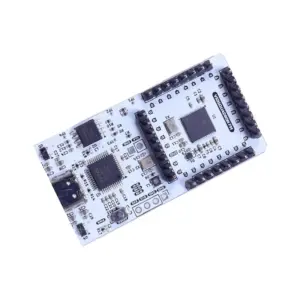
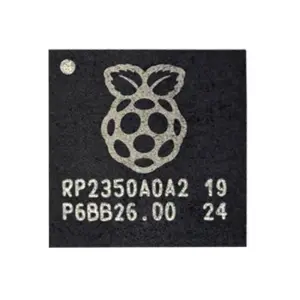
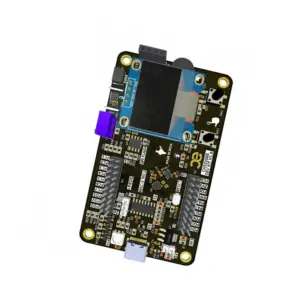
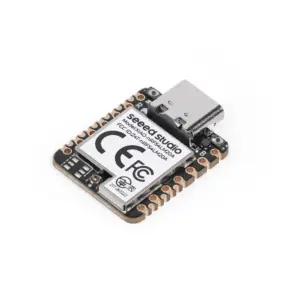
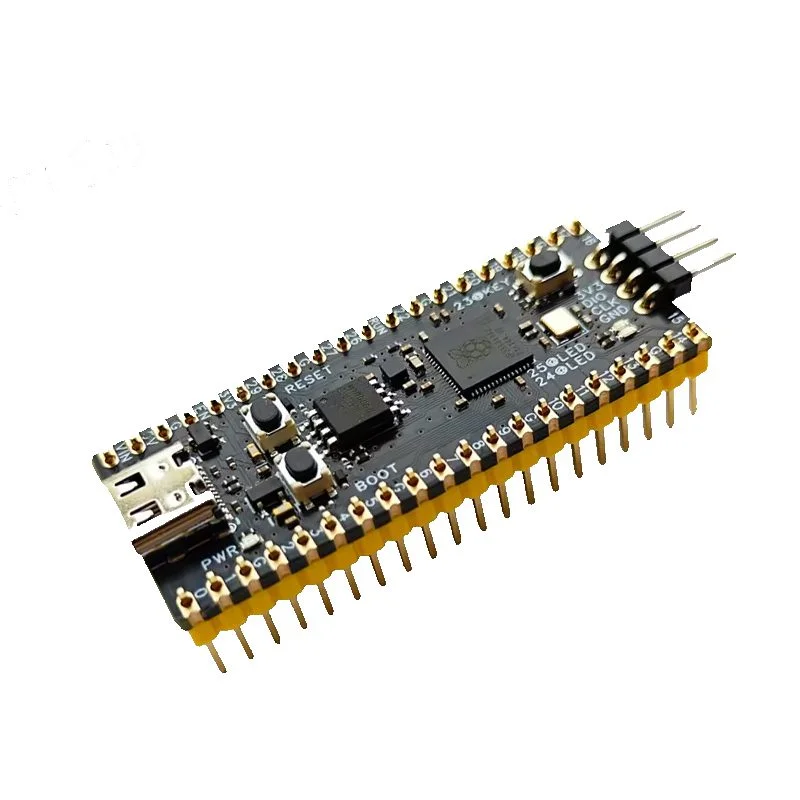
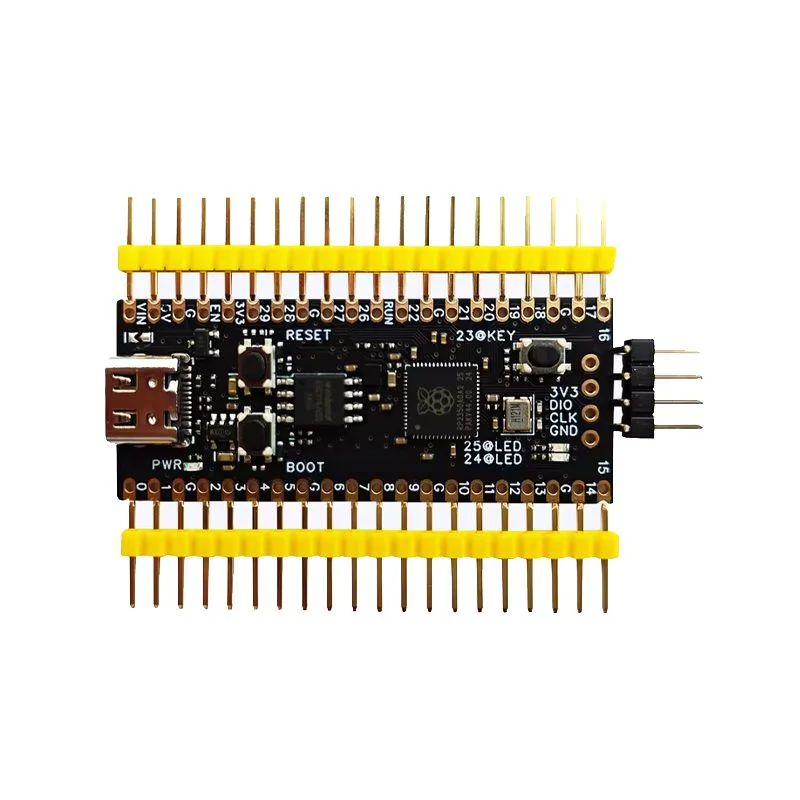
The WeAct Studio RP2350A_V10 is a compact RISC-V development board centered on the Raspberry Pi RP2350 dual-core Hazard3 MCU, featuring 520KB SRAM and 4MB QSPI Flash. It’s designed for embedded prototyping and IoT applications, supporting standard RISC-V toolchains like GCC and OpenOCD via its accessible SWD/JTAG debug interface.

Features

  • RISC-V Dual-Core Power: Features the Raspberry Pi RP2350 MCU with Hazard3 architecture, delivering efficient processing for embedded applications and IoT edge nodes.
  • Ample Onboard Memory: Equipped with 520KB of SRAM for high-performance tasks and 4MB of QSPI Flash for substantial code and data storage.
  • Full Peripheral Access: All GPIO pins are broken out, providing direct support for UART, SPI, I2C, PWM, and ADC interfaces for sensor integration and communication.
  • Compact & Breadboard-Friendly: Measures just 21mm x 51mm with a standard 2.54mm pin pitch, making it ideal for rapid prototyping and educational RISC-V projects.
  • Open-Source Ecosystem: Fully open-source with hardware and firmware resources available on GitHub, supported by standard RISC-V toolchains (GCC, OpenOCD) for streamlined development.

Out of stock

Description

The WeAct Studio RP2350A_V10 is a dedicated development platform for the Raspberry Pi RP2350, a dual-core RISC-V microcontroller based on the Hazard3 architecture. This board provides a complete environment for engineers and makers to explore RISC-V development, offering a robust balance of processing capability and memory resources in a minimal footprint.

Designed for flexibility, the board breaks out all GPIO pins, granting full access to its rich set of peripherals including multiple UART, SPI, I2C, PWM, and ADC channels. This makes it suitable for a wide range of embedded applications, from simple sensor nodes to more complex control systems. The inclusion of a USB Type-C connector and on-board debug support via SWD/JTAG simplifies the programming and debugging workflow, accelerating project development.

Key Features

  • Powered by the Raspberry Pi RP2350 dual-core RISC-V MCU with Hazard3 architecture.
  • Features 520KB of on-chip SRAM for high-speed data processing and temporary storage.
  • Includes 4MB of onboard QSPI Flash memory for storing application code, files, and data.
  • All GPIO pins are accessible via standard 2.54mm headers, supporting UART, SPI, I2C, PWM, and ADC.
  • Compact form factor (21mm x 51mm) designed for breadboard compatibility and space-constrained projects.
  • Integrated USB Type-C port for power and data communication.
  • On-board SWD/JTAG debug interface for seamless programming and in-circuit debugging.
  • Open-source design with full documentation and example code available on GitHub.

Applications

  • RISC-V microcontroller learning and educational platforms.
  • Embedded systems prototyping and proof-of-concept development.
  • IoT edge node devices for sensor data acquisition and processing.
  • Compact control boards for robotics, automation, and hobbyist projects.
  • Development platform for custom peripherals using UART, SPI, I2C, and ADC interfaces.

Technical Specifications

Microcontroller / SoCRaspberry Pi RP2350 (Dual-core RISC-V, Hazard3)
SRAM520 KB
Flash Memory4 MB QSPI Flash
Clock Frequency133 MHz
Supply Voltage3.3V
Operating Current25–80 mA
Max Operating CurrentUp to 100 mA
InterfacesUART, SPI, I2C, PWM, ADC, USB Type-C, SWD/JTAG
Operating Temperature-20°C to +85°C
Dimensions (L x W)51 mm x 21 mm

Frequently Asked Questions

What toolchain and IDE are recommended for programming the WeAct RP2350A_V10 board?

The board is designed for standard RISC-V toolchains. You can use the GCC compiler and OpenOCD for debugging via the onboard SWD/JTAG interface. Development can be done in a plain text editor with Makefiles, or integrated into IDEs like VS Code with appropriate plugins. The open-source resources on GitHub provide example projects and setup guides to get started quickly. The USB Type-C port is used for both power and serial communication during development.

What is the power supply requirement and typical operating current for this board?

The board operates at a nominal 3.3V supply voltage. The typical operating current ranges from 25 mA to 80 mA depending on CPU load and active peripherals. It can handle peak currents up to 100 mA. Power is conveniently supplied via the onboard USB Type-C connector. Ensure your USB port or external regulator can provide a stable 3.3V rail for reliable operation, especially when driving multiple external GPIOs or peripherals.

Are all GPIO pins accessible, and what communication interfaces are supported?

Yes, all GPIO pins of the RP2350 microcontroller are broken out to standard 2.54mm pitch headers on the board. This provides full access to its peripheral set, which includes multiple UART, SPI, and I2C interfaces for serial communication, PWM outputs for motor control or lighting, and ADC inputs for reading analog sensors. The pinout diagram is available in the GitHub repository to help with wiring and connection planning for your specific project requirements.

How do I program and debug the board using the SWD/JTAG interface?

The board includes dedicated pads for an SWD/JTAG debug connection. You will need a compatible debug probe, such as an ST-Link or Segger, connected to these pads. Using OpenOCD or other supported debugging software, you can flash firmware, set breakpoints, and step through code. The USB Type-C port also provides a serial console for printf-style debugging. Detailed connection diagrams and OpenOCD configuration files are provided in the board's official GitHub documentation.

Package Includes

  • 1 x WeAct Studio RP2350A_V10 Development Board
  • 1 x Header Pin Set
  • 1 x Connector

Additional Information

Weight 0.008 kg
Dimensions 5.1 × 2.1 cm