SKU: IOWC-0967
📋 GST Invoice Available

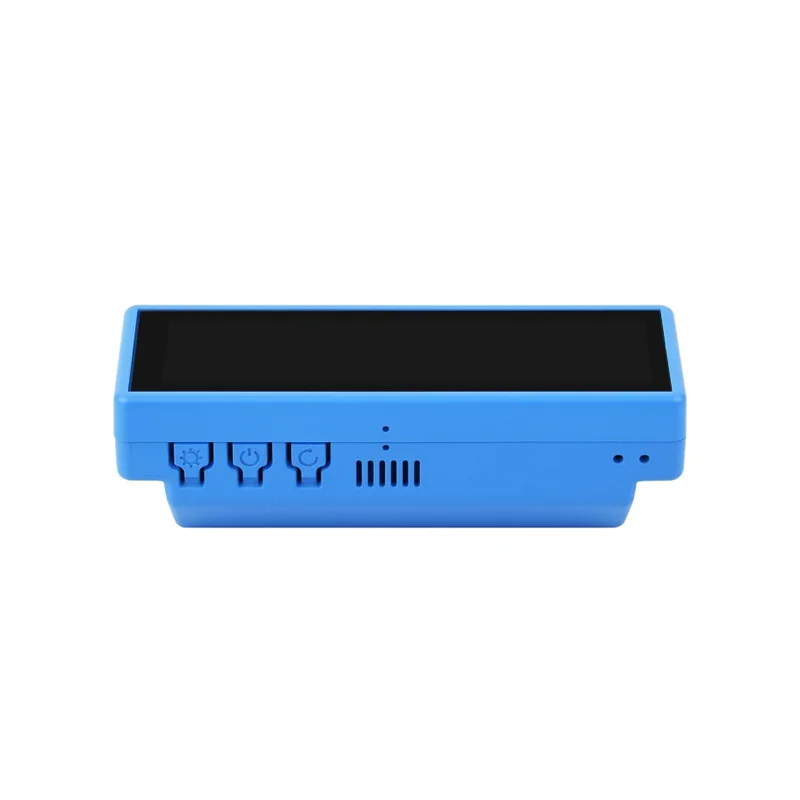
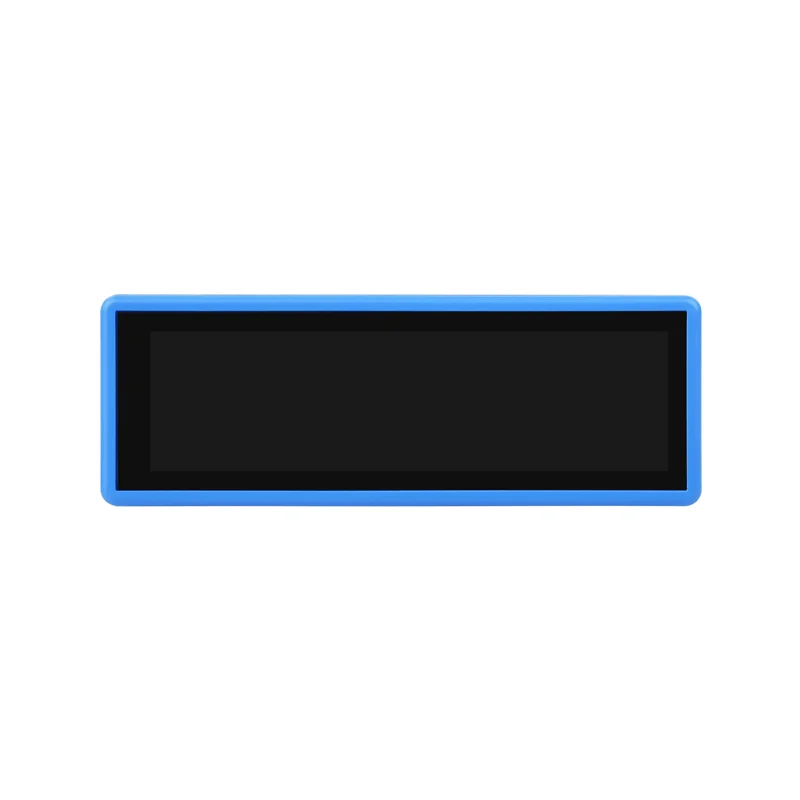
Waveshare RP2350 Development Board w/ 3.49-Inch IPS Capacitive Touch Display

₹3,139.00 (Inclusive of all taxes)
Out of Stock

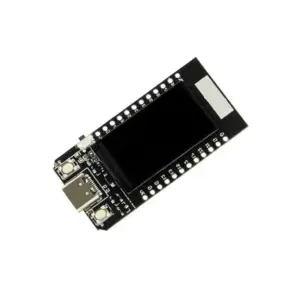
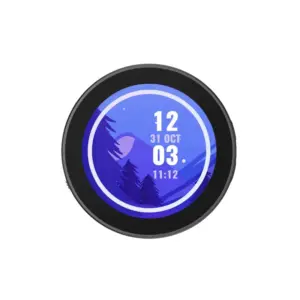
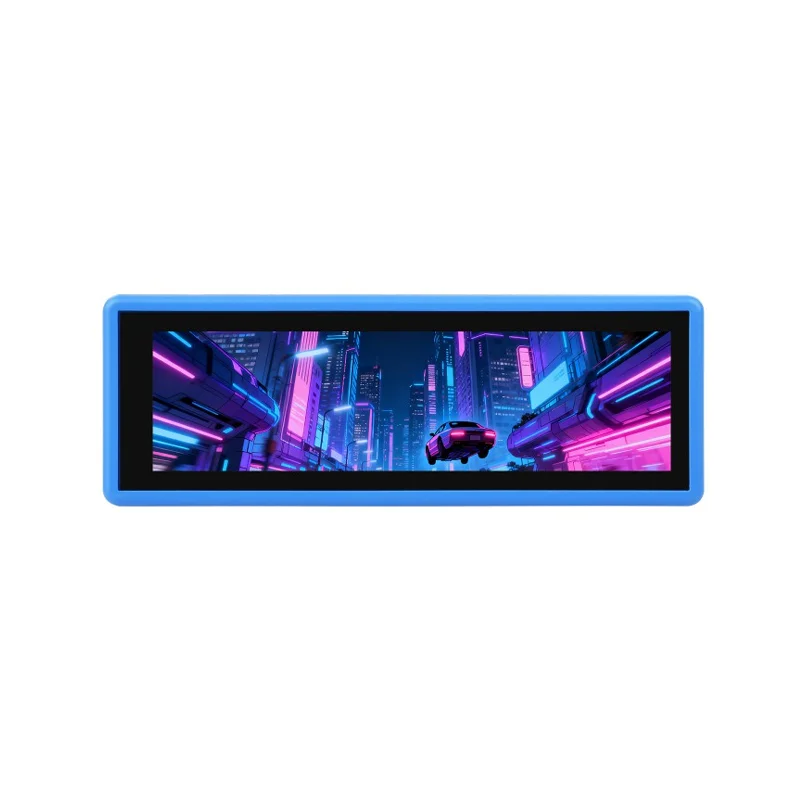
The Waveshare RP2350 Development Board integrates a dual-core RP2350 microcontroller with a 3.49-inch 172×640 IPS capacitive touchscreen, providing a turnkey platform for HMI and interactive embedded applications. It supports Arduino IDE and MicroPython for rapid prototyping of smart devices and low-power IoT systems.

Features

  • High-performance dual-core RP2350 MCU (ARM Cortex-M33/Hazard3 RISC-V) running at up to 150 MHz for responsive UI and processing.
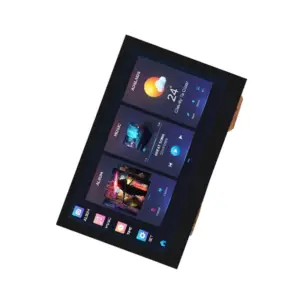
  • Integrated 3.49-inch IPS capacitive touch display with 172×640 resolution and I²C interface for intuitive user interaction.
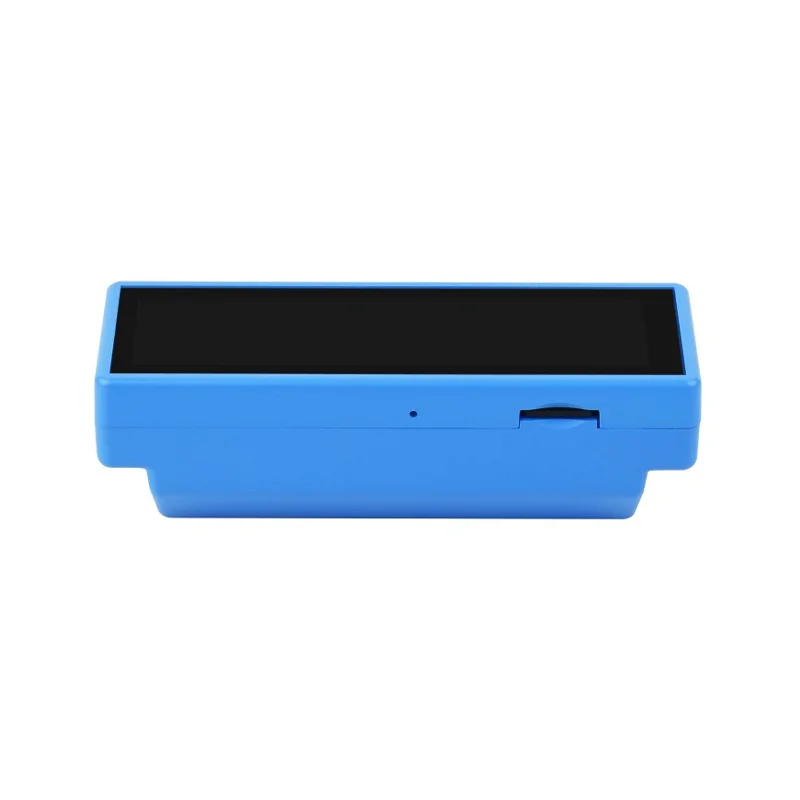
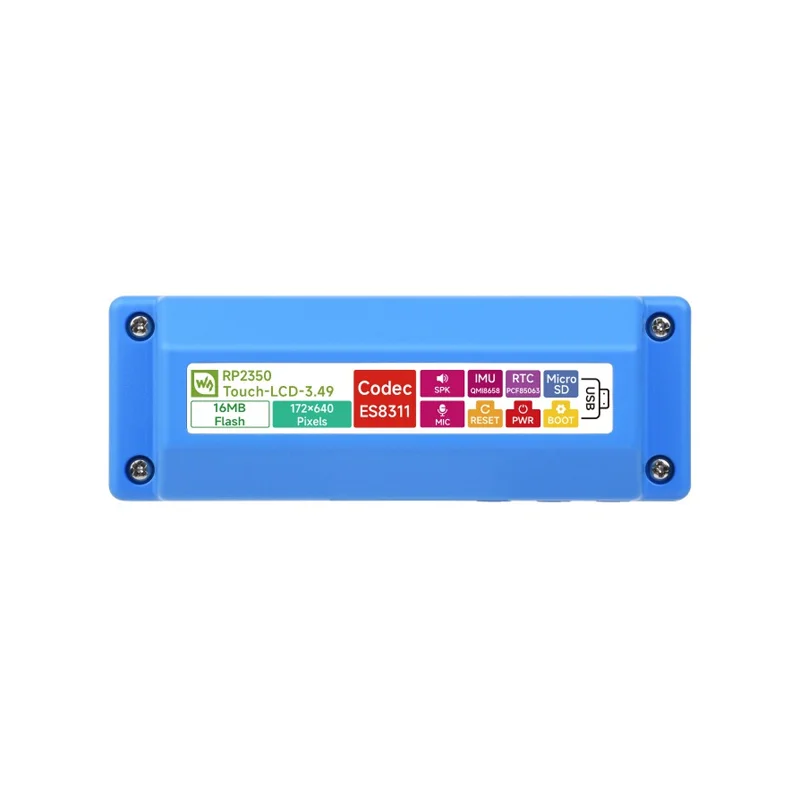
  • Comprehensive onboard peripherals including audio codec, 6-axis IMU, RTC, and TF card slot for feature-rich applications.
  • Supports 3.7V lithium battery operation with a dedicated header and optional 18650 holder for portable, low-power designs.
  • Abundant GPIO with ADC, PWM, UART, SPI, and I²C support for extensive sensor and actuator integration.

Out of stock

Description

The Waveshare RP2350 Development Board is a compact, all-in-one embedded platform designed for rapid development of Human-Machine Interface (HMI) and interactive IoT applications. It combines a powerful dual-architecture RP2350 microcontroller with a high-quality 3.49-inch IPS capacitive touchscreen, driven via a dedicated QSPI interface for fast graphics rendering. The board’s architecture is optimized for firmware and UI development, eliminating the need for external display and touch controller circuitry.

Beyond the core display, the board integrates a suite of essential peripherals including an audio codec for sound playback/recording, a 6-axis IMU for motion sensing, and a real-time clock (RTC) for timekeeping. With support for a 3.7V lithium battery and comprehensive low-power modes, it is ideal for building portable smart devices, wearables, and battery-operated control panels. The extensive GPIO breakout provides direct access to communication buses and analog inputs, facilitating seamless integration with external sensors, modules, and actuators.

Key Features

  • Dual-core, dual-architecture microcontroller (ARM Cortex-M33 & Hazard3 RISC-V) for flexible firmware development.
  • High-resolution 3.49-inch IPS display with capacitive multi-touch for crisp visuals and intuitive control.
  • Onboard AXS15231B display controller with QSPI interface ensures smooth graphics performance.
  • Integrated audio codec enables playback, recording, and voice-based application features.
  • Built-in 6-axis IMU (accelerometer + gyroscope) for motion and orientation sensing.
  • Precise RTC module with battery backup for accurate timekeeping in standalone systems.
  • MicroSD (TF) card slot for expanded file storage and data logging capabilities.
  • Direct lithium battery support with charging circuitry for portable and off-grid deployments.

Applications

  • Touch-based control panels and industrial HMIs for machine operation.
  • Smart home automation interfaces and interactive wall-mounted displays.
  • Portable wearable devices and health monitoring gadgets.
  • Low-power IoT edge devices with local user interaction and data visualization.
  • Prototyping platforms for educational robotics and embedded systems courses.

Technical Specifications

Microcontroller/SoCRP2350 Dual-Core (ARM Cortex-M33 / Hazard3 RISC-V)
Clock FrequencyUp to 150 MHz
RAM520 KB SRAM
Flash Storage16 MB Onboard Flash
Display3.49-inch IPS Capacitive Touch, 172 x 640 pixels
Display InterfaceQSPI
Touch InterfaceI²C
Onboard PeripheralsAudio Codec, 6-axis IMU, RTC, TF Card Slot
Power SupplyUSB 5V or 3.7V Lithium Battery
InterfacesUSB 1.1 Device/Host, GPIO (ADC, PWM, UART, SPI, I²C)
Dimensions99 mm (L) x 35 mm (W)
Weight120 g

Frequently Asked Questions

What development environments are supported for programming the RP2350 board?

The board is supported by the Arduino IDE with a dedicated board package, as well as MicroPython, offering a choice between low-level C/C++ control and high-level scripting. You can also use the official Raspberry Pi Pico C/C++ SDK (RP2040-based tools are often compatible) for bare-metal development. Flashing is typically done via the onboard USB port, which appears as a mass storage device for dragging and dropping UF2 files or via a serial bootloader for more advanced workflows.

How do I connect an external battery to power the board standalone?

To power the board with a lithium battery, connect the positive terminal to the 'BAT+' pin and the negative to 'GND' on the dedicated battery header. The board includes charging circuitry, so when USB is connected, it will charge a connected 3.7V Li-ion or Li-Po cell. For extended battery life, utilize the microcontroller's deep sleep modes via firmware to minimize the operating current, which can be drawn down to microamps when the display and peripherals are disabled.

Can I use the GPIO pins while the touchscreen and display are active?

Yes, the board's pinout provides access to multiple GPIOs that are not used by the primary display and touch controller. These free pins support functions like ADC, PWM, UART, SPI, and I²C, allowing you to interface with sensors, actuators, or communication modules concurrently. Consult the board's pinout diagram to identify which pins are available, as some may be shared with the SD card or other onboard peripherals and might require configuration in your code.

Package Includes

  • 1 x Waveshare RP2350 High-Performance Development Board

Additional Information

Weight 0.12 kg
Dimensions 9.9 × 3.5 cm