SKU: IOWC-0536
📋 GST Invoice Available

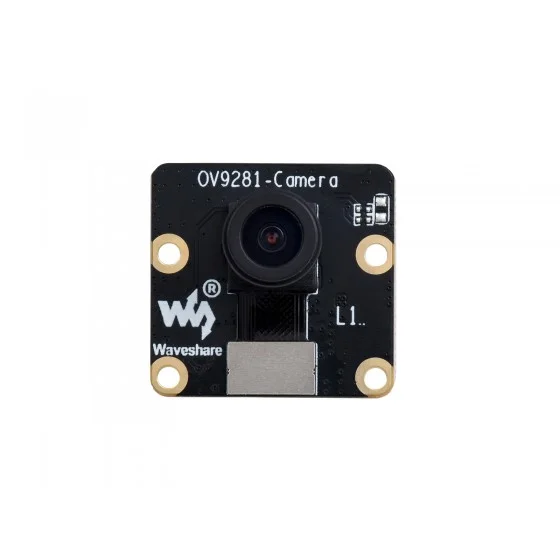
Waveshare OV9281-120 Mono Camera Module, Global Shutter, 1MP

₹3,319.00 (Inclusive of all taxes)
Out of Stock

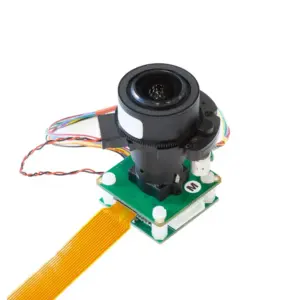
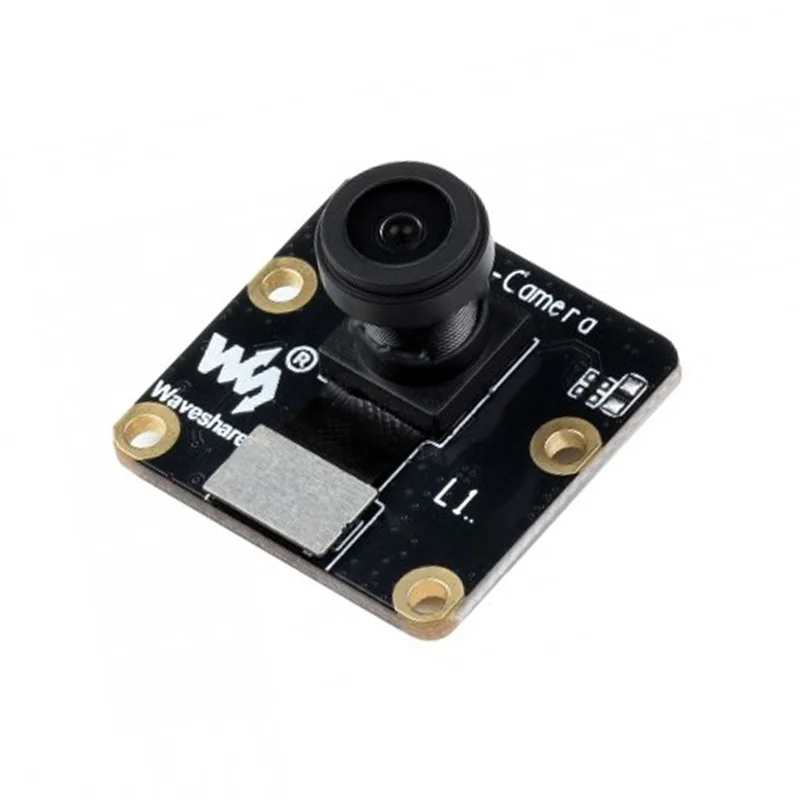
The Waveshare OV9281-120 is a monochrome global shutter camera module designed for Raspberry Pi, connecting directly via the CSI-2 interface. It delivers 1280×800 resolution at up to 120 fps, ideal for machine vision, motion tracking, and low-light applications.

Features

  • Monochrome Global Shutter Sensor: OV9281 CMOS sensor eliminates motion blur for precise capture of fast-moving objects in machine vision and robotics.
  • High-Speed 120 FPS Output: Streams 1MP (1280×800) monochrome video at up to 120 frames per second via 1-lane MIPI CSI-2 interface to Raspberry Pi.
  • Raspberry Pi CSI-2 Native Interface: Plugs directly into Raspberry Pi boards without additional hardware; adapter board supports connecting four cameras simultaneously.
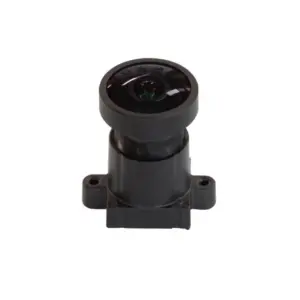
  • Wide 166° Field of View Lens: Fixed-focus lens with F2.0 aperture and built-in 650nm IR cut filter, optimized for visible light imaging.
  • Developer-Friendly SDK Support: Compatible with Arducam SDK and official Raspberry Pi drivers for easy integration into computer vision projects.

Out of stock

Description

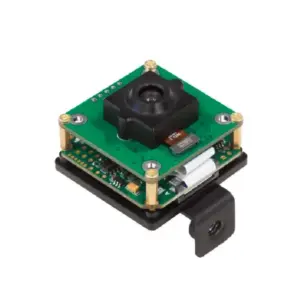
The Waveshare OV9281-120 camera module integrates a 1/4-inch OmniVision OV9281 monochrome CMOS sensor with a global shutter, capturing 1280×800 resolution images without the rolling shutter distortion common in consumer cameras. This makes it suitable for applications requiring precise temporal alignment, such as stereo vision, optical flow, and gesture detection.

Its native MIPI CSI-2 serial interface allows direct connection to Raspberry Pi’s camera port, supporting high-bandwidth data transfer at up to 120 fps. The module includes a wide-angle lens with a 166-degree diagonal field of view and a fixed focus range from 65mm to infinity. The built-in 650nm IR cut filter ensures accurate visible light capture, while the monochrome output (Y8 format) reduces memory and processing overhead for embedded vision systems.

Key Features

  • Global shutter CMOS sensor eliminates motion blur for high-speed imaging.
  • Monochrome 1MP output reduces data bandwidth and enhances low-light sensitivity.
  • Direct Raspberry Pi CSI-2 interface enables plug-and-play connectivity.
  • Supports up to 120 fps at full resolution for real-time video capture.
  • Wide 166° field-of-view lens with fixed focus and F2.0 aperture.
  • Built-in 650nm IR cut filter for accurate visible light imaging.
  • Compatible with Arducam SDK and standard Raspberry Pi camera drivers.
  • Compact 40mm x 40mm board size for space-constrained installations.

Applications

  • Machine vision and industrial automation for part inspection and alignment.
  • Stereo vision and depth sensing systems for robotics and drones.
  • High-speed motion tracking and gesture detection for interactive systems.
  • Security and surveillance imaging with low-light performance.
  • Embedded computer vision projects on Raspberry Pi for education and prototyping.

Technical Specifications

Sensor ModelOmniVision OV9281
Resolution1MP (1280 x 800)
Shutter TypeGlobal Shutter
Output Interface1-lane MIPI CSI-2
Max Frame Rate120 fps @ 1280x800
Lens Focal Length0.83mm EFL
Lens ApertureF2.0
Field of View (Diagonal)166°
Focus TypeFixed Focus (65mm to ∞)
Optical Size1/4 inch
Pixel Size3 μm x 3 μm
IR Filter650nm cut-on built-in
Output FormatRAW 8/10, Y8
Board Dimensions40mm x 40mm
CompatibilityRaspberry Pi (CSI-2), Arducam SDK

Frequently Asked Questions

How do I connect this OV9281 camera to my Raspberry Pi?

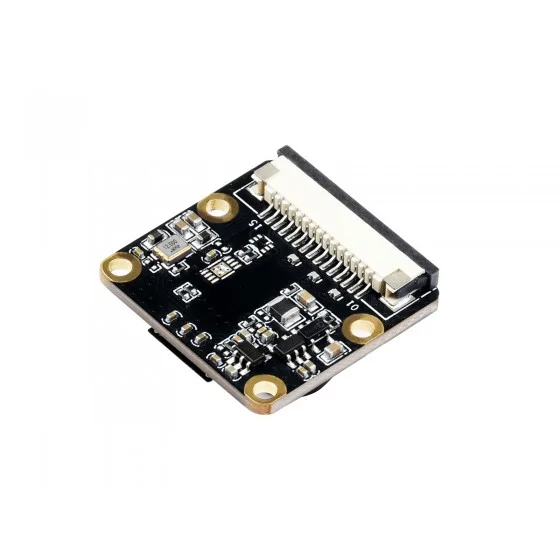
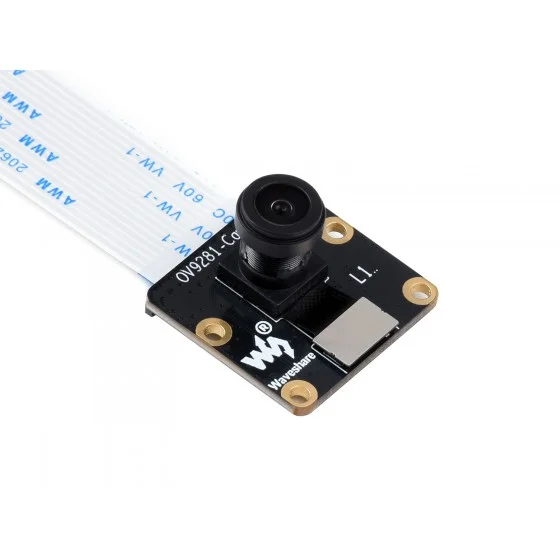
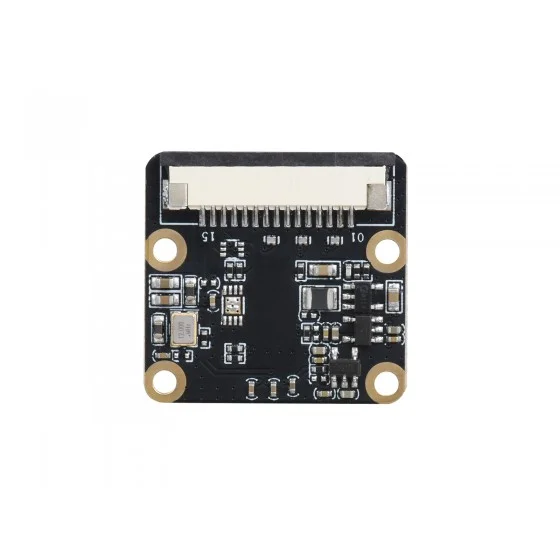
Connect the camera's 15-pin ribbon cable directly to the Raspberry Pi's CSI-2 camera port. Enable the camera interface using 'sudo raspi-config' under Interfacing Options. Install the Arducam SDK or use the standard Raspberry Pi camera drivers to start capturing images and video streams via Python or C++ applications. Ensure the cable is seated firmly with the contacts facing away from the Ethernet port.

What is the advantage of a global shutter over a rolling shutter?

A global shutter captures the entire image sensor simultaneously, eliminating motion blur and distortion when imaging fast-moving objects. This is critical for machine vision, barcode reading, and stereo depth calculation where precise temporal alignment is required. Rolling shutters, common in consumer cameras, scan the sensor row-by-row, causing skew in dynamic scenes.

Can I use this camera for stereo vision or multi-camera setups?

Yes, the global shutter and precise timing make it ideal for stereo vision. Waveshare provides an adapter board that allows connecting four identical OV9281 modules to a single Raspberry Pi via the CSI-2 interface. Synchronize captures using hardware triggers or software commands for accurate 3D reconstruction and depth mapping applications in robotics.

What software and SDKs are compatible with this module?

The module is compatible with the standard Raspberry Pi Camera Driver (libcamera) and the Arducam SDK, which provides additional features and examples. You can use Python (picamera2, OpenCV) or C++ to capture frames. The monochrome Y8 output format reduces processing load, and the Arducam SDK supports advanced controls like frame rate, exposure, and region-of-interest settings.

Does the camera work in low-light conditions?

The monochrome OV9281 sensor has higher per-pixel sensitivity compared to color sensors, improving performance in low light. The fixed F2.0 aperture lens gathers more light. However, for very dark scenes, consider adding external IR illumination, as the built-in 650nm IR cut filter blocks near-infrared light. For best results, ensure adequate visible light or use a sensor without an IR filter for NIR applications.

Package Includes

  • 1 x Waveshare OV9281-120 Mono Camera Module

Additional Information

Weight 0.05 kg
Dimensions 7 × 10 × 3 cm