SKU: DRFC-3275
📋 GST Invoice Available

SpeedyBee Nano 915M ExpressLRS ELRS Receiver

₹1,069.00 (Inclusive of all taxes)
Out of Stock

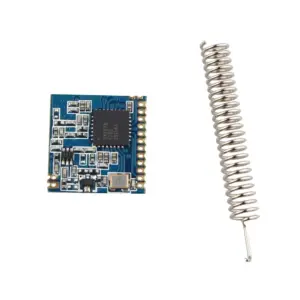
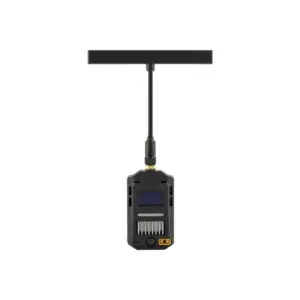
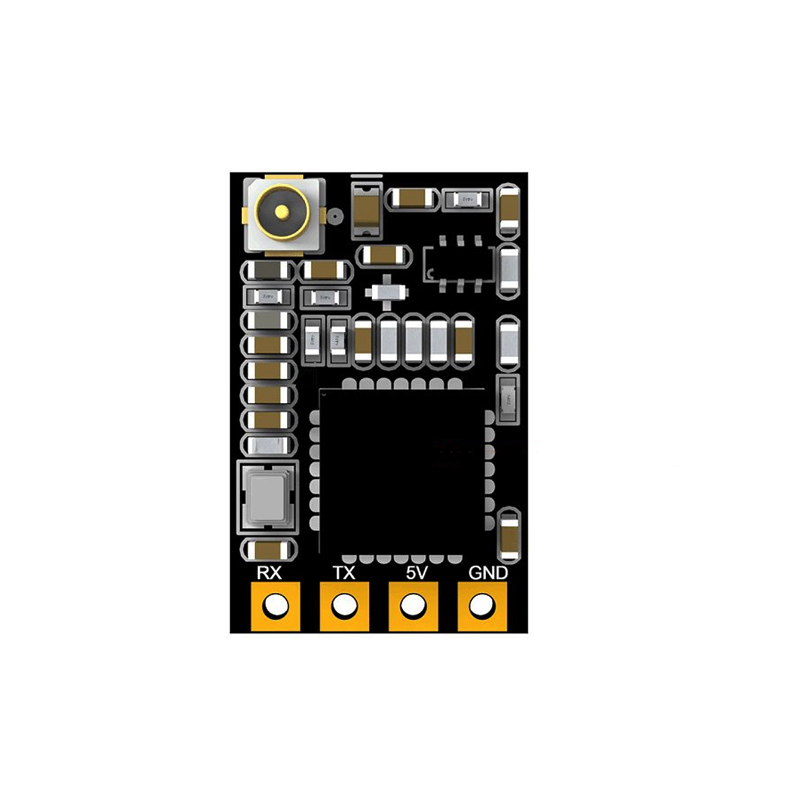
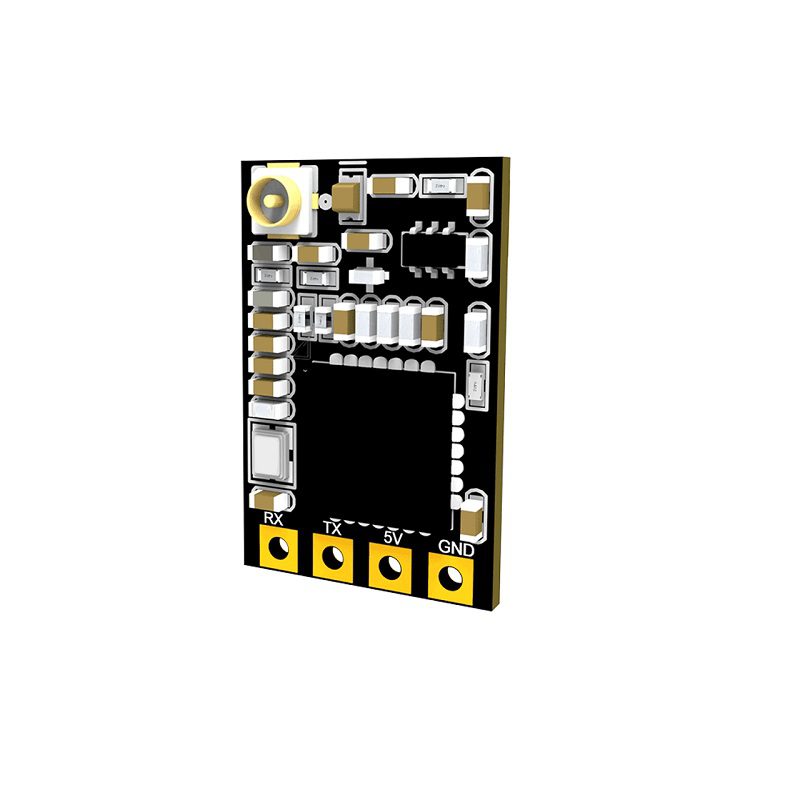
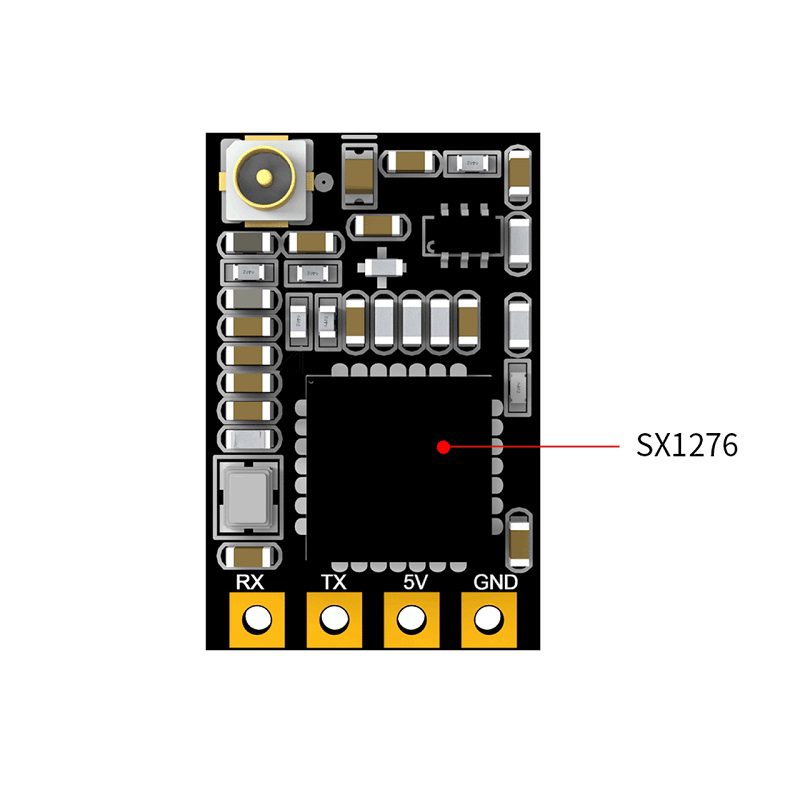
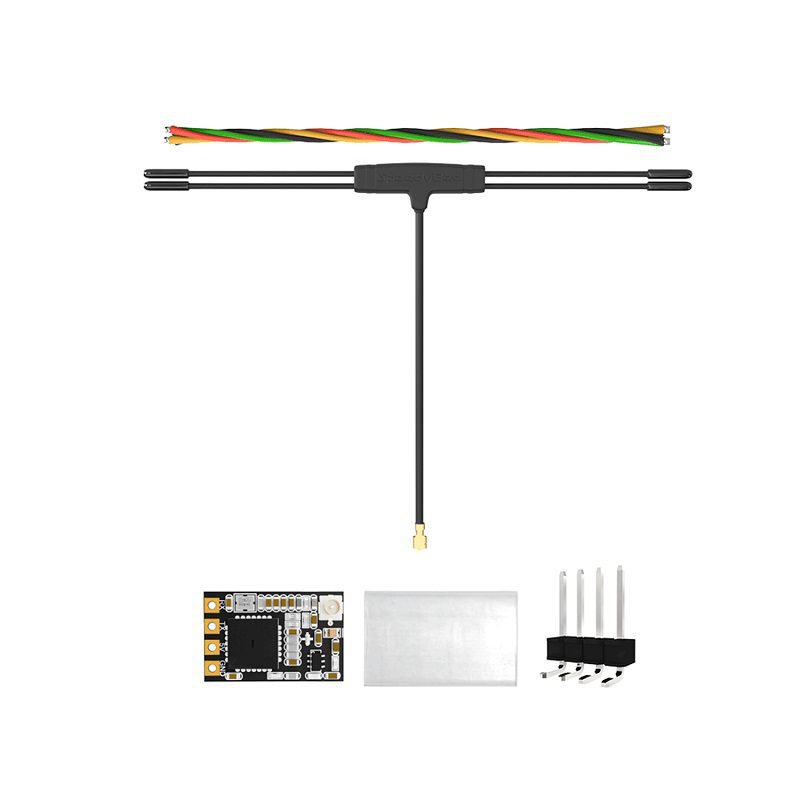
The SpeedyBee Nano 915M ExpressLRS ELRS Receiver is a compact, long-range radio receiver operating on the 915MHz frequency band. It utilizes the open-source ExpressLRS protocol for low-latency, high-refresh-rate control and supports telemetry data transmission for real-time monitoring.

Features

  • 915MHz frequency band for superior long-range performance and obstacle penetration.
  • ExpressLRS protocol ensures ultra-low latency and high packet refresh rates.
  • Nano-sized form factor (17x11mm) and lightweight (0.7g) for micro and small drone builds.
  • Supports full telemetry data transmission back to the transmitter.
  • Features a T-antenna with IPEX1 connector for reliable signal reception.

Out of stock

Description

The SpeedyBee Nano 915M ExpressLRS ELRS Receiver is engineered for pilots requiring extended control range and reliable signal penetration in challenging environments. Its 915MHz operating frequency provides a distinct advantage over 2.4GHz systems when flying in areas with dense foliage or structural obstacles, offering a more robust communication link.

Built around the efficient ExpressLRS firmware, this receiver delivers minimal control latency and supports high refresh rates, translating to precise and responsive pilot inputs. The compact PCB design and ultra-lightweight construction make it an ideal choice for weight-sensitive micro and nano-sized FPV drones where internal space is at a premium.

Key Features

  • 915MHz Long-Range Band: Optimized for extended flight distances and improved signal penetration through obstacles compared to 2.4GHz systems.
  • ExpressLRS Protocol Core: Leverages the open-source, high-performance ELRS standard for rock-solid, low-latency control links.
  • Ultra-Compact Nano Design: Measures just 17mm x 11mm with a weight of only 0.7 grams, perfect for the tightest build spaces.
  • Full Telemetry Support: Enables real-time transmission of flight data such as RSSI, battery voltage, and GPS coordinates back to the transmitter.
  • Integrated T-Antenna: Features a soldered T-style antenna with an IPEX1 connector, providing a balanced radiation pattern for reliable reception.
  • Optimized Power Efficiency: Designed for low power consumption, helping to maximize flight times on small battery packs.

Applications

  • Long-range micro and nano FPV drones requiring reliable signal penetration.
  • Small-scale freestyle or cinematic quadcopters where saving weight and space is critical.
  • DIY RC projects and experimental aircraft needing a compact 915MHz control link.
  • Backup or secondary receiver systems for extended BVLOS (Beyond Visual Line of Sight) operations.

Technical Specifications

Item TypeReceiver
Frequency915MHz
ProtocolExpressLRS (ELRS)
Antenna TypeT-antenna
Antenna ConnectorIPEX1
Power Rating50mW
FirmwareSpeedyBee Nano 2.4GHz RX 3.4.3 (Example)
Dimensions (L x W)11mm x 17mm
Weight0.7g
ColorBlack

Frequently Asked Questions

What is the main advantage of using a 915MHz receiver like the SpeedyBee Nano 915M over a 2.4GHz one?

The 915MHz frequency band offers superior signal penetration through obstacles like trees and buildings and typically provides longer range compared to 2.4GHz systems. This makes the SpeedyBee Nano 915M ideal for flying in environments where a clear line of sight cannot be maintained, such as forests or urban areas, ensuring a more robust control link.

Is this receiver compatible with my 2.4GHz ExpressLRS transmitter?

No, the SpeedyBee Nano 915M operates exclusively on the 915MHz frequency band. To use it, you must have a transmitter equipped with a 915MHz ExpressLRS module. It will not bind or communicate with a native 2.4GHz ExpressLRS radio. Always ensure your transmitter and receiver operate on the same frequency.

How do I update the firmware on the SpeedyBee Nano 915M receiver?

Firmware updates are performed using the ExpressLRS Configurator, a browser-based tool, or the ExpressLRS Lua script on your transmitter. You will need a serial passthrough connection, typically via the receiver's UART pins to a flight controller, or a dedicated Wi-Fi update module. Always download the correct firmware target for the 'SpeedyBee Nano 915' model.

What is the typical control range I can expect with this receiver?

Range is highly dependent on transmitter power output, antenna setup, and environmental conditions. With a standard 915MHz transmitter module set to a legal power limit (e.g., 250mW or 500mW) and clear conditions, you can expect several kilometers of reliable control range. Its 915MHz frequency provides better resilience to interference and signal degradation over distance compared to 2.4GHz.

Package Includes

  • 1 x SpeedyBee Nano 915M ExpressLRS ELRS Receiver

Additional Information

Weight 0.0007 kg
Dimensions 1.1 × 1.7 cm