SKU: IOWC-1297
📋 GST Invoice Available

Sipeed M0Sense AIoT Development Board BL702 RISC-V BLE 5.0

₹449.00 (Inclusive of all taxes)
Out of Stock

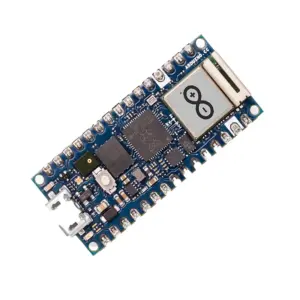
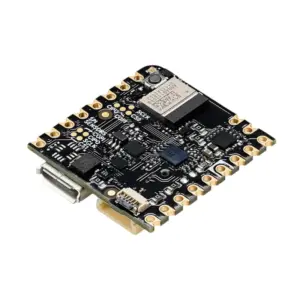
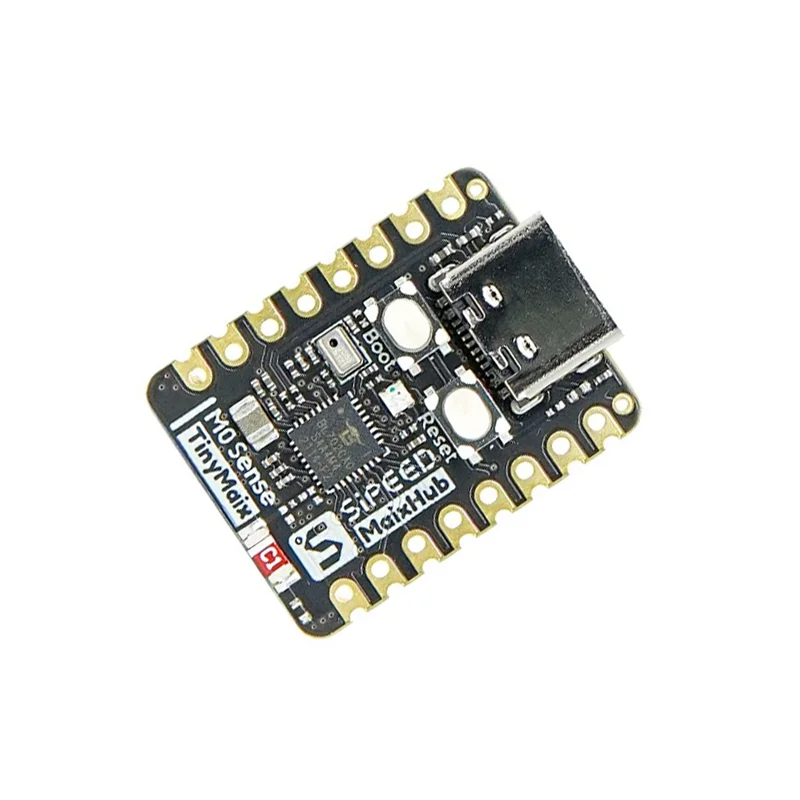
The Sipeed M0Sense is an AIoT development board built around the Bouffalo Lab BL702 RISC-V microcontroller, featuring Bluetooth 5.0/BLE connectivity, an onboard microphone, RGB LED, and 6-axis IMU for sensor-driven edge applications.

Features

  • RISC-V BL702 MCU running at 144MHz for efficient, low-power AIoT processing.
  • Integrated Bluetooth 5.0/BLE for low-energy wireless connectivity and mesh networking.
  • Onboard sensor suite includes analog microphone, RGB LED, and 6-axis IMU (accelerometer/gyroscope).
  • USB 2.0 Full-Speed interface via USB Type-C for easy programming and power supply.
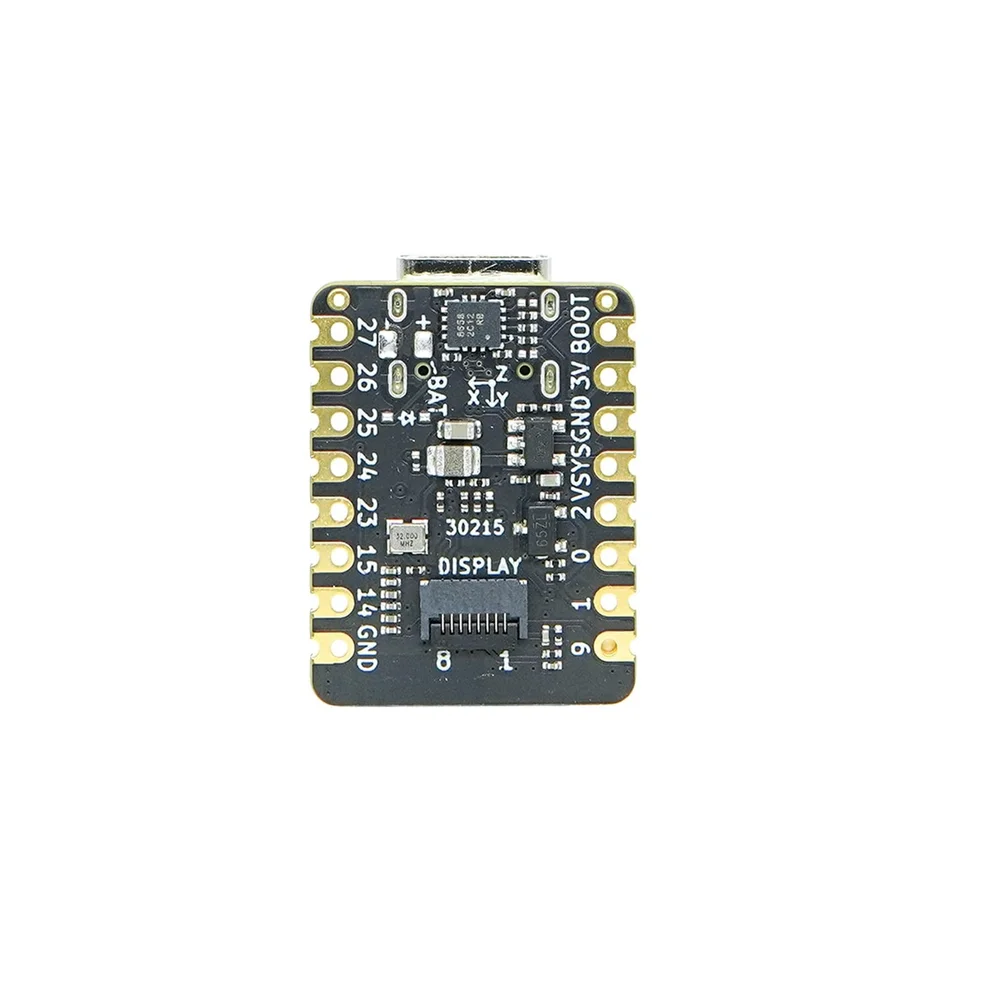
  • Features an 8-pin FPC connector for direct attachment of LCD screens and displays.

Out of stock

Description

The Sipeed M0Sense AIoT development board is engineered for rapid prototyping of sensor-fusion and edge intelligence applications. Its core is the Bouffalo Lab BL702, a 32-bit RISC-V processor operating at 144MHz, which balances computational performance with the power efficiency required for battery-operated IoT nodes.

Wireless communication is handled by the integrated Bluetooth 5.0 Low Energy (BLE) radio, enabling the board to act as a peripheral or central device in smart home, wearable, or beacon networks. The inclusion of a high-fidelity analog microphone, a programmable RGB LED, and a precise six-axis inertial measurement unit (IMU) provides a complete sensor hub on a single compact PCB, eliminating the need for external breakout boards.

Key Features

  • BL702 RISC-V Core: 144MHz 32-bit processor with 132KB SRAM for embedded AI and IoT workloads.
  • Dual-Mode Bluetooth: Supports both Bluetooth 5.0 and BLE for flexible, low-power wireless communication.
  • Integrated Sensor Hub: Combines an analog MEMS microphone, RGB status LED, and 6-axis IMU (3-axis accelerometer + 3-axis gyroscope).
  • Developer-Friendly I/O: Exposes GPIO via pin headers and includes an 8-pin FPC connector for attaching SPI/I2C displays.
  • Streamlined Development: Programmable via USB Type-C using Bouffalo Lab's SDK or community-supported Arduino/PlatformIO cores.

Applications

  • Voice-activated IoT devices and smart home voice control interfaces.
  • Wearable fitness trackers and motion-sensing gesture control systems.
  • BLE beacon networks for indoor positioning and asset tracking.
  • Prototyping for AIoT edge nodes with sensor fusion capabilities.
  • Educational platforms for learning RISC-V architecture and embedded Bluetooth development.

Technical Specifications

Microcontroller / SoCBouffalo Lab BL702 (RV32 RISC-V)
Operating Frequency144 MHz
Wireless ProtocolBluetooth 5.0 / BLE
Onboard SensorsAnalog Microphone, RGB LED, 6-axis IMU
Supply Voltage5V (via USB Type-C)
SRAM132 KB
USB InterfaceUSB 2.0 Full-Speed, Type-C Connector
Display Interface8-pin FPC Connector (for LCD)
Operating Temperature-10°C to +65°C
Dimensions (L x W)23.8 mm x 18.4 mm

Frequently Asked Questions

How do I program the Sipeed M0Sense development board?

You can program the M0Sense using the official Bouffalo Lab SDK and toolchain, which supports C/C++ development on Windows, Linux, and macOS. The board appears as a serial COM port when connected via USB Type-C. Alternatively, community-developed support for the Arduino IDE and PlatformIO allows for quicker prototyping. You'll need to install the appropriate board package and select the 'Sipeed M0Sense (BL702)' target before uploading your compiled firmware.

What is the purpose of the 8-pin FPC connector on the board?

The 8-pin Flat Flexible Cable (FPC) connector provides a direct interface for attaching compatible LCD screens or other display modules, commonly using SPI or I2C communication protocols. This allows developers to create projects with a visual user interface without needing to manually wire a separate display breakout board. You will need to check the pinout documentation for the specific display you intend to use to ensure compatibility with the connector's signal assignments.

Can I power the M0Sense board with a battery for portable projects?

Yes, the board can be powered via its 5V USB Type-C port, which is the primary method. For battery operation, you can use a USB power bank or connect a regulated 5V supply to the appropriate pins on the header, ensuring correct polarity. Be mindful of the board's operating voltage range. The integrated Bluetooth Low Energy radio and the RISC-V core's sleep modes are designed to minimize power consumption, making the M0Sense suitable for battery-powered sensor nodes and wearable applications.

Package Includes

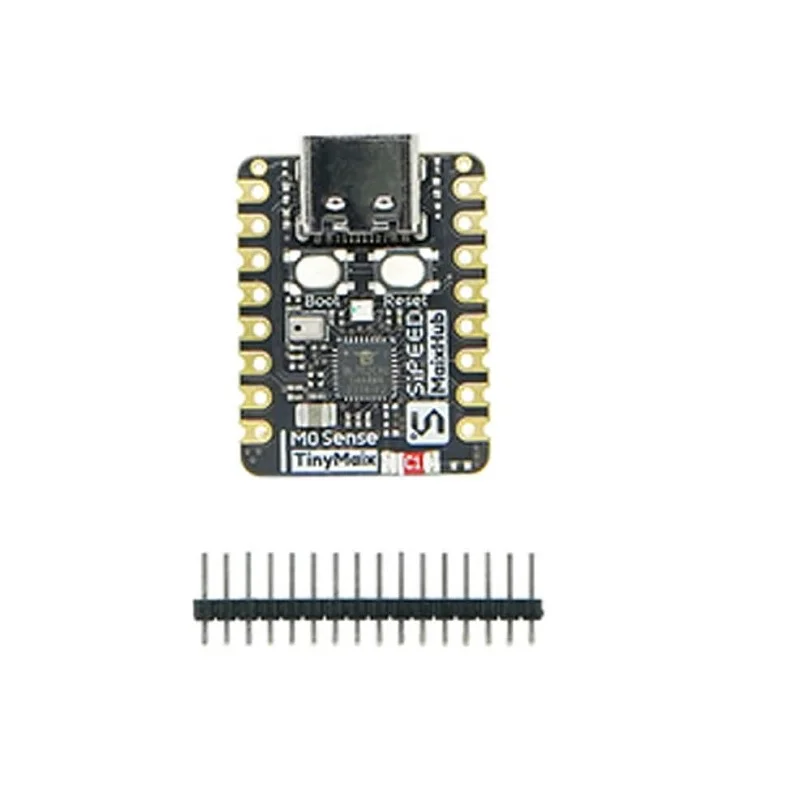
  • 1 x Sipeed M0Sense AIoT Development Board
  • 1 x 16-Pin Header (pre-soldered or loose)

Additional Information

Weight 0.005 kg
Dimensions 2.38 × 1.84 cm