SKU: IOWC-1680
📋 GST Invoice Available

Seeed Studio Studio XIAO ESP32S3 & Wio-SX1262 Kit for Meshtastic & LoRaWAN

₹1,679.00 (Inclusive of all taxes)
Out of Stock

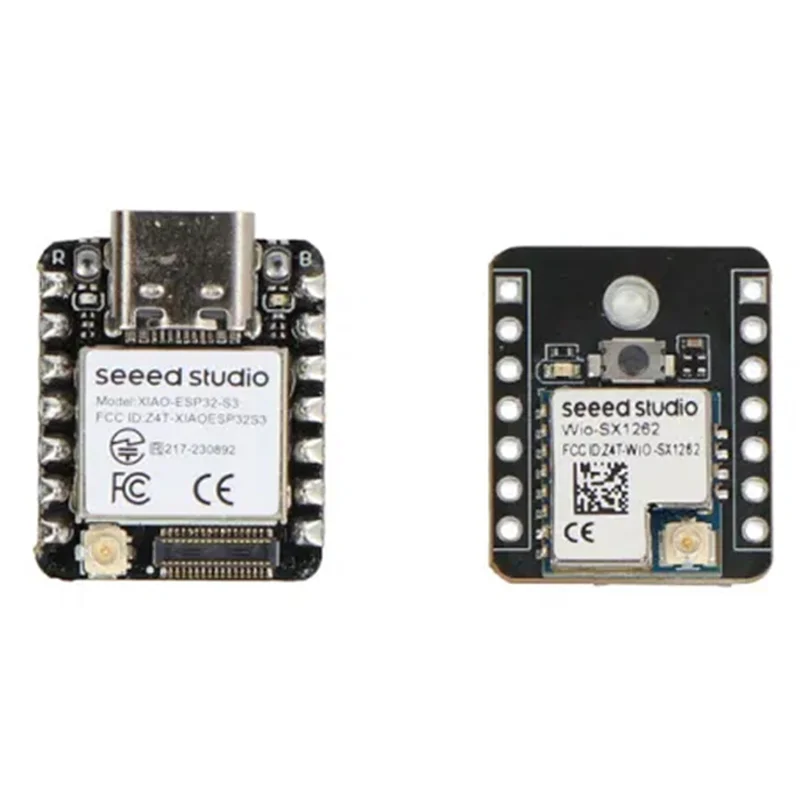
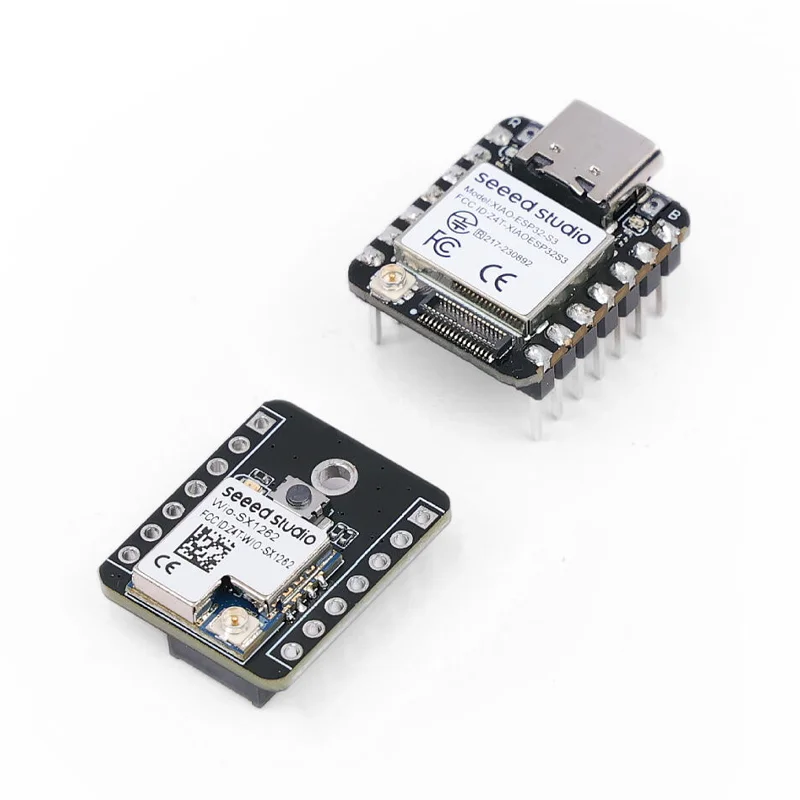
The Seeed Studio Studio XIAO ESP32S3 & Wio-SX1262 Kit is a compact, pre-flashed development board for Meshtastic and LoRaWAN networks. Powered by a dual-core ESP32-S3 with Wi-Fi/BLE 5.0 and an SX1262 LoRa module, it enables long-range, low-power IoT sensor nodes and mesh gateways, programmable via Arduino IDE or MicroPython.

Features

  • Pre-flashed with Meshtastic firmware for plug-and-play LoRa mesh network deployment.
  • Dual-core ESP32-S3 MCU (up to 240MHz) with integrated 2.4GHz Wi-Fi and Bluetooth 5.0 for multi-protocol connectivity.
  • SX1262 LoRa transceiver supports 862–930MHz bands with a typical range of 2–5km for long-distance telemetry.
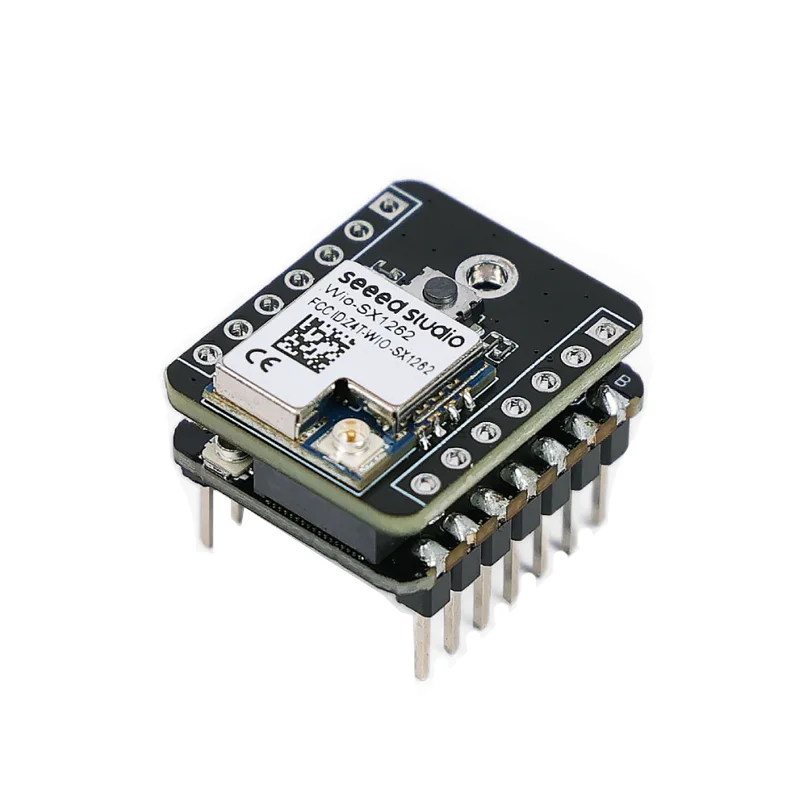
  • Ultra-compact thumb-sized form factor (21x18mm) with built-in USB-C and LiPo battery charging circuitry.
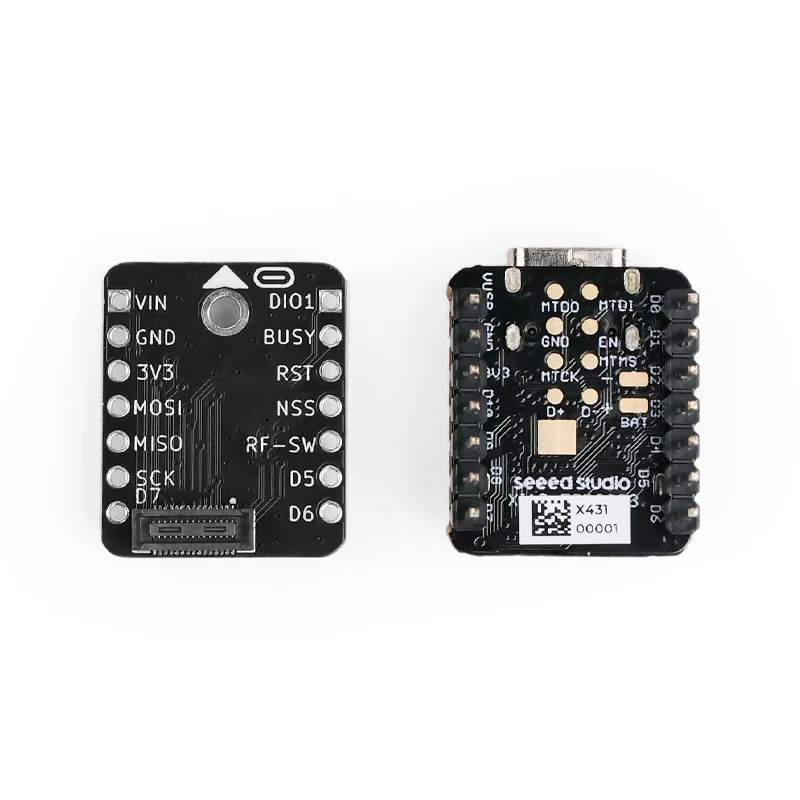
  • Extensive I/O expansion via GPIO, UART, I2C, SPI, and ADC pins, compatible with XIAO and Grove ecosystem boards.

Out of stock

Description

This integrated development kit combines Seeed Studio Studio’s XIAO ESP32S3 microcontroller with the Wio-SX1262 LoRa extension board into a single, field-ready solution for Meshtastic and LoRaWAN applications. The ESP32-S3 provides robust dual-core processing and 2.4GHz wireless connectivity, while the SX1262 transceiver handles long-range, sub-GHz communication with excellent link budget and sensitivity down to -148 dBm.

Designed for low-power operation, the board includes onboard battery management for portable and solar-powered IoT nodes. Its modular architecture allows the LoRa radio to be used independently via UART AT commands or integrated with custom firmware. The kit is ideal for developers building decentralized sensor networks, remote telemetry systems, or single-channel gateways that require both local Wi-Fi/Bluetooth and long-range LoRa backhaul.

Key Features

  • Pre-configured Meshtastic firmware enables immediate deployment in peer-to-peer LoRa mesh networks.
  • High-performance ESP32-S3 RISC-V/XTensa LX7 dual-core processor delivers ample compute for edge applications.
  • SX1262 LoRa chipset offers programmable spreading factor, bandwidth, and coding rate for optimized range vs. data rate.
  • Integrated USB-C port provides 5V power, serial communication, and firmware programming without external debuggers.
  • Onboard LiPo battery charger with JST connector supports portable and solar-powered IoT deployments.
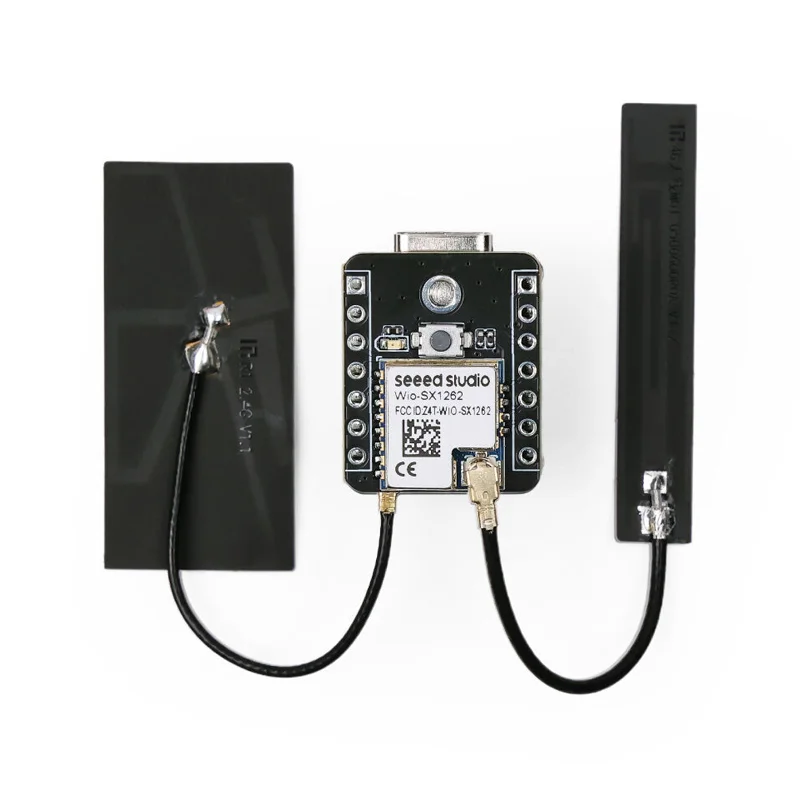
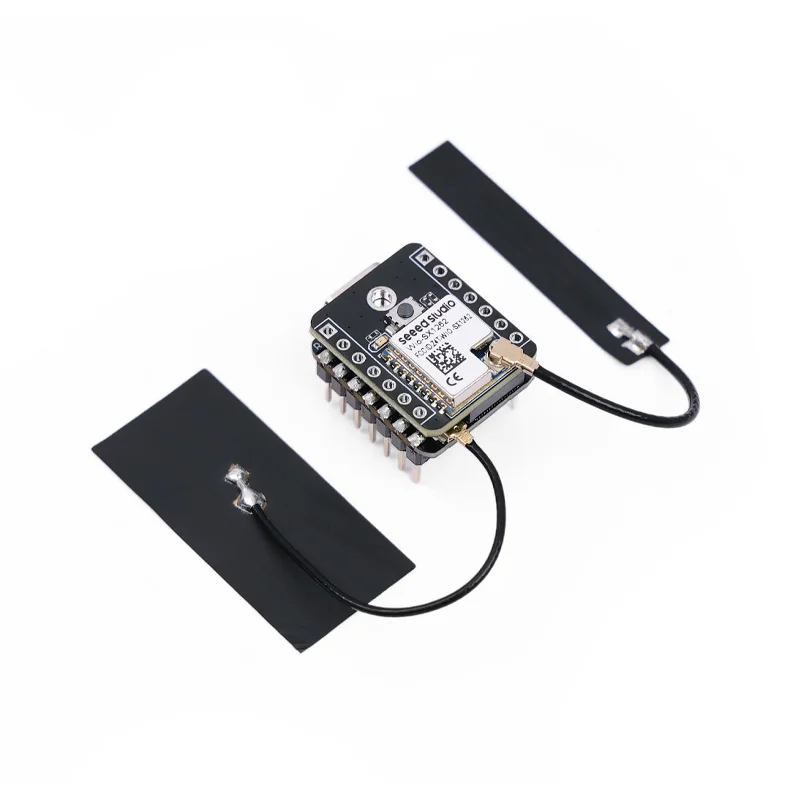
  • IPEX antenna connectors for both Wi-Fi/BLE and LoRa radios, included with dedicated antennas.
  • Full Arduino IDE and MicroPython support for rapid prototyping and custom application development.
  • Extensive Grove and XIAO expansion ecosystem compatibility for adding sensors, displays, and actuators.

Applications

  • Decentralized Meshtastic communication nodes for off-grid and community networks.
  • Long-range environmental sensors for agriculture, weather stations, and soil monitoring.
  • Asset tracking and fleet management with combined GPS, LoRa, and Wi-Fi connectivity.
  • Smart city IoT infrastructure for distributed air quality, noise, and parking sensors.
  • Portable wearable devices and emergency beacons with mesh networking capabilities.

Technical Specifications

Microcontroller/SoCESP32-S3 (Dual-core, up to 240MHz)
Wireless ProtocolsLoRa (SX1262), 2.4GHz Wi-Fi, Bluetooth 5.0
LoRa Frequency Range862 – 930 MHz
RF Transmit PowerProgrammable up to +22 dBm (SX1262)
RF Sensitivity-148 dBm (LoRa, SF=12, BW=125 kHz)
Supply Voltage5V via USB-C, 3.3V regulated
Operating Current~80mA active (Wi-Fi/LoRa), <10μA deep sleep
InterfacesUSB-C, UART, I2C, SPI, GPIO, ADC
Antenna ConnectorIPEX (for both Wi-Fi/BLE and LoRa)
Operating Temperature-40°C to +65°C
Dimensions (Board)Approx. 21 x 18 mm (XIAO ESP32S3)

Frequently Asked Questions

How do I program this kit for a custom LoRaWAN application?

Install the ESP32-S3 board package in Arduino IDE or set up ESP-IDF. Connect via USB-C, select the 'XIAO ESP32S3' board target, and use the UART serial port to send AT commands to the Wio-SX1262 module. You can also write native code using the RadioLib library to directly control the SX1262's LoRa parameters like frequency, SF, and bandwidth. The default Meshtastic firmware can be overwritten via serial flashing.

What is the typical power consumption and how do I power it with a battery?

Active current with both radios on is approximately 80-100mA. In deep sleep mode, current drops below 10μA, enabling years of operation on a single charge. Connect a 3.7V LiPo battery to the onboard JST PH connector; the integrated TP4056 charger manages charging via USB-C. Configure deep sleep in firmware using ESP32's RTC or GPIO wake-up triggers to maximize battery life for field deployments.

Can I use this kit as a single-channel LoRaWAN gateway?

Yes. The ESP32-S3 can run a basic single-channel packet forwarder, connecting to The Things Network via Wi-Fi. You need to configure the SX1262 on a fixed frequency and SF, then use the ESP32's Wi-Fi to bridge received LoRa packets to a LoRaWAN network server via MQTT. This setup is suitable for low-density monitoring but lacks the concurrent multi-channel capacity of a full gateway.

How do I change the LoRa frequency from 868MHz to 915MHz for North America?

Modify the frequency setting in your firmware. Using Arduino and RadioLib, call 'setFrequency(915000000)' during SX1262 initialization. Ensure you also attach the correct 915MHz antenna for optimal performance. If using the pre-loaded Meshtastic firmware, you can change the region and frequency via the Meshtastic mobile app over Bluetooth, which reconfigures the radio parameters automatically for the selected locale.

Package Includes

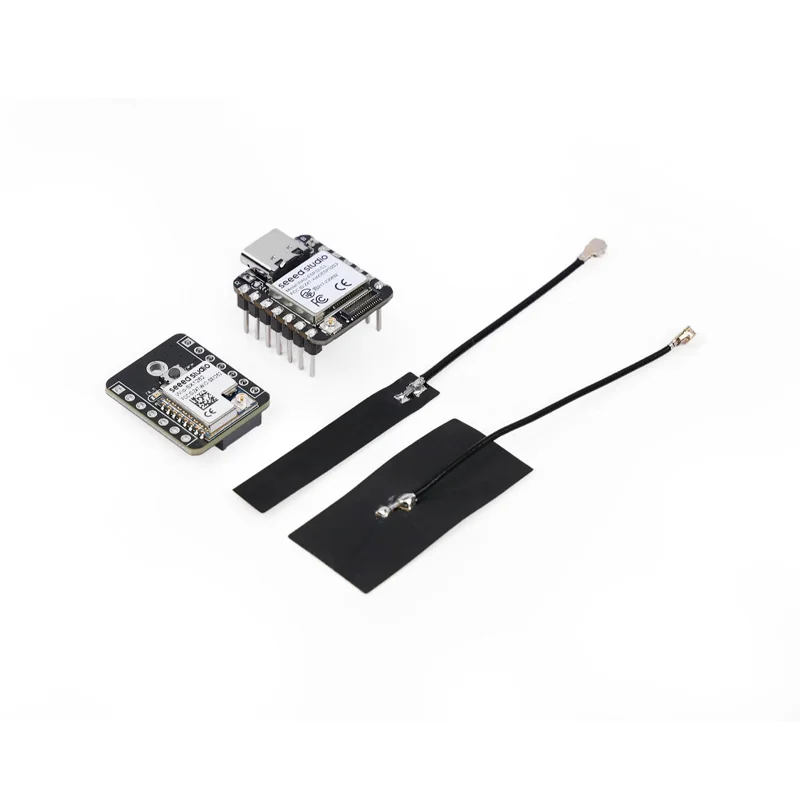
  • 1 x Seeed Studio Studio XIAO ESP32S3 Module
  • 1 x Wio-SX1262 LoRa Extension Board
  • 1 x Wi-Fi/BLE 2.4GHz Antenna (IPEX)
  • 1 x LoRa Antenna (IPEX, 868/915MHz)

Additional Information

Weight 0.05 kg
Dimensions 18.5 × 22 × 18.5 cm