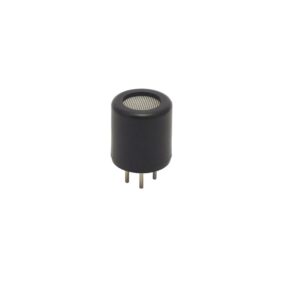
SKU: SENS-3168
📋 GST Invoice Available

OPT101 Analog Light Sensor Module with Monolithic Photodiode

₹1,029.00 (Inclusive of all taxes)
Out of Stock

The OPT101 Analog Light Sensor Module integrates a monolithic photodiode and transimpedance amplifier on a single chip, providing a linear analog voltage output proportional to incident light intensity. It operates from 2.7V to 36V, making it compatible with a wide range of microcontroller ADCs, including Arduino, Raspberry Pi, and industrial PLCs for precise ambient light measurement.

Features

  • Monolithic OPT101 chip integrates photodiode and transimpedance amplifier for low-noise, high-linearity operation.
  • Linear analog voltage output directly proportional to light intensity, simplifying ADC interfacing.
  • Wide 2.7V to 36V operating voltage range supports both 3.3V/5V logic and higher industrial supply rails.
  • Low 120µA quiescent current enables efficient use in battery-powered and portable sensing systems.
  • Photoconductive mode operation provides excellent linearity and minimal dark current for accurate low-light detection.

Out of stock

Description

The OPT101 Analog Light Sensor Module is engineered for precision light intensity measurement by combining a photodiode and a transimpedance amplifier on a single monolithic IC. This integration eliminates common issues associated with discrete designs, such as parasitic capacitance, leakage current errors, and external noise pickup, resulting in a stable and linear analog voltage signal. The output voltage scales directly with the intensity of incident light, providing a straightforward interface for analog-to-digital conversion in embedded systems.

Operating in photoconductive mode, the sensor offers superior linearity across a broad illumination range and maintains very low dark current, ensuring accurate measurements even in dim conditions. Its wide supply voltage compatibility from 2.7V to 36V allows for flexible integration into 3.3V or 5V microcontroller platforms like Arduino and ESP32, as well as higher-voltage industrial control and data acquisition systems. The module’s compact form factor and tool-free installation facilitate rapid prototyping and deployment in space-constrained applications.

Key Features

  • High-precision monolithic photodiode and amplifier IC (OPT101) for integrated, low-noise signal conditioning.
  • Linear analog voltage output provides direct, unscaled measurement of light intensity for simplified system design.
  • Exceptionally wide 2.7V to 36V DC operating range supports versatile power supply configurations.
  • Ultra-low 120µA quiescent current maximizes energy efficiency for battery-operated and IoT sensor nodes.
  • Photoconductive operating mode ensures excellent output linearity and minimal dark current drift.
  • Single-chip design reduces parasitic capacitance and improves bandwidth and stability compared to discrete solutions.
  • Compact module format with pre-soldered pin headers for easy breadboard and prototype board integration.

Applications

  • Ambient light sensing and automatic brightness control for LCD displays and LED lighting systems.
  • Precision light intensity measurement in scientific instrumentation and laboratory photometry setups.
  • Light exposure monitoring in agricultural growth chambers and photographic equipment.
  • Battery-powered IoT environmental sensors for smart building and occupancy detection systems.
  • Industrial process control for detecting light levels in automated assembly and packaging lines.

Technical Specifications

Item TypeAnalog Light Sensor Module
ChipsetOPT101 Monolithic Photodiode
Output SignalAnalog Voltage (Linear with Light Intensity)
Operating Voltage2.7 – 36 V DC
Quiescent Current120 µA
Operating ModePhotoconductive Mode
Module Length25 mm
Module Width17 mm
Module Weight3 g

Frequently Asked Questions

What is the output signal of the OPT101 module and how do I interface it with a microcontroller?

The module provides a linear analog voltage output that increases proportionally with incident light intensity. To interface, connect the module's VCC and GND to a power supply between 2.7V and 36V, and connect the analog output pin directly to an ADC input on a microcontroller like an Arduino or Raspberry Pi. No external amplification or conditioning is typically required due to the integrated transimpedance amplifier.

Can this sensor operate with a 3.3V microcontroller like an ESP32?

Yes, the OPT101 module's wide 2.7V to 36V operating range fully supports 3.3V logic systems. You can power it directly from the ESP32's 3.3V pin. The analog output will be scaled relative to the supply voltage, so ensure your microcontroller's ADC reference voltage matches the sensor's VCC for accurate readings.

What is the difference between photoconductive and photovoltaic mode, and which does the OPT101 use?

The OPT101 operates in photoconductive mode, where a reverse bias is applied across the photodiode. This mode offers superior linearity of output current versus light intensity and faster response times compared to photovoltaic (zero-bias) mode. The integrated circuit handles the biasing internally, providing a stable, linear voltage output ideal for precision measurement applications.

Package Includes

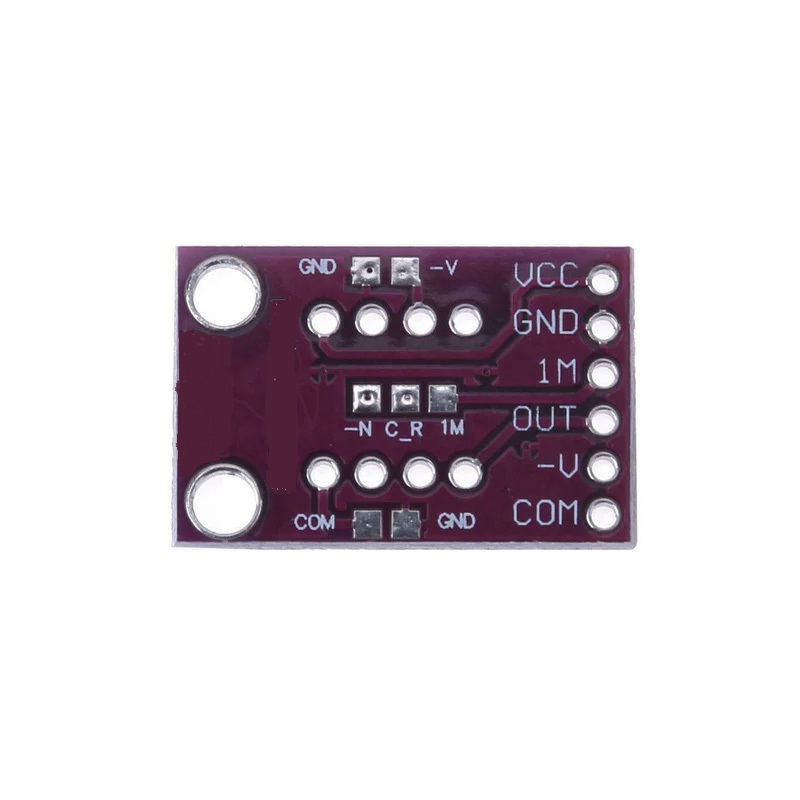
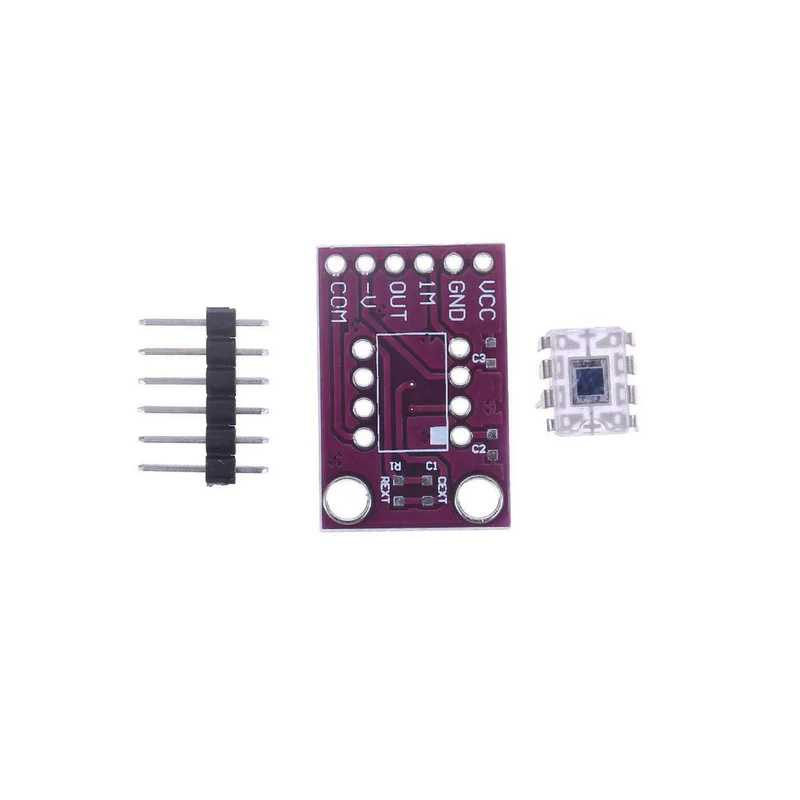
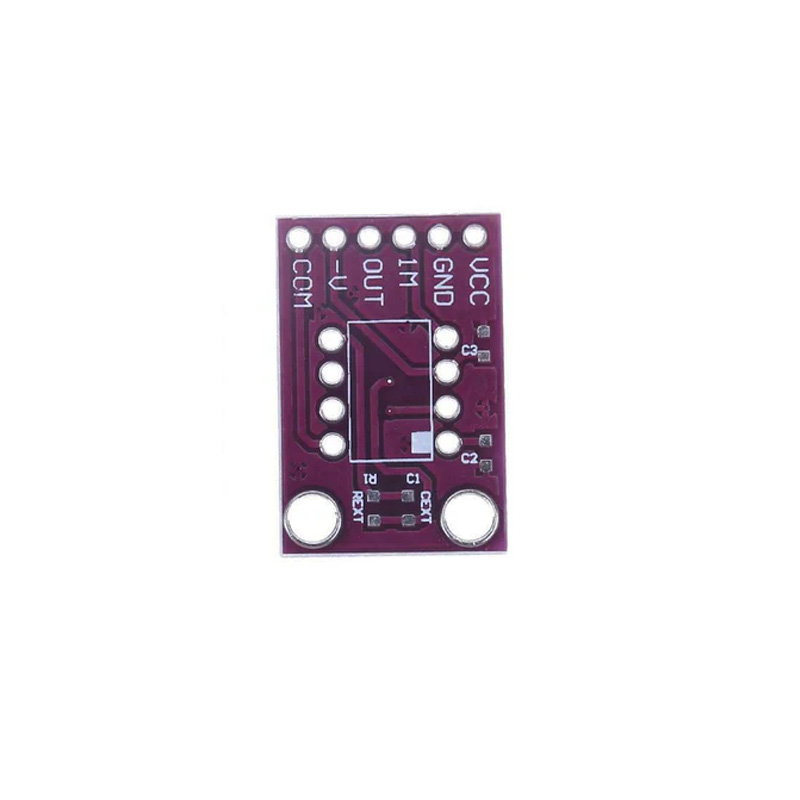
  • 1 x CJMCU101 OPT101 Analog Light Intensity Sensor Module
  • 1 x Monolithic Photodiode Module
  • 1 x Pin Connector

Additional Information

Weight 0.003 kg
Dimensions 2.5 × 1.7 × 1.3 cm

Related Products