SKU: IOWC-1894
📋 GST Invoice Available

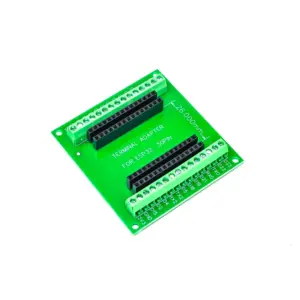
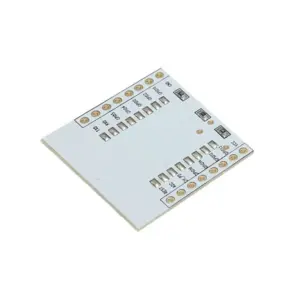
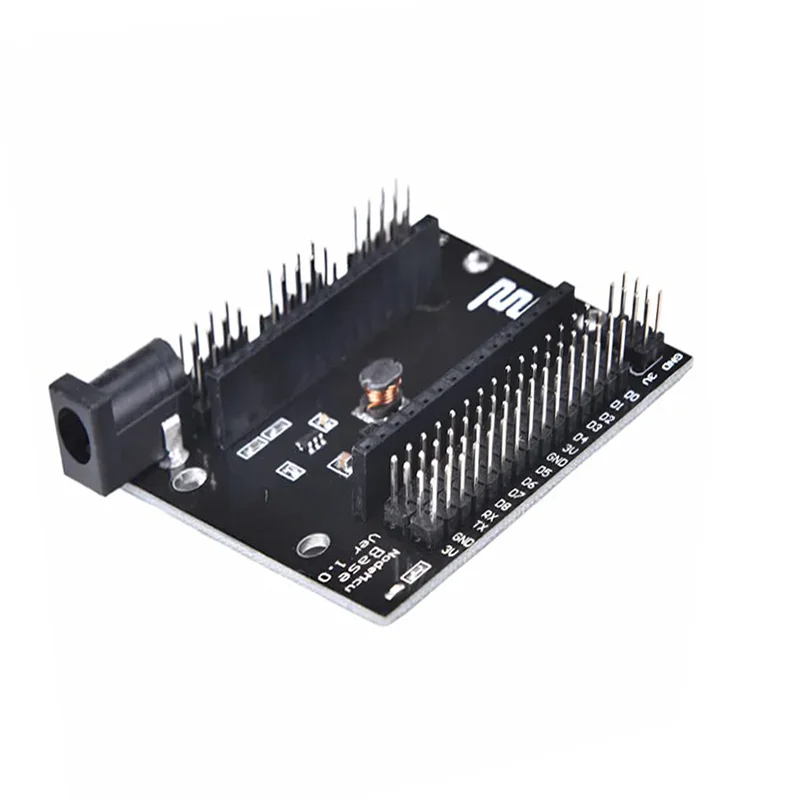
NodeMCU ESP8266 Serial Port Baseboard Lua WIFI Development Board

₹104.00 (Inclusive of all taxes)
Out of Stock

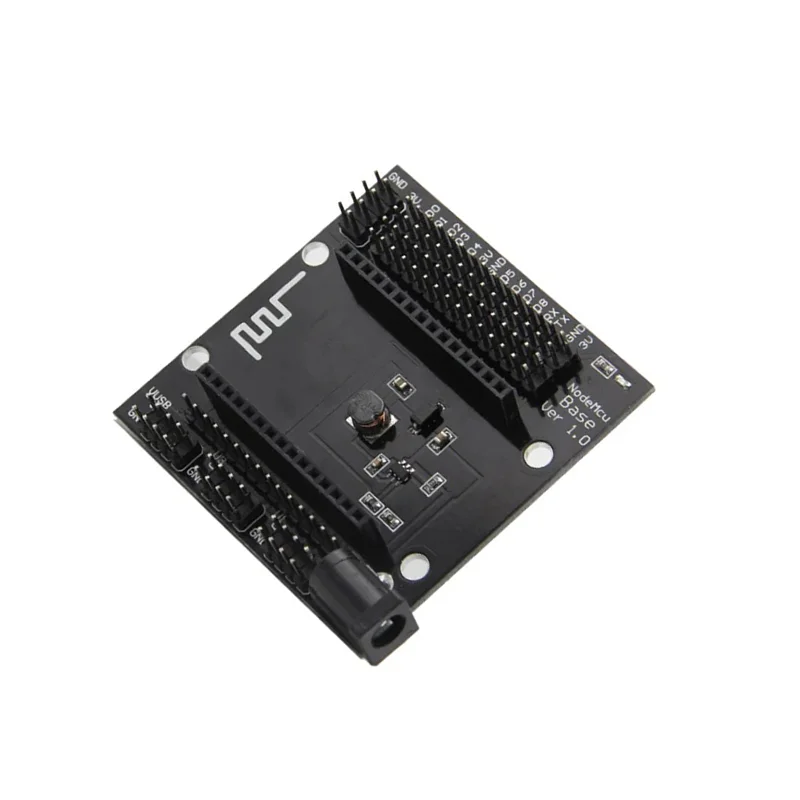
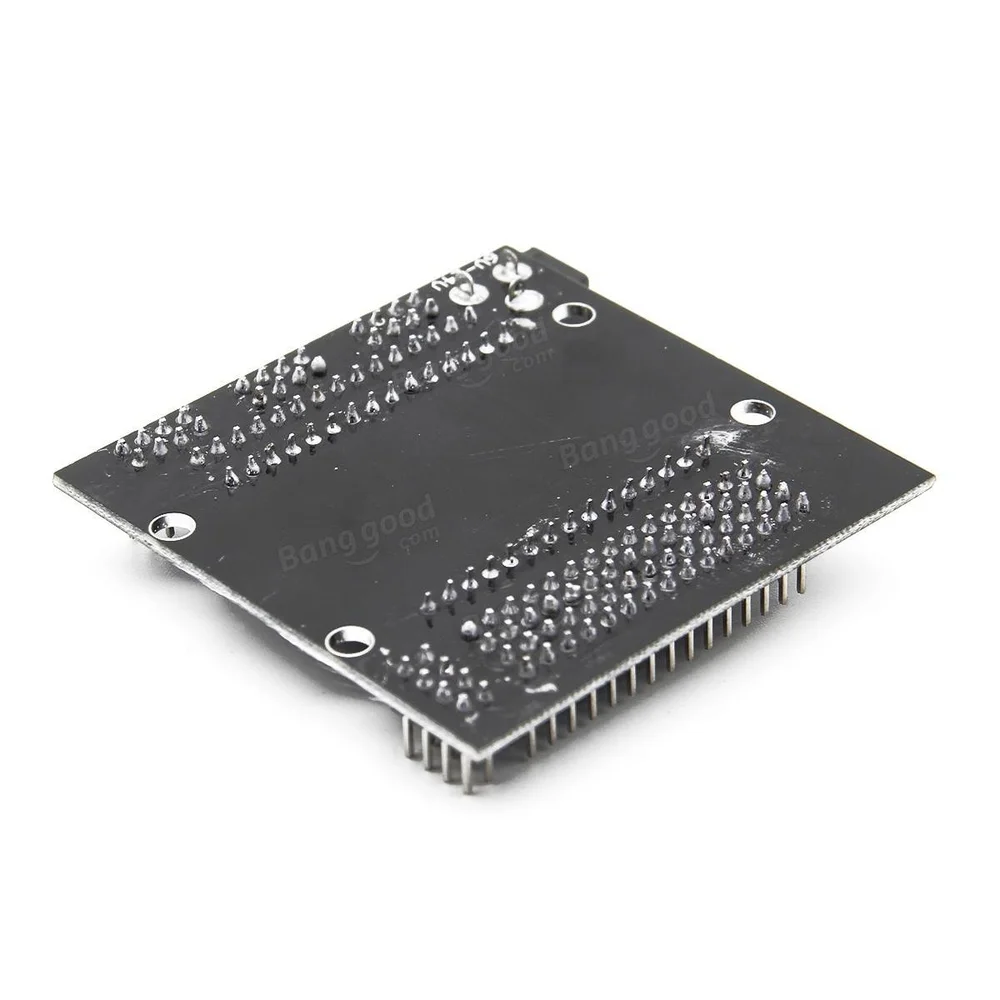
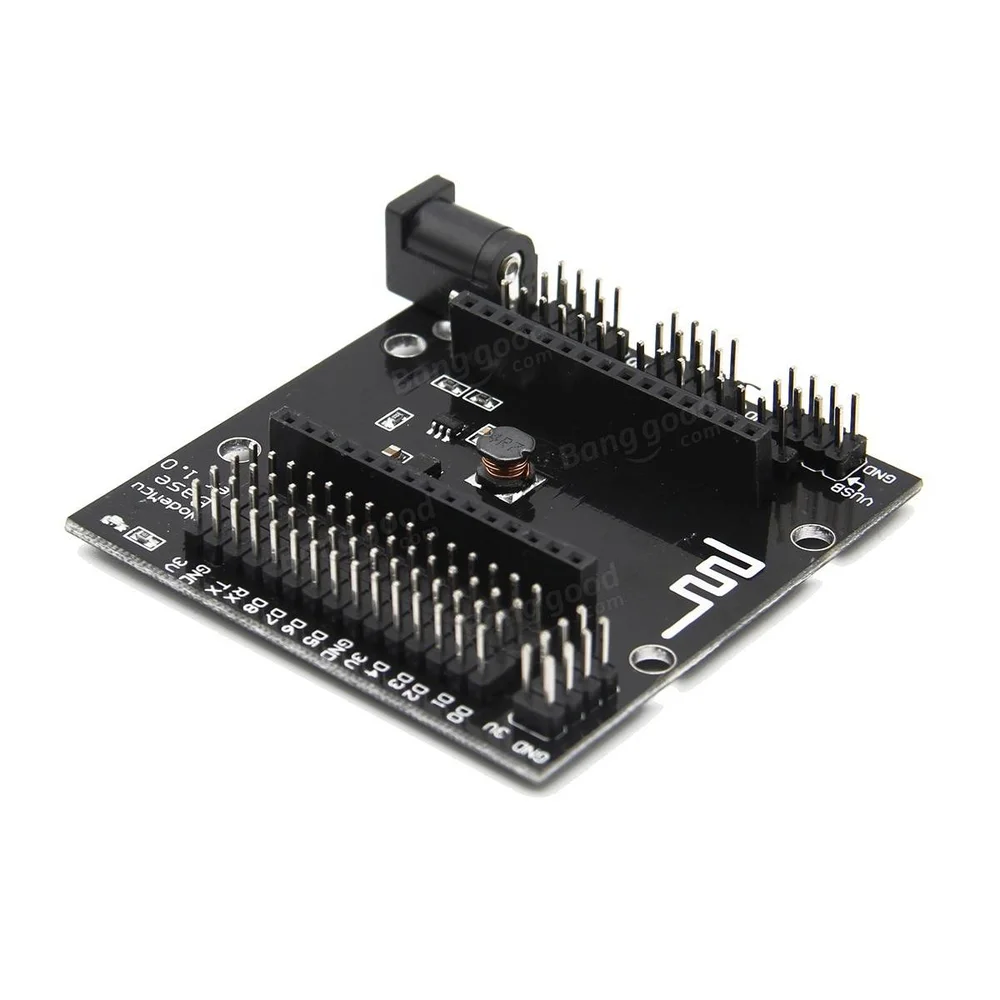
This NodeMCU ESP8266 Serial Port Baseboard is a breakout and power management board designed for the ESP-12E module, featuring a 6-24V DC input with onboard 5V/1A step-down conversion and full GPIO pin breakout for simplified peripheral integration and prototyping.

Features

  • Designed for NodeMCU ESP-12E modules, providing a secure mounting base and full I/O pin breakout for rapid prototyping.
  • Integrates a wide-input DC-DC step-down converter (6-24V to 5V/1A), enabling robust power supply from various sources like batteries or adapters.
  • Features dedicated 5V and 3.3V power rail pins, simplifying connections to sensors, relays, and other peripheral modules.
  • Compact board with a 25.5mm mounting header spacing, compatible with standard NodeMCU v3 form factor for easy stacking.
  • Onboard power indicator LED and a DC barrel jack input for straightforward system integration and power status monitoring.

Out of stock

Description

The NodeMCU ESP8266 Serial Port Baseboard serves as a foundational carrier and power supply platform for the popular ESP-12E Wi-Fi module. It translates the module’s GPIOs into accessible pin headers and provides stable, regulated power from a wide-range DC input, making it an ideal solution for moving breadboard prototypes to more permanent, powered enclosures.

Engineered for reliability, the board incorporates a switching regulator capable of delivering up to 1A at 5V, ensuring sufficient current for the ESP8266 and attached peripherals. The design includes clear power rails and a form factor that matches the NodeMCU v3, allowing for direct mechanical and electrical compatibility in embedded IoT projects requiring persistent Wi-Fi connectivity.

Key Features

  • Carrier board specifically designed for NodeMCU ESP-12E Wi-Fi modules, ensuring secure mounting and electrical connection.
  • Onboard high-efficiency DC-DC buck converter accepts 6-24V input via barrel jack and outputs a stable 5V/1A supply.
  • Breaks out all ESP-12E I/O pins, UART, and power rails (5V & 3.3V) to standard 2.54mm pin headers for easy interfacing.
  • Includes a power-on indicator LED for immediate visual confirmation of board operation.
  • Compact PCB design (60x64mm) with a 25.5mm header spacing optimized for the NodeMCU v3 form factor.
  • Simplifies power distribution and peripheral connection for standalone IoT nodes, sensor hubs, and automation controllers.

Applications

  • Prototyping carrier for NodeMCU-based IoT projects transitioning from breadboard to enclosure.
  • Power supply and interface board for Wi-Fi-enabled sensor nodes, data loggers, and remote monitors.
  • Baseboard for smart home automation controllers, relay modules, and environmental stations.
  • Development platform for Lua or Arduino IDE programming on the ESP8266 with stable external power.

Technical Specifications

Microcontroller/SoCESP8266 (via mounted ESP-12E module)
Wireless ProtocolsWi-Fi 802.11 b/g/n
Input Voltage6V to 24V DC (via barrel jack)
Regulated Output5V @ 1A (DC-DC step-down)
I/O InterfacesAll GPIOs, UART, 3.3V & 5V pins broken out
Board Dimensions60 mm (Width) x 64 mm (Length)
Mounting Spacing25.5 mm between headers
Weight20 g

Frequently Asked Questions

What ESP8266 module is this baseboard designed for?

This baseboard is specifically designed for the ESP-12E module, which is commonly used on NodeMCU v3 development boards. It provides the correct pinout and mounting hole spacing (25.5mm) to securely seat the module. Ensure your ESP-12E or NodeMCU board matches the v3 form factor for proper connector alignment before installation.

How do I power this baseboard and what is the input range?

Power the board via the provided DC barrel jack using a 6V to 24V DC power supply. The onboard switching regulator will step this voltage down to a stable 5V output, capable of delivering up to 1A of current. This powers the ESP8266 module and any peripherals connected to the 5V pin headers. An LED indicator lights up when power is correctly applied.

Can I program the ESP8266 while it is mounted on this baseboard?

Yes, you can program the ESP8266 module. The baseboard breaks out all GPIOs, including the UART TX/RX lines used for serial communication. Connect an external USB-to-Serial adapter to these RX/TX pins and the appropriate ground to flash new firmware via the Arduino IDE or other tools. Ensure the ESP8266 is powered via the baseboard's 5V rail during programming.

Package Includes

  • 1 x NodeMCU ESP8266 Serial Port Baseboard

Additional Information

Weight 0.02 kg
Dimensions 6.4 × 6 cm