SKU: SENS-3093
📋 GST Invoice Available

DFRobot Gravity LIS2DW12 Triple Axis Accelerometer Sensor (±2g/±4g/±8g/±16g) - I2C Interface

₹539.00 (Inclusive of all taxes)
Out of Stock

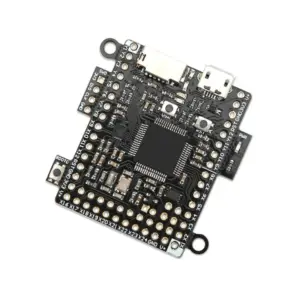
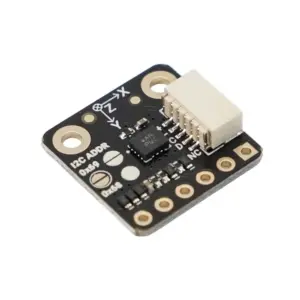
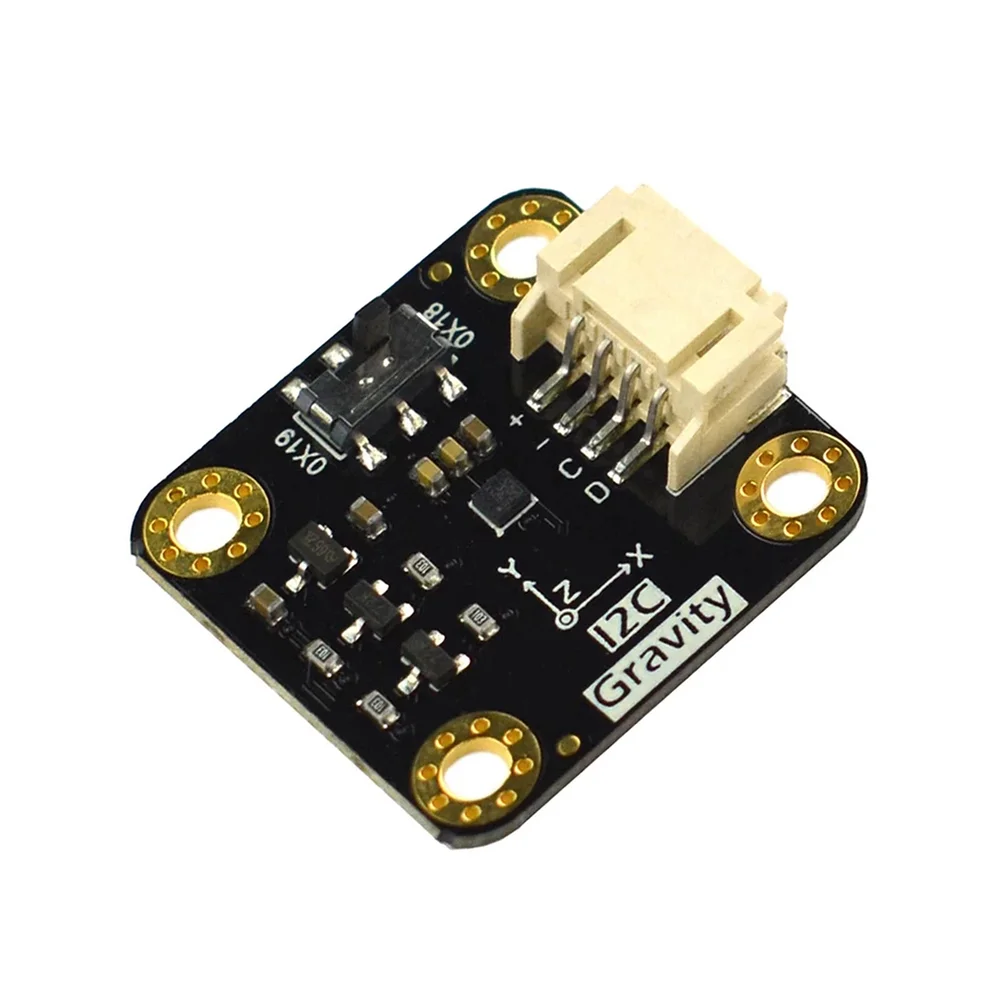
The DFRobot Gravity LIS2DW12 is an ultra-low-power MEMS accelerometer module compatible with 3.3V/5V systems like Arduino, Raspberry Pi, and ESP32. It provides high-resolution 16-bit acceleration data across four user-selectable ranges (±2g to ±16g) via a plug-and-play Gravity I2C interface.

Features

  • Ultra-low power consumption: 8–10 µA in low-power mode for battery-operated IoT and wearable applications.
  • High-performance sensing: Four user-selectable full-scale ranges (±2g, ±4g, ±8g, ±16g) with 1.3 mg RMS noise in low-power mode.
  • Advanced motion detection: Integrated programmable interrupts for free-fall, 6D/4D orientation, single/double-tap, and wake-up/sleep functions.
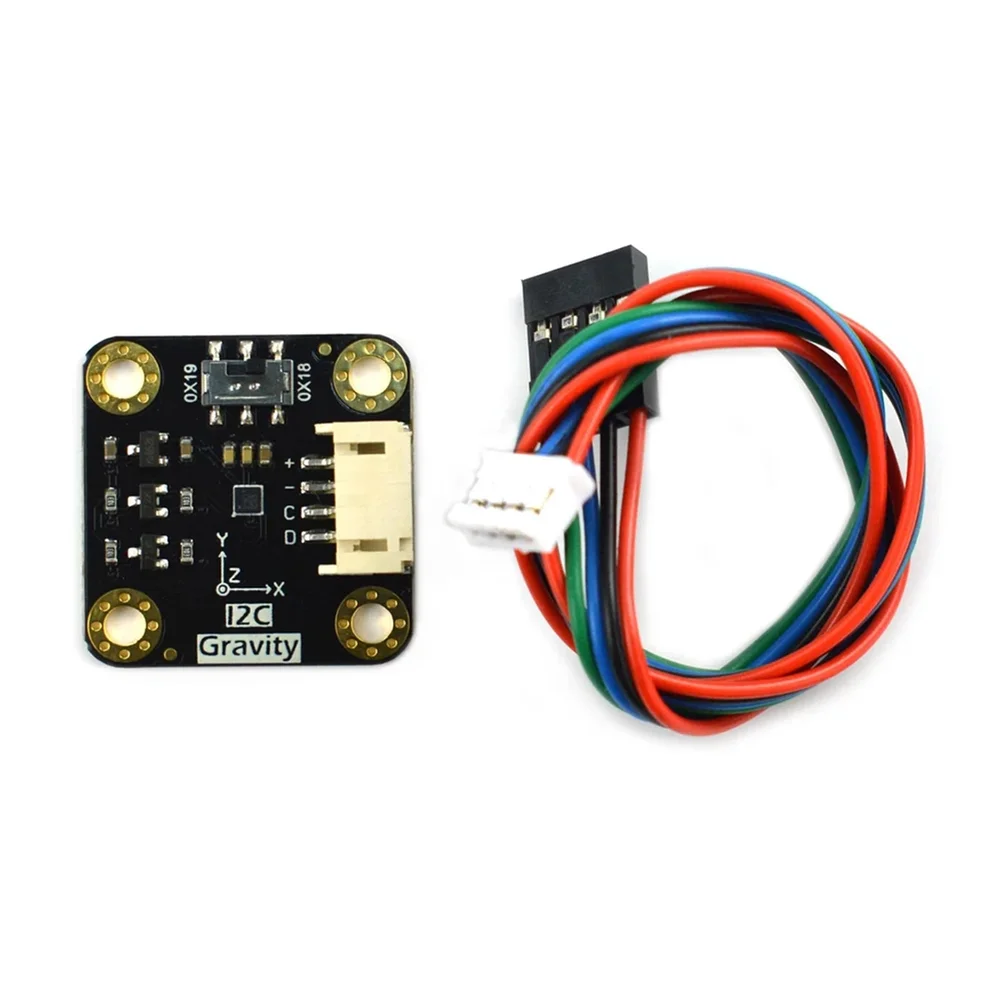
  • Robust Gravity interface: Plug-and-play 4-pin I2C/UART connector eliminates soldering; includes address selection switch (0x18/0x19).
  • Industrial durability: Operates from -40°C to +85°C, withstands shocks up to 10,000g, and is RoHS/ECOPACK compliant.

Out of stock

Description

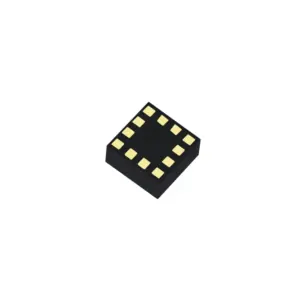
The LIS2DW12 accelerometer from STMicroelectronics is a MEMS-based sensor offering exceptional power efficiency and precision. Its internal signal conditioning and 16-bit ADC deliver stable acceleration data across a wide output data rate (ODR) range from 1.6 Hz to 1600 Hz, making it suitable for both low-frequency monitoring and high-speed motion capture.

The module includes a dedicated internal processing engine for advanced motion and gesture detection, reducing the computational load on the host microcontroller. Its robust construction and wide operating temperature range ensure reliable performance in demanding industrial, automotive, and outdoor environmental conditions.

Key Features

  • Ultra-low-power MEMS accelerometer with selectable high-performance and low-noise modes.
  • Four programmable full-scale acceleration ranges (±2g, ±4g, ±8g, ±16g) for versatile application needs.
  • Integrated 32-level FIFO buffer for efficient data handling and reduced host processor overhead.
  • Two independent, fully configurable interrupt generators for motion, tap, orientation, and free-fall events.
  • High shock survivability rating of 10,000g ensures durability in harsh mechanical environments.
  • Wide operating voltage range (3.3V to 5V DC) and Gravity connector for seamless integration with popular development platforms.
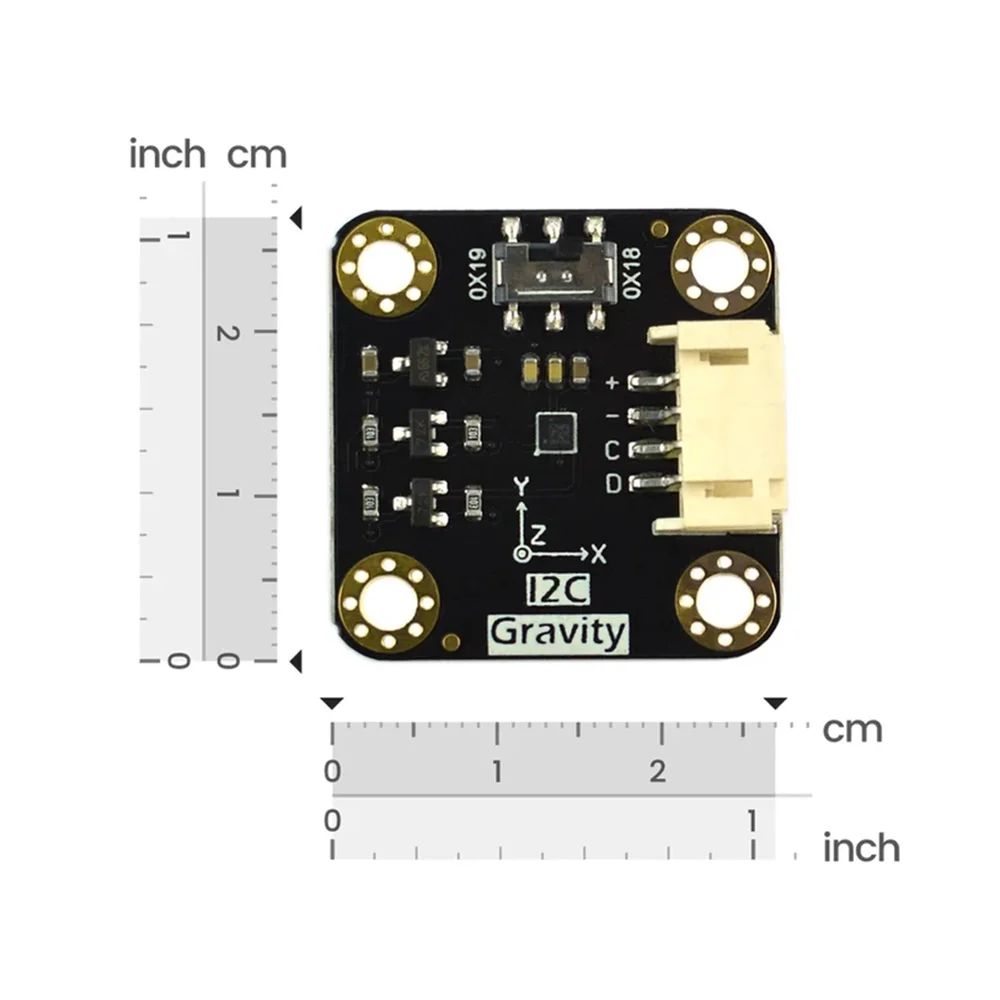
  • Compact PCB design (27 x 27 mm) with standard 3.1 mm mounting holes for secure installation.

Applications

  • IoT and wearable device motion tracking for activity monitoring and gesture control.
  • Industrial equipment vibration analysis and predictive maintenance in harsh environments.
  • Robotics and drone stabilization systems requiring low-power, high-resolution inertial sensing.
  • Automotive telematics for impact detection, tilt sensing, and anti-theft systems.
  • Consumer electronics for screen orientation, tap detection, and power-saving wake-up functions.

Technical Specifications

Manufacturer / SeriesDFRobot / Gravity LIS2DW12
Sensor CoreSTMicroelectronics LIS2DW12 MEMS Accelerometer
InterfaceI2C (Gravity 4-pin Connector)
I2C Address0x19 (Default), 0x18 (Optional via Switch)
Operating Voltage3.3 VDC to 5 VDC
Operating Current8–10 µA (Low-Power Mode), 0.12 mA (High-Performance Mode)
Full-Scale RangeUser-selectable: ±2g, ±4g, ±8g, ±16g
Output Data Rate (ODR)1.6 Hz to 1600 Hz
Noise Density1.3 mg RMS (Low-Power Mode)
Data Output16-bit Digital
FIFO Buffer32-Level
Operating Temperature-40°C to +85°C
Shock Survivability10,000g
Module Dimensions27 mm x 27 mm
Mounting Hole SizeInner 3.1 mm, Outer 6 mm
ComplianceRoHS, ECOPACK, Green Compliant

Frequently Asked Questions

What is the default I2C address and how can I change it?

The default I2C address is 0x19. The module includes a physical toggle switch that allows you to change the address to 0x18 if needed to avoid conflicts with other I2C devices on the same bus. Ensure your microcontroller code references the correct address after switching.

What is the power consumption in different operating modes?

In its ultra-low-power mode, the sensor draws only 8–10 µA, making it ideal for battery-powered projects. For higher performance with lower noise, you can switch to high-performance mode, which consumes approximately 0.12 mA. The output data rate and internal filters also affect overall current draw.

How do I connect this sensor to an Arduino or Raspberry Pi?

Use the included Gravity-4P connector cable. Connect the module's VCC (red wire) to 3.3V or 5V, GND (black) to ground, SDA (blue) to the I2C data line, and SCL (green) to the I2C clock line on your board. No soldering is required. Ensure your platform's I2C pins are correctly enabled in software.

Can this sensor detect free-fall, taps, and orientation?

Yes. The LIS2DW12 has a dedicated internal engine and two programmable interrupt pins. You can configure it to detect events like free-fall, 6D/4D orientation (portrait/landscape), single or double taps, and general motion/stillness. This offloads processing from the main MCU and allows for smart wake-up from sleep.

What is the significance of the 10,000g shock survivability rating?

This rating indicates the sensor can withstand mechanical shocks up to 10,000 times the force of gravity without permanent damage or calibration shift. This high robustness makes it suitable for applications in demanding environments like industrial machinery monitoring, sports equipment, or automotive systems where high-g impacts may occur.

Package Includes

  • 1 x Gravity I2C LIS2DW12 Triple Axis Accelerometer Sensor Module
  • 1 x Gravity-4P I2C/UART Sensor Connector Cable

Additional Information

Weight 0.02 kg
Dimensions 2.7 × 2.7 cm