SKU: SENS-0320
📋 GST Invoice Available

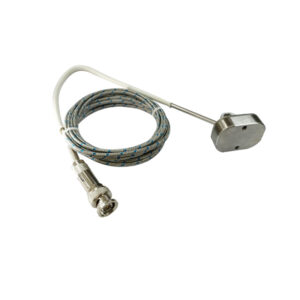
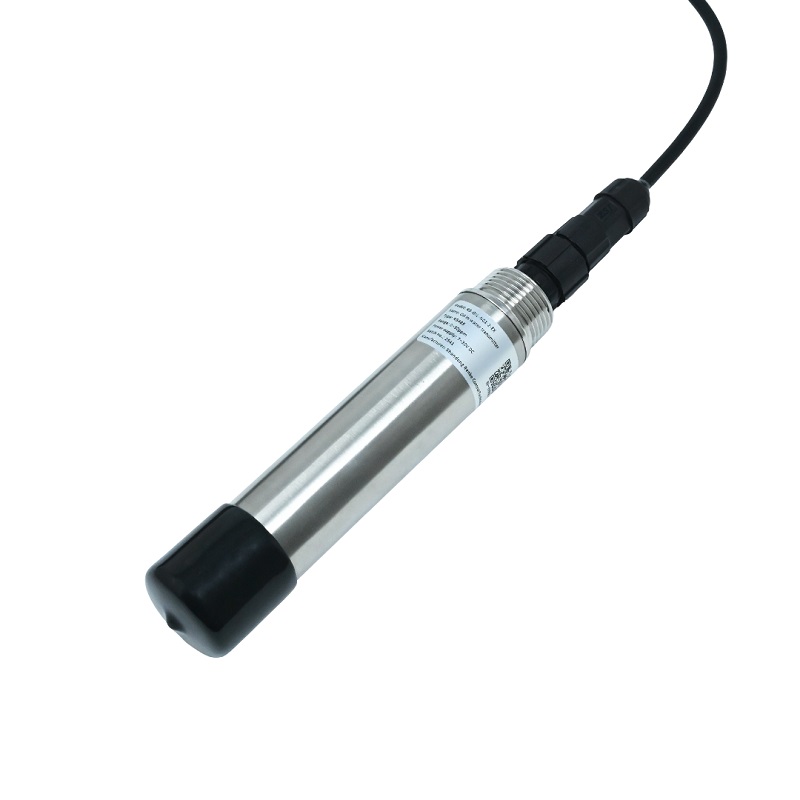
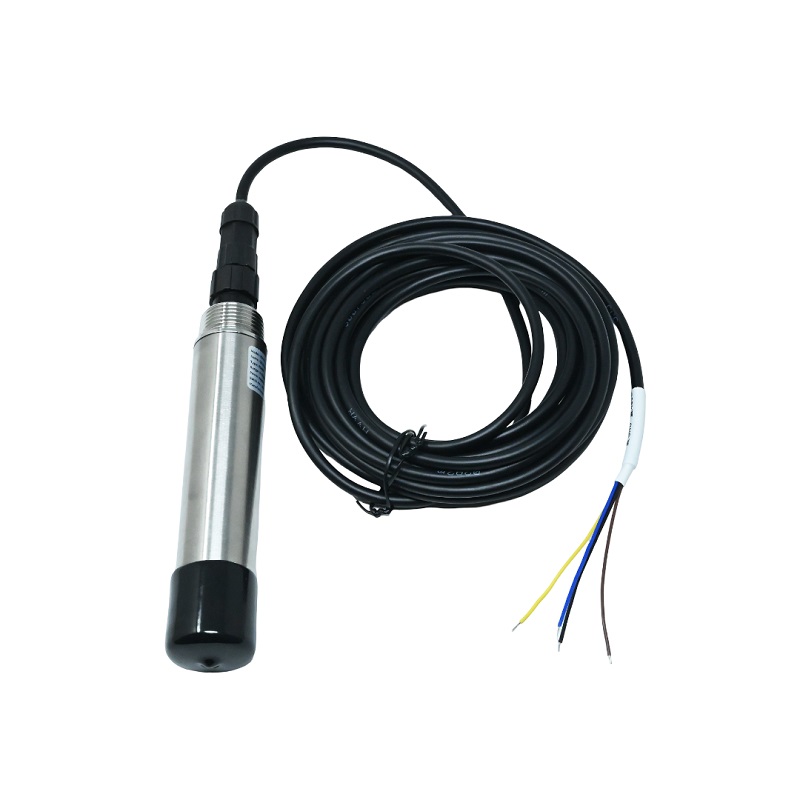
Renke RS-OIL-N01-2-EX Oil in Water Sensor with Automatic Cleaning - RS485 Modbus

₹82,559.00 (Inclusive of all taxes)
Out of Stock

The Renke RS-OIL-N01-2-EX is a fluorescence-based oil-in-water sensor with RS485 Modbus output, designed for continuous monitoring of petroleum hydrocarbons in industrial water systems, wastewater treatment, and environmental applications.

Features

  • Fluorescence detection for petroleum hydrocarbons (PAHs) with 0–50 ppm / 0–100 RFU measurement range.
  • RS485 Modbus digital output for direct integration with PLCs, SCADA, and industrial monitoring systems.
  • Integrated automatic cleaning system and IP68-rated, corrosion-resistant housing for maintenance-free operation in harsh environments.
  • Built-in temperature compensation (±0.5°C) ensures stable, accurate readings (±5% FS) across 0–40°C operating range.
  • Fast response time (T90 ≤30 seconds) and high resolution (0.01 ppm / 0.1 RFU) for real-time pollution detection.

Out of stock

Description

The Renke RS-OIL-N01-2-EX employs ultraviolet fluorescence detection to specifically target polycyclic aromatic hydrocarbons (PAHs) and other petroleum-based compounds dissolved in water. This method provides high selectivity and sensitivity, minimizing interference from other water constituents. The sensor’s integrated signal conditioning electronics deliver a stable, digitally processed output via a standard RS485 interface using the Modbus RTU protocol.

Engineered for demanding installations, the sensor features an IP68-rated housing constructed from corrosion-resistant plastic and stainless steel, ensuring long-term reliability in submerged or high-humidity industrial environments. The optional integrated automatic cleaning mechanism uses periodic wiping or fluid flushing to prevent biofilm and fouling on the optical window, which is critical for maintaining measurement accuracy and reducing maintenance intervals in applications like cooling water or wastewater effluent monitoring.

Key Features

  • Advanced Fluorescence Sensing: Precisely detects trace levels of petroleum oils and PAHs with high specificity and a fast ≤30-second response time.
  • Industrial-Grade Communication: Standard RS485 Modbus RTU output allows for seamless daisy-chaining and integration into existing industrial control networks.
  • Robust Environmental Protection: IP68 submersible rating and corrosion-resistant materials ensure reliable operation in wastewater, cooling towers, and outdoor monitoring stations.
  • Automatic Maintenance: Integrated cleaning system actively prevents optical fouling, ensuring consistent accuracy and reducing manual upkeep.
  • Precision Temperature Compensation: Built-in temperature transmitter provides automatic correction (±0.5°C) for stable readings across the full 0–40°C operating range.
  • Wide Power Input Range: Supports DC 7–30V supply, compatible with common industrial 12V/24V DC power systems and solar-powered setups.
  • Optimized Mechanical Design: Compact 32.64 mm diameter probe with a default 5-meter cable facilitates installation in pipes, tanks, and open channels.

Applications

  • Industrial Cooling Water Monitoring: Continuous detection of oil leaks in cooling tower basins, heat exchanger circuits, and closed-loop cooling systems for preventative maintenance.
  • Wastewater Treatment & Discharge Compliance: Real-time monitoring of effluent for petroleum hydrocarbons to ensure regulatory limits are met before release.
  • Petrochemical & Refinery Process Water: In-line measurement of oil content in process water, condensate, and recycled water streams within refining operations.
  • Environmental Water Quality Surveillance: Long-term deployment in rivers, lakes, or coastal waters for early detection of oil pollution events.
  • Boiler Feedwater & Reclaimed Water Systems: Protecting boiler tubes and sensitive equipment from oil contamination in feedwater and water reuse applications.

Technical Specifications

Manufacturer Part NumberRS-OIL-N01-2-EX
Measurement PrincipleUltraviolet Fluorescence
Measurement Range0–50 ppm / 0–100 RFU
Resolution0.01 ppm / 0.1 RFU
Accuracy±5% FS (at 25°C)
Response Time (T90)≤30 seconds
Output InterfaceRS485 (Modbus RTU)
Supply VoltageDC 7–30V
Operating Temperature0 to 40 °C
Ingress ProtectionIP68
Housing MaterialCorrosion-Resistant Plastic & Stainless Steel
Probe Diameter32.64 mm
Probe Length160 mm
Cable Length (Default)5 m
Weight290 g (Sensor), 0.57 kg (Shipping)

Frequently Asked Questions

What is the communication protocol and how do I wire the RS485 interface?

The sensor uses the standard RS485 physical layer and communicates via the Modbus RTU protocol. Connect the two RS485 data lines (A/B or +/-) to your host controller or data logger, ensuring proper termination and bias resistors are configured on the network. The default cable includes these wires along with power (7-30V DC) and ground.

What does the automatic cleaning system do, and how is it activated?

The automatic cleaning system is an integrated mechanical or fluid-based mechanism that periodically cleans the sensor's optical window to prevent fouling from biofilms or particulates. It is typically controlled via a dedicated command sent over the Modbus interface or may operate on a pre-programmed timer to ensure maintenance-free, long-term accuracy.

Can this sensor differentiate between types of oils or hydrocarbons?

The fluorescence detection method is primarily sensitive to polycyclic aromatic hydrocarbons (PAHs) and aromatic compounds commonly found in petroleum products. While it provides a strong total indicator for petroleum-based hydrocarbons, it does not speciate between different oil types (e.g., diesel vs. gasoline). For speciation, laboratory analysis is required.

What is the difference between the ppm and RFU measurement units?

ppm (parts per million) is a concentration unit calibrated against a standard oil solution. RFU (Relative Fluorescence Units) is the raw, uncalibrated signal from the sensor's photodetector. The sensor outputs both, but ppm is used for quantitative reporting, while RFU can be useful for tracking relative changes or for custom calibration against specific contaminants.

What power supply is required, and what is the sensor's current consumption?

The sensor operates from a wide-range DC 7–30V power supply, making it compatible with common 12V or 24V industrial systems. Typical current consumption is low, often in the range of 50-100mA, but you should consult the detailed datasheet for exact specifications, especially when the cleaning mechanism is activated, as it may cause a temporary current surge.

Package Includes

  • 1 x Renke RS-OIL-N01-2-EX Oil in Water Sensor (with Automatic Cleaning)
  • 1 x 5-meter integral connection cable

Additional Information

Weight 0.57 kg
Dimensions 16 × 23 × 7 cm