SKU: IOWC-1394
📋 GST Invoice Available

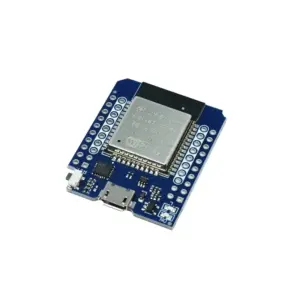
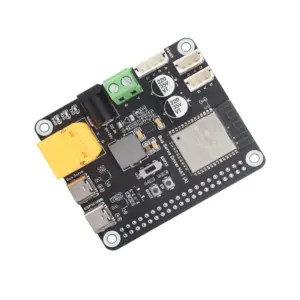
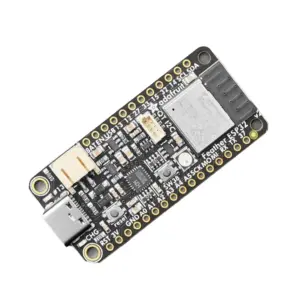
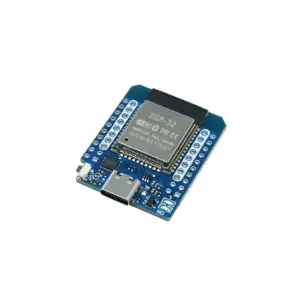
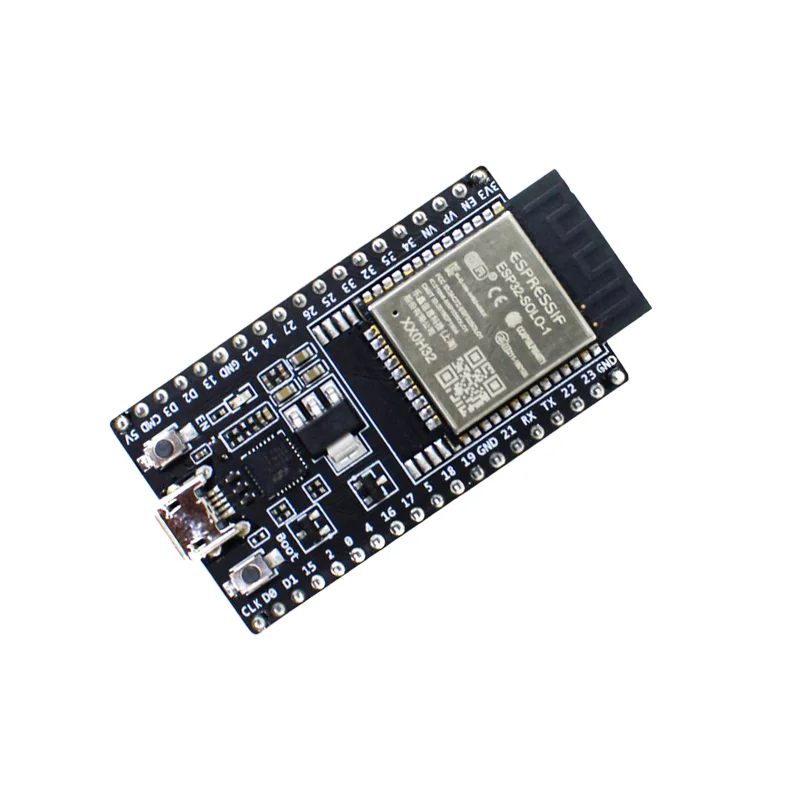
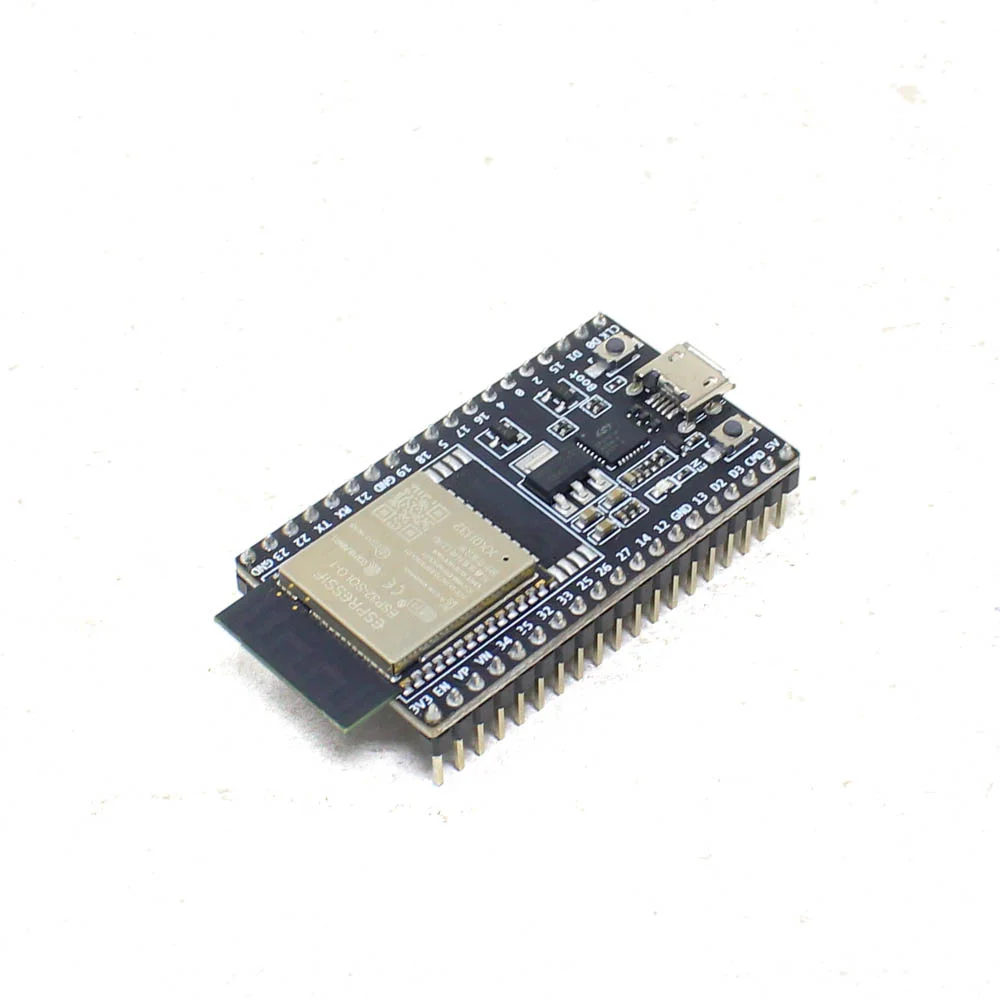
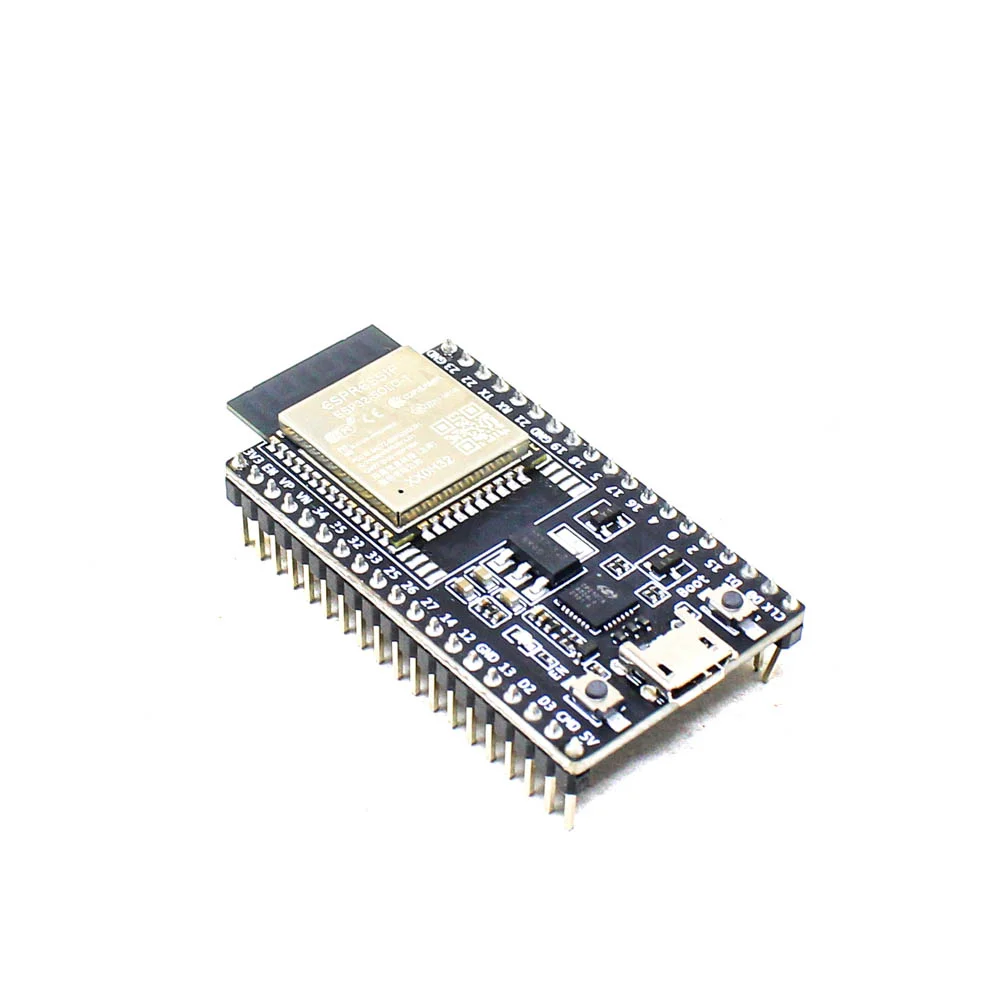
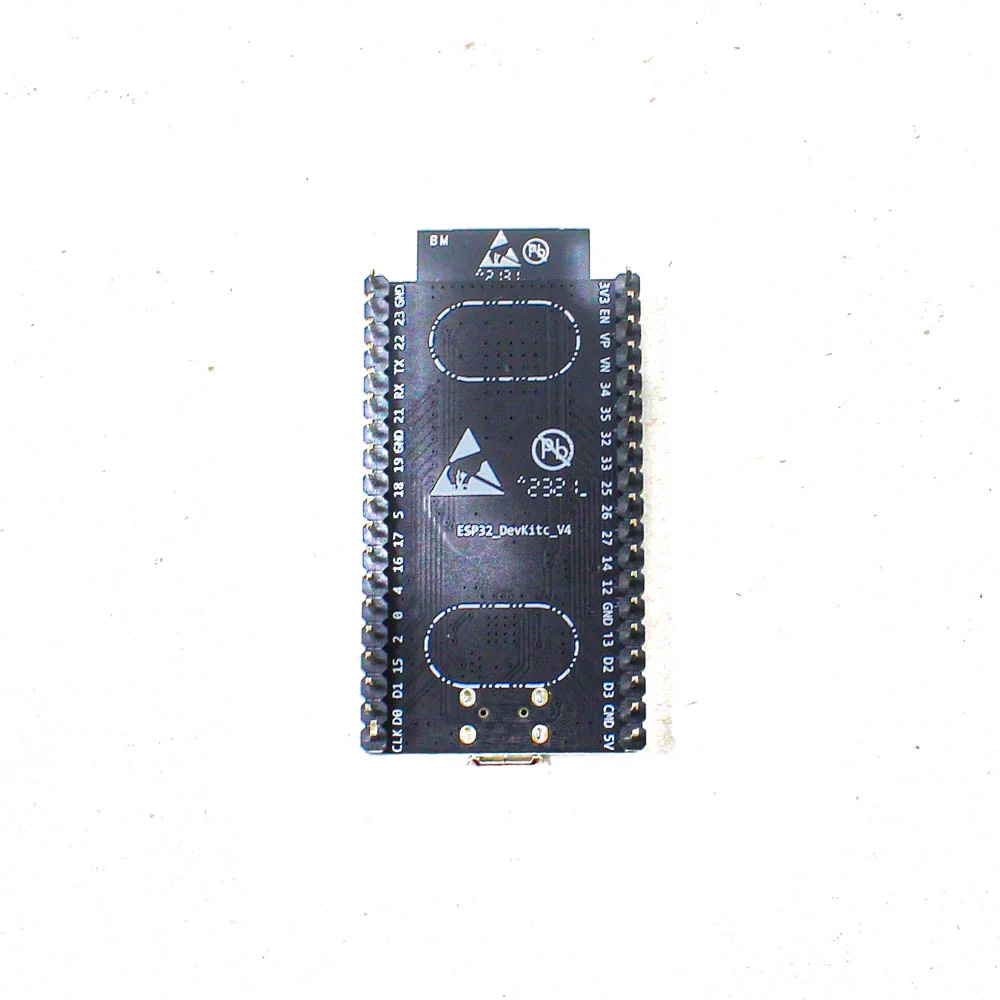
ESP32-SOLO-1 IoT Development Board Module

₹1,580.00 (Inclusive of all taxes)
Out of Stock

The ESP32-SOLO-1 is a compact IoT development board built around the ESP32 dual-core microcontroller, providing integrated 2.4GHz Wi-Fi and dual-mode Bluetooth/BLE connectivity for Arduino IDE, ESP-IDF, and MicroPython projects.

Features

  • Powered by the ESP32-SOLO-1 SoC with dual-core Xtensa LX6 CPU (80-240 MHz) for demanding IoT applications.
  • Integrated 2.4GHz Wi-Fi (802.11 b/g/n) and dual-mode Bluetooth 4.2 (Classic & BLE) for versatile wireless connectivity.
  • Rich memory configuration with 448KB ROM, 520KB SRAM, and support for external QSPI flash up to 16MB.
  • Compact, breadboard-friendly form factor ideal for rapid prototyping and low-power sensor network designs.
  • Operates from a 3.3V-3.6V supply with a wide temperature range of -40°C to +105°C for robust deployments.

Out of stock

Description

The ESP32-SOLO-1 IoT Development Board Module is a feature-rich, entry-level platform centered on the powerful ESP32 system-on-chip. It integrates a dual-core Xtensa LX6 processor, 2.4GHz Wi-Fi, and Bluetooth/BLE radios into a single, low-footprint module, enabling developers to build everything from simple sensor nodes to complex applications involving voice encoding or music streaming.

This board is designed for flexibility, allowing it to function as a complete standalone system or as a wireless co-processor for a host MCU via SPI, SDIO, I2C, or UART interfaces, thereby offloading communication overhead. Its optimized pinout and peripheral set facilitate easy integration and rapid prototyping for IoT projects.

Key Features

  • Dual-core processing power handles demanding tasks like MP3 decoding and voice encoding alongside standard IoT functions.
  • Integrated wireless connectivity eliminates the need for external Wi-Fi or Bluetooth modules, simplifying design and reducing BOM cost.
  • Supports multiple development environments including Arduino IDE, ESP-IDF, and MicroPython for flexible firmware development.
  • Low-power modes enable battery-operated applications in sensor networks and portable devices.
  • Compact and breadboard-friendly design accelerates prototyping and testing phases.
  • Robust operating temperature range ensures reliability in industrial and outdoor environments.
  • Can act as a slave device to a host microcontroller, providing wireless functionality via serial interfaces.

Applications

  • Smart home automation hubs and wireless sensor nodes.
  • Industrial telemetry and IIoT data logging gateways.
  • Voice-controlled devices and music streaming applications.
  • Wearable technology and Bluetooth beacon projects.
  • Prototyping and educational IoT development platforms.

Technical Specifications

Microcontroller / SoCESP32-SOLO-1 (Tensilica Xtensa LX6 Dual-Core)
CPU Clock Frequency80 MHz to 240 MHz
Wireless ProtocolsWi-Fi 802.11 b/g/n (2.4-2.5 GHz), Bluetooth 4.2 BR/EDR & BLE
Bluetooth Sensitivity30.8% PER at -97 dBm
Supply Voltage3.3V - 3.6V (Operating), 5V Input via Dev Board
Operating Current~500 mA (typical)
Memory448 KB ROM, 520 KB SRAM, Supports 4 x 16 MB QSPI Flash
InterfacesSPI, SDIO, I2C, UART, GPIO, ADC, DAC, Touch Sensor
Crystal Frequency40 MHz
Operating Temperature-40°C to +105°C
Dimensions (Board)Approx. 8 cm x 6 cm x 3 cm

Frequently Asked Questions

How do I program the ESP32-SOLO-1 development board?

You can program the board using the Arduino IDE with the ESP32 board package installed, Espressif's official ESP-IDF framework, or MicroPython. Connect the board via USB, select the correct COM port and board type (e.g., ESP32 Dev Module), and upload your code. The board typically uses the CP2102 or CH340 USB-to-serial chip for communication.

What is the power supply requirement for this ESP32 module?

The ESP32-SOLO-1 chip itself operates at 3.3V to 3.6V. The development board often includes a voltage regulator, allowing you to supply 5V via the USB port or Vin pin. Ensure your power source can provide up to 500mA peak current during Wi-Fi/BT transmission for stable operation.

Can I use this board for battery-powered IoT projects?

Yes, the ESP32-SOLO-1 supports various deep sleep and light sleep modes, significantly reducing average current consumption. For battery operation, design your firmware to leverage these sleep modes, wake periodically via timer or external trigger, transmit data, and return to sleep. This extends battery life from days to months depending on the duty cycle.

Package Includes

  • 1 x ESP32-SOLO-1 Development Board Module

Additional Information

Weight 0.01 kg
Dimensions 6 × 8 × 3 cm