SKU: SBCD-0557
📋 GST Invoice Available

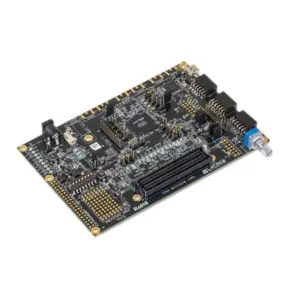
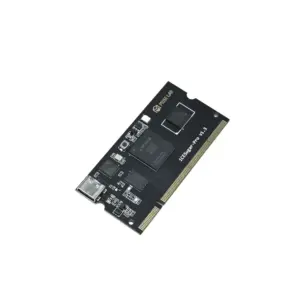
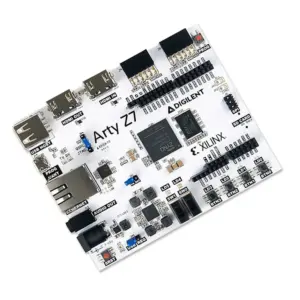
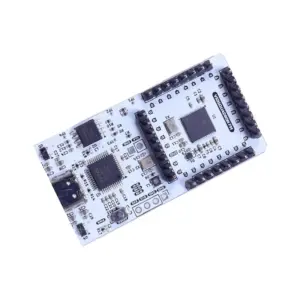
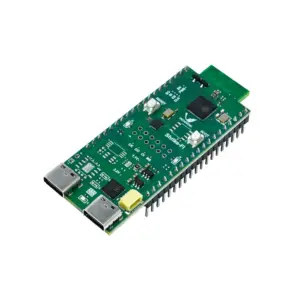
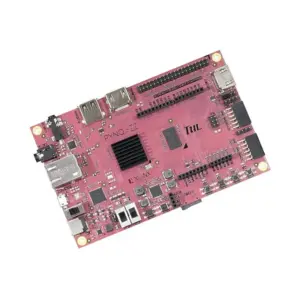
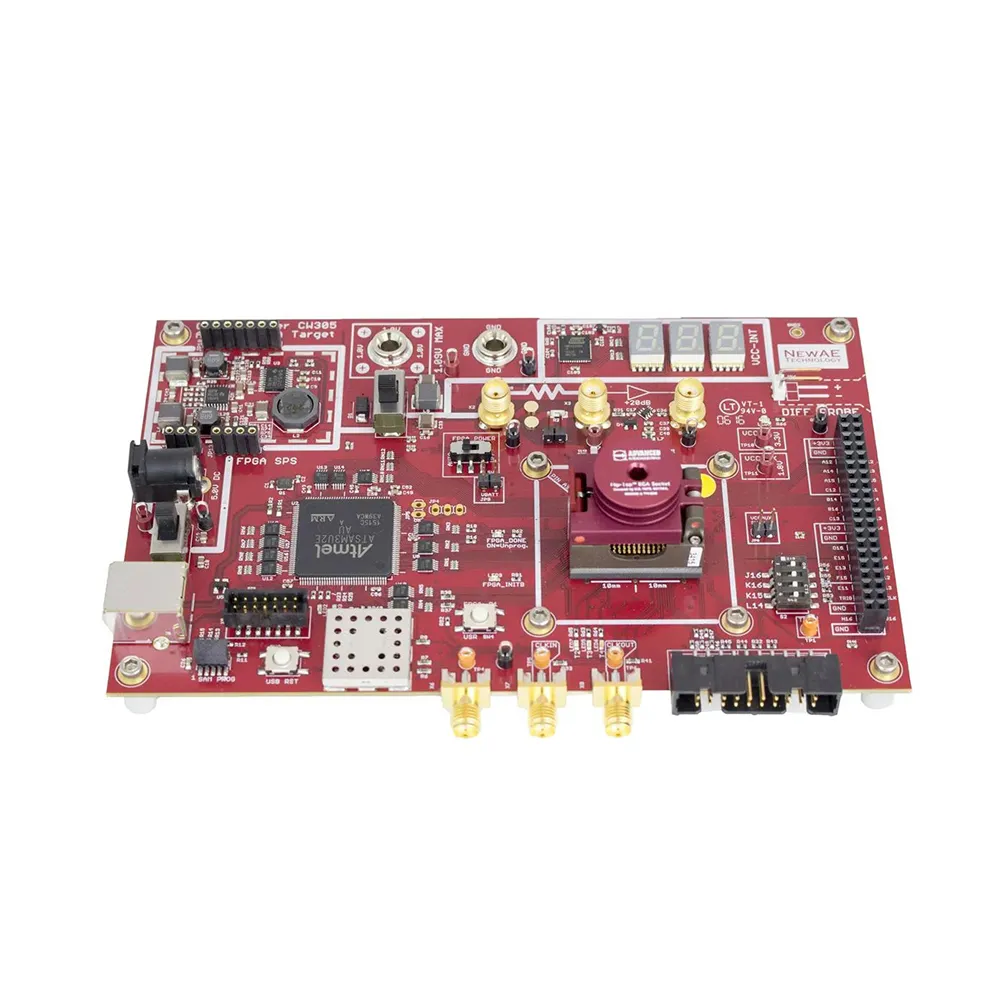
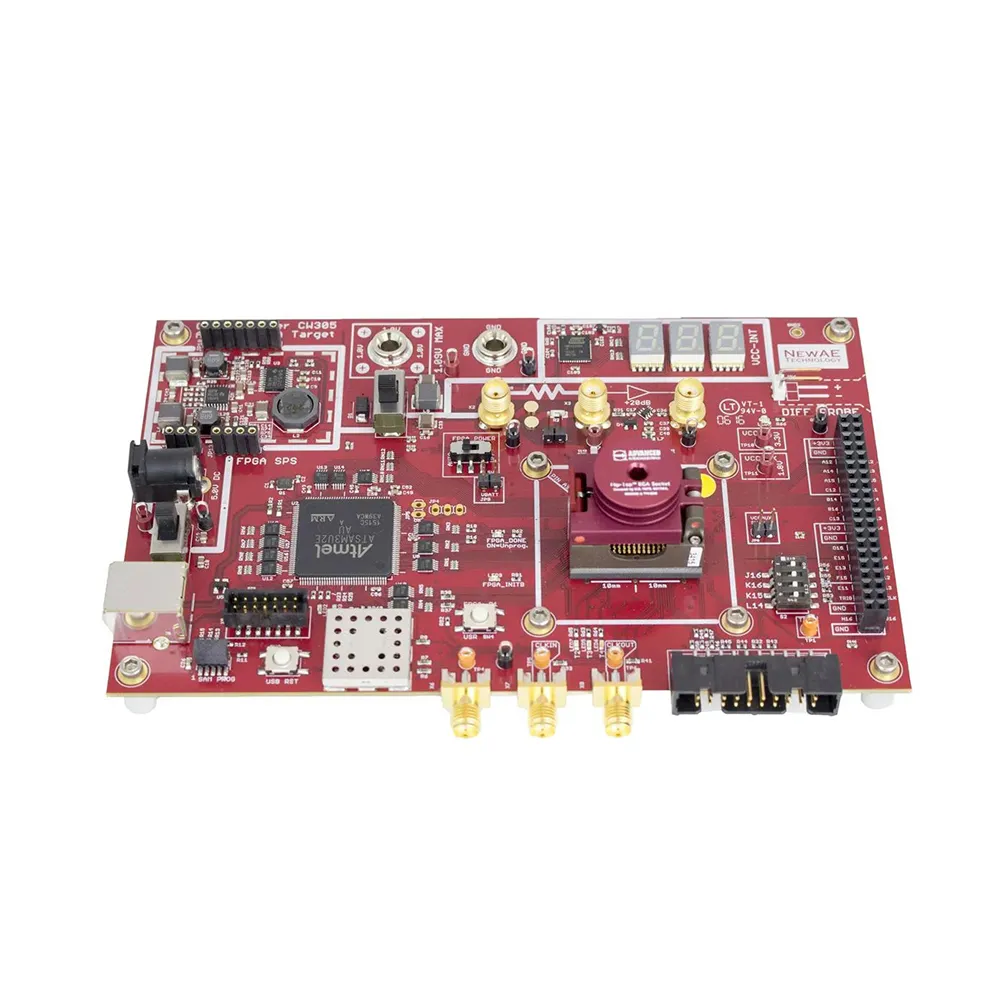
NewAE CW305 Artix-7 FPGA Target Board w/ Socket

₹435,019.00 (Inclusive of all taxes)
Out of Stock

The NewAE CW305 Artix-7 FPGA Target Board, featuring a BGA socket, is engineered for advanced embedded security testing, including side-channel power analysis and fault injection, with programmable voltage and clock settings.

Features

  • Supports Artix-7 FPGA (FTG256 package) via a flexible BGA socket.
  • Features programmable VCC-INT (0.8–1.2V, 4A) for dynamic power supply control.
  • Integrated external PLL provides a 1–200 MHz frequency range for precise clock manipulation.
  • High-speed USB 2.0 interface enables rapid FPGA configuration and parameter adjustments.
  • Optimized for side-channel power analysis and fault injection with a 0.1Ω shunt resistor.

Out of stock

Description

The NewAE CW305 SOCKET Artix FPGA Target Board is a purpose-built platform for comprehensive embedded security testing. It facilitates advanced analysis techniques such as side-channel power analysis and fault injection, critical for evaluating hardware vulnerabilities. The board’s BGA socket supports multiple Artix-7 FTG256 devices, making it an excellent choice for comparative studies, including Physical Unclonable Function (PUF) research and template attacks.

A custom high-speed USB interface streamlines FPGA configuration, register communication, and granular control over voltage and clock parameters. Researchers can precisely set the programmable VCC-INT supply from 0.8V to 1.2V and adjust the external PLL frequency from 1 MHz to 200 MHz, enabling highly flexible testing conditions. Equipped with a 0.1Ω shunt resistor for accurate power measurements and ESD-protected I/O, the CW305 ensures reliable and safe experimentation. Multiple I/O headers, SMA connectors, and test points guarantee seamless integration with ChipWhisperer capture systems, establishing it as an indispensable tool for security analysts and embedded engineers.

Key Features

  • Supports Artix-7 FPGA (FTG256) via BGA socket for flexible device testing.
  • Custom high-speed USB 2.0 interface for rapid data transfer and control.
  • Programmable VCC-INT (0.8–1.2V, 4A) for dynamic power rail manipulation.
  • External PLL with 1–200 MHz range for precise clock frequency adjustments.
  • Integrated 0.1Ω shunt resistor for accurate power consumption measurements.
  • ESD-protected I/O ensures safe and robust glitch testing operations.
  • Multiple GPIOs available via headers and SMA connectors for peripheral integration.
  • Fully compatible with ChipWhisperer capture hardware for comprehensive analysis.

Applications

  • Advanced embedded security testing and research.
  • Side-channel power analysis (SPA/DPA) of cryptographic implementations.
  • Fault injection attacks (e.g., clock glitching, voltage glitching).
  • Comparative analysis for PUF (Physical Unclonable Functions) development.
  • Template attacks and other advanced hardware vulnerability assessments.
  • Development and testing of secure embedded systems.

Technical Specifications

Item TypeDevelopment Board
Model No. / NameNAE CW305 04 SOCKET 0.10 X
Power Supply Voltage (V)0.8-1.2V (VCC-INT, 4A, Programmable), 1.8V (VCC-AUX, 1.5A, Fixed), 3.3V (VCC-IO, 2A, Fixed)
Frequency1–200 MHz (PLL Frequency)
InterfaceHigh-speed USB 2.0 (ARM-based)
FunctionFPGA configuration, VCC-INT setting, PLL configuration, data-bus write (USB function)
Supported LanguagesAny that can access libusb DLL (C, C++, VB, etc)
Length120 mm
Width100 mm
Weight~200 g

Frequently Asked Questions

What FPGA devices are compatible with the NewAE CW305 Artix-7 Target Board?

The CW305 board is designed to support Artix-7 FPGAs in the FTG256 package. Its BGA socket design allows for flexible integration of various Artix-7 devices, making it suitable for comparative analysis and hardware-specific security research. Always verify the specific Artix-7 model for optimal compatibility and performance within your testing setup.

How does the programmable VCC-INT feature benefit security research?

The programmable VCC-INT (0.8–1.2V) on the CW305 enables precise voltage glitching and power analysis experiments. Researchers can dynamically adjust the core voltage to induce faults or observe power consumption variations, which is crucial for uncovering vulnerabilities in cryptographic implementations and other sensitive embedded system components. This flexibility enhances fault injection attack capabilities significantly.

What is the purpose of the external PLL with a 1–200 MHz range?

The external PLL allows for fine-grained control over the clock frequency supplied to the FPGA, ranging from 1 MHz to 200 MHz. This feature is vital for clock glitching attacks, where momentary clock disruptions can lead to unexpected program behavior or security bypasses. It also enables precise timing measurements and synchronisation for side-channel analysis setups.

What software tools and SDKs are supported for the CW305 board?

The NewAE CW305 interfaces via a high-speed USB 2.0 connection, leveraging the libusb DLL. This means it supports any programming language or environment capable of interacting with libusb, including C, C++, and Visual Basic. It is primarily designed to integrate seamlessly with the ChipWhisperer capture systems and their associated Python-based security analysis toolchain.

Can the CW305 be used for general FPGA development beyond security testing?

While primarily optimized for embedded security testing, including side-channel power analysis and fault injection, the CW305 can technically be used for general Artix-7 FPGA development. Its high-speed USB interface and flexible I/O headers allow for custom logic implementation and interaction. However, its specialized features make it most cost-effective for security-focused applications rather than general prototyping.

Package Includes

  • 1 x NewAE NAE-CW305-04-SOCKET-0.10-X Programmable Logic IC Development Tools Artix Target Board Socket

Additional Information

Weight 0.2 kg
Dimensions 12 × 10 cm