SKU: IOWC-1818
📋 GST Invoice Available

Wireless-Tag WT32-SC01 PLUS ESP32-S3 3.5-Inch Touch LCD Dev Board

₹4,679.00 (Inclusive of all taxes)
Out of Stock

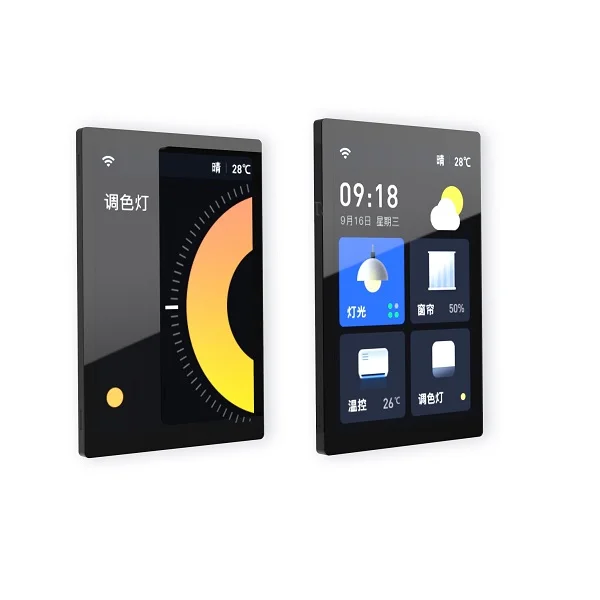
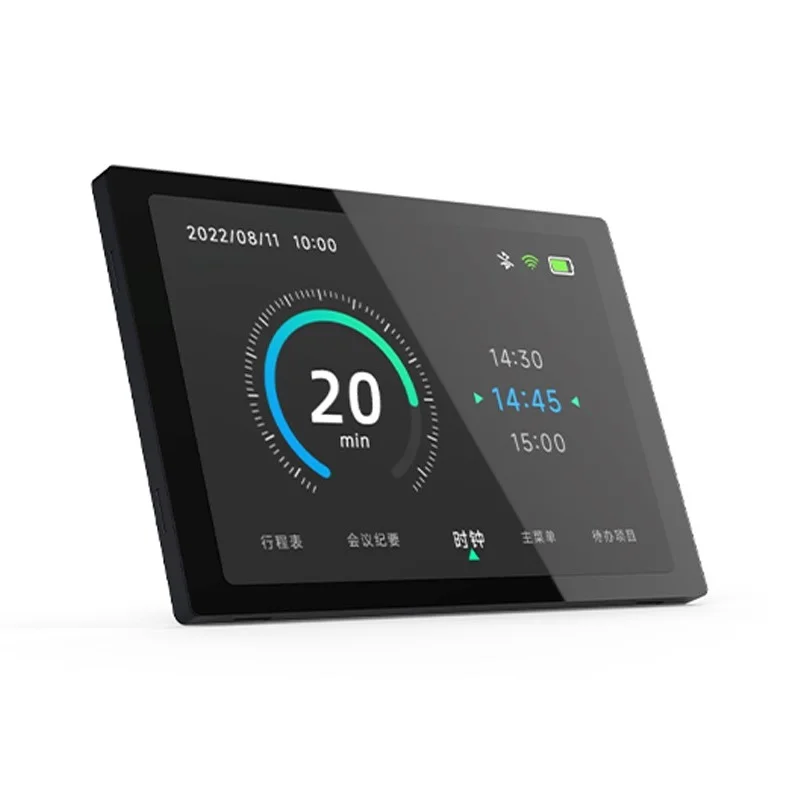
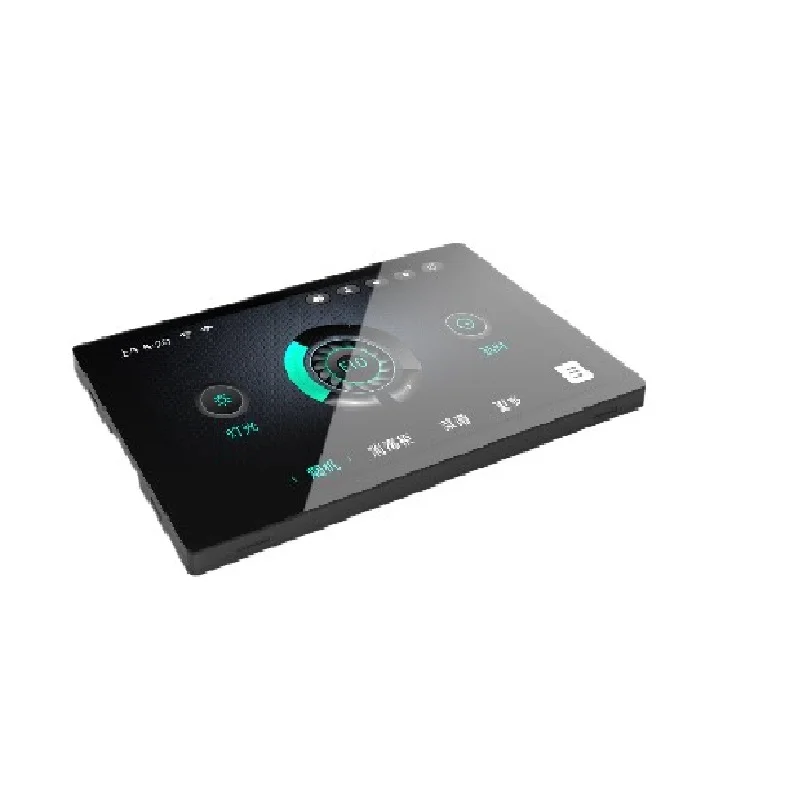
The Wireless-Tag WT32-SC01 PLUS is an ESP32-S3-powered AIoT development board featuring a 3.5-inch capacitive touch IPS LCD, 16MB flash, and 2MB PSRAM, designed for rapid GUI application development with Wi-Fi & BLE connectivity and Arduino/MicroPython support.

Features

  • ESP32-S3-WROVER-N16R2 Core: Dual-core 32-bit LX7 MCU with 16MB SPI flash, 2MB PSRAM, and integrated Wi-Fi 4 & Bluetooth 5 (BLE) for robust IoT connectivity.
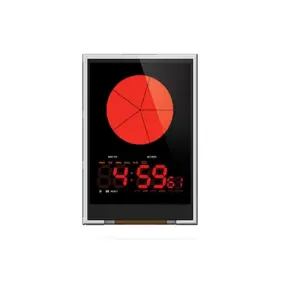
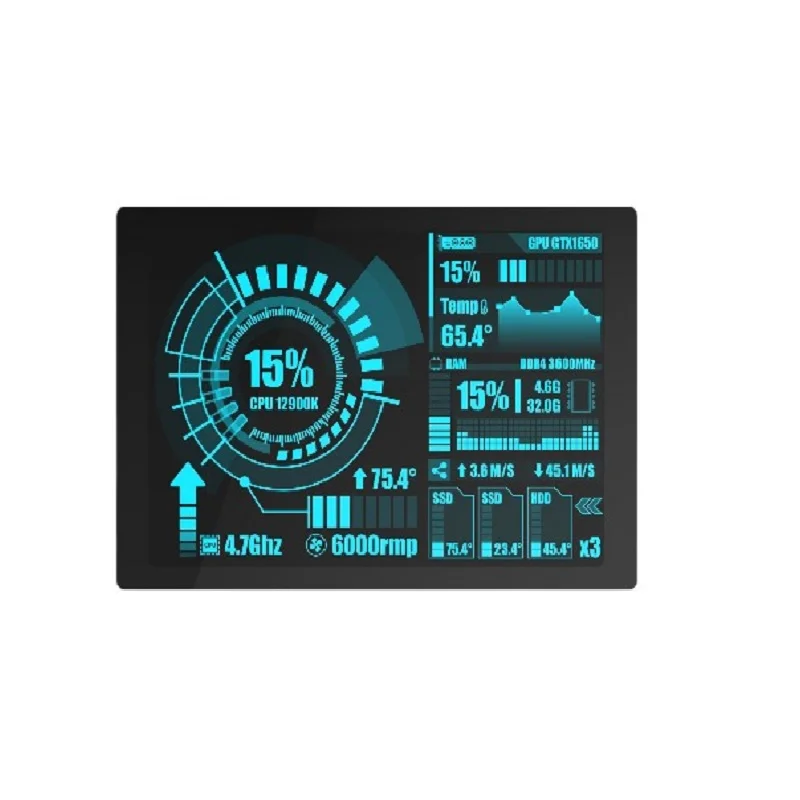
  • 3.5-Inch IPS Touch Display: High-resolution 480×320 capacitive multi-touch screen with 8080 parallel interface for responsive GUI and HMI projects.
  • Pre-Loaded GUI Firmware: Includes a proprietary visual drag-and-drop programming platform to accelerate custom control panel and dashboard development.
  • Rich Expansion Interfaces: Exposes GPIO, SPI, I2C, UART, USB-C, SD card, speaker, and camera ports for sensor, audio, and vision module integration.
  • Multi-Framework Support: Fully programmable via Arduino IDE, ESP-IDF, or MicroPython, catering to makers, educators, and embedded systems engineers.

Out of stock

Description

The WT32-SC01 PLUS is a feature-rich AIoT development board engineered for creating visually interactive smart devices and industrial HMIs. Its heart is the WT32-S3-WROVER-N16R2 module, which houses Espressif’s ESP32-S3 microcontroller, delivering dual-core processing power, substantial 16MB flash storage for complex applications, and 2MB of PSRAM for high-resolution graphics buffering. The integrated 2.4GHz Wi-Fi and Bluetooth Low Energy 5.0 stack enable seamless wireless communication for remote monitoring, control, and data logging.

The board’s centerpiece is a vibrant 3.5-inch IPS LCD with a capacitive multi-touch overlay, providing a crisp 480×320 pixel canvas for building user interfaces. The parallel 8080 interface ensures fast screen refresh rates. Beyond the display, the board is architected for expansion, with side-mounted headers breaking out numerous digital and analog GPIOs, alongside dedicated interfaces for adding an SD card, speaker, camera module, or external debugging hardware. This makes it an ideal platform for prototyping smart home controllers, industrial telemetry dashboards, interactive kiosks, and embedded vision systems.

Key Features

  • High-Performance ESP32-S3 MCU: Dual-core Xtensa LX7 processor up to 240MHz with vector instructions for efficient AI/ML workloads at the edge.
  • Ample Memory for GUI Applications: 16MB of SPI flash stores complex firmware and assets, while 2MB PSRAM handles large framebuffers and graphic objects smoothly.
  • Integrated Wireless Connectivity: Single-chip solution for 2.4GHz Wi-Fi (802.11 b/g/n) and Bluetooth 5.0 with BLE support for local and cloud connectivity.
  • Capacitive Multi-Touch Screen: Enables intuitive pinch, zoom, and swipe gestures for modern, app-like user experiences in embedded projects.
  • Accelerated GUI Development: Proprietary firmware platform allows drag-and-drop UI design, significantly reducing coding time for control interfaces.
  • Comprehensive I/O Expansion: Includes USB-C for power and programming, SD card slot for data logging, I2S for audio, and camera interface for computer vision.
  • Broad Software Ecosystem: Compatible with Arduino Core, Espressif's official ESP-IDF, and MicroPython, offering flexibility for developers of all skill levels.

Applications

  • Smart Home Control Panels: Centralized touchscreen interface for lighting, climate, security, and appliance automation.
  • Industrial HMI & Telemetry Dashboards: Real-time monitoring and control display for PLCs, sensor networks, and machine data.
  • Interactive Kiosks & POS Systems: Self-service terminals, digital signage, and retail point-of-sale with wireless connectivity.
  • Prototyping IoT Devices: Rapid development platform for connected appliances, environmental monitors, and wearable tech with a UI.
  • Educational Tools for Embedded GUI: Ideal for teaching embedded systems, IoT, and human-machine interaction design in academic settings.

Technical Specifications

Microcontroller / SoCESP32-S3 (Dual-core Xtensa LX7), WT32-S3-WROVER-N16R2 Module
Wireless ProtocolsWi-Fi 802.11 b/g/n (2.4GHz), Bluetooth 5.0 with BLE
Flash Memory16 MB SPI Flash
PSRAM2 MB
Display3.5-inch IPS LCD, Capacitive Multi-Touch
Display Resolution480 x 320 pixels
Display Interface8080 Parallel Interface
Supply Voltage5V via USB Type-C
InterfacesUSB-C, GPIO, SPI, I2C, UART, I2S, SD Card, Camera, Speaker, Debug
Programming SupportArduino IDE, ESP-IDF, MicroPython, Proprietary GUI Platform
Operating TemperatureCommercial range (typical for ESP32 modules)
Dimensions (Board)Approx. 10cm x 7cm (from shipping data)

Frequently Asked Questions

How do I program the WT32-SC01 PLUS using the Arduino IDE?

First, install the ESP32 board support via the Arduino Boards Manager using the URL https://Espressif.github.io/Arduino-esp32/package_esp32_index.json. Select 'ESP32S3 Dev Module' as your board. Configure the flash mode to 'QIO', flash size to '16MB', and PSRAM to 'Enabled'. Connect the board via the provided USB-C cable. You can then write and upload sketches that utilize the display, touch, and wireless features. The board's specific pin mappings for the LCD and touch are defined in the Wireless-Tag library examples.

What is the proprietary GUI firmware and how do I use it?

The board comes pre-loaded with Wireless-Tag's visual programming firmware. To use it, you typically connect to the board's Wi-Fi AP, access a web-based designer via a browser, and drag-and-drop UI elements like buttons, sliders, and graphs. You link these elements to hardware functions or data variables. Once designed, you deploy the interface directly to the board. This method requires no traditional coding for the UI layer, allowing rapid prototyping of control interfaces while still allowing backend logic to be written in Arduino or MicroPython for complex behaviors.

Can I connect a camera module to this development board?

Yes, the WT32-SC01 PLUS includes a dedicated camera interface (likely a DVP parallel port). You can connect compatible camera modules, such as OV2640 or OV7670 sensors, using the specific pin header on the side of the board. You will need to use the ESP32's camera driver libraries within the ESP-IDF or Arduino environment to capture and process images. This enables applications like video streaming, object detection, or barcode scanning, leveraging the board's display for live preview and the Wi-Fi for remote video transmission.

What is the power supply requirement and typical operating current?

The board is powered via the USB Type-C port with a standard 5V supply. The operating current varies significantly based on usage: the ESP32-S3 core draws tens to hundreds of mA, and the 3.5-inch LCD backlight is the largest consumer, often adding 100-200mA. During active Wi-Fi transmission with full screen brightness, peak current can reach 300-400mA. For battery-powered projects, utilize the chip's deep sleep modes (consuming microamps) and programmatically control the display backlight to extend operational life. A stable 5V/1A USB power adapter is recommended for reliable operation.

Package Includes

  • 1 x Wireless-Tag WT32-SC01 PLUS Development Board
  • 1 x USB Type-C Cable

Additional Information

Weight 0.1 kg
Dimensions 10 × 7 × 3 cm