SKU: SENS-0900
📋 GST Invoice Available

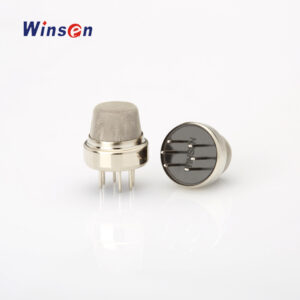
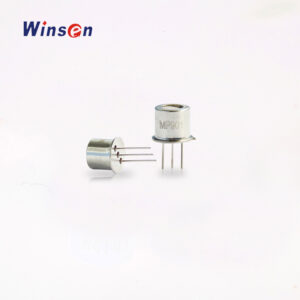
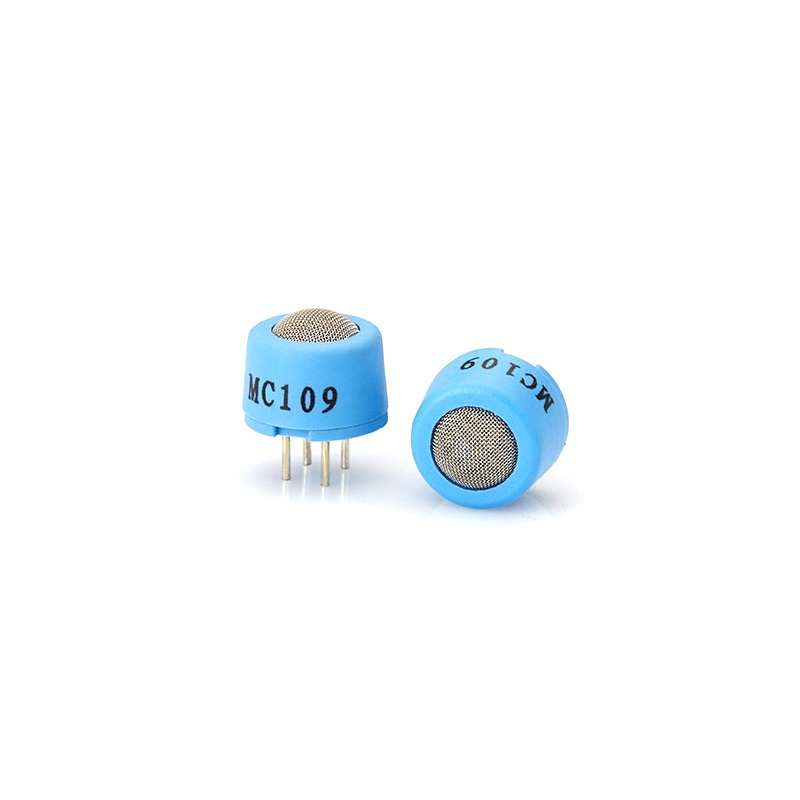
Winsen MC109 Catalytic Flammable Gas Sensor - Metal Mesh Encapsulation

₹1,609.00 (Inclusive of all taxes)
Out of Stock

The Winsen MC109 is a catalytic combustion flammable gas sensor designed for industrial safety systems, offering 0-100% LEL detection for hydrogen, hydrocarbons, and VOCs. It operates on a 2.5V±0.1 bridge circuit and provides a linear voltage output proportional to gas concentration.

Features

  • Catalytic combustion sensing principle with test and compensation elements for stable bridge output.
  • 0 to 100% Lower Explosive Limit (LEL) detection range for a wide variety of flammable gases.
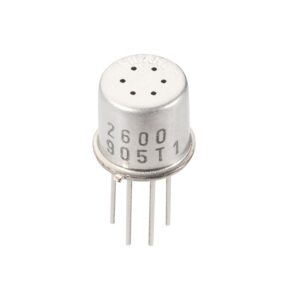
  • Metal encapsulation with metallurgy powder mesh for durability and protection.
  • Low operating voltage of 2.5V ±0.1V with a typical working current of 100mA ±10mA.
  • Fast response time (≤10s for 90% response) and good resistance to H2S and organosilicon interference.

Out of stock

Description

The Winsen MC109 flammable gas sensor employs a proven catalytic combustion principle. Its Wheatstone bridge circuit consists of a catalytically active test element and a passive compensation element. When combustible gases oxidize on the active element, its temperature and resistance increase, unbalancing the bridge and producing a voltage output directly proportional to gas concentration. The compensation element corrects for ambient temperature and humidity variations, ensuring measurement stability.

Built with a robust metal housing and a sintered metallurgy powder mesh, the sensor is designed for harsh industrial environments. It offers reliable performance across an operating temperature range of -40°C to +70°C with high linearity and selectivity, making it a critical component for fixed gas detection systems monitoring for leaks and hazardous accumulations.

Key Features

  • Linear bridge output voltage proportional to gas concentration for straightforward signal conditioning.
  • Fast response and recovery times enable rapid detection and system clearance alerts.
  • Excellent long-term stability and repeatability ensure consistent performance over the sensor's lifespan.
  • High selectivity and inherent resistance to poisoning from H2S and organosilicon compounds.
  • Robust metal encapsulation with powder mesh provides mechanical strength and flame arrestance.
  • Integrated compensation element minimizes drift due to ambient temperature and humidity changes.
  • Wide operating temperature range from -40°C to +70°C for deployment in diverse climates.

Applications

  • Fixed gas detection systems in petrochemical plants and refineries for leak monitoring.
  • Safety monitoring in confined spaces, tunnels, and parking garages for hydrocarbon buildup.
  • Industrial process control and emission monitoring in painting booths and solvent handling areas.
  • Combustible gas detection in hydrogen fuel cell facilities and battery storage rooms.
  • VOC concentration monitoring in manufacturing and waste treatment facilities.

Technical Specifications

Model NumberMC109
Sensor TypeCatalytic Combustion
Detection PrincipleWheatstone Bridge (Test & Compensate Elements)
Measurement Range0 to 100% LEL (Lower Explosive Limit)
Target GasesHydrogen, Acetylene, Gasoline, Alcohols, Ketones, Benzene, VOCs
Operating Voltage2.5V ±0.1V
Working Current100mA ±10mA
Output SignalLinear Bridge Voltage
Linearity≤5%
Response Time (T90)≤10 seconds
Recovery Time (T90)≤30 seconds
Operating Temperature-40°C to +70°C (with ≤95% RH)
EncapsulationMetal Housing with Metallurgy Powder Mesh

Frequently Asked Questions

What is the operating voltage and current for the MC109 sensor?

The MC109 requires a precise 2.5V ±0.1V DC supply to power its catalytic bridge. The typical working current is 100mA ±10mA. It is critical to use a stable, regulated power source within this range to ensure accurate readings and prevent sensor damage.

How does the MC109 output signal work and what does it measure?

The sensor provides a linear analog voltage output from an unbalanced Wheatstone bridge. The voltage change is directly proportional to the concentration of combustible gas present, expressed as a percentage of the Lower Explosive Limit (%LEL). This signal typically requires amplification and conditioning by a dedicated transmitter or controller module.

What gases can the Winsen MC109 detect?

The MC109 is designed to detect a broad range of flammable gases and vapors within the 0-100% LEL range. This includes hydrogen, acetylene, gasoline, and common VOCs such as alcohols, ketones, and benzene. Its catalytic bead is sensitive to most hydrocarbons that undergo combustion.

What is the purpose of the two elements (test and compensate) in the sensor?

The active test element contains a catalyst that causes combustible gases to oxidize, heating the element and changing its resistance. The passive compensate element is inert and does not react to gas. It serves as a reference to cancel out signal changes caused by ambient temperature and humidity variations, ensuring a stable and accurate measurement.

Is the MC109 suitable for outdoor or harsh industrial environments?

Yes, its metal encapsulation and sintered powder mesh provide mechanical robustness and act as a flame arrester. With an operating temperature range of -40°C to +70°C and resistance to common poisons like H2S, it is built for demanding industrial applications, including outdoor monitoring stations and harsh process areas.

Package Includes

  • 1 x Winsen MC109 Catalytic Flammable Gas Sensor

Additional Information

Weight 0.01 kg
Dimensions 4 × 3 × 1 cm