SKU: SENS-0292
📋 GST Invoice Available

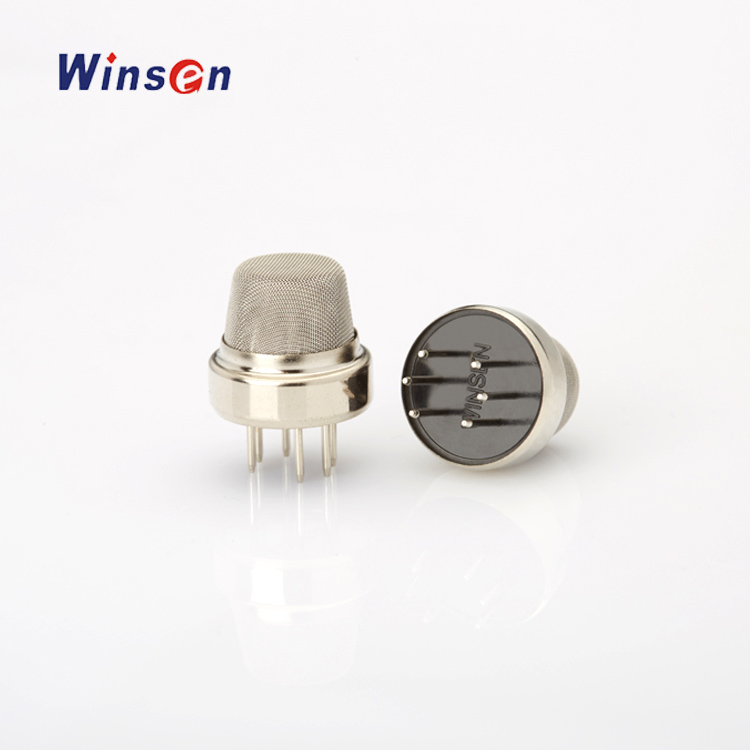
Winsen MQ135 Semiconductor Air Quality Sensor - SnO2 Gas Detection Module

₹239.00 (Inclusive of all taxes)
Out of Stock

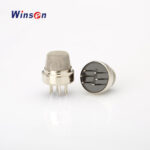
The Winsen MQ135 is a semiconductor-based air quality sensor module designed for detecting a wide range of toxic gases and pollutants, including ammonia, benzene series vapors, smoke, and sulfides. It operates on a standard 5V DC circuit and provides a simple analog output signal proportional to gas concentration, making it compatible with Arduino, Raspberry Pi, and other microcontroller platforms for IAQ monitoring.

Features

  • Semiconductor SnO2 sensing element for broad-spectrum toxic gas detection.
  • Detection range of 10–1000 ppm for ammonia, toluene, hydrogen, smoke, and sulfides.
  • Standard operating voltage: 5.0V ±0.1V for both heater (VH) and circuit (Vc).
  • Durable bakelite base with metal cap encapsulation for stable performance.
  • Simple drive circuit with analog output for easy integration into monitoring systems.

Out of stock

Description

The Winsen MQ135 gas sensor utilizes a tin dioxide (SnO2) semiconductor sensing element. In clean air, the sensor’s conductivity is low. When target pollutant gases are present, the conductivity increases proportionally with the gas concentration. This change in conductivity can be converted into a corresponding output signal via a straightforward conditioning circuit, enabling quantitative gas concentration monitoring.

Engineered for long-term stability and reliability, the MQ135 features a robust bakelite base and metal cap construction. It is designed for continuous operation in both domestic and industrial environments, providing a cost-effective solution for air quality assessment and toxic gas leak detection without requiring complex calibration or signal processing.

Key Features

  • Broad-spectrum sensitivity to ammonia, sulfides, benzene series vapors, smoke, and other toxic gases.
  • Stable SnO2 semiconductor sensing element with consistent long-term performance.
  • Durable bakelite and metal cap encapsulation protects the sensing element.
  • Simple 5V DC drive circuit requirement with straightforward analog output interface.
  • Optimized performance-to-cost ratio for widespread IAQ monitoring applications.
  • Low power consumption suitable for portable and fixed detector designs.

Applications

  • Residential and commercial indoor air quality (IAQ) monitoring systems.
  • Industrial safety alarms for ammonia or solvent leak detection in workshops.
  • Portable gas detectors for environmental safety and hazard assessment.
  • Ventilation control systems in HVAC applications based on pollutant levels.
  • Educational and prototyping projects for gas sensing with Arduino or Raspberry Pi.

Technical Specifications

Model NumberMQ135
Sensor TypeSemiconductor (SnO2)
Target GasesAmmonia, Sulfide, Benzene Series Steam, Toluene, Hydrogen, Smoke
Detecting Range10–1000 ppm
Standard Circuit Voltage (Vc)5.0V ±0.1V
Heater Voltage (VH)5.0V ±0.1V
Standard EncapsulationBakelite Base, Metal Cap
Output SignalAnalog (Conductivity Change)

Frequently Asked Questions

What is the operating voltage for the MQ135 sensor?

The MQ135 requires a stable 5.0V DC ±0.1V supply for both its heater (VH) and the sensing circuit (Vc). It is crucial to use a regulated power source to ensure accurate and stable readings, as voltage fluctuations can affect sensor sensitivity and heater performance.

What gases can the Winsen MQ135 detect?

The MQ135 provides broad-spectrum sensitivity primarily to ammonia (NH3), sulfides, benzene series vapors (like toluene), hydrogen, and smoke. It is not specific to a single gas but is effective for general toxic gas and air quality monitoring within its 10–1000 ppm range.

How do I interface the MQ135 with an Arduino or microcontroller?

Interface is straightforward via its analog output. Connect the sensor's analog output pin to an ADC input on your microcontroller (e.g., Arduino). A simple voltage divider or load resistor is typically used in the circuit to convert the sensor's changing conductivity into a measurable voltage. Sample code for calibration and reading concentration is widely available.

Does the MQ135 require a pre-heating or burn-in period?

Yes, like most metal-oxide semiconductor sensors, the MQ135 requires an initial pre-heating period (typically 24-48 hours) for the readings to stabilize. After first use or a long storage period, a shorter warm-up time of several minutes is needed for reliable operation.

Is the MQ135 suitable for outdoor or industrial environments?

While durable, the MQ135's bakelite and metal cap provide basic protection but are not fully sealed. It is best used in controlled indoor environments or within an enclosure. For harsh industrial settings with high humidity or dust, additional protective housing or a sensor with a specific IP rating is recommended.

Package Includes

  • 1 x Winsen MQ135 Semiconductor Air Quality Sensor Module

Additional Information

Weight 0.02 kg
Dimensions 4 × 3 × 1 cm