SKU: SENS-0288
📋 GST Invoice Available

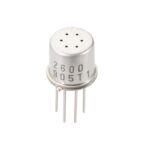
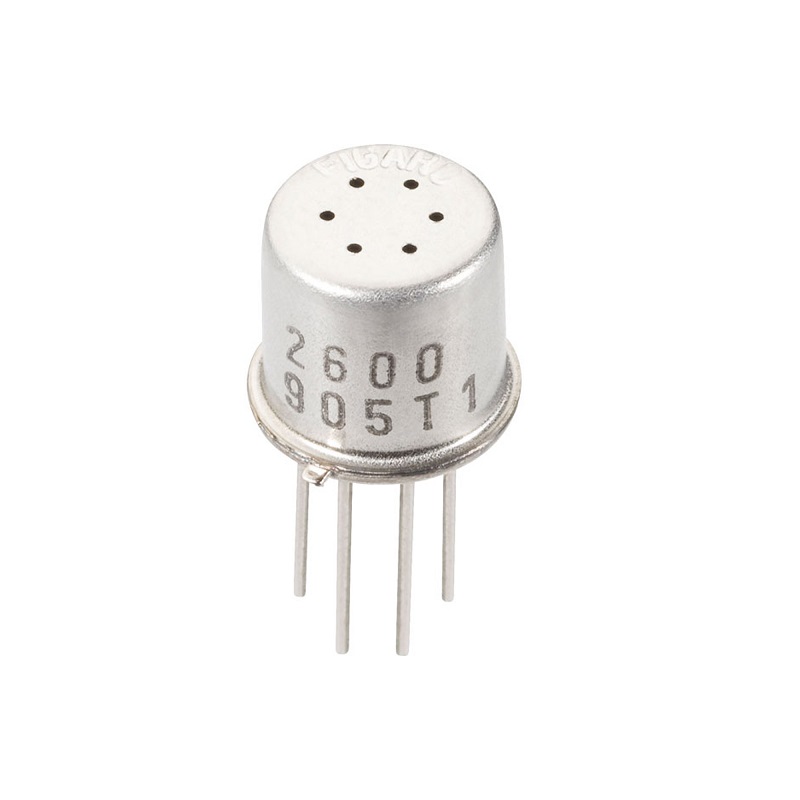
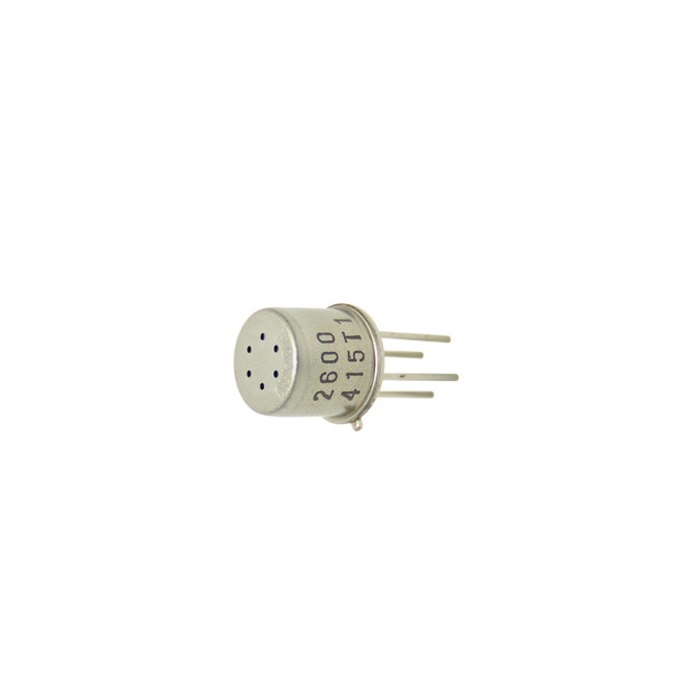
Figaro Engineering TGS 2600 Air Quality Sensor - MOS Type, TO-5 Metal Can

₹479.00 (Inclusive of all taxes)
Out of Stock

The Figaro Engineering TGS 2600 is a metal-oxide semiconductor (MOS) air quality sensor housed in a standard TO-5 metal can package. It provides a resistive output signal for detecting low concentrations of gaseous contaminants like hydrogen, ethanol, and carbon monoxide, making it suitable for integration into air quality monitors, ventilation controls, and portable detection systems.

Features

  • MOS sensing element for detecting gaseous air contaminants like hydrogen, ethanol, and CO.
  • Low heater power consumption of 210mW (42mA typical heater current).
  • Standard TO-5 metal can package ensures durability and standard footprint.
  • Sensor resistance varies from 10kΩ to 90kΩ in clean air, changing with gas concentration.
  • High sensitivity to low ppm levels of target gases, suitable for air quality monitoring.

Out of stock

Description

The Figaro Engineering TGS 2600 utilizes a metal oxide semiconductor (MOS) sensing layer deposited on an alumina substrate. In the presence of detectable gases, the sensor’s conductivity increases proportionally to the gas concentration. This change in conductivity can be measured as a change in resistance across a simple load resistor, providing an analog output signal corresponding to the contaminant level.

Designed for long-term stability and low power operation, the integrated heater maintains the sensing element at its optimal operating temperature. The sensor’s miniaturized chip design and standard TO-5 housing make it a reliable and cost-effective solution for monitoring air contaminants such as those found in cigarette smoke, industrial environments, and indoor air quality systems.

Key Features

  • Metal-oxide semiconductor (MOS) sensing technology for broad gas detection.
  • Optimized for low concentrations of hydrogen, carbon monoxide, ethanol, and other air contaminants.
  • Low-power heater circuit with typical consumption of 210mW.
  • Durable TO-5 metal can package provides mechanical and environmental protection.
  • Simple interface requiring only a heater supply and a load resistor for signal acquisition.
  • Stable baseline resistance in clean air for reliable long-term monitoring.
  • High-value build offering a proven balance of performance, longevity, and cost.

Applications

  • Indoor air quality (IAQ) monitors and controllers for homes and offices.
  • Ventilation system demand control based on contaminant levels.
  • Portable air quality detectors and personal exposure monitors.
  • Smoke detection and environmental sensing in industrial settings.
  • Research and development for gas sensing and atmospheric studies.

Technical Specifications

Manufacturer Part NumberTGS2600
Sensing PrincipleMetal Oxide Semiconductor (MOS)
Target GasesAir Contaminants (Hydrogen, Ethanol, Carbon Monoxide, etc.)
Standard PackageTO-5 Metal Can
Heater ResistanceApprox. 83Ω (Typical at Room Temperature)
Heater Current42mA ±4mA
Heater Power Consumption210mW
Sensor Resistance in Air10kΩ ~ 90kΩ
Load Resistance (Recommended)Variable, 0.45kΩ minimum
Sensitivity (ΔRs/Rs air)0.3 ~ 0.6 (in 10ppm H2)

Frequently Asked Questions

What is the operating voltage and circuit for the TGS 2600 sensor?

The TGS 2600 requires two separate circuits: a heater circuit and a sensing circuit. The heater typically operates at 5V DC, drawing 42mA. The sensing element requires a voltage applied across it in series with a load resistor (minimum 0.45kΩ). The output signal is the voltage across this load resistor, which changes with sensor conductivity.

How do I interpret the output signal from this MOS sensor?

The output is an analog voltage representing the sensor's resistance (Rs). In clean air, Rs is between 10kΩ and 90kΩ. In the presence of a target gas, the conductivity increases, causing Rs to decrease. The ratio Rs/R0 (where R0 is resistance in clean reference air) correlates to gas concentration. A microcontroller's ADC can read the voltage across the load resistor.

Does the TGS 2600 require calibration?

Yes, for quantitative measurement, calibration is necessary. The sensor requires an initial burn-in period and a baseline reading in clean air (R0). Sensitivity varies between units and target gases. For reliable ppm-level readings, calibration against known gas concentrations is recommended, and periodic baseline checks are advised due to long-term drift.

What is the typical response and recovery time of this sensor?

MOS sensors like the TGS 2600 have response times on the order of tens of seconds to reach 90% of the final signal upon gas exposure. Recovery to baseline in clean air can take several minutes. These times are dependent on gas concentration, temperature, humidity, and airflow across the sensor element.

Package Includes

  • 1 x Figaro Engineering TGS 2600 Air Quality Sensor

Additional Information

Weight 0.01 kg
Dimensions 9 × 7 × 1 cm