SKU: IOWC-1147
📋 GST Invoice Available

Waveshare Luckfox Pico WebBee RV1103 Linux Micro Board w/ Cortex-A7 & RISC-V

₹1,889.00 (Inclusive of all taxes)
Out of Stock

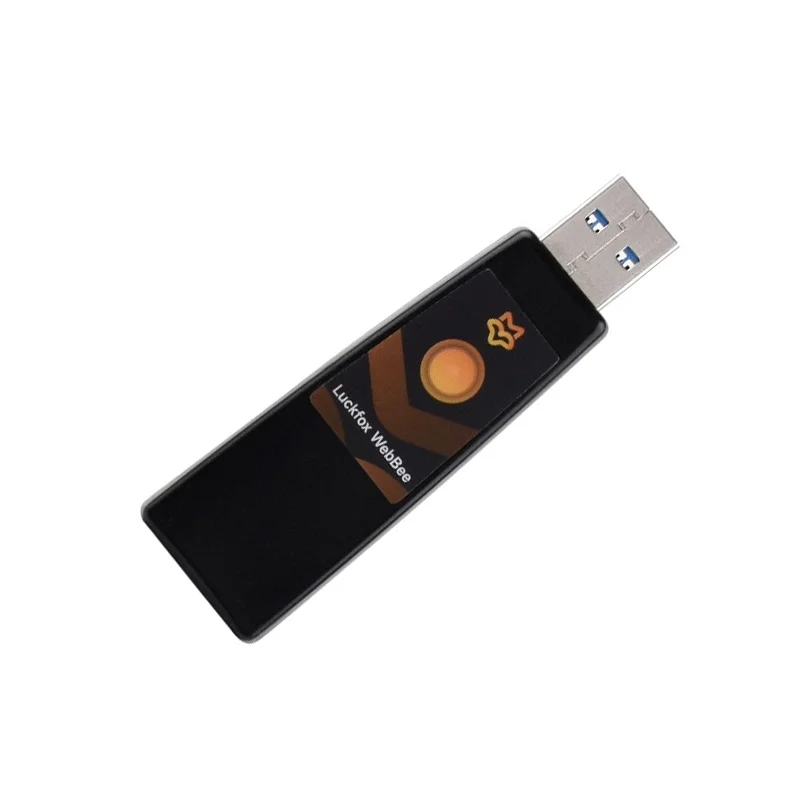
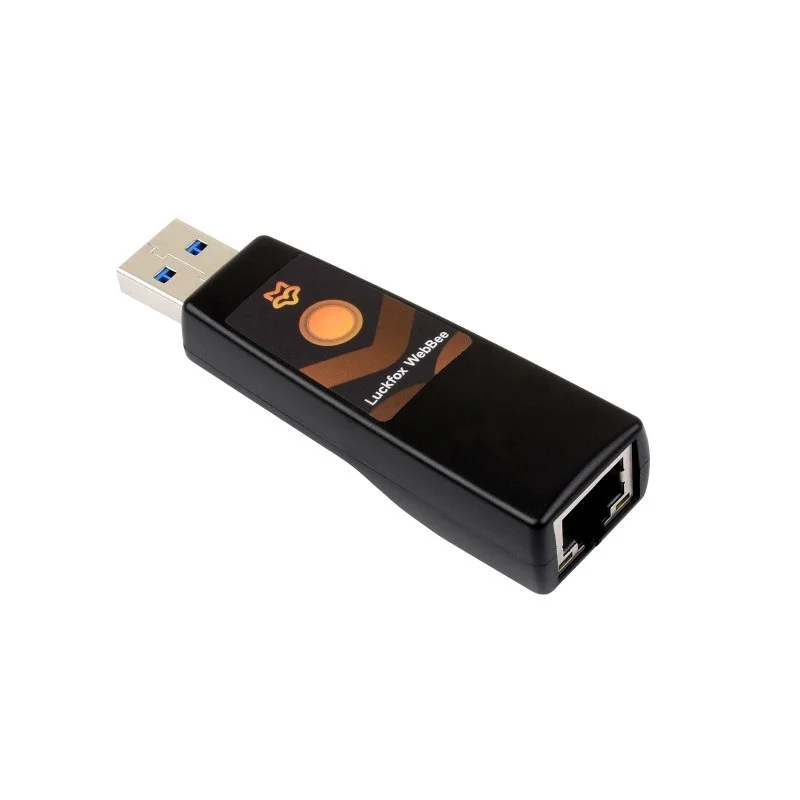
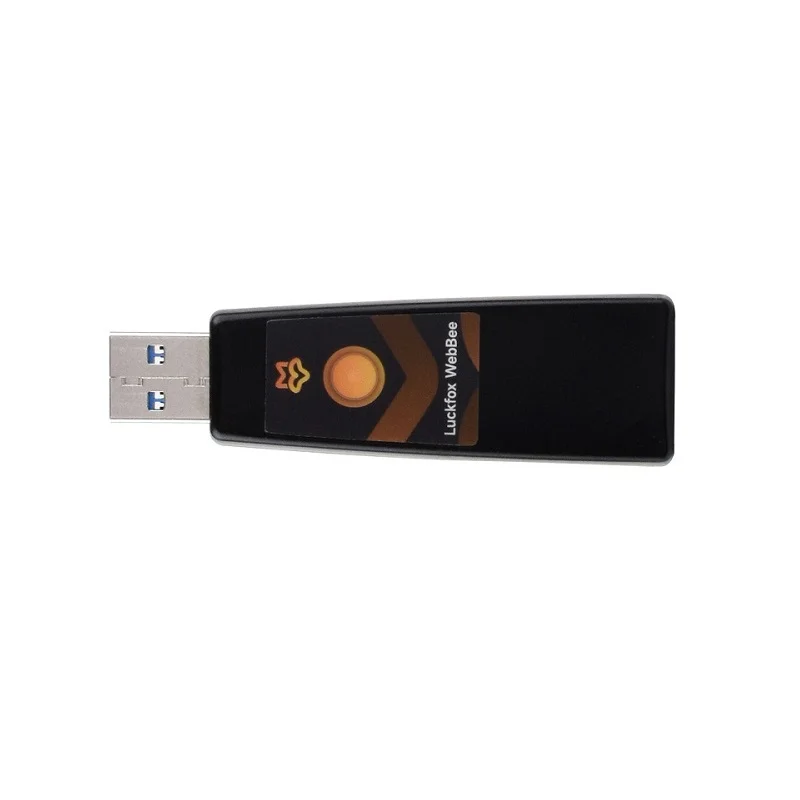
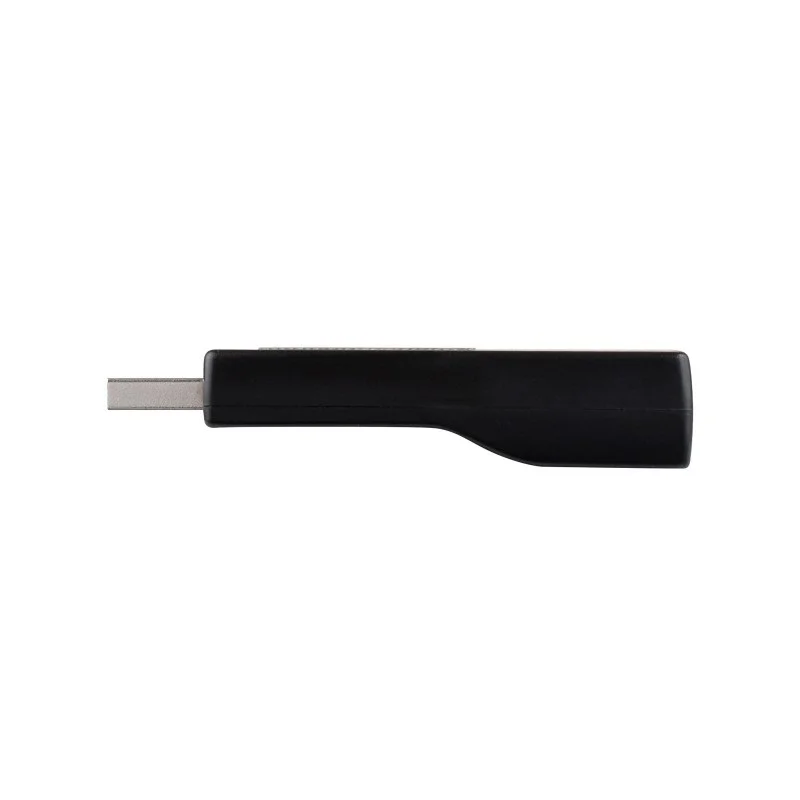
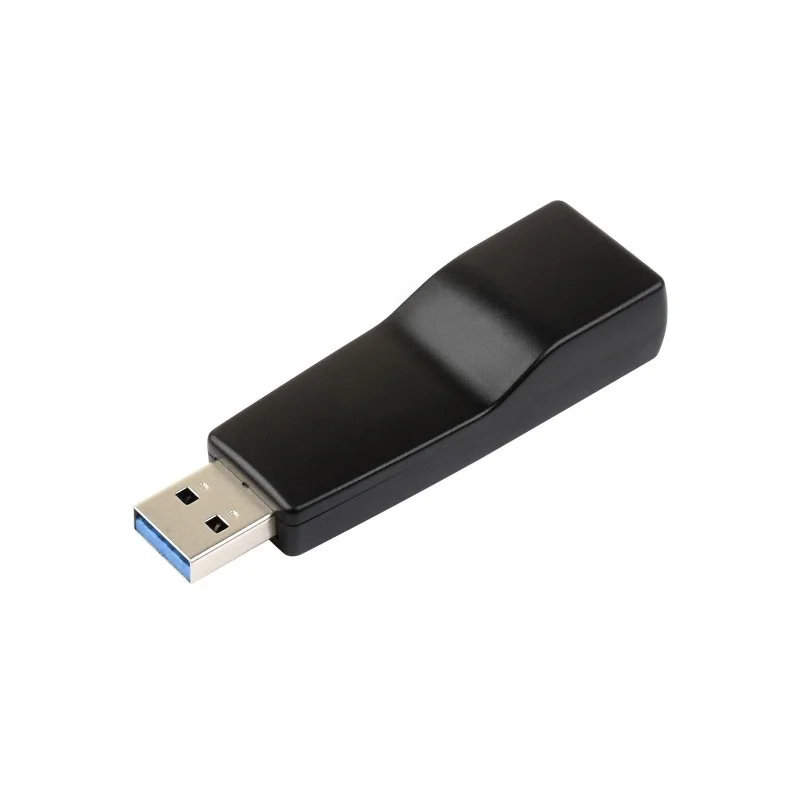
The Waveshare Luckfox Pico WebBee RV1103 is a compact Linux micro development board integrating an Arm Cortex-A7 processor, a RISC-V MCU, and an embedded 10/100M Ethernet PHY, designed for embedded IoT prototyping and network gateway applications.

Features

  • Rockchip RV1103 SoC combines a 1.2GHz Arm Cortex-A7 core with a RISC-V microcontroller for efficient Linux processing and real-time control.
  • Integrated 10/100M Ethernet MAC and PHY provides stable, wired network connectivity for IoT gateways and edge servers.
  • Includes 64MB DDR2 RAM and 128MB SPI NAND Flash for running embedded Linux distributions and application data.
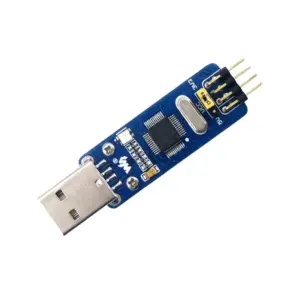
  • USB 2.0 Host/Device port enables plug-and-play debugging, peripheral connection, and firmware updates.
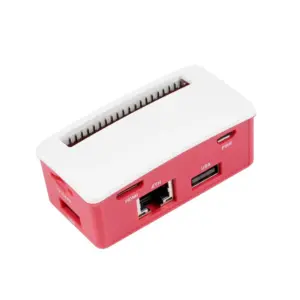
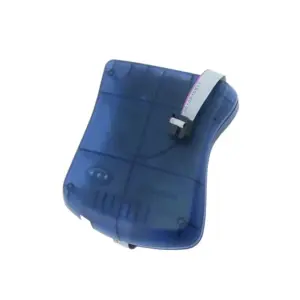
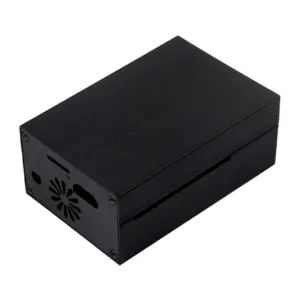
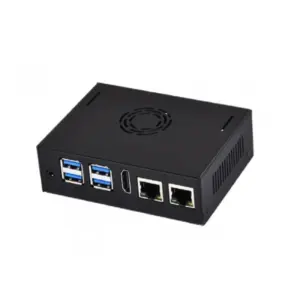
  • Durable ABS protective case safeguards the board for versatile deployment in prototyping and industrial environments.

Out of stock

Description

The Luckfox Pico WebBee RV1103 is a feature-rich Linux micro development board engineered for embedded IoT and gateway solutions. Its Rockchip RV1103 platform merges a high-performance 1.2GHz Arm Cortex-A7 application processor with a power-efficient RISC-V co-processor, enabling complex Linux applications alongside real-time task handling. The onboard integration of a 10/100M Ethernet controller and PHY eliminates the need for external adapters, delivering reliable wired network access crucial for industrial telemetry, remote monitoring, and protocol conversion gateways.

With 64MB of DDR2 RAM and 128MB of onboard SPI NAND Flash, the board supports running a full embedded Linux stack, making it suitable for developing networked sensor hubs, data loggers, and lightweight edge computing nodes. The inclusion of a USB 2.0 port simplifies development workflows, allowing for direct serial console access, mass storage, and peripheral expansion. Housed in a rugged ABS case, the WebBee is built for durability in prototyping labs, educational settings, and field-deployed IoT infrastructure.

Key Features

  • Dual-core heterogeneous architecture with Arm Cortex-A7 and RISC-V for optimal performance/power efficiency.
  • Fully integrated Ethernet solution with embedded MAC and PHY for simplified wired network design.
  • Onboard SPI NAND Flash provides ample storage for the Linux kernel, root filesystem, and application data.
  • USB 2.0 interface supports both Host and Device modes for flexible connectivity and debugging.
  • Rugged ABS enclosure protects the board from physical damage and EMI in operational environments.
  • Supported by mainline Linux kernel and a comprehensive SDK for accelerated application development.
  • Low-power design suitable for always-on network appliances and edge computing devices.

Applications

  • Industrial IoT (IIoT) gateways for protocol conversion (Modbus TCP, MQTT).
  • Networked sensor hubs and data loggers for environmental monitoring.
  • Embedded Linux prototyping and educational platforms for networking courses.
  • Lightweight edge computing nodes for data preprocessing and local control.
  • Smart home automation controllers and network-attached storage (NAS) prototypes.

Technical Specifications

SoC / ProcessorRockchip RV1103 (1.2GHz Arm Cortex-A7 + RISC-V MCU)
RAM64MB DDR2
Storage128MB SPI NAND Flash
Ethernet10/100Mbps, Integrated MAC & PHY
USBUSB 2.0 Host/Device
Operating SystemEmbedded Linux
EnclosureDurable ABS Case
Dimensions (Shipping)100mm x 70mm x 30mm

Frequently Asked Questions

How do I set up a serial console and boot Linux on the Luckfox Pico WebBee?

Connect the board's USB port to your PC; it will enumerate as a serial device. Use a terminal emulator like screen or PuTTY at the appropriate COM port with a baud rate of 1500000. Power the board via the USB port. The pre-loaded bootloader and kernel will output boot logs to the serial console, giving you access to the Linux shell for initial configuration and software installation.

What is the power supply requirement and how do I connect peripherals?

The board is powered via the USB Type-A port, requiring a standard 5V DC supply. For connecting peripherals like sensors or displays, you will need to solder to or access the unpopulated GPIO headers on the board. The pinout is defined in the official Waveshare wiki. The USB port can also act as a host to connect keyboards, Wi-Fi dongles, or storage devices for expanded functionality.

Can I update the firmware or install a custom Linux distribution?

Yes, you can update the firmware using the Rockchip upgrade tool. First, place the board into MaskROM mode by shorting specific test points, then connect via USB. Use the official upgrade tool to flash a new system image. The board is compatible with the mainline Luckfox SDK, allowing you to build custom kernel images and root filesystems tailored to your application's requirements.

Package Includes

  • 1 x Waveshare Luckfox Pico WebBee RV1103 Linux Micro Development Board

Additional Information

Weight 0.026 kg
Dimensions 7 × 10 × 3 cm