SKU: IOWC-1298
📋 GST Invoice Available

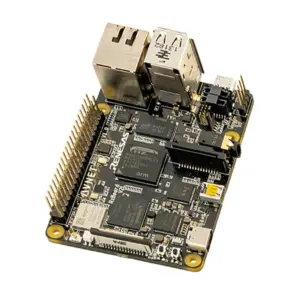
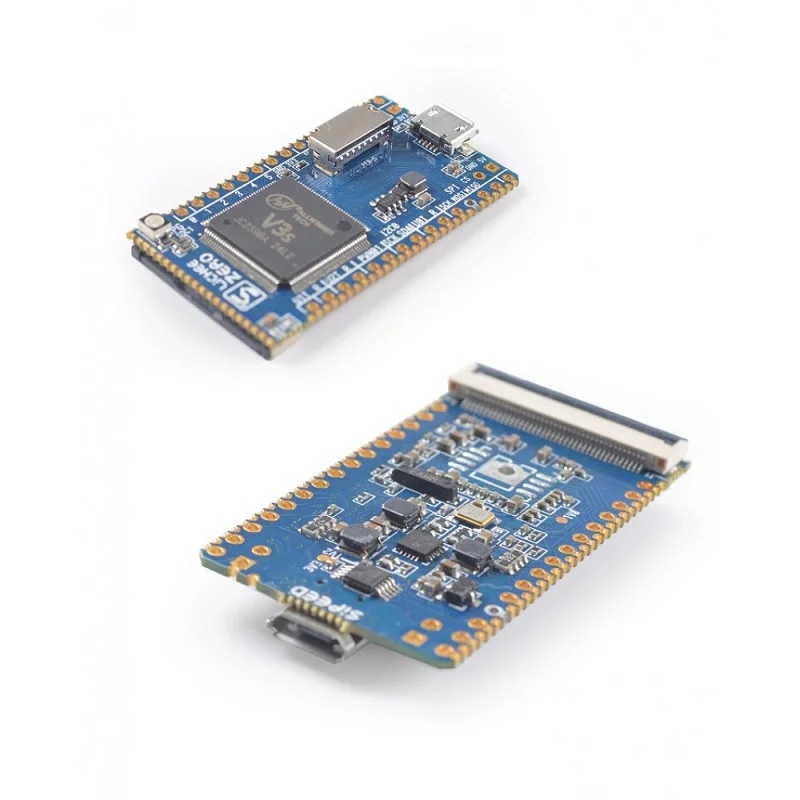
Sipeed Lichee Pi Zero ARM Cortex-A7 Linux SBC

₹1,919.00 (Inclusive of all taxes)
Out of Stock

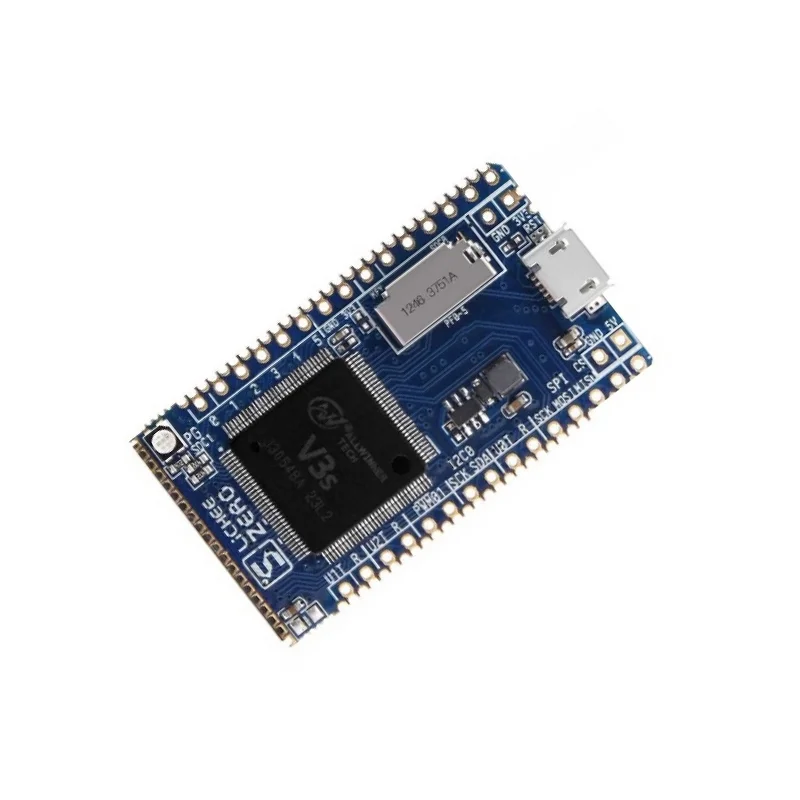
The Sipeed Lichee Pi Zero is a compact ARM Cortex-A7 Linux development board based on the Allwinner V3s SoC, featuring 64MB DDR2 RAM, a Micro USB OTG port, and extensive I/O for embedded vision and IoT applications.

Features

  • Allwinner V3s SoC with ARM Cortex-A7 core for embedded Linux development.
  • Compact form factor with 64MB DDR2 RAM and TF card storage support.
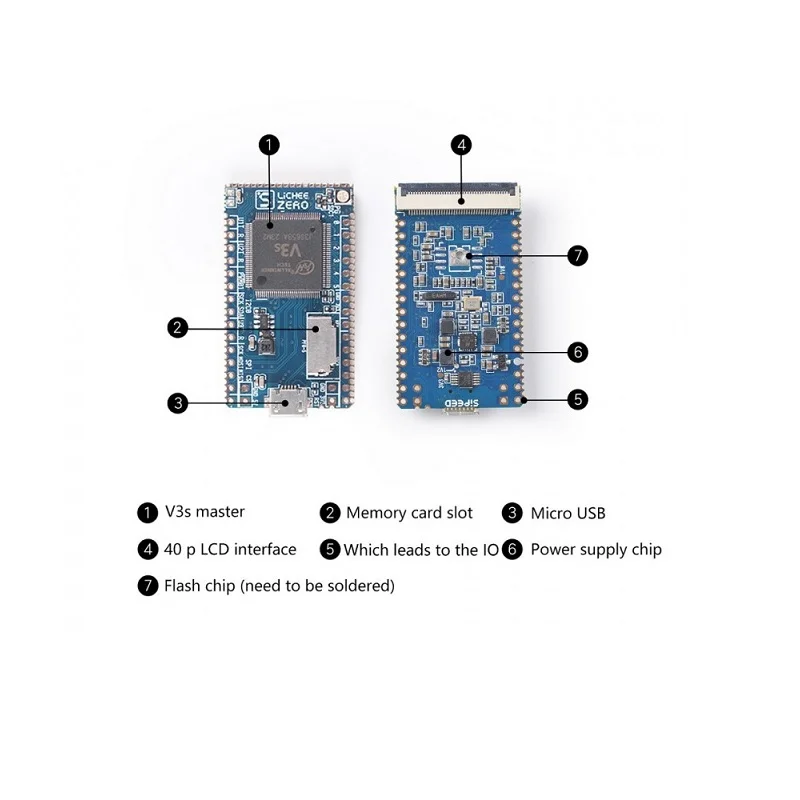
  • Universal 40P FPC holder for direct 4.3/5/7-inch RGB LCD screen connection.
  • Comprehensive I/O: 100M Ethernet, MIPI CSI camera port, USB OTG, SPI, I2C, UART.
  • Low-power operation with flexible 3.3V to 5V DC input via Micro USB.

Out of stock

Description

The Sipeed Lichee Pi Zero is a highly integrated single-board computer built around the Allwinner V3s application processor. Its ARM Cortex-A7 core provides sufficient performance for running embedded Linux distributions, making it suitable for headless IoT gateways or multimedia applications with its display interface. The board’s design maximizes the V3s chip’s capabilities, exposing interfaces like Ethernet PHY, MIPI CSI for camera modules, and multiple serial communication ports.

Power management is handled via a Micro USB port accepting 3.3V to 5V, supporting low-power embedded scenarios. The inclusion of a dedicated MIPI CSI port and LCD FPC connector positions this board as a capable platform for embedded vision projects, sensor hubs, or portable display terminals. All GPIOs are broken out via pin headers, allowing for peripheral expansion and integration into custom hardware designs.

Key Features

  • ARM Cortex-A7 processor capable of running mainline Linux for embedded applications.
  • Onboard 64MB DDR2 RAM and support for external storage via TF card or SPI Flash.
  • Integrated 100M Ethernet port with EPHY for wired network connectivity in IoT gateways.
  • MIPI CSI camera interface for connecting embedded vision sensors and modules.
  • Direct support for common 4.3, 5, and 7-inch RGB LCD screens via 40P FPC connector.
  • Multiple communication interfaces: USB OTG, three UARTs, two I2C, two SDIO, and one SPI.
  • Audio I/O via dedicated speaker and microphone ports for multimedia projects.
  • Compact and breadboard-friendly footprint with all critical I/O resources exposed.

Applications

  • Embedded Linux learning platform and educational SBC for beginners.
  • Compact IoT gateway with Ethernet and serial connectivity for industrial telemetry.
  • Embedded vision system core for MIPI CSI camera-based monitoring or TinyML.
  • Portable display terminal or human-machine interface (HMI) for control panels.
  • Low-power multimedia and audio player for embedded entertainment systems.

Technical Specifications

Microcontroller/SoCAllwinner V3s (ARM Cortex-A7)
Memory64MB DDR2
StorageTF Card Holder, Reserved SOP8 SPI Flash Pad
Display Interface40P RGB LCD FPC Holder
Camera InterfaceMIPI CSI
Networking100M Ethernet (with EPHY), USB OTG
Communication Ports3x UART, 2x I2C, 2x SDIO, 1x SPI
Audio I/OSpeaker Output, Microphone Input
Supply Voltage3.3V ~ 5V DC (via Micro USB)
DimensionsApprox. 7cm x 5cm

Frequently Asked Questions

What operating systems can run on the Lichee Pi Zero?

The Lichee Pi Zero is designed to run embedded Linux distributions. You can build a mainline Linux kernel for the Allwinner V3s platform using build systems like Buildroot or Yocto. A MicroSD/TF card is used as the primary boot media, where you flash a pre-built root filesystem or compile your own. The board supports standard Linux peripherals via its exposed I/O, making it suitable for headless applications or systems with a display attached via its FPC connector.

How do I power the board and what are the power requirements?

The board is powered via its Micro USB OTG port, accepting a DC input voltage between 3.3V and 5V. A standard USB power adapter or a USB port from a computer can be used. Ensure your power source can provide sufficient current for any connected peripherals, such as a display or USB devices. For stable operation in field deployments, a regulated 5V supply is recommended. The board does not have a dedicated barrel jack, so a USB cable is required.

Can I connect a camera module to the Lichee Pi Zero?

Yes, the board features a MIPI Camera Serial Interface (CSI) port, allowing direct connection to compatible MIPI camera modules. This is ideal for embedded computer vision, surveillance, or machine learning applications. You will need to ensure your camera module is compatible with the V3s processor's CSI interface and configure the appropriate Linux kernel driver. The port supports standard MIPI D-PHY signaling for transmitting image data from the sensor to the processor.

What display types are supported via the onboard FPC connector?

The universal 40-pin FPC holder supports common 4.3-inch, 5-inch, and 7-inch RGB LCD screens with onboard backlight drivers. It supports resolutions such as 272x480, 480x800, and 1024x600. An optional adapter board is available for connecting 50-pin 7-inch or 9-inch screens. The interface includes resistive touchscreen support via an integrated controller chip, enabling interactive HMI projects without requiring additional touch ICs.

Package Includes

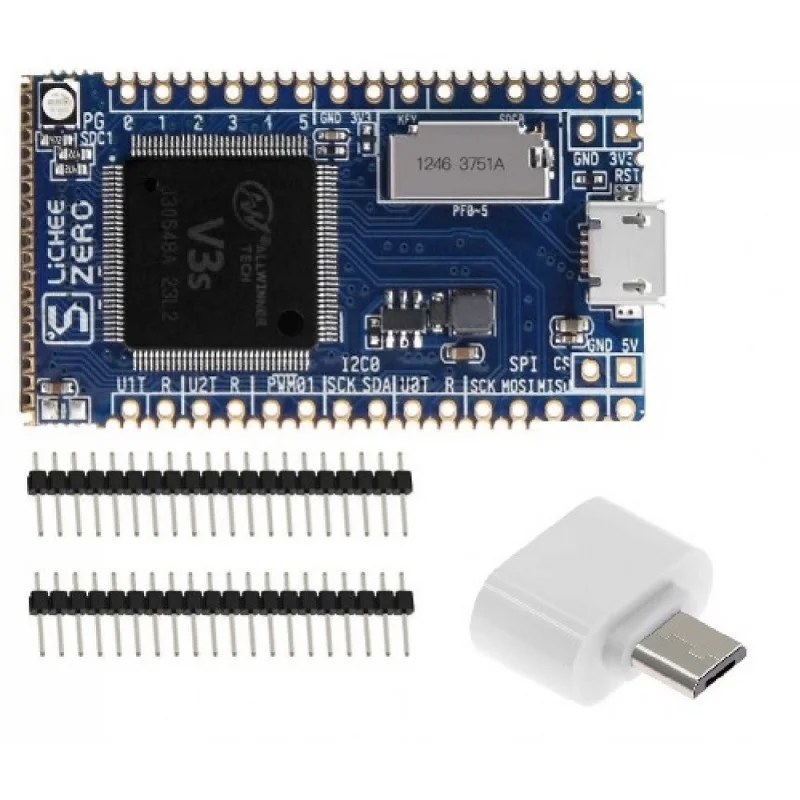
  • 1 x Sipeed Lichee Pi Zero Board
  • 1 x OTG USB Adapter Cable
  • 2 x 20-Pin Pin Headers

Additional Information

Weight 0.025 kg
Dimensions 5 × 7 × 3 cm