SKU: IOWC-0911
📋 GST Invoice Available

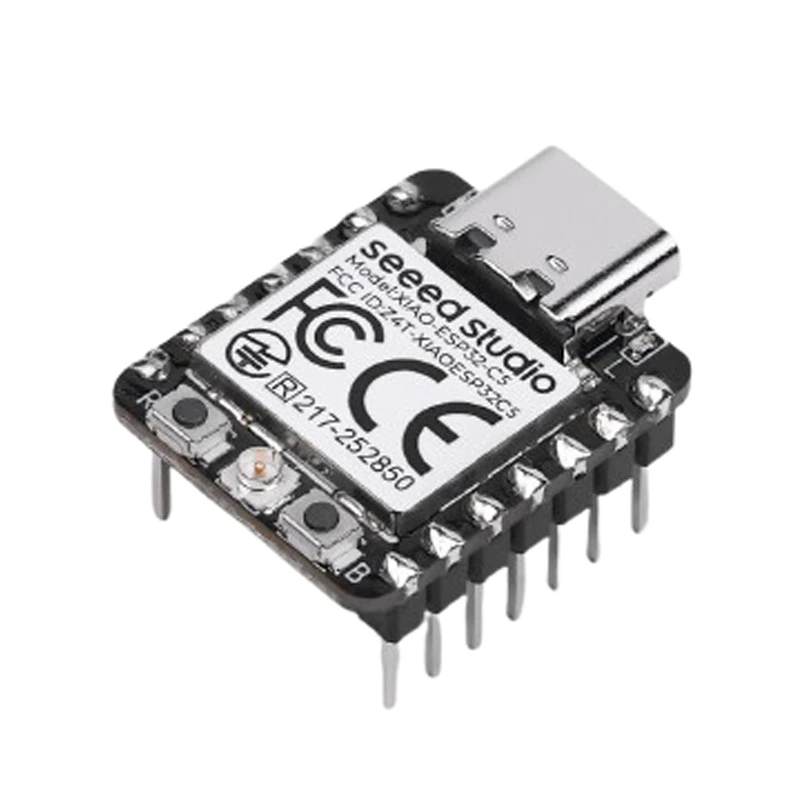
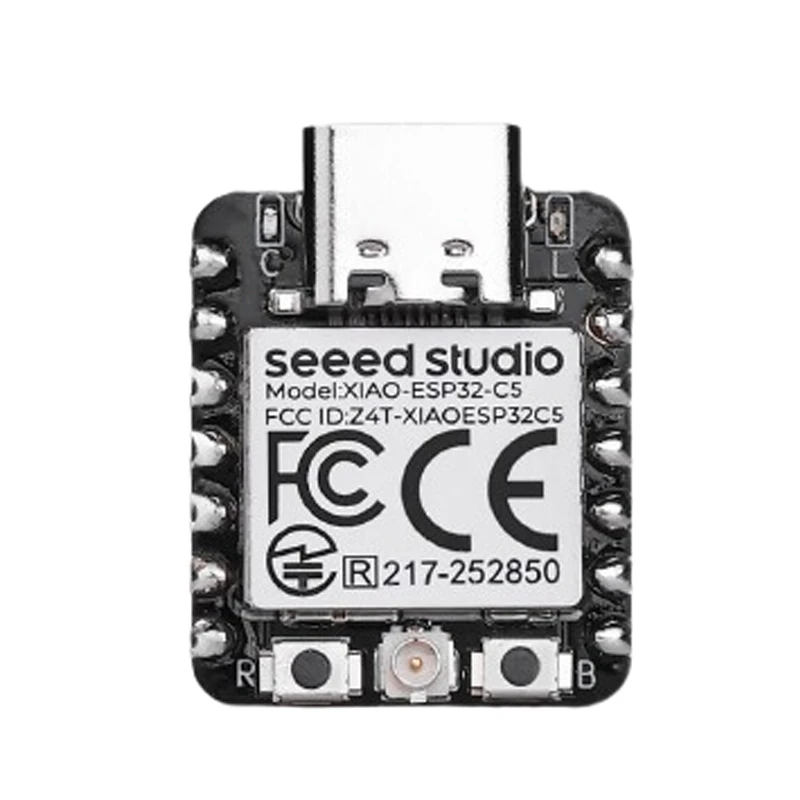
Seeed Studio Studio XIAO ESP32-C5 Dual-Band Wi-Fi 6 IoT Dev Board (Pre-Soldered)

₹979.00 (Inclusive of all taxes)
Out of Stock

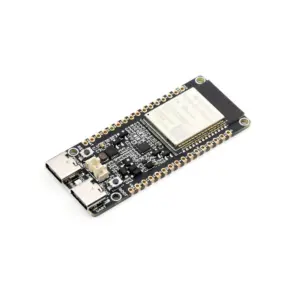
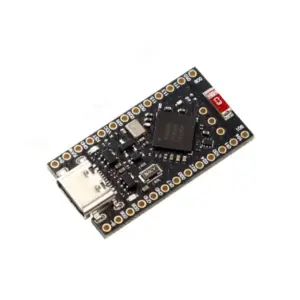
The Seeed Studio Studio XIAO ESP32-C5 is a compact, pre-soldered IoT development board featuring Espressif’s ESP32-C5HR8 RISC-V processor. It supports dual-band Wi-Fi 6 (2.4/5GHz), Bluetooth 5 LE, and IEEE 802.15.4 for Zigbee/Thread, making it ideal for advanced wireless applications compatible with Arduino IDE, ESP-IDF, and MicroPython.

Features

  • ESP32-C5HR8 RISC-V processor (240MHz) with 8MB Flash & 8MB PSRAM for complex IoT firmware.
  • Integrated dual-band Wi-Fi 6 (802.11ax) and Bluetooth 5 LE for high-throughput, low-latency wireless connectivity.
  • IEEE 802.15.4 radio enables Zigbee and Thread protocol stacks for smart home and mesh networking.
  • Ultra-compact XIAO form factor (21×17.8mm) with castellated edges for direct SMD PCB integration.
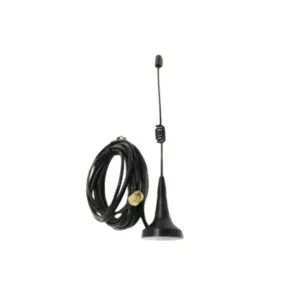
  • Onboard U.FL connector and FPC antenna support, plus USB-C and Li-ion battery charging circuitry.

Out of stock

Description

The Seeed Studio Studio XIAO ESP32-C5 is engineered for next-generation IoT edge devices requiring modern wireless standards. Its core is the ESP32-C5HR8, a 32-bit RISC-V SoC that integrates a dual-band Wi-Fi 6 transceiver, Bluetooth 5 LE, and an IEEE 802.15.4 radio, enabling concurrent multi-protocol operation for smart home gateways, sensor nodes, and secure edge appliances.

The board’s power architecture is optimized for battery-powered deployments, featuring deep sleep currents as low as 15µA when powered by a 3.7V Li-ion cell. The compact, castellated-edge design facilitates direct surface-mount assembly onto custom carrier PCBs, streamlining volume production for industrial monitoring, wireless security testing, and automation systems.

Key Features

  • Powered by Espressif ESP32-C5HR8 with a 240MHz RISC-V core and integrated wireless co-processors.
  • Dual-band Wi-Fi 6 (802.11ax) support for improved network capacity, efficiency, and range.
  • Bluetooth 5 Low Energy for short-range device pairing and beacon applications.
  • IEEE 802.15.4 hardware foundation for Zigbee 3.0 and Thread mesh network protocol stacks.
  • Generous 8MB Flash and 8MB PSRAM for data-intensive applications and OTA updates.
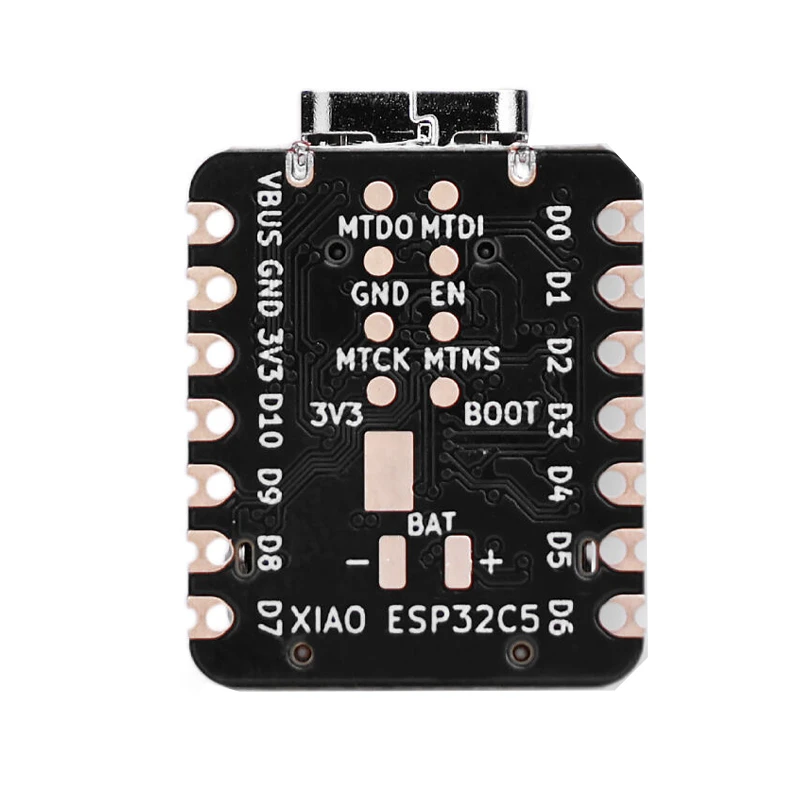
  • 11 multifunction GPIO pins supporting ADC, I2C, SPI, UART, PWM, and JTAG debugging.
  • Integrated USB Type-C for programming, 5V power, and Li-ion/LiPo battery charging management.
  • Ultra-low-power design with configurable sleep modes for extended battery life.

Applications

  • Smart home automation hubs and multi-protocol gateways (Wi-Fi, BLE, Zigbee/Thread).
  • High-performance wireless sensor nodes for industrial monitoring and telemetry.
  • BLE beacons, proximity trackers, and secure edge computing devices.
  • Wi-Fi 6 enabled IoT buttons, controllers, and human-machine interfaces.
  • Prototyping and production of compact, battery-powered consumer electronics.

Technical Specifications

Microcontroller/SoCESP32-C5HR8 (32-bit RISC-V, up to 240MHz)
Wireless ProtocolsWi-Fi 6 (802.11ax 2.4/5GHz), Bluetooth 5 LE, IEEE 802.15.4
Memory384KB SRAM, 320KB ROM, 8MB PSRAM, 8MB Flash
GPIO & Interfaces11 GPIO, ADC, I2C, UART, SPI, JTAG
Antenna ConnectorU.FL connector, onboard 2.4GHz FPC antenna (2.9dBi)
Supply VoltageUSB-C: 5V, Battery: 3.7V Li-ion
Operating CurrentVaries with wireless mode; see datasheet
Deep Sleep Current375µA (USB), 15µA (Battery)
Operating Temperature0°C to 85°C
Dimensions21 x 17.8 x 4 mm

Frequently Asked Questions

What development frameworks are supported for programming the XIAO ESP32-C5?

The board is fully supported by Espressif's official ESP-IDF SDK for advanced wireless features and low-level control. It is also compatible with the Arduino Core for ESP32 via the board manager, allowing rapid prototyping. For MicroPython enthusiasts, a dedicated port for the ESP32-C5 is available, enabling Python-based IoT scripting. You can program it via the USB Type-C port using standard serial bootloader protocols.

How do I connect an external antenna, and what are the benefits?

The board includes a U.FL (IPEX) connector for attaching an external antenna. First, carefully disconnect the onboard FPC antenna by gently lifting its connector. Then, attach a compatible 2.4/5GHz Wi-Fi antenna with a U.FL plug. Using a high-gain external antenna can significantly improve wireless range and signal reliability, especially in metal enclosures or for gateway applications. Ensure the antenna is impedance-matched (50 ohms) for optimal RF performance.

What is the power consumption in active and deep sleep modes?

Active mode current varies based on the enabled radios (Wi-Fi, BLE) and CPU load, typically ranging from tens to hundreds of milliamps. In deep sleep mode with all peripherals powered down, the board consumes approximately 375 microamps when powered via USB and only 15 microamps when powered solely by a 3.7V Li-ion battery. This ultra-low sleep current is crucial for achieving multi-year battery life in wireless sensor applications.

Can this board act as a Zigbee or Thread coordinator for a smart home network?

Yes, the integrated IEEE 802.15.4 radio provides the hardware foundation for Zigbee 3.0 and Thread mesh networking protocols. To function as a coordinator, you must flash a compatible software stack, such as Espressif's ESP-Zigbee-SDK or OpenThread. The board can then form a network, manage child nodes, and route messages. Its 8MB PSRAM is essential for handling the routing tables and network state required by these mesh protocols.

Package Includes

  • 1 x Seeed Studio Studio XIAO ESP32-C5 Dual-Band Wi-Fi 6 IoT Dev Board (Pre-Soldered)
  • 1 x FPC Antenna

Additional Information

Weight 0.02 kg
Dimensions 4 × 6 × 2 cm