SKU: IOWC-1790
📋 GST Invoice Available

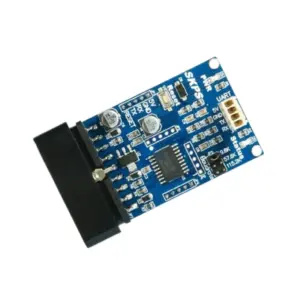
RAKwireless IO Extension Module RAK5804

₹569.00 (Inclusive of all taxes)
Out of Stock

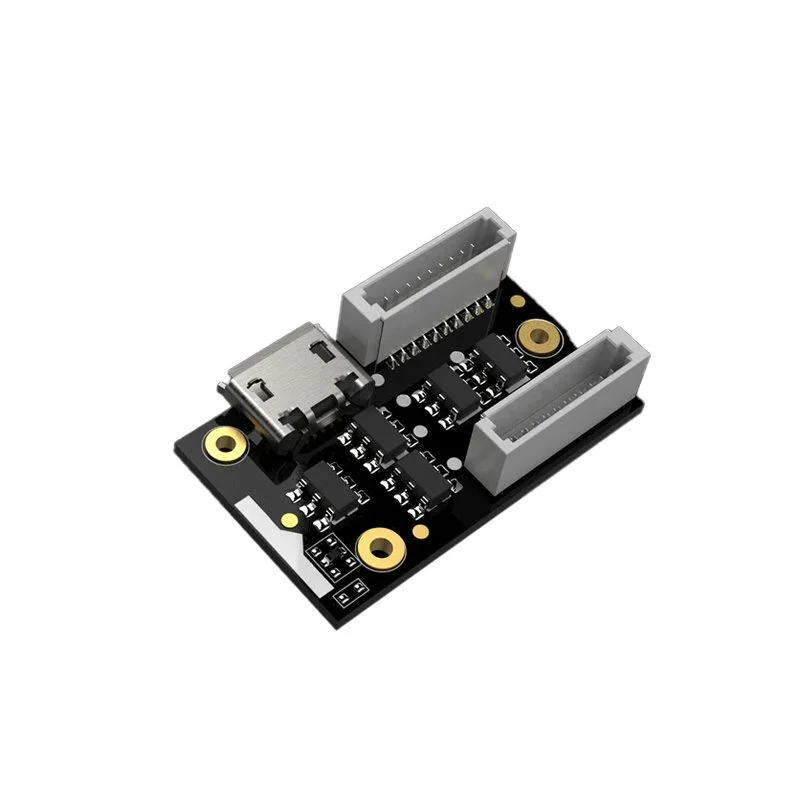
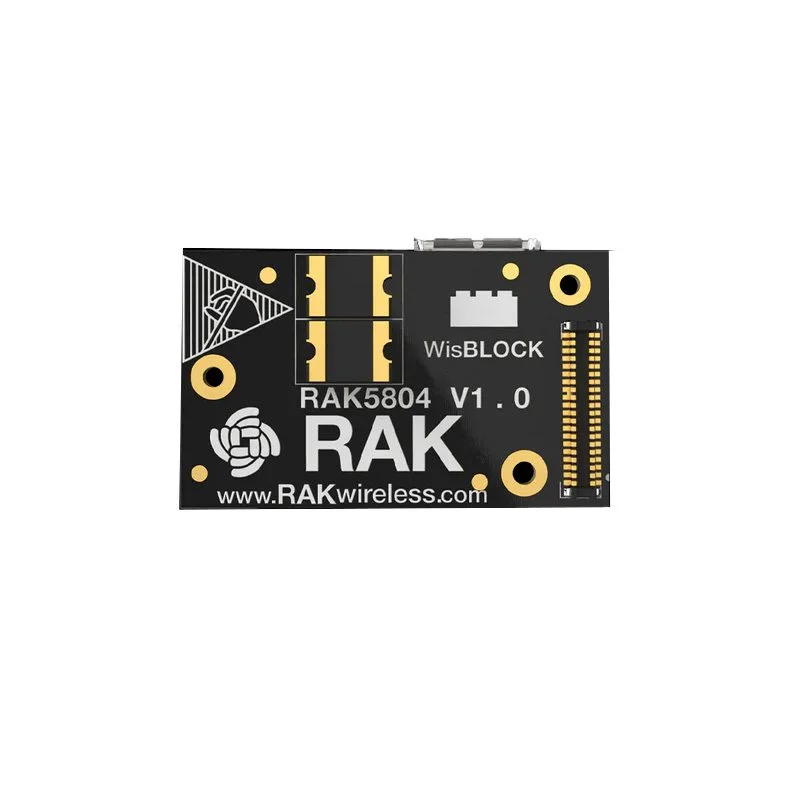
The RAK5804 is an IO extension module for the WisBlock platform, providing digital, analog, I2C, and UART interfaces to connect sensors and actuators to WisBlock Core modules like the RAK4631 for LoRaWAN, LoRa, or BLE IoT applications.

Features

  • Expands WisBlock Core connectivity with 4 digital GPIOs, 1 analog input, 2 I2C ports, and 1 UART port.
  • Features a USB interface for direct communication and programming of the connected WisBlock Core module.
  • Designed for low-power, battery-operated IoT nodes with integrated ESD and overcurrent protection.
  • Compact 25 x 15 mm form factor connects via two 10-pin expansion headers for modular peripheral attachment.
  • Includes 2 LED outputs and 1 button input for user interface and status indication in custom projects.

Out of stock

Description

The RAK5804 IO Extension Module is a critical add-on board for the RAKwireless WisBlock ecosystem, engineered to bridge WisBlock Core processing modules with a wide array of external peripherals. It delivers essential interfaces—including digital GPIO, analog sensing, I2C, and UART—through robust 10-pin connectors, enabling rapid prototyping and deployment of sensor nodes.

Built with reliability in mind, the module incorporates TVS diodes for electrostatic discharge (ESD) protection and PTC thermistors to guard against overcurrent conditions, ensuring stable operation in field deployments. Its ultra-compact design and low-power architecture make it an ideal choice for extending the capabilities of LoRaWAN, LoRa, or BLE-based WisBlock cores in custom, battery-powered IoT solutions.

Key Features

  • Modular IO expansion for the WisBlock system, simplifying sensor and actuator integration.
  • Provides a comprehensive set of interfaces: digital GPIO, analog input, I2C, and UART.
  • Integrated USB port offers direct serial communication and core module programming access.
  • Onboard protection circuits (TVS & PTC) enhance system durability against electrical faults.
  • Includes user interface elements with programmable LED outputs and a tactile button input.
  • Ultra-low power consumption profile suitable for energy-harvesting and long-life battery applications.
  • Compact and lightweight design maintains the WisBlock philosophy of modular, stackable hardware.

Applications

  • Extending sensor connectivity for WisBlock-based environmental monitoring stations (temperature, humidity, air quality).
  • Adding actuator control (relays, valves, motors) to LoRaWAN or BLE automation nodes.
  • Prototyping industrial IoT (IIoT) edge devices with serial (RS485 via UART) or I2C sensor buses.
  • Building custom human-machine interfaces (HMIs) with buttons and LEDs for smart agriculture or asset tracking devices.
  • Creating low-power data loggers that interface with a wide variety of analog and digital sensors.

Technical Specifications

Item TypeIO Extension Module
Model NumberRAK5804
Power Supply Voltage3.3V
Interfaces4 Digital GPIOs, 1 Analog Input, 2 I2C Ports, 1 UART Port, USB
User I/O2 LED Outputs, 1 Button Input
ProtectionTVS (ESD), PTC Thermistor (Overcurrent)
ConnectorsTwo 10-pin WisBlock Expansion Headers
Dimensions (L x W)25 mm x 15 mm
Weight9 g

Frequently Asked Questions

How do I connect the RAK5804 module to my WisBlock Core?

The RAK5804 connects to a WisBlock Core module, such as the RAK4631, via its two 10-pin expansion connectors (J2 and J3). Simply align the board and press it onto the core's matching headers. Ensure the USB port on the RAK5804 is accessible for programming. The module is powered directly from the 3.3V supply provided by the WisBlock Core through these connectors, requiring no external power setup.

What is the purpose of the USB interface on the RAK5804?

The USB interface on the RAK5804 provides direct serial communication access to the connected WisBlock Core module. This allows you to program the core's microcontroller (e.g., an nRF52840) via USB from your computer using Arduino IDE or other development tools, as well as establish a serial monitor connection for debugging logs and sending AT commands without needing a separate debug probe.

Can I use the analog input with 5V sensors?

No, the analog input on the RAK5804 is designed for a 3.3V logic level and measurement range. Applying a voltage higher than 3.3V can damage the input pin and potentially the entire module. Always ensure your analog sensor's output is compatible with 3.3V levels. For sensors with higher output, use a resistive voltage divider circuit to scale the signal down to the safe 0-3.3V range before connecting it.

How do I utilize the I2C ports to connect multiple sensors?

The RAK5804 provides two I2C ports, which can be used to create separate I2C buses or to daisy-chain devices. Connect your I2C sensors to the SDA and SCL pins of your chosen port, ensuring you include pull-up resistors (typically 4.7kΩ) to 3.3V on each line if not already present on the sensor board. In your firmware (Arduino, PlatformIO), initialize the corresponding I2C peripheral and scan for device addresses to communicate with your sensors.

Package Includes

  • 1 x RAKwireless IO Extension Module RAK5804
  • 1 x Cable

Additional Information

Weight 0.009 kg
Dimensions 2.5 × 1.5 cm