SKU: SENS-4313
📋 GST Invoice Available

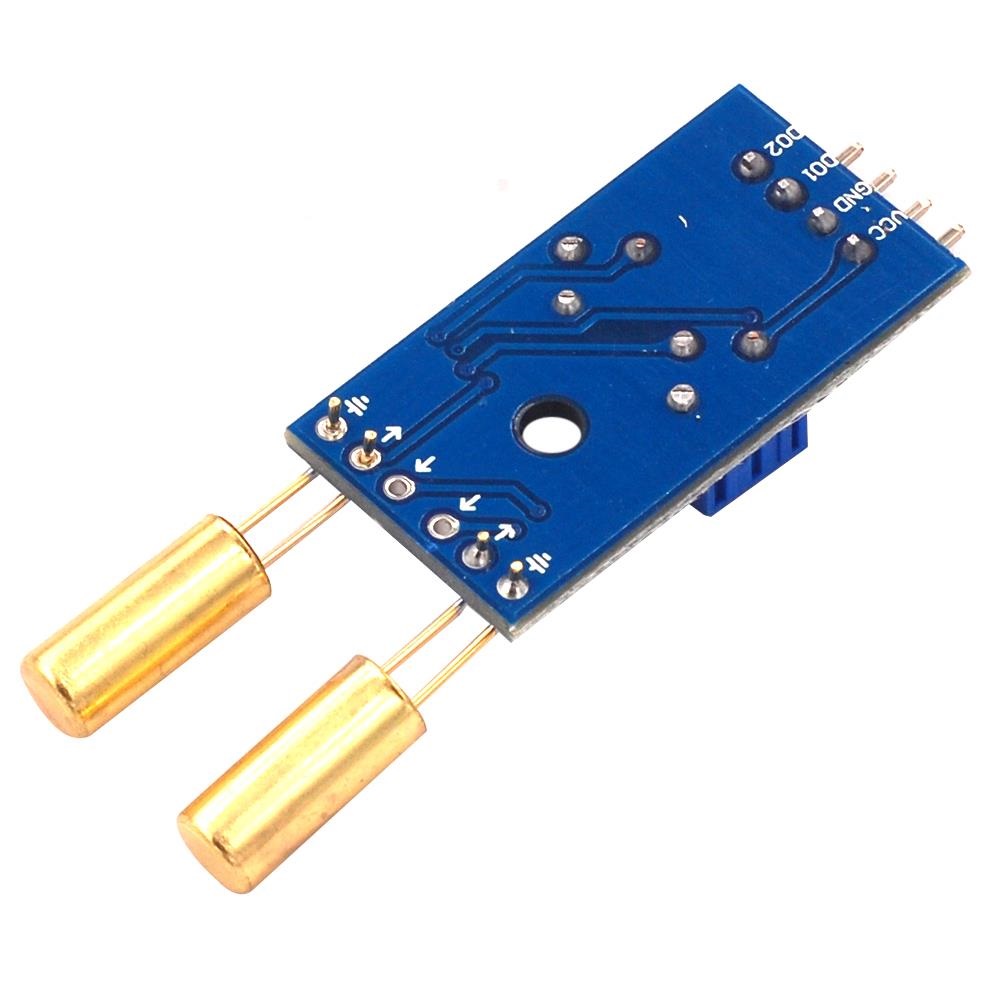
Generic 2-Channel Tilt Sensor Module for Arduino - SW-460D/SW-520D Ball Switch

₹164.00 (Inclusive of all taxes)
Out of Stock

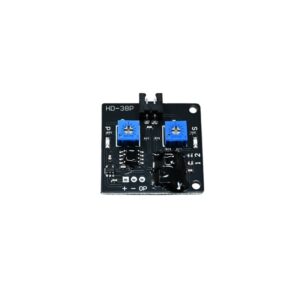
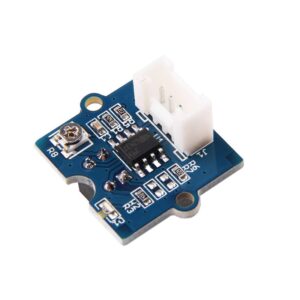
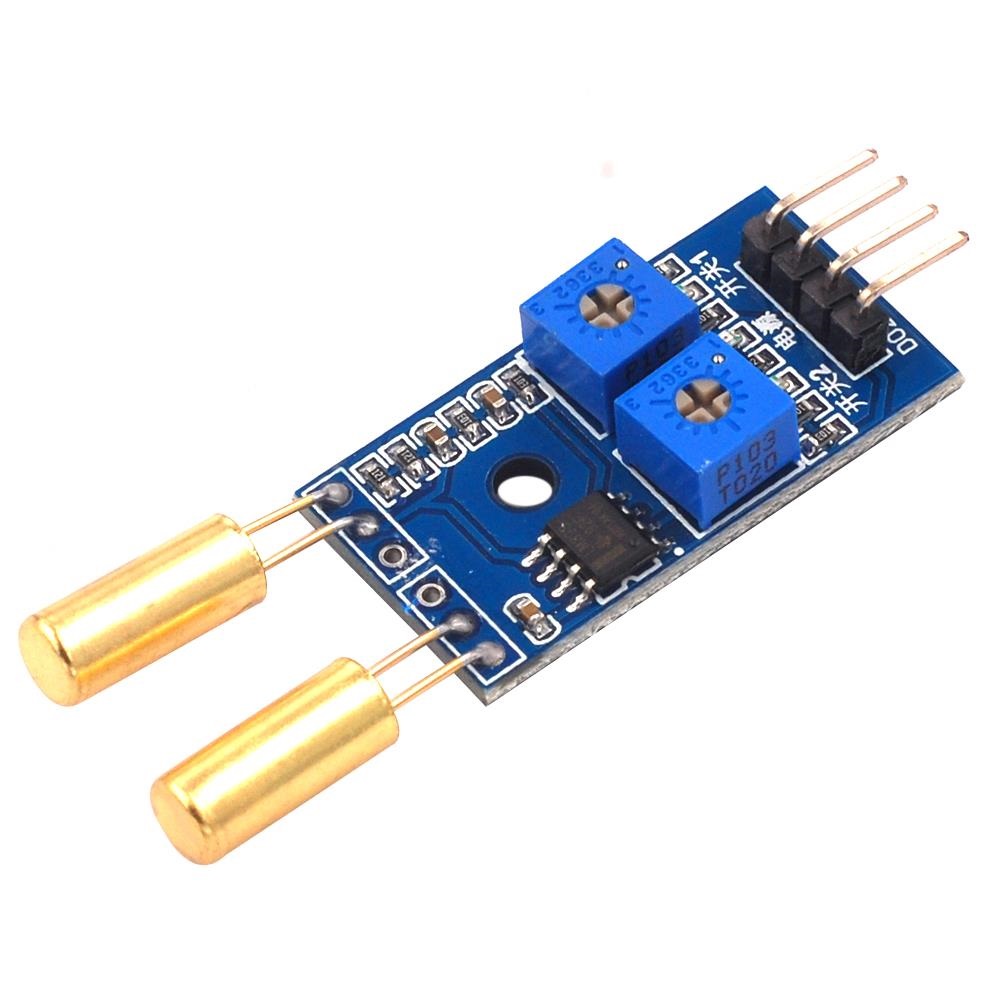
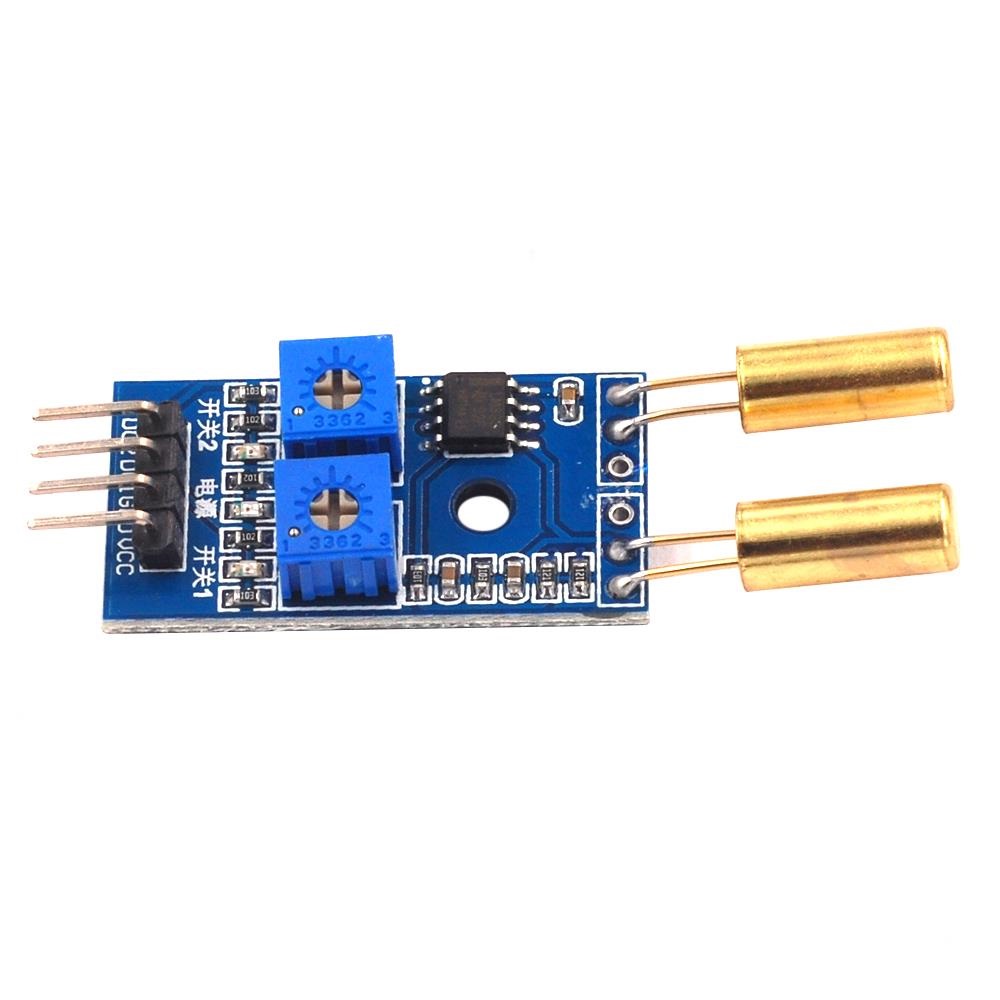
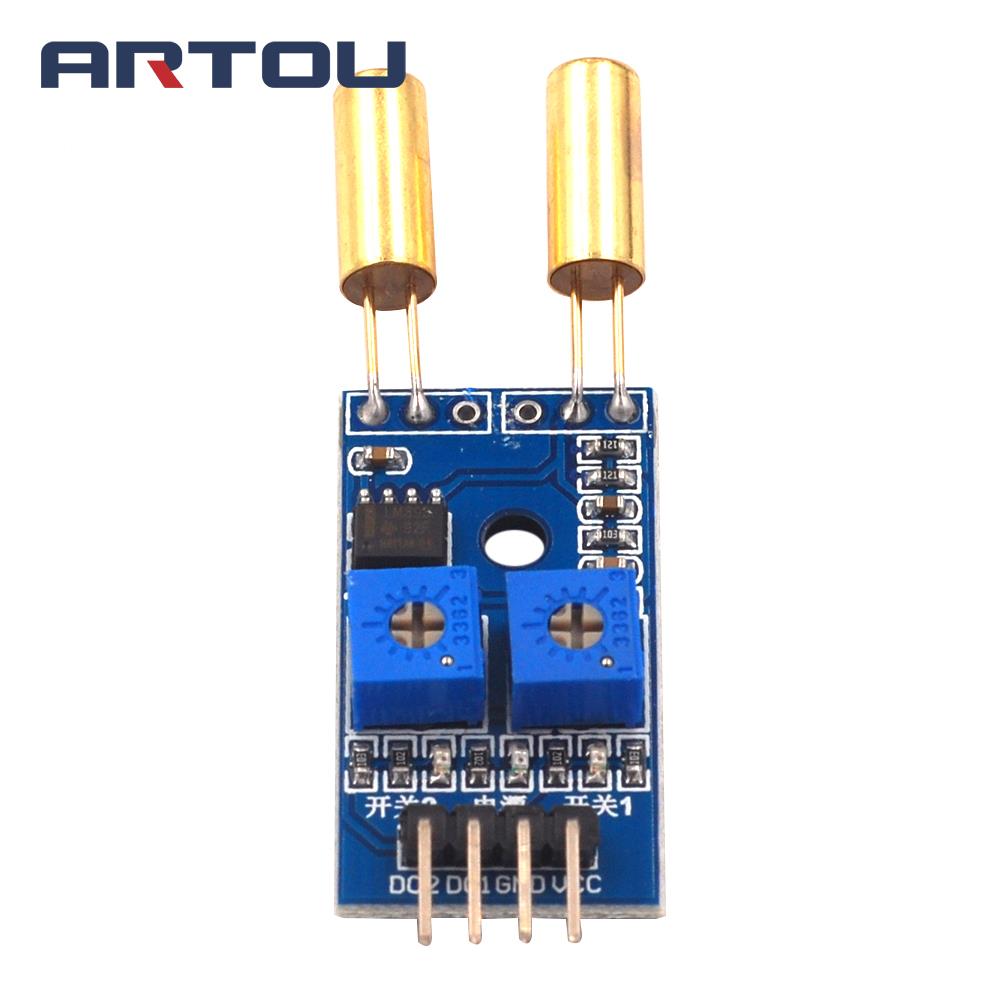
This 2-channel tilt sensor module integrates SW-460D/SW-520D ball-rolling switches with an LM393 comparator for reliable digital output, compatible with 3.3V-12V systems and microcontrollers like Arduino, Raspberry Pi, and ESP32 for angle and vibration detection.

Features

  • Dual-channel digital tilt detection using SW-460D or SW-520D ball-rolling switches.
  • Wide operating voltage range from 3.3V to 12V with LM393 comparator for stable signal conditioning.
  • Digital output (HIGH/LOW) indicates tilt state, directly interfacing with MCU digital pins.
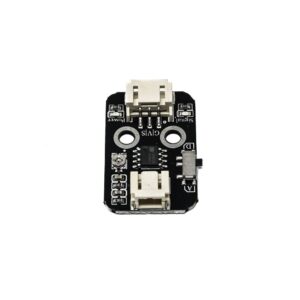
  • Includes M3 mounting hole for secure installation and visual power/status LEDs.
  • Can function as a basic vibration sensor with a typical tilt threshold between 45° and 130°.

Out of stock

Description

This module provides a straightforward solution for detecting orientation changes and vibrations. It employs two independent SW-460D or SW-520D mechanical tilt switches, where a conductive ball rolls to make or break a circuit. The integrated LM393 comparator cleans the switch signal, providing a crisp digital output that transitions from LOW (level) to HIGH (tilted) when the module exceeds its activation angle.

Designed for robustness in prototyping and simple monitoring applications, it operates across a broad DC voltage range. The output is suitable for direct connection to any microcontroller with a digital input, enabling immediate integration into systems for alarm triggering, position logging, or basic inertial sensing without complex programming.

Key Features

  • Dual independent sensing channels for monitoring two axes or providing redundancy.
  • LM393 voltage comparator ensures clean digital switching and noise immunity across the 3.3V-12V supply range.
  • Integrated M3 threaded mounting hole for secure mechanical attachment to enclosures or moving parts.
  • Visual feedback via separate power and digital output status LEDs for immediate operational diagnosis.
  • High-value build utilizing common, durable mechanical switches rated for long operational life.
  • Compact PCB footprint (32mm x 17mm) allows for installation in space-constrained environments.
  • Can also respond to sufficient vibration or shock, functioning as a simple shock detection sensor.

Applications

  • Prototype and educational robotics for detecting tip-over or orientation changes.
  • Simple security systems for monitoring unauthorized movement of objects or enclosures.
  • Basic vibration logging in machinery or equipment where high-precision accelerometers are not required.
  • DIY projects requiring a digital trigger based on angle, such as tilt-activated switches or alarms.

Technical Specifications

Model / NameTilt Sensor Module
Sensor TypeSW-460D / SW-520D Ball Rolling Switch
Channels2
Output TypeDigital (HIGH/LOW)
Operating Voltage3.3V - 12V DC
Output Current (Max)15 mA
Threshold Tilt AngleApprox. 45° - 130° (dependent on angular velocity)
InterfaceDigital I/O Pin
Comparator ICLM393
Operating Temperature0°C to +80°C
Board Dimensions32 mm x 17 mm
MountingM3 Fixing Hole
IndicatorsPower LED, Output Status LED

Frequently Asked Questions

What is the operating voltage range for this tilt sensor module?

The module operates from 3.3V to 12V DC, making it compatible with common 5V systems like Arduino Uno and 3.3V logic boards like ESP32 or Raspberry Pi. The onboard LM393 comparator stabilizes the output signal across this entire voltage range.

How do I interface this module with an Arduino or other microcontroller?

Connect the module's VCC and GND to your board's power supply. The digital output pin (DO) connects directly to any digital input pin on the microcontroller. The output is logic LOW when level and switches to HIGH when tilted beyond its threshold angle, which can be read using a simple digitalRead() function.

Can this module be used as a vibration sensor?

Yes, due to the mechanical nature of the ball-rolling switch, sufficient vibration or shock can cause the conductive ball to bounce and momentarily close the circuit, triggering a HIGH output. Its effectiveness depends on the intensity and frequency of the vibration, making it suitable for basic shock detection.

What is the typical tilt angle required to activate the sensor?

The activation threshold is not a fixed point but typically falls within a range of approximately 45 to 130 degrees from the level position. The exact angle can vary based on the specific switch unit (SW-460D or SW-520D) and the speed (angular velocity) at which the tilt occurs.

Package Includes

  • 1 x 2-Channel Tilt Sensor Module

Additional Information

Weight 0.006 kg
Dimensions 3.2 × 1.7 cm