SKU: SENS-2918
📋 GST Invoice Available

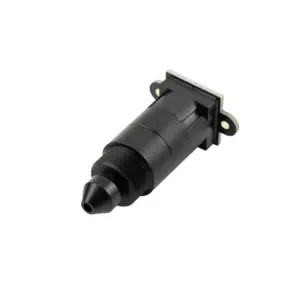
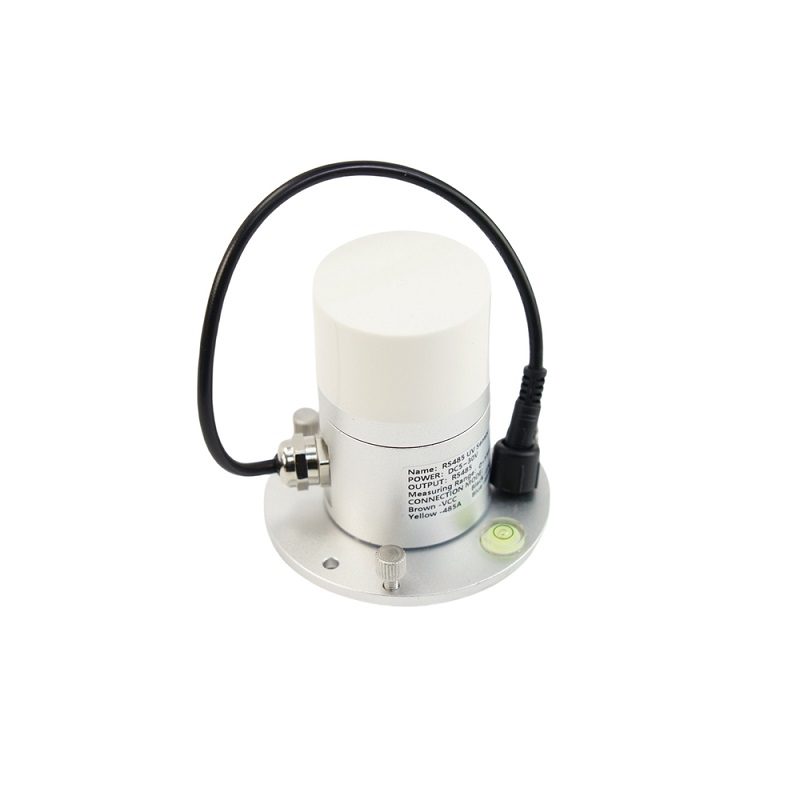
DFRobot RS485 Ultraviolet (UV) Intensity Measure Sensor (290-390nm, UVA, UVB) - IP67 Metal Housing

₹7,239.00 (Inclusive of all taxes)
Out of Stock

The DFRobot RS485 UV Intensity Sensor is an industrial-grade module for measuring UVA and UVB radiation (290-390nm) with 0-15 mW/cm² and UV index (0-15) outputs. It communicates via Modbus-RTU over RS485 and operates on a wide 5-30V DC supply, making it suitable for integration with Arduino, Raspberry Pi, and industrial PLCs via a TTL-to-RS485 converter.

Features

  • Measures UV intensity (0–15 mW/cm²) and UV index (0–15) with 0.01 mW/cm² resolution.
  • Detects UVA and UVB radiation within the 290–390 nm wavelength spectrum.
  • Industrial RS485 (Modbus-RTU) interface for stable, long-distance communication.
  • Wide operating voltage range (DC 5–30V) and low current consumption (<10 mA).
  • IP67-rated metal aluminum housing for durable, weatherproof outdoor deployment.

Out of stock

Description

The DFRobot RS485 UV Intensity Sensor employs a precision UV photodiode paired with an industrial-grade microprocessor to deliver accurate and stable measurements of ultraviolet radiation. It is specifically calibrated for the UVA and UVB bands (290-390nm), which are critical for environmental monitoring, human health assessment, and agricultural applications.

Operating on a wide 5-30V DC supply and consuming less than 10 mA, the sensor outputs data via the robust RS485 bus using the Modbus-RTU protocol, ensuring noise immunity and compatibility with long cable runs in industrial settings. Its IP67-rated metal aluminum housing provides protection against dust and temporary water immersion, supporting reliable operation in harsh outdoor environments from -25°C to +60°C.

Key Features

  • Precision UV Sensing: Utilizes a sensitive photoelectric detector for accurate intensity and index measurement within the 290-390nm spectrum.
  • Industrial Communication: RS485 interface with Modbus-RTU protocol ensures reliable, long-distance data transmission suitable for SCADA and PLC systems.
  • Robust Environmental Rating: IP67-sealed metal aluminum housing protects against dust, moisture, and outdoor weather conditions.
  • Wide Voltage Compatibility: Supports DC 5-30V input, enabling flexible integration with various power sources and control systems.
  • Low Power Operation: Consumes less than 10 mA, making it suitable for solar-powered or battery-operated monitoring stations.
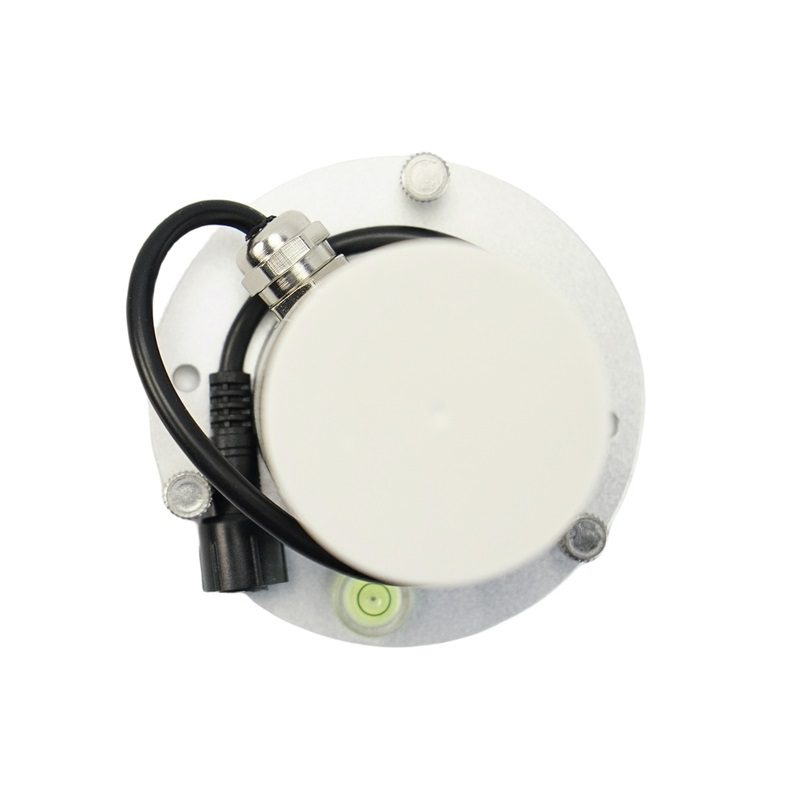
  • Integrated Mounting: Features standard screw holes and brackets for straightforward installation on poles, masts, or flat surfaces.

Applications

  • Environmental & Climate Monitoring: Deploy in weather stations to track solar UV radiation for ecosystem and atmospheric studies.
  • Occupational Health & Safety: Monitor UV exposure levels in outdoor workplaces to prevent skin damage and ensure compliance with safety regulations.
  • Precision Agriculture: Measure UV intensity in greenhouses or fields to optimize crop growth strategies and photobiological research.
  • Solar Energy Management: Assess UV irradiance impact on photovoltaic panel performance and efficiency for solar farm analytics.
  • Laboratory Instrumentation: Integrate into experimental setups for controlled UV exposure tests and material degradation studies.

Technical Specifications

Model / NameRS485 UV Intensity Sensor
UV Intensity Range0–15 mW/cm²
UV Index Range0–15
Wavelength Range290–390 nm (UVA & UVB)
Resolution0.01 mW/cm²
Output InterfaceRS485 (Modbus-RTU)
Supply VoltageDC 5–30V
Operating Current< 10 mA
Operating Temperature-25°C to +60°C
Ingress ProtectionIP67
Housing MaterialMetal Aluminum
Dimensions (L x W)74 mm x 46 mm
Weight26 g

Frequently Asked Questions

What is the communication protocol and how do I connect this sensor to an Arduino?

The sensor uses the RS485 physical layer with the Modbus-RTU application protocol. To connect to an Arduino or other 5V TTL microcontroller, you will need an external TTL-to-RS485 converter module (like a MAX485 board). Wire the converter's A/B lines to the sensor's RS485 terminals, and the converter's RO/DI pins to your microcontroller's serial RX/TX pins. Ensure you use a compatible Modbus library for data polling.

What is the power supply requirement and wiring configuration?

The sensor operates on a wide DC voltage range of 5 to 30V. Connect the positive supply wire to the V+ terminal and the negative/common to the GND terminal. The RS485 communication lines (A/B or D+/D-) must be connected to your host adapter with correct polarity. The sensor consumes less than 10 mA, making it suitable for low-power and remote installations.

Is this sensor suitable for permanent outdoor installation?

Yes, the sensor is designed for outdoor use. Its IP67-rated metal aluminum housing provides protection against dust ingress and temporary immersion in water up to 1 meter for 30 minutes. It can operate reliably in ambient temperatures from -25°C to +60°C. For permanent mounting, use the provided screw holes and brackets to secure it on a stable surface, ensuring the cable gland is properly sealed.

What does the sensor output and what is its measurement accuracy?

The sensor outputs two primary values via Modbus registers: Ultraviolet Intensity (in mW/cm², range 0-15) and the calculated UV Index (range 0-15). The intensity resolution is 0.01 mW/cm². Accuracy is dependent on the calibrated photodiode response across the 290-390nm spectrum. For precise quantitative work, it is recommended to perform periodic calibration against a known reference, especially after prolonged exposure to extreme UV levels.

Package Includes

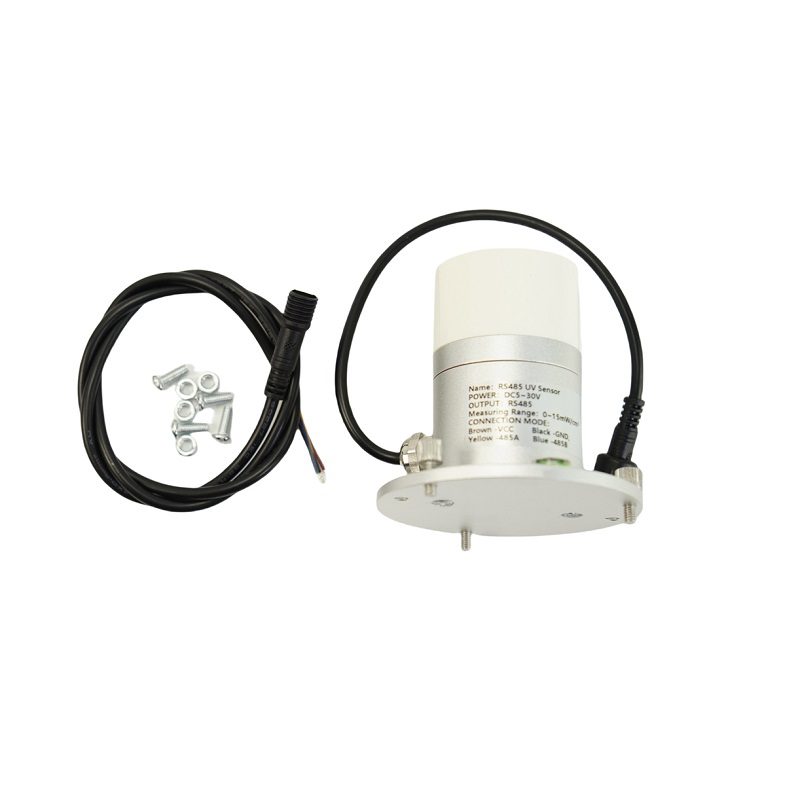
  • 1 x RS485 UV Sensor Module
  • 1 x Adapter Cable (70cm)
  • 1 x Screw Package (for mounting)

Additional Information

Weight 0.026 kg
Dimensions 7.4 × 4.6 cm