SKU: SENS-2995
📋 GST Invoice Available

DFRobot Fermion MEMS Ethanol Gas Sensor (1–500 ppm) - Analog Output

₹629.00 (Inclusive of all taxes)
Out of Stock

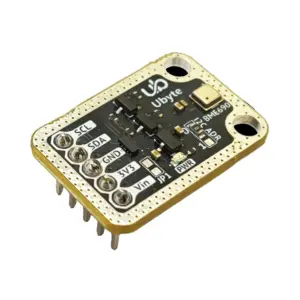
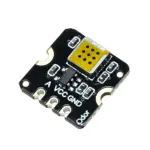
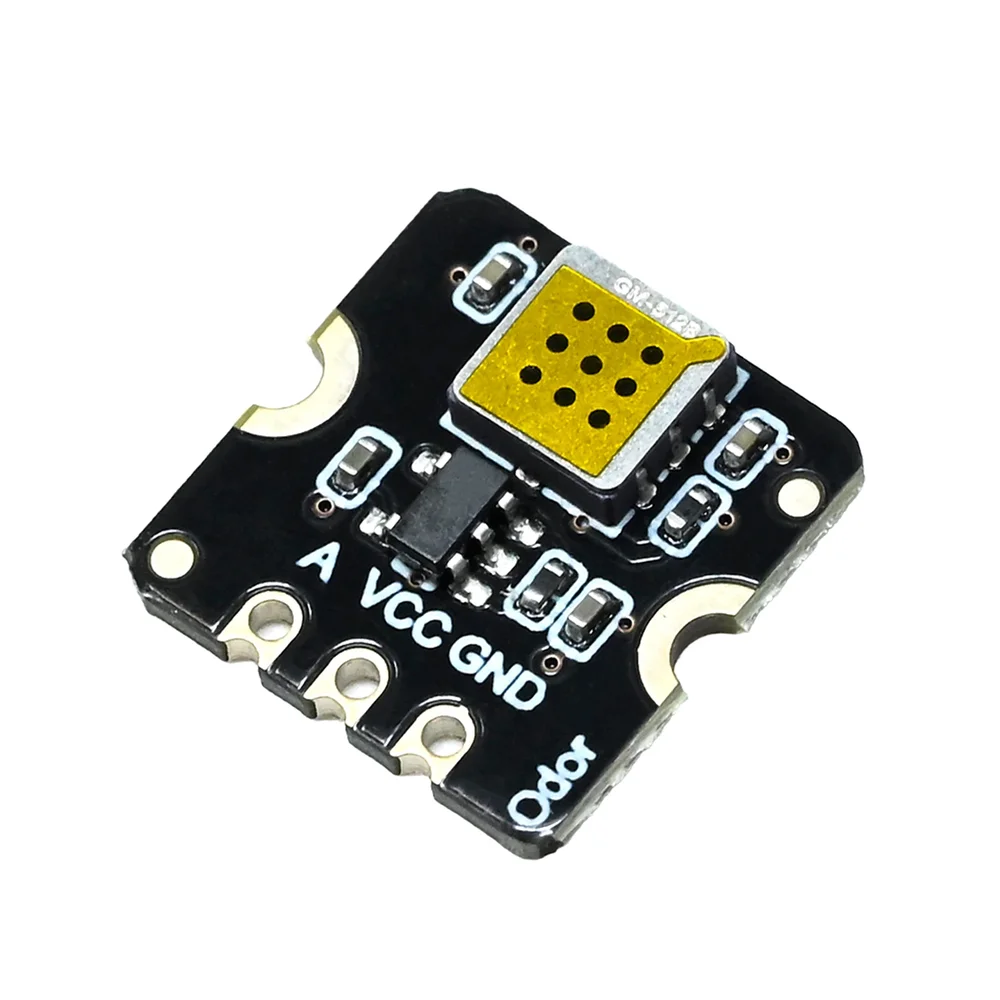
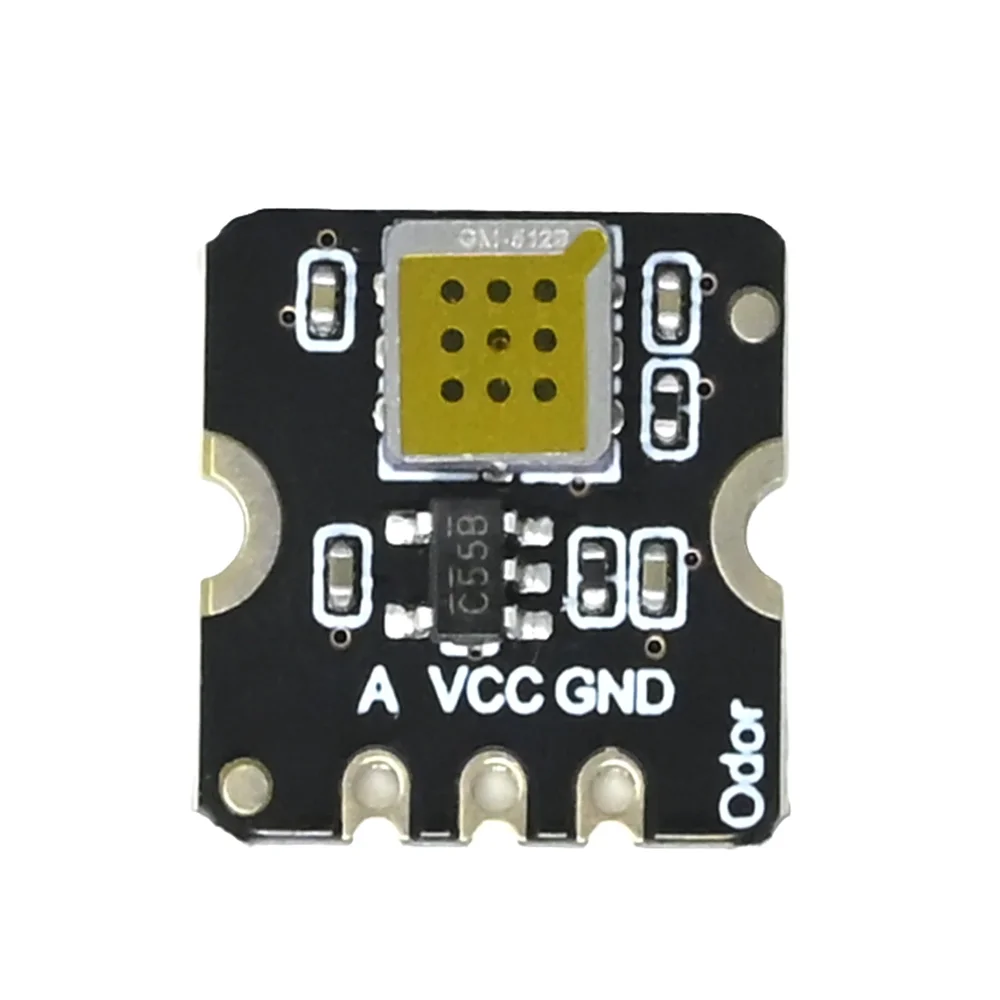
The DFRobot Fermion MEMS Ethanol Gas Sensor is a compact breakout module for qualitative detection of ethanol (EtOH) vapors from 1 to 500 ppm. It operates on 3.3V to 5V DC and provides an analog voltage output, making it compatible with Arduino, Raspberry Pi, and other microcontroller platforms for breathalyzer, air quality, and food quality monitoring projects.

Features

  • Qualitative MEMS ethanol (EtOH) gas sensor with a 1–500 ppm detection range.
  • Compact 13 x 13 x 2.5 mm footprint with ultra-low power consumption (<20 mA).
  • Analog voltage output for easy interfacing with 3.3V/5V ADCs on Arduino, ESP32, or Raspberry Pi.
  • Features rapid response/recovery and a long operational lifespan of ≥5 years in air.
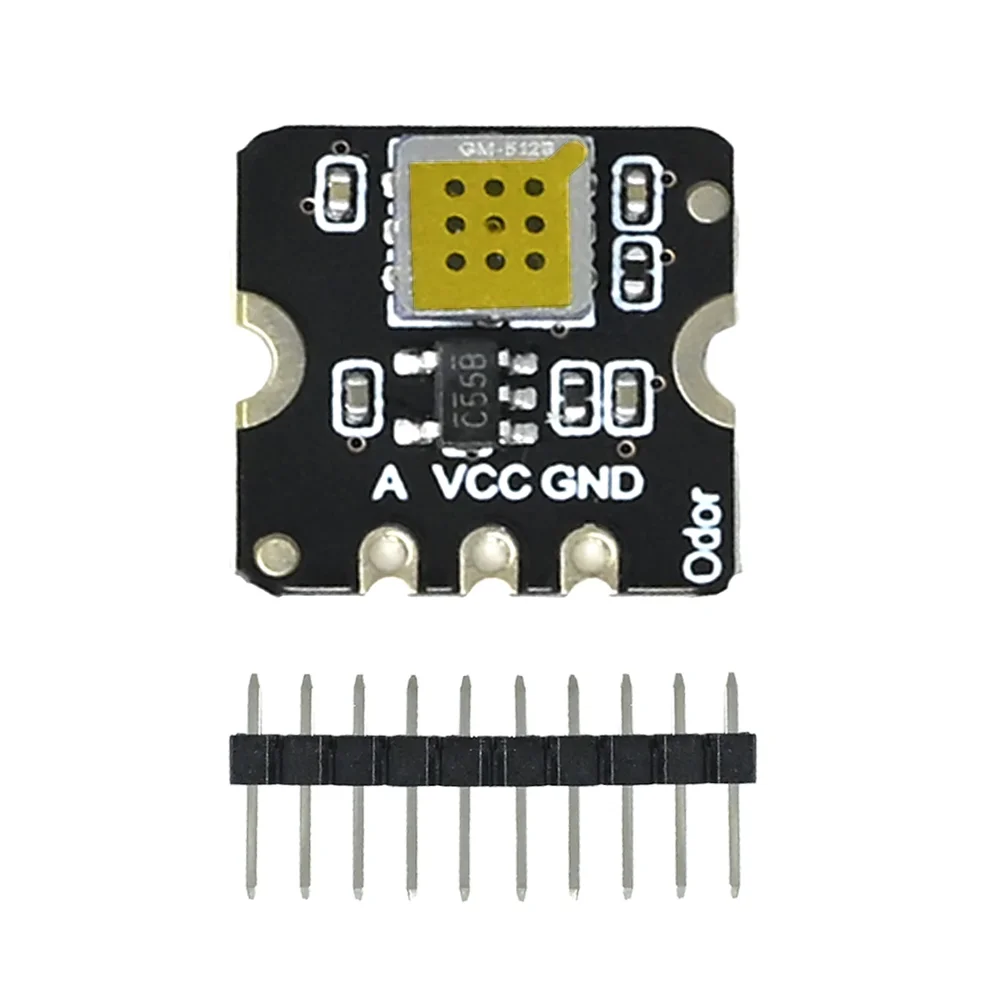
  • Includes pre-soldered 2.54mm pitch header pins for quick breadboard or PCB integration.

Out of stock

Description

This Fermion series sensor utilizes advanced Micro-Electro-Mechanical System (MEMS) technology to deliver a miniaturized, low-power solution for ethanol vapor detection. The MEMS design minimizes heat generation and reduces preheating time while maintaining high sensitivity, characterized by a sensitivity ratio R0/Rs ≥ 3 in 150 ppm EtOH. The sensor outputs a variable analog voltage proportional to gas concentration, requiring only a simple ADC read for data acquisition.

Designed for stable operation in environments from -10°C to 60°C and 15–90% RH (non-condensing), this sensor is suited for portable and fixed monitoring applications. It is important to note that this sensor provides qualitative measurements and is not recommended for use in safety-critical systems. Proper handling, including removal of the protective film and avoidance of corrosive gases, silicon vapors, and condensation, is essential for optimal performance and longevity.

Key Features

  • Advanced MEMS Fabrication: Enables ultra-compact size, low thermal drift, and minimal power consumption for portable designs.
  • Analog Voltage Interface: Provides a straightforward 0–Vcc output signal for direct connection to microcontroller ADC pins.
  • Rapid Response & Recovery: Engineered for quick detection and clearing of ethanol vapors, suitable for dynamic environments.
  • Extended Sensor Lifespan: Robust MEMS structure ensures a functional life of ≥5 years under normal operating conditions in air.
  • Broad Compatibility: 3.3V to 5V operating range allows seamless integration with most development boards and logic families.
  • Qualitative Measurement Focus: Optimized for trend monitoring and relative concentration assessment in non-safety applications.

Applications

  • Portable Breathalyzer Prototypes: For qualitative estimation of breath alcohol content (BAC) in educational or R&D devices.
  • Indoor Air Quality (IAQ) Monitors: Tracking ethanol and VOC trends in homes, offices, or laboratories.
  • Food & Beverage Quality Control: Monitoring ethanol emissions from fermenting or spoiling food samples to assess shelf life.
  • Educational Sensor Kits: Demonstrating MEMS technology and gas sensing principles in university labs or maker workshops.

Technical Specifications

Detection GasEthanol (EtOH)
Detection Range1 – 500 ppm
Output SignalAnalog Voltage
Operating Voltage3.3 V to 5 V DC
Operating Current< 20 mA
Sensitivity (R0/Rs @150ppm EtOH)≥ 3
Operating Temperature-10°C to 60°C
Operating Humidity15% to 90% RH (non-condensing)
Lifespan≥ 5 years (in air)
Dimensions (L x W x H)13 mm x 13 mm x 2.5 mm
WeightApprox. 1 g

Frequently Asked Questions

What is the output signal of this ethanol sensor and how do I interface it with an Arduino?

The sensor provides an analog voltage output that varies with ethanol concentration. To interface with an Arduino, connect the sensor's VCC to 5V, GND to ground, and the analog output pin to any Arduino analog input (e.g., A0). The Arduino's ADC will read the voltage, which you can map to a relative concentration value within the 1-500 ppm range in your code.

Can this sensor be used for quantitative, precise alcohol measurement in safety-critical applications?

No. This sensor is designed for qualitative measurement and trend analysis only. Its readings are relative and can be influenced by environmental factors like temperature, humidity, and other VOCs. It is explicitly not recommended for use in systems involving personal safety, legal enforcement, or precise quantitative analysis.

What are the key precautions for using and storing this MEMS gas sensor?

Avoid exposure to high concentrations of corrosive gases (H2S, SOx, Cl2), volatile silicon compounds (from adhesives, sealants), alkalis, and halogens. Prevent condensation, water contact, and prolonged storage in extreme temperatures or humidity. For extended non-use, a 24-hour preheating period is recommended before reliable operation. Always remove the protective film on the sensor element before first use.

How does the sensitivity rating (R0/Rs ≥ 3) relate to the sensor's performance?

The sensitivity ratio R0/Rs compares the sensor's resistance in clean air (R0) to its resistance in a 150 ppm ethanol atmosphere (Rs). A ratio ≥ 3 indicates a strong, measurable change in resistance upon gas exposure, confirming the sensor's ability to reliably detect ethanol at that concentration. This metric is used for quality verification and performance benchmarking.

Package Includes

  • 1 x DFRobot Fermion MEMS Ethanol Gas Detection Sensor (Breakout Board)
  • 1 x 2.54mm Pitch Header Pin Strip

Additional Information

Weight 0.001 kg
Dimensions 1.3 × 1.3 × 0.25 cm