SKU: SENS-0761
📋 GST Invoice Available

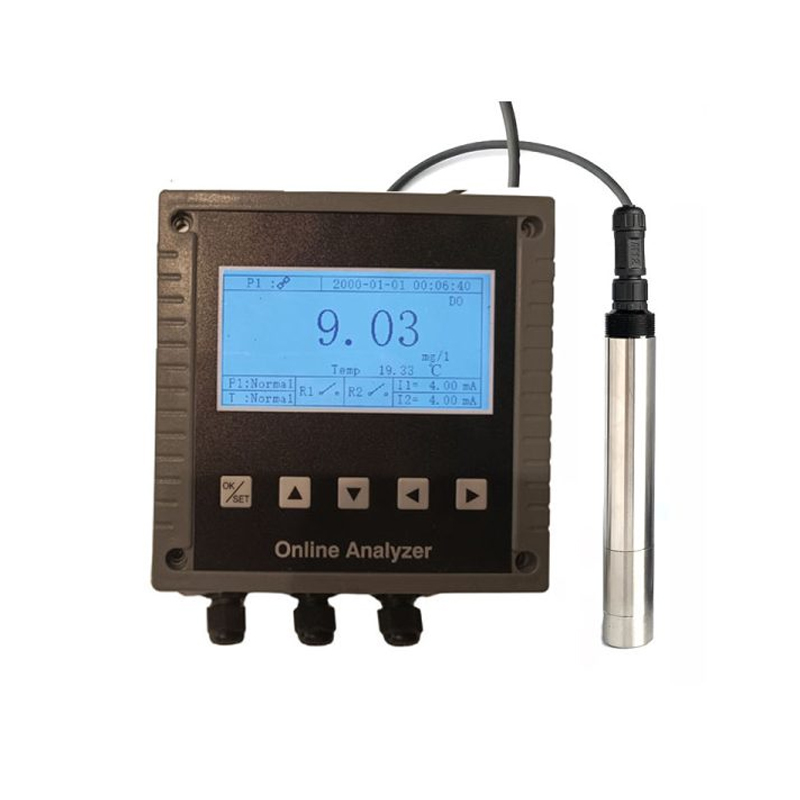
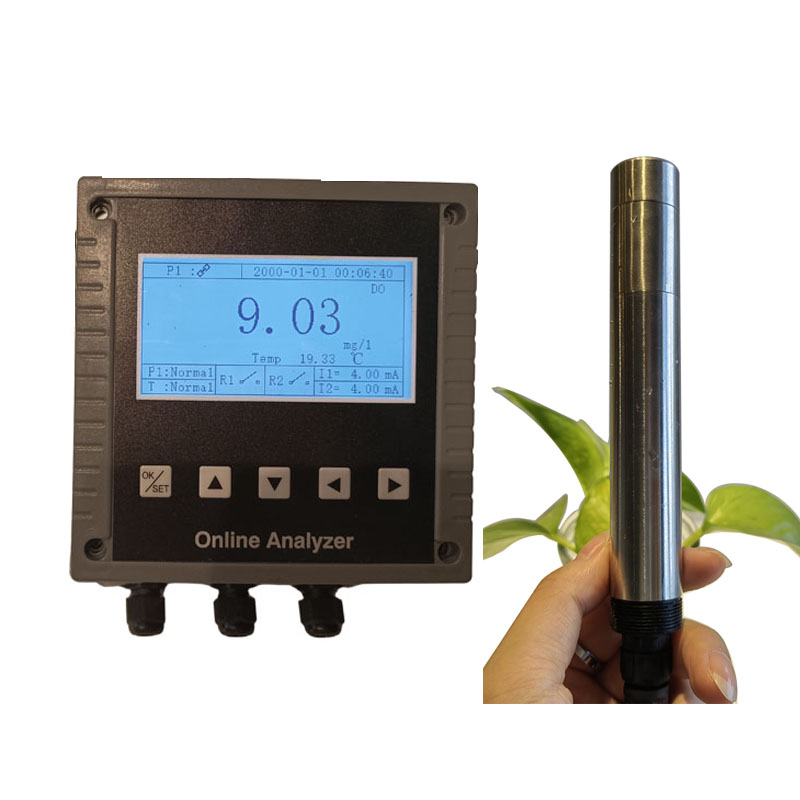
Desun Uniwill DS380 Fluorescence Dissolved Oxygen Sensor, 0–20 mg/L, RS485 Modbus Output, IP68 Submersible

₹47,549.00 (Inclusive of all taxes)
Out of Stock

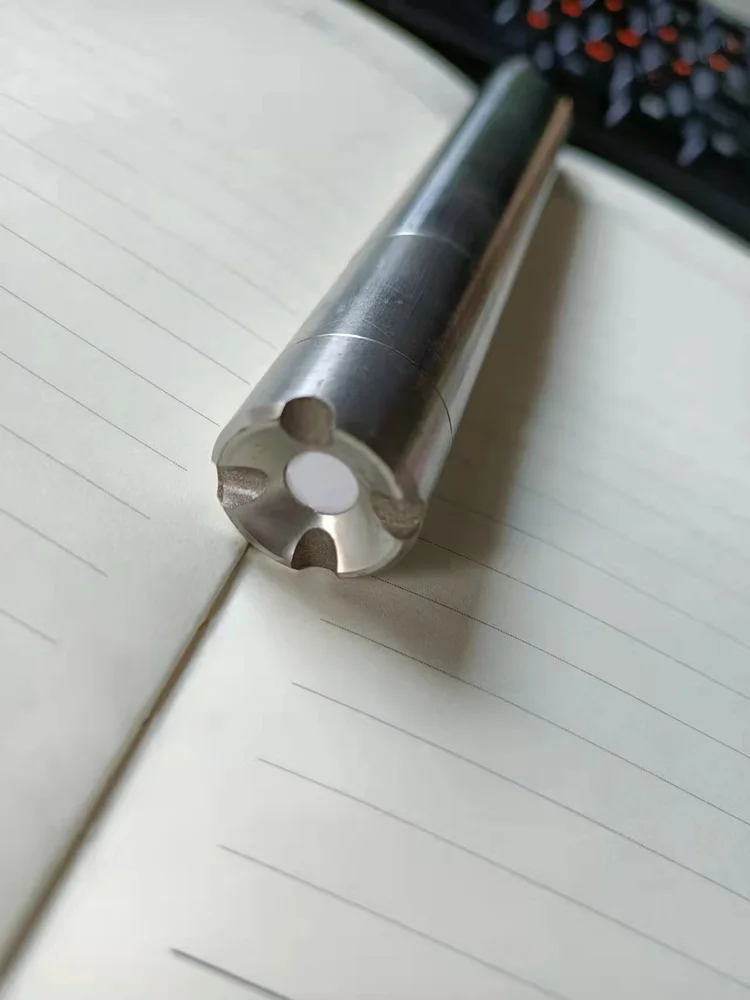
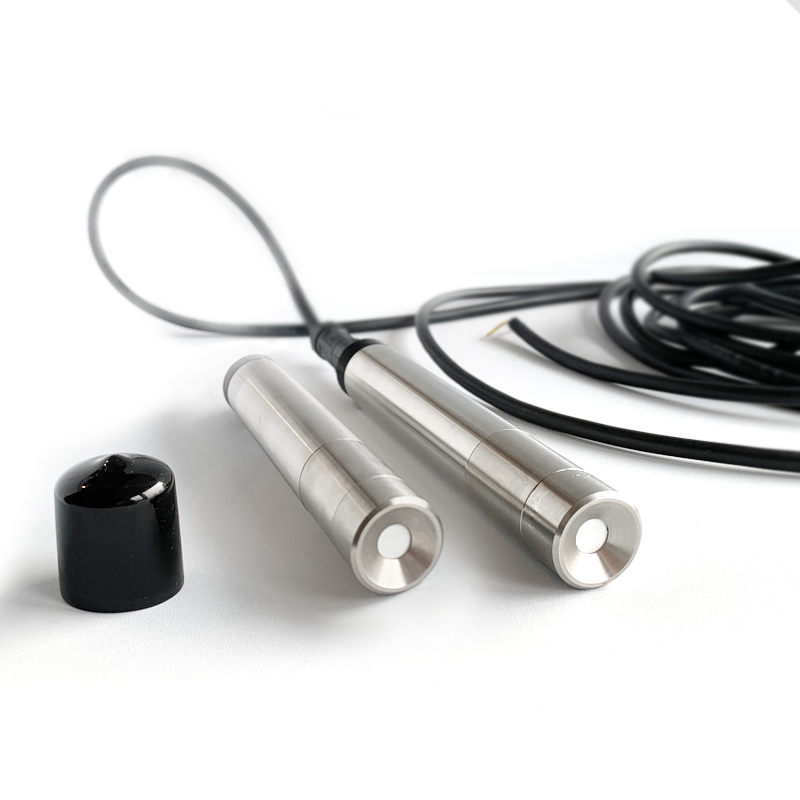
The Desun Uniwill DS380 is a fluorescence-based dissolved oxygen sensor with RS485 Modbus output, designed for direct integration into industrial PLCs, SCADA systems, and networked water quality monitoring stations. It provides maintenance-free, flow-independent measurement of DO concentration from 0 to 20 mg/L with integrated temperature compensation.

Features

  • Optical fluorescence sensing principle with no electrolyte or oxygen consumption.
  • RS485 serial communication with MODBUS RTU protocol for industrial networking.
  • IP68-rated SS316/titanium alloy housing for submersible, corrosion-resistant operation.
  • Integrated NTC temperature sensor for automatic temperature compensation.
  • Fast 3-second response time and ±3% accuracy across a 0–50°C operating range.

Out of stock

Description

The DS380 Fluorescence Dissolved Oxygen Sensor utilizes a luminescent quenching method, where an oxygen-sensitive fluorescent layer is excited by a blue LED. The phase shift of the returned fluorescence is measured to calculate dissolved oxygen concentration, eliminating the need for membranes, electrolytes, or constant water flow. This optical principle ensures long-term stability and reduces maintenance.

Housed in a rugged SS316 or titanium alloy body with an IP68 rating, the sensor is designed for continuous submersion in harsh aqueous environments, including aquaculture ponds, wastewater treatment basins, and hydroponic systems. The integrated signal conditioning electronics provide a calibrated, temperature-compensated digital output via a robust RS485 interface.

Key Features

  • Optical Fluorescence Technology: Maintenance-free sensing with no consumables, unaffected by flow rate or common water contaminants.
  • Industrial Communication Interface: RS485 output with standard MODBUS RTU protocol for seamless integration into PLCs, DCS, and data loggers.
  • Robust Mechanical Design: IP68-rated submersible housing constructed from corrosion-resistant SS316 stainless steel or titanium alloy.
  • Integrated Temperature Compensation: Built-in high-precision NTC thermistor ensures accurate DO readings across 0 to 50°C.
  • Fast Dynamic Response: Achieves 90% of final reading within 3 seconds for real-time process control.
  • Wide Operating Voltage: Powered from 6–12V DC with low current consumption (<50mA) for field deployment.
  • Standardized Cable: Includes a 5-meter integral cable for flexible installation; longer lengths are customizable.

Applications

  • Continuous dissolved oxygen monitoring in aquaculture and fish farming systems.
  • Wastewater treatment plant aeration control and process optimization.
  • Water quality assessment in environmental monitoring networks and reservoirs.
  • Nutrient solution oxygenation management in hydroponics and aquaponics.
  • Industrial process water monitoring for bioreactors and fermentation tanks.

Technical Specifications

ParameterSpecification
Model NumberDS380
Measurement Range0 – 20 mg/L (0 – 200% saturation)
Accuracy±3% of reading
Response Time (T90)3 seconds
Sensing PrincipleOptical Fluorescence (Luminescent Quenching)
Temperature CompensationIntegrated NTC Sensor
Output InterfaceRS485, MODBUS RTU Protocol
Power SupplyDC 6 – 12V, <50mA
Operating Temperature0 – 50 °C
Ingress ProtectionIP68 (Submersible)
Housing MaterialSS316 Stainless Steel / Titanium Alloy
Cable Length5 meters (standard)
Sensor Dimensions (L x Ø)155 mm x 22 mm
Sensor Weight800 g

Frequently Asked Questions

What is the power requirement for the DS380 sensor?

The DS380 operates from a 6 to 12V DC power source and draws less than 50mA. Ensure your power supply is stable and properly rated for outdoor or wet location use if deployed in the field. The RS485 communication lines should be connected to a compatible MODBUS master device.

How does the fluorescence method differ from traditional Clark-type DO sensors?

Unlike Clark-type sensors that consume oxygen and require electrolyte and membrane replacement, the DS380 uses an optical fluorescence method. An oxygen-sensitive fluorescent layer is excited by an LED; the decay time of the fluorescence is inversely proportional to oxygen concentration. This makes it maintenance-free, flow-independent, and not prone to fouling from sulfides or other chemicals.

What is the MODBUS address and register map for the DS380?

The sensor uses standard MODBUS RTU protocol. The default slave address is typically configurable (e.g., 01). Key data, such as dissolved oxygen concentration (mg/L or % saturation) and temperature, are held in specific holding or input registers. Consult the manufacturer's datasheet for the exact register map, baud rate (commonly 9600 or 19200), and parity settings required for your PLC or SCADA system integration.

Is the DS380 sensor suitable for seawater applications?

Yes, the DS380 is well-suited for saline environments. Its housing is constructed from SS316 stainless steel or titanium alloy, both offering excellent corrosion resistance against saltwater. The IP68 rating ensures it can be continuously submerged. The optical sensing principle is not affected by salinity, unlike some electrochemical sensors.

Does the sensor require calibration, and how is it performed?

The sensor requires initial calibration, typically a one-point or two-point calibration in air-saturated water and/or zero-oxygen solution (using sodium sulfite). Calibration is performed via MODBUS commands sent to the sensor's internal controller. Once calibrated, the maintenance-free design means it can operate for extended periods without recalibration under stable conditions.

Package Includes

  • 1 x Desun Uniwill DS380 Fluorescence Dissolved Oxygen Sensor
  • 1 x 5-meter integral connection cable

Additional Information

Weight 0.8 kg
Dimensions 15.5 × 2.2 × 2.2 cm