SKU: SENS-0327
📋 GST Invoice Available

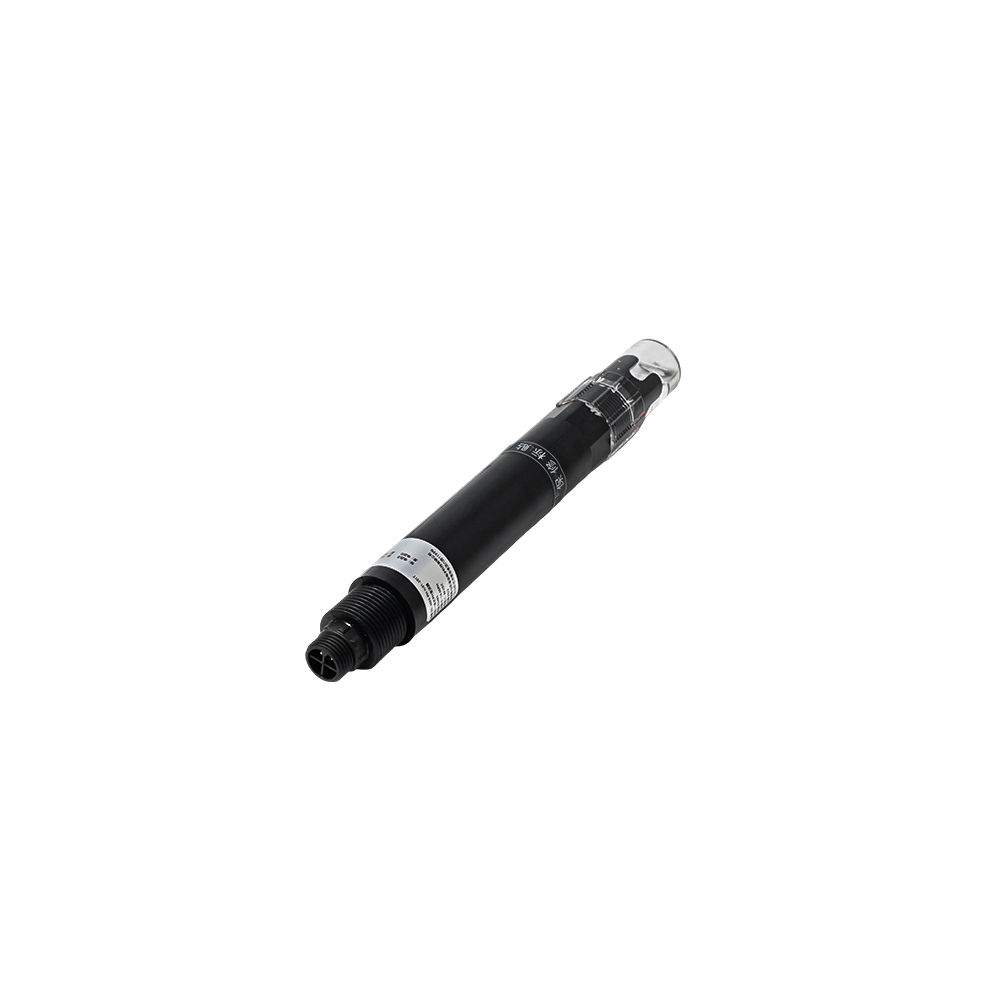
Renke SN-3003-CL-N01-20 Industrial Residual Chlorine Sensor (Fresh Water) - RS485 Modbus, IP68

₹43,789.00 (Inclusive of all taxes)
Out of Stock

The Renke SN-3003-CL-N01-20 is an industrial-grade residual chlorine sensor designed for precise monitoring of free chlorine (HOCl/OCl⁻) in freshwater systems. Featuring a robust RS485 Modbus RTU interface, it provides stable, interference-free data for seamless integration into SCADA, PLCs, and water treatment automation platforms.

Features

  • Advanced three-electrode (gold/platinum) system for high accuracy and long-term stability.
  • Maintenance-free, non-membrane design eliminates reagent and diaphragm replacements.
  • RS485 Modbus RTU output ensures reliable, long-distance communication in industrial environments.
  • IP68-rated waterproof housing and wide 7-30V DC input for robust operation.
  • Fast response time (<30s) for real-time chlorination control and process automation.

Out of stock

Description

The SN-3003-CL-N01-20 employs a constant-voltage, three-electrode electrochemical principle for direct measurement of residual chlorine concentration. This design provides superior signal stability and sensor longevity by minimizing electrode polarization and contamination. The sensor’s output is conditioned for direct digital communication via the RS485 bus.

Encased in an IP68-rated plastic housing with upper and lower threaded ports, the sensor is built for permanent submersion and harsh installation environments typical in water treatment. Its wide operating voltage and low power consumption (0.19W) make it suitable for both centralized and remote, solar-powered monitoring stations.

Key Features

  • Three-electrode electrochemical sensing cell with gold/platinum working electrode.
  • Maintenance-free operation with no consumables, membranes, or reagents required.
  • Industrial RS485 interface with standard Modbus RTU protocol for easy system integration.
  • IP68 waterproof rating ensures reliable performance in fully submerged applications.
  • Wide 7-30V DC supply range with low 6.3mA operating current for flexible powering.
  • Fast response time under 30 seconds enables real-time process control.
  • Durable plastic body with threaded (likely NPT or PG) fittings for secure inline installation.
  • Optimized for long-term stability, reducing calibration frequency and operational costs.

Applications

  • Real-time residual chlorine monitoring in municipal drinking water treatment and distribution networks.
  • Automated disinfection control in swimming pools, spas, and public aquatic facilities.
  • Effluent quality monitoring in hospital, pharmaceutical, and healthcare wastewater systems.
  • Process control in industrial freshwater cooling towers and rinse water systems.
  • Integrated sensing for SCADA and PLC-based water quality automation platforms.

Technical Specifications

Manufacturer Part NumberSN-3003-CL-N01-20
Measurement ParameterResidual Chlorine (Free Chlorine: HOCl, OCl⁻)
Application MediumFresh Water Only
Output InterfaceRS485 (Modbus RTU Protocol)
Supply VoltageDC 7 – 30V
Operating Current6.3 mA
Power Consumption~0.19W (at 30V)
Response Time< 30 seconds
Housing MaterialPlastic
Electrode MaterialGold / Platinum
Ingress ProtectionIP68
Sensor Length250 mm
Sensor Width40 mm
Weight159 g

Frequently Asked Questions

What type of output does this chlorine sensor provide, and how do I connect it?

This sensor provides a digital RS485 output using the Modbus RTU protocol. Connect the supplied cable's power wires (typically red/black) to a 7-30V DC source and the data wires (typically A/B or D+/D-) to an RS485 transceiver on your PLC, data logger, or microcontroller (e.g., via a MAX485 module). Ensure proper termination and baud rate configuration (e.g., 9600 bps) in your host system.

Is this sensor suitable for saltwater or seawater applications?

No. The SN-3003-CL-N01-20 is explicitly designed for freshwater applications only. Using it in saltwater, seawater, or high-salinity environments will damage the electrodes, cause rapid fouling, and lead to inaccurate readings and premature sensor failure.

How often does this sensor require calibration or maintenance?

The advanced three-electrode, non-membrane design significantly reduces maintenance. It does not require reagent refills or diaphragm replacements. Periodic calibration (e.g., every 3-6 months) using standard chlorine solutions is recommended for optimal accuracy, depending on the application's required precision and operating conditions.

What is the sensor's installation method and pressure rating?

The sensor features upper and lower threaded ports (commonly NPT or PG thread) for inline installation into a pipe or tank. It is designed for immersion and flowing water applications. For specific pressure ratings and compatible fittings, consult the manufacturer's datasheet, as this information is not provided in the core specs.

Can this sensor communicate directly with an Arduino or Raspberry Pi?

Not directly. The sensor's RS485 interface requires an RS485 to TTL/UART converter module (like a MAX485) to communicate with 3.3V or 5V logic devices like Arduino or Raspberry Pi. You will need to connect the sensor to the converter, then the converter's TX/RX pins to your microcontroller's serial port and implement a Modbus RTU library to read the data registers.

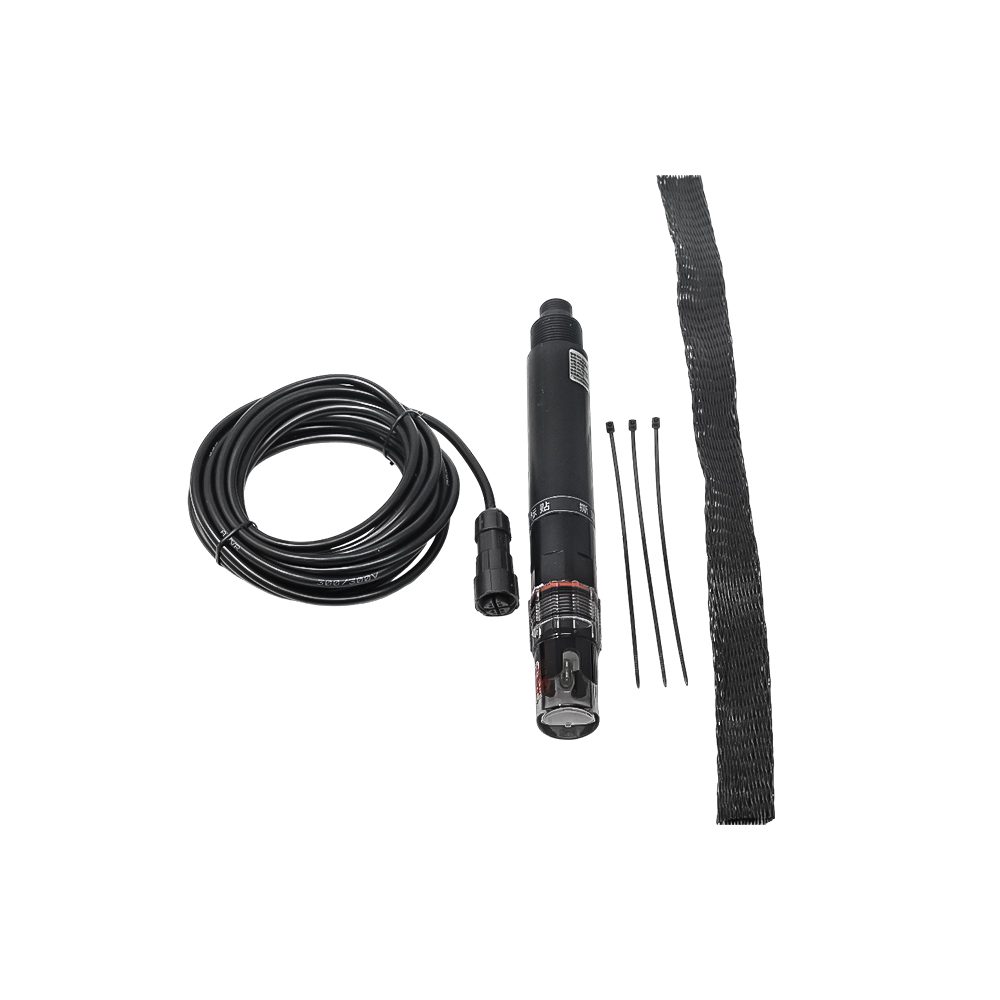
Package Includes

  • 1 x SN-3003-CL-N01-20 Residual Chlorine Sensor
  • 1 x Industrial Communication/Power Cable
  • 1 x Braided Sleeve (Cable Protection)
  • 3 x Cable Ties (Zipties)

Additional Information

Weight 0.159 kg
Dimensions 25 × 4 cm