SKU: IOWC-1827
📋 GST Invoice Available

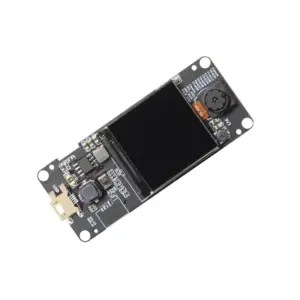
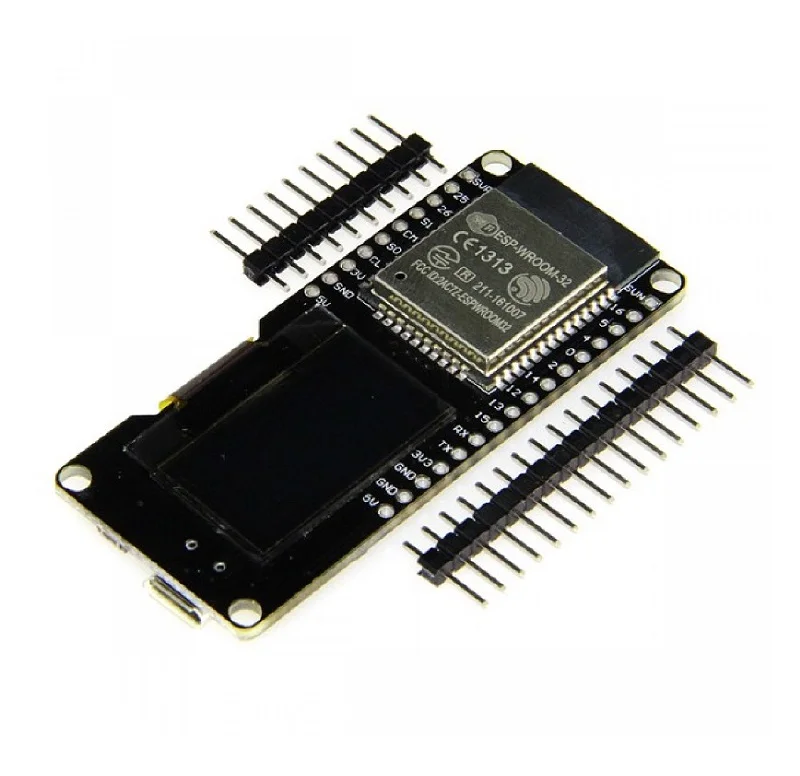
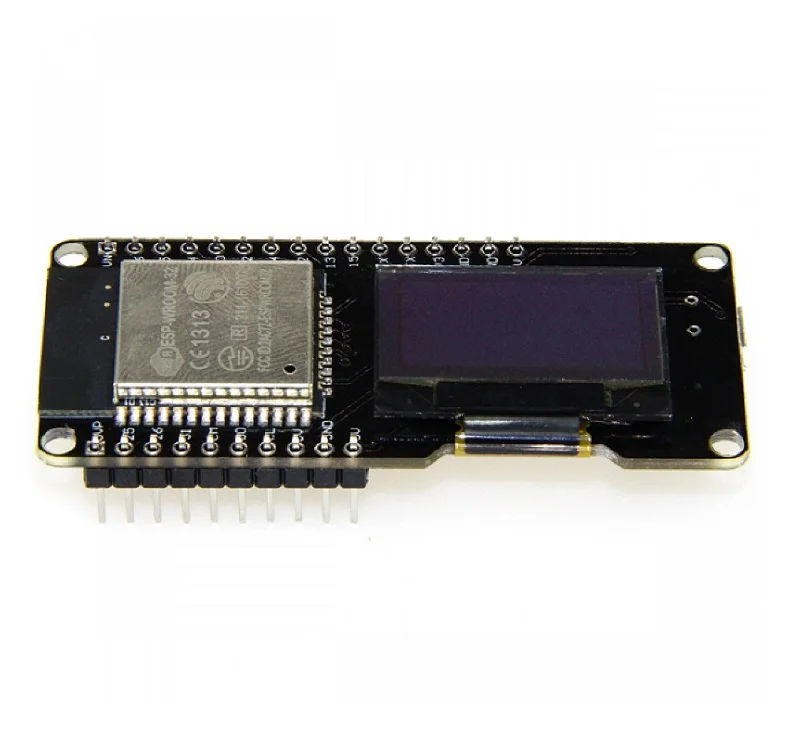
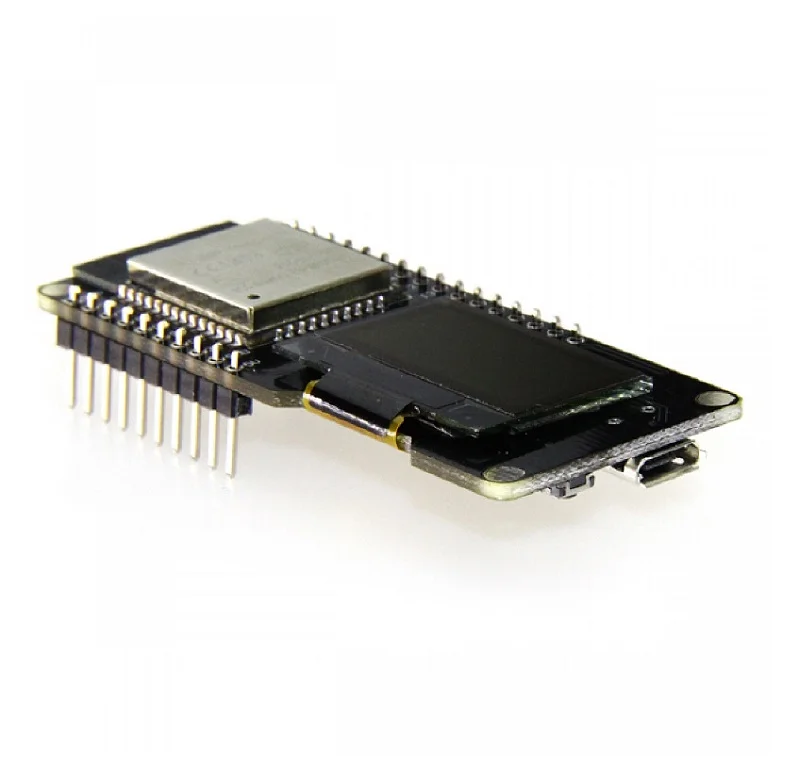
Wemos ESP32 0.96-Inch OLED Wi-Fi & Bluetooth Development Board w/ CP2102

₹1,109.00 (Inclusive of all taxes)
Out of Stock

The Wemos ESP32 OLED Development Board integrates a 0.96-inch white OLED display with a dual-core ESP32 SoC, providing a compact platform for Wi-Fi/Bluetooth IoT projects with visual feedback, programmable via the onboard CP2102 USB-to-serial converter in Arduino IDE or ESP-IDF.

Features

  • Integrated 0.96-inch white OLED display for immediate sensor data, status, or debug output without external screens.
  • Powered by the ESP32 dual-core processor (240MHz) with 4MB flash and 512KB RAM for robust wireless application development.
  • Onboard CP2102 USB-to-serial chip enables straightforward programming and power delivery via micro-USB port.
  • Comprehensive I/O with up to 19 digital and 11 analog pins for connecting sensors, actuators, and peripherals.
  • Supports Wi-Fi (AP/STA modes) and Bluetooth connectivity, ideal for smart home displays, remote monitors, and portable IoT gadgets.

Out of stock

Description

This Wemos development board combines the processing and wireless power of the ESP32 with an integrated OLED display, creating an all-in-one prototyping solution for IoT developers and makers. The ESP32 chip delivers dual-core performance at 240MHz, coupled with 4MB of flash memory and 512KB of RAM, sufficient for handling network stacks like LwIP and complex application logic. The CP2102 USB bridge simplifies firmware uploads and serial communication debugging directly from the Arduino IDE, PlatformIO, or ESP-IDF frameworks.

The board’s compact form factor (65mm x 28mm) and built-in 0.96-inch OLED provide immediate visual feedback for sensor readings, system status, or user interfaces, eliminating the need for external display modules. With support for Wi-Fi in both Access Point and Station modes, alongside Bluetooth, it is engineered for rapid deployment in smart home control panels, environmental monitoring stations, wireless sensor nodes, and educational electronics projects.

Key Features

  • ESP32-based core with 240MHz dual-core processor, 4MB flash, and 512KB RAM for capable IoT computation.
  • Integrated 0.96-inch white OLED display (SSD1306 driver) for onboard visualization without extra wiring.
  • CP2102 USB-to-serial converter ensures reliable programming and serial communication via a standard micro-USB cable.
  • Comprehensive GPIO expansion with 19 digital and 11 analog pins for extensive peripheral connectivity.
  • Dual wireless connectivity: 2.4GHz Wi-Fi (802.11 b/g/n) supporting AP, STA, and AP+STA modes, plus Bluetooth Classic and BLE.
  • Single 5V power input via micro-USB port, compatible with most USB chargers or computer ports.
  • Compact and breadboard-friendly design for easy integration into prototypes and finished enclosures.

Applications

  • Smart home control panels and status displays with local UI.
  • Portable environmental sensors with real-time data visualization.
  • IoT prototyping and educational kits for wireless projects.
  • Wireless sensor nodes requiring local display output.
  • BLE/Wi-Fi beacon devices with informational screens.

Technical Specifications

Microcontroller/SoCESP32 Dual-Core (240MHz)
Wireless ProtocolsWi-Fi 802.11 b/g/n, Bluetooth Classic & BLE 4.2
Display0.96-inch White OLED (SSD1306)
USB-to-SerialCP2102
Flash Memory4 MB
RAM512 KB
Digital I/O PinsUp to 19
Analog Input PinsUp to 11
Supply Voltage5V via Micro-USB
Programming InterfaceMicro-USB (CP2102)
Dimensions (LxW)65mm x 28mm

Frequently Asked Questions

How do I program this Wemos ESP32 OLED board?

Install the CP2102 USB driver, then add the ESP32 board support in Arduino IDE via the Boards Manager. Select 'Wemos LOLIN D32' or a Generic ESP32 Dev Module as the target. Connect via micro-USB, choose the correct COM port, and upload your sketch. The onboard CP2102 handles serial communication for both programming and serial monitor output.

What libraries are needed to control the integrated OLED display?

Use the Adafruit SSD1306 and Adafruit GFX libraries in Arduino IDE. After installing via the Library Manager, initialize the display with the correct I2C address (typically 0x3C) and screen dimensions (128x64 pixels). Example code is available in the library examples to draw text, shapes, and bitmaps for sensor data visualization.

Can this board be powered and used standalone without a USB connection?

Yes, after initial programming, you can power the board externally via the 5V pin. Provide a stable 5V DC supply, ensuring common ground with any peripherals. The board will run your deployed firmware, utilizing Wi-Fi or Bluetooth for communication and the OLED for display, making it suitable for battery-powered portable applications.

Package Includes

  • 1 x Wemos 0.96" OLED ESP32 Wi-Fi Bluetooth Module CP2102 Development Board

Additional Information

Weight 0.013 kg
Dimensions 6.5 × 2.8 cm