SKU: IOWC-1507
📋 GST Invoice Available

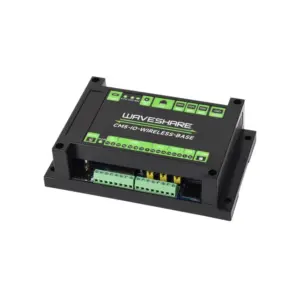
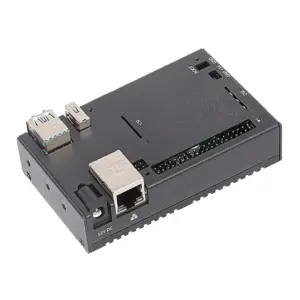
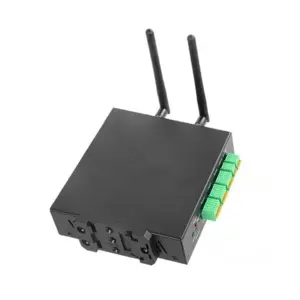
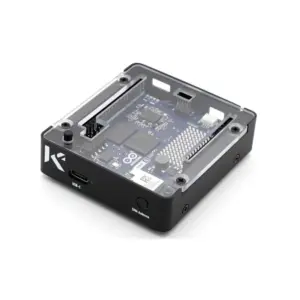
SEDAC Lite Modbus Gateway WiFi 5V DC w/ LoRa & Wi-Fi Antennas

₹7,363.00 (Inclusive of all taxes)
Out of Stock

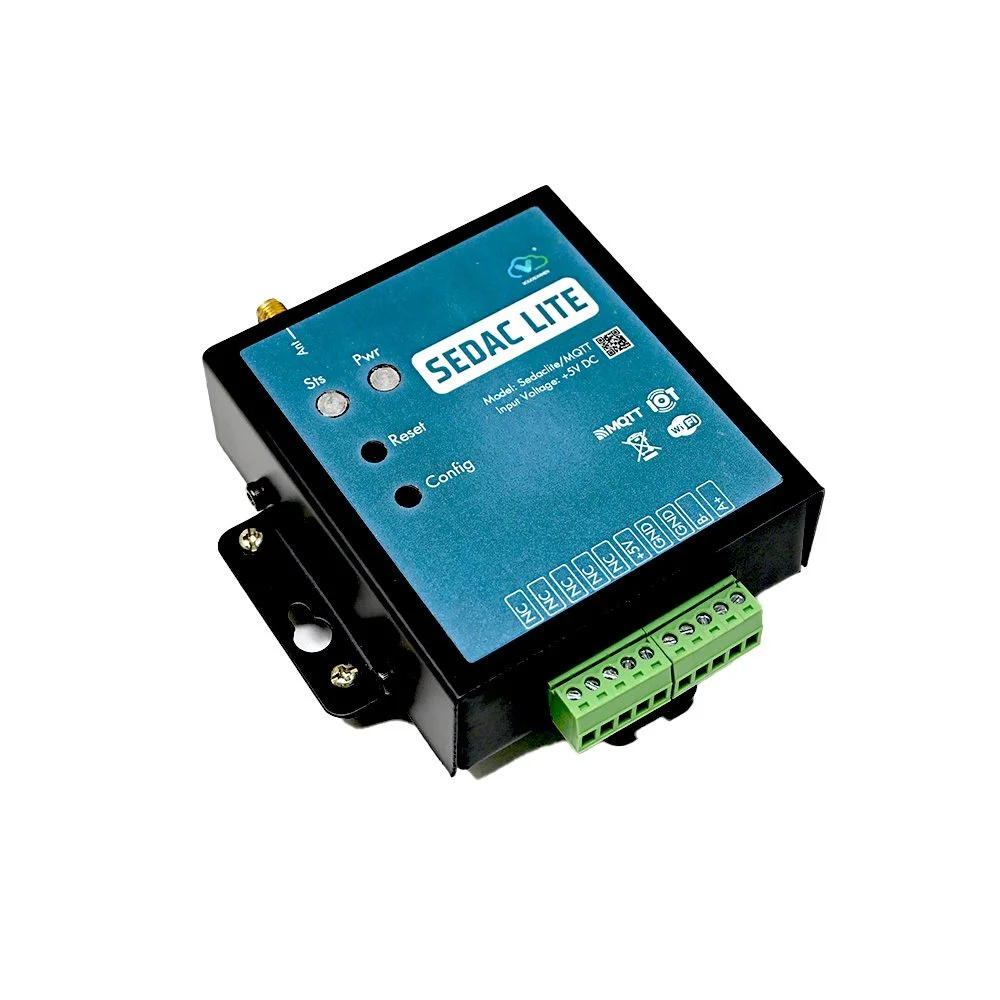
The SEDAC Lite WiFi Modbus Gateway bridges RS485 industrial devices to IoT platforms via MQTT over Wi-Fi, featuring configurable slave IDs, register addresses, and low-power 5V DC operation for remote monitoring and control.

Features

  • RS485 to MQTT IoT Gateway: Converts Modbus RTU/ASCII serial data from industrial sensors and PLCs into MQTT messages for cloud or local server integration.
  • Dual Wireless Antenna Support: Equipped with UFL connectors for both Wi-Fi and LoRa antennas, enabling flexible wireless connectivity options for different range requirements.
  • Configurable Data Acquisition: Fully customizable polling intervals, register addresses, and data types (holding/input registers) for precise industrial telemetry.
  • Versatile Industrial Mounting: Supports DIN rail or direct panel mounting with a compact 102x87x28mm footprint, designed for harsh environments.
  • Low Power Consumption: Operates on a standard 5V 1A DC supply with status LEDs for power, Wi-Fi, data request, and configuration mode indication.

Out of stock

Description

The SEDAC Lite WiFi Modbus Gateway is a dedicated industrial IoT edge device designed to modernize legacy serial equipment. It acts as a protocol translator, continuously polling data from RS485-based Modbus RTU/ASCII slaves—such as energy meters, sensors, and PLCs—and publishing it as structured JSON payloads via MQTT over a Wi-Fi network. This enables real-time data visualization, historical logging, and remote control through platforms like Node-RED, Home Assistant, or custom cloud applications.

Built for reliability in industrial settings, the gateway features robust UFL antenna connectors for both its primary 2.4GHz Wi-Fi radio and an optional LoRa module, providing a fallback or long-range telemetry path. Its firmware allows deep configuration of communication parameters, including baud rates, parity, slave IDs, and specific register mappings, making it adaptable to virtually any Modbus device. The inclusion of physical reset and configuration buttons, alongside clear status LEDs, simplifies field deployment and troubleshooting.

Key Features

  • Industrial RS485 to MQTT Bridge: Securely transmits Modbus register data to an MQTT broker, enabling cloud integration and remote monitoring.
  • Fully Configurable Modbus Master: Set polling frequency, slave IDs, register addresses (coils, inputs, holdings), and data interpretation formats.
  • Dual UFL Antenna Ports: Dedicated connectors for a 2.4GHz Wi-Fi antenna and an optional LoRa module antenna for extended-range communication.
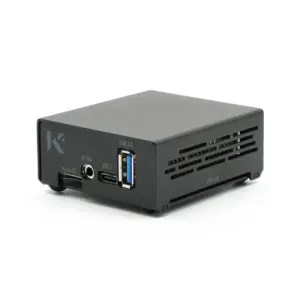
  • Robust Industrial Design: Metal enclosure with DIN rail clip and direct mounting holes for installation in control cabinets and industrial panels.
  • Local Status & Control: LED indicators for power, Wi-Fi connection, active data requests, and configuration mode; physical reset and config buttons.
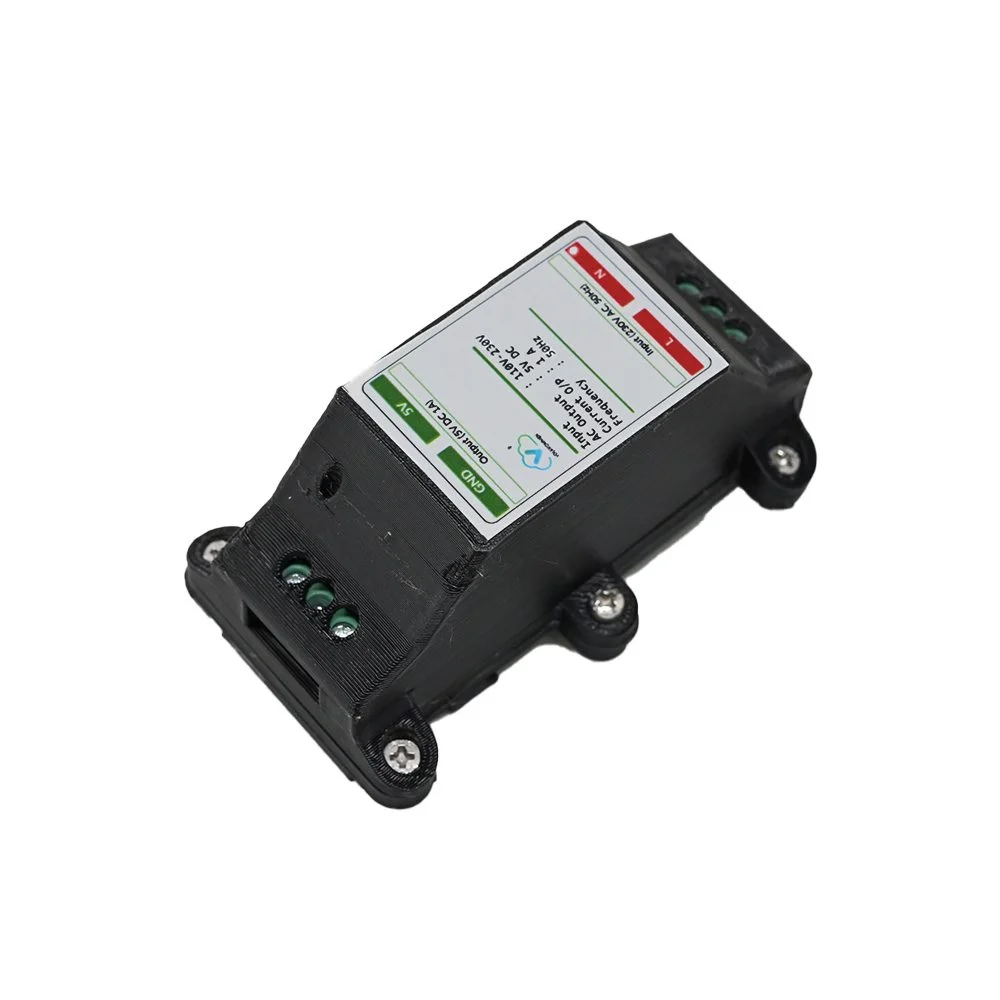
  • Low-Power Operation: Powered by a common 5V DC supply (1A max), suitable for use with PoE splitters or industrial DC power sources.
  • Web-Based Configuration: User-friendly interface for network setup (Wi-Fi SSID/Password), MQTT broker details, and Modbus parameter configuration.

Applications

  • Industrial IoT (IIoT) & SCADA Systems: Remote monitoring of PLCs, sensors, and meters in manufacturing, water treatment, and energy facilities.
  • Smart Building Automation: Integrating legacy HVAC, lighting, and power meters into modern BMS platforms via MQTT.
  • Renewable Energy Monitoring: Collecting data from solar inverter controllers, wind turbine controllers, and battery management systems.
  • Agricultural & Environmental Sensing: Telemetry from soil moisture sensors, weather stations, and irrigation controllers over Wi-Fi.
  • Asset Tracking & Fleet Management: Connecting to vehicle CAN bus or asset sensors via RS485 for real-time location and status updates.

Technical Specifications

Model / NameSEDAC Lite WiFi
Primary FunctionRS485 Modbus to MQTT/Wi-Fi Gateway
Wireless ProtocolsWi-Fi 802.11 b/g/n (2.4GHz), Optional LoRa (via UFL)
Serial InterfaceRS485 (2-wire, A/B terminals)
Configuration InterfaceWeb UI via Wi-Fi Access Point/Station
IoT ProtocolMQTT (Publish/Subscribe)
Power Supply5V DC @ 1A Max
Antenna Connectors2x UFL (IPEX) for Wi-Fi & LoRa
MountingDIN Rail or Direct Panel Mount
Operating TemperatureIndustrial Grade (Typical -20°C to +70°C)
Dimensions (L x W x H)102 x 87 x 28 mm
ButtonsReset, Configuration
IndicatorsLEDs for Power, Wi-Fi, Data Request, Config Mode

Frequently Asked Questions

How do I configure the SEDAC Lite Gateway for my Modbus device?

Power the gateway and connect to its Wi-Fi access point. Open the web configuration interface in a browser. Enter your local Wi-Fi credentials and MQTT broker details. Then, navigate to the Modbus settings to define the slave ID, baud rate (e.g., 9600), register addresses (start address and count), data type (INT16, UINT32, etc.), and polling interval. Save the configuration, and the gateway will restart and begin publishing data to the specified MQTT topic.

What is the purpose of the second UFL antenna connector?

The second UFL connector is reserved for an optional LoRa radio module, which is not included by default. This allows you to add a LoRa transceiver (like an SX1276/SX1278) to the gateway for creating a long-range, low-power backhaul link. You would solder the module onto the board's designated pads and configure the firmware to use LoRaWAN or raw LoRa for data transmission, providing connectivity in areas without Wi-Fi coverage.

Can this gateway read data from multiple Modbus slave devices on one RS485 bus?

Yes, the SEDAC Lite supports multiple slave IDs on a single RS485 bus. In the web configuration, you can create separate 'device' profiles, each with its own unique slave ID, register map, and polling schedule. The gateway will sequentially poll each configured device and publish the data to distinct MQTT topics or within a single JSON payload, enabling centralized data collection from an entire chain of sensors or meters.

What MQTT message format does the gateway use for publishing data?

The gateway publishes data as a JSON object over MQTT. A typical payload includes a timestamp, the slave ID, and an array of the polled register values. The exact topic structure and JSON keys are configurable in the web interface. You can set a base topic (e.g., 'factory/sensor1/') and the gateway will append the slave ID or register name, making it easy to integrate with Node-RED, InfluxDB, or custom applications that subscribe to these structured messages.

Package Includes

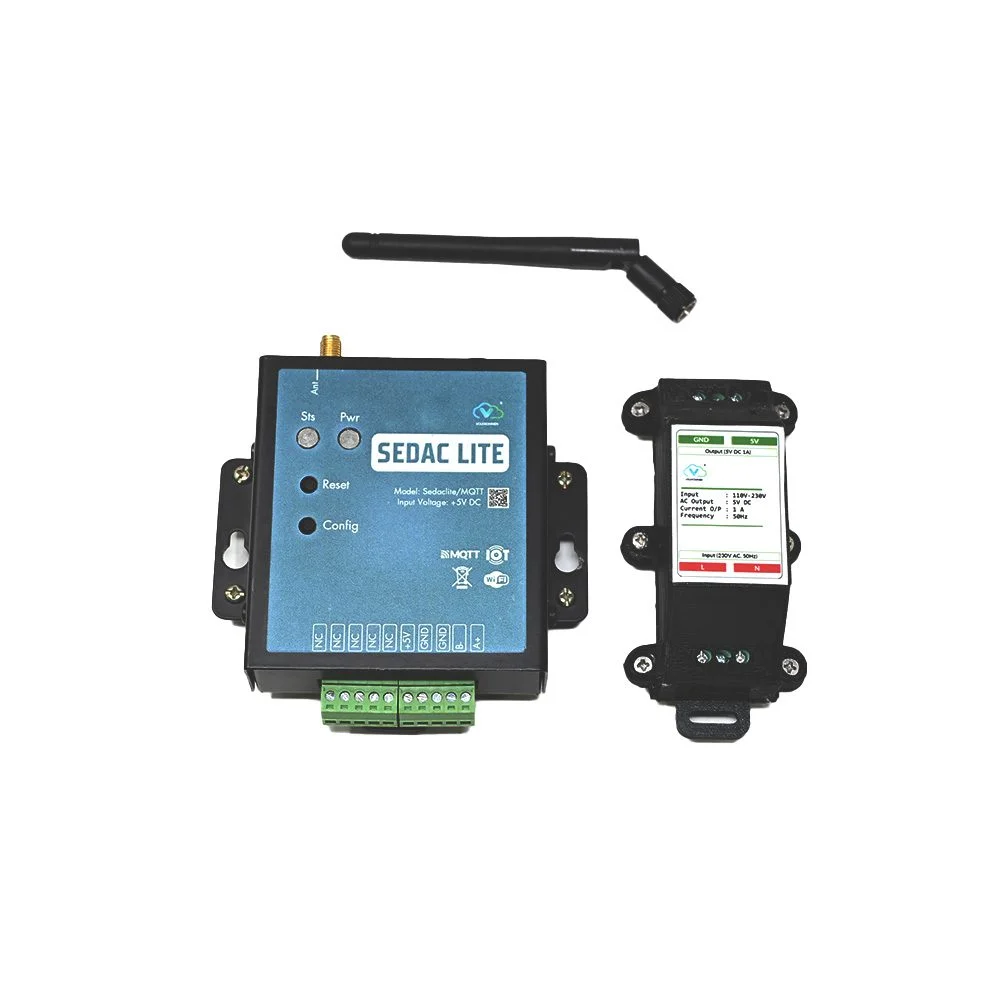
  • 1 x SEDAC Lite WiFi Modbus Gateway
  • 1 x Wi-Fi Antenna (with UFL connector)
  • 1 x User Manual

Additional Information

Weight 0.37 kg
Dimensions 10.2 × 8.7 × 2.8 cm