SKU: IOWC-1316
📋 GST Invoice Available

M5Stack K132-Adv Cardputer Advanced Version with ESP32-S3

â‚č4,789.00 (Inclusive of all taxes)
Out of Stock

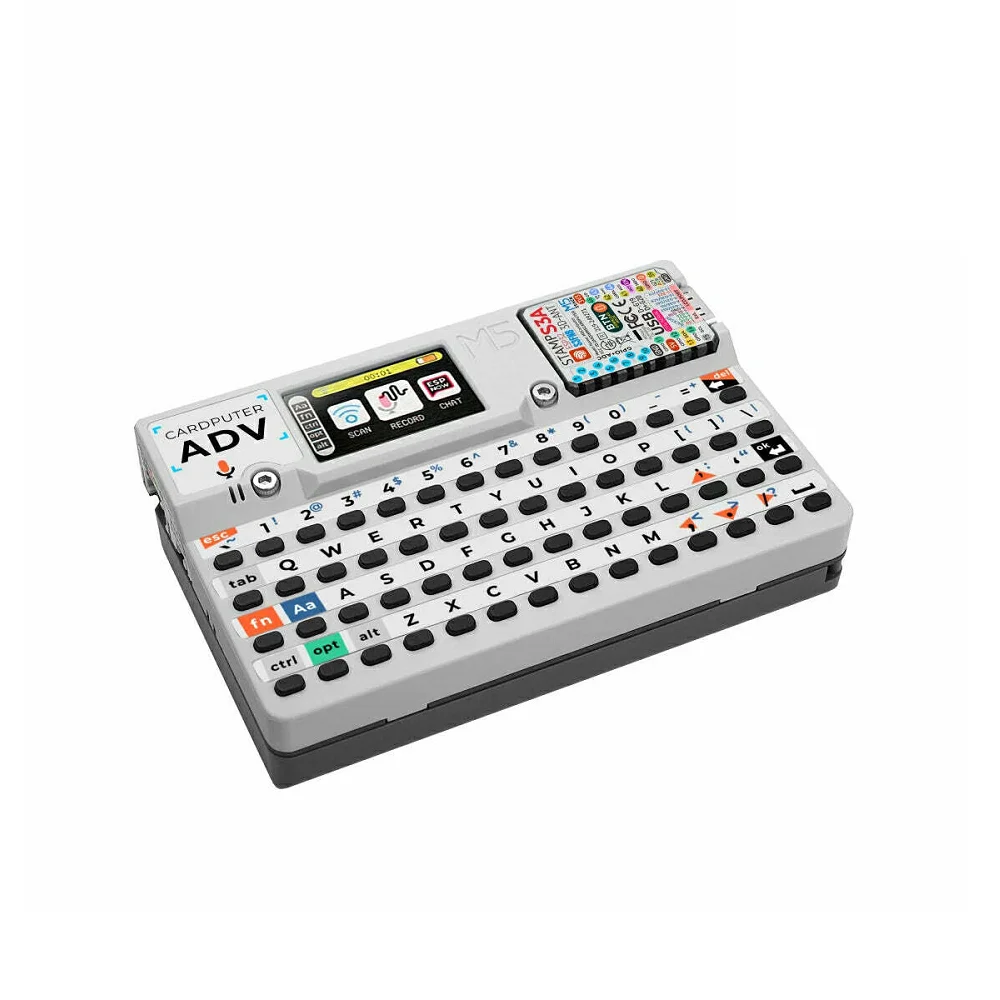
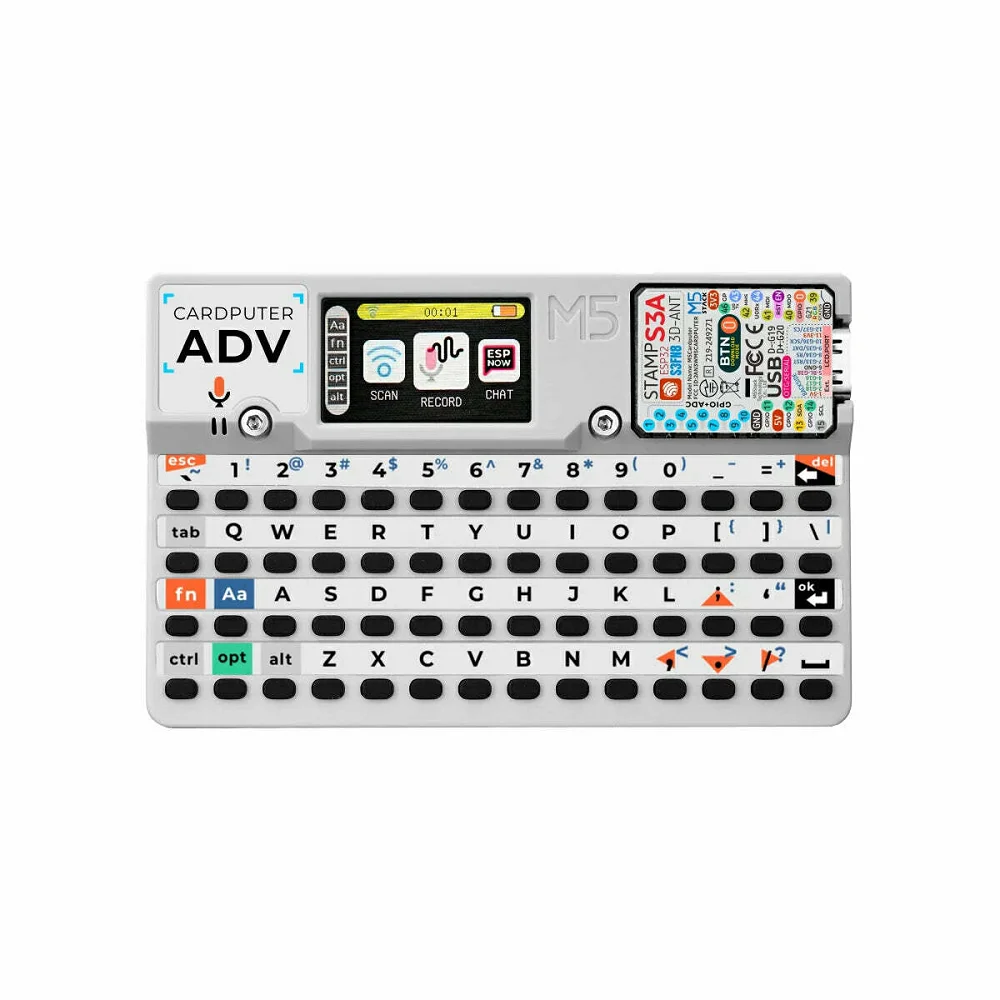
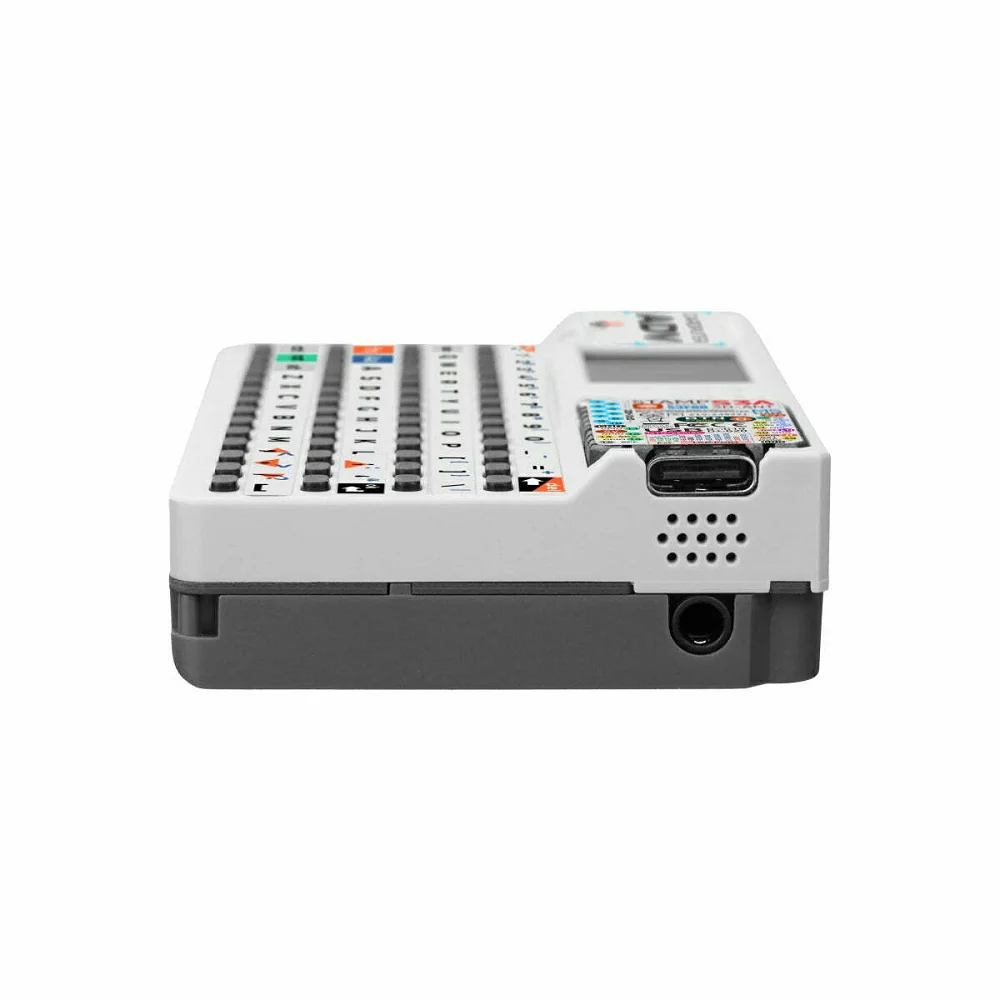
The M5Stack Cardputer Advanced Version is a card-sized portable development platform centered on the ESP32-S3FN8, featuring Wi-Fi/BLE connectivity, a 1.14-inch LCD, and a 56-key keyboard. It is powered by an internal 1750mAh Li-Po battery and is programmable via Arduino IDE or ESP-IDF for rapid IoT prototyping and embedded applications.

Features

  • ESP32-S3FN8 Core: Dual-core Xtensa LX7 processor with integrated 2.4GHz Wi-Fi and Bluetooth 5 (BLE) for robust wireless IoT connectivity.
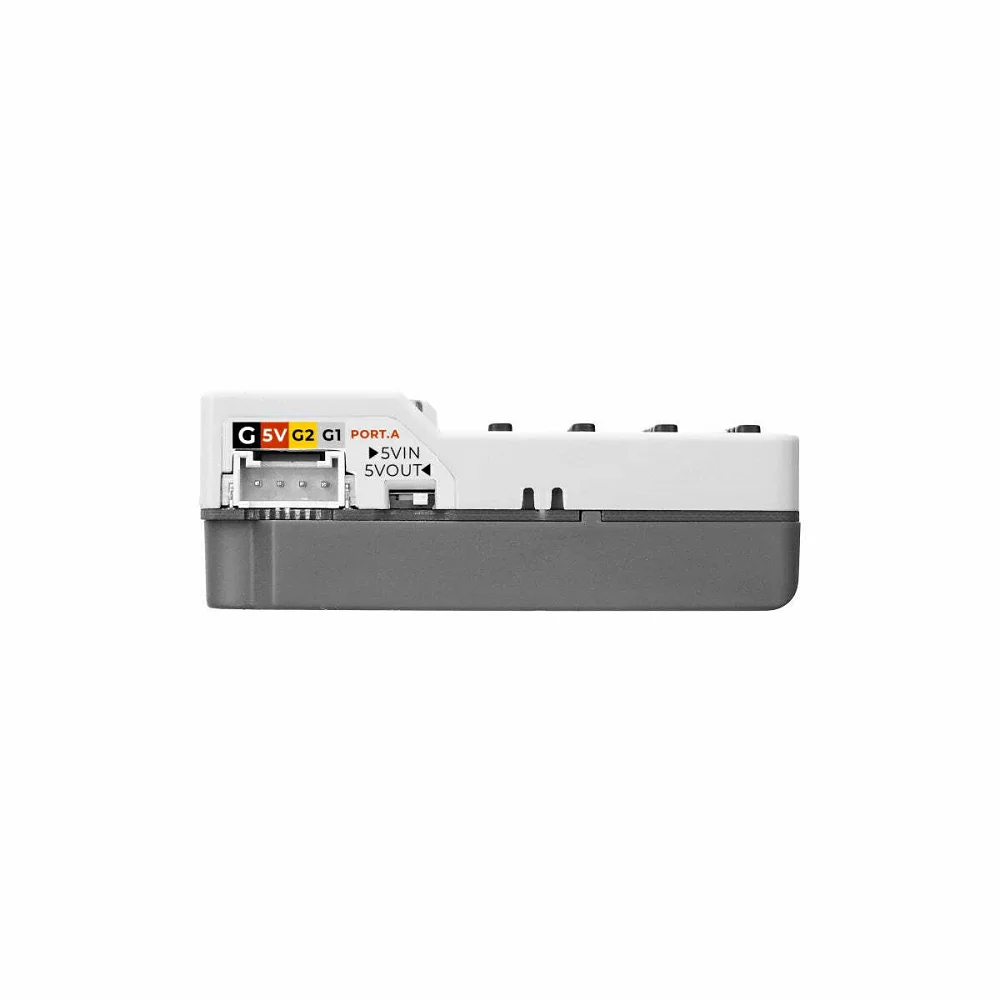
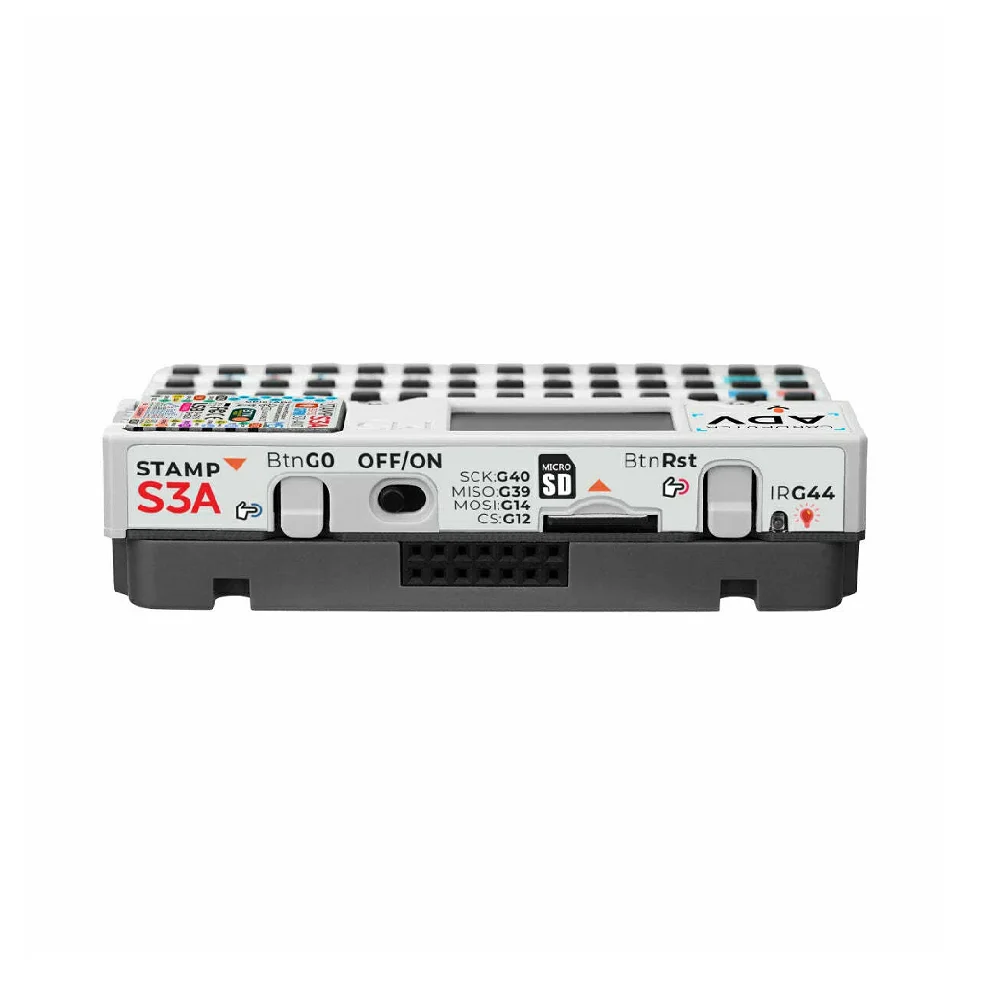
  • Integrated I/O & Display: Features a 1.14-inch ST7789V2 color LCD (240x135px), a 56-key keyboard, and a HY2.0-4P Grove connector plus a 14-pin EXT header for extensive peripheral expansion.
  • Multimedia & Control Capabilities: Equipped with an ES8311 audio codec, MEMS microphone, 1W speaker for voice applications, and an infrared emitter for remote control of appliances.
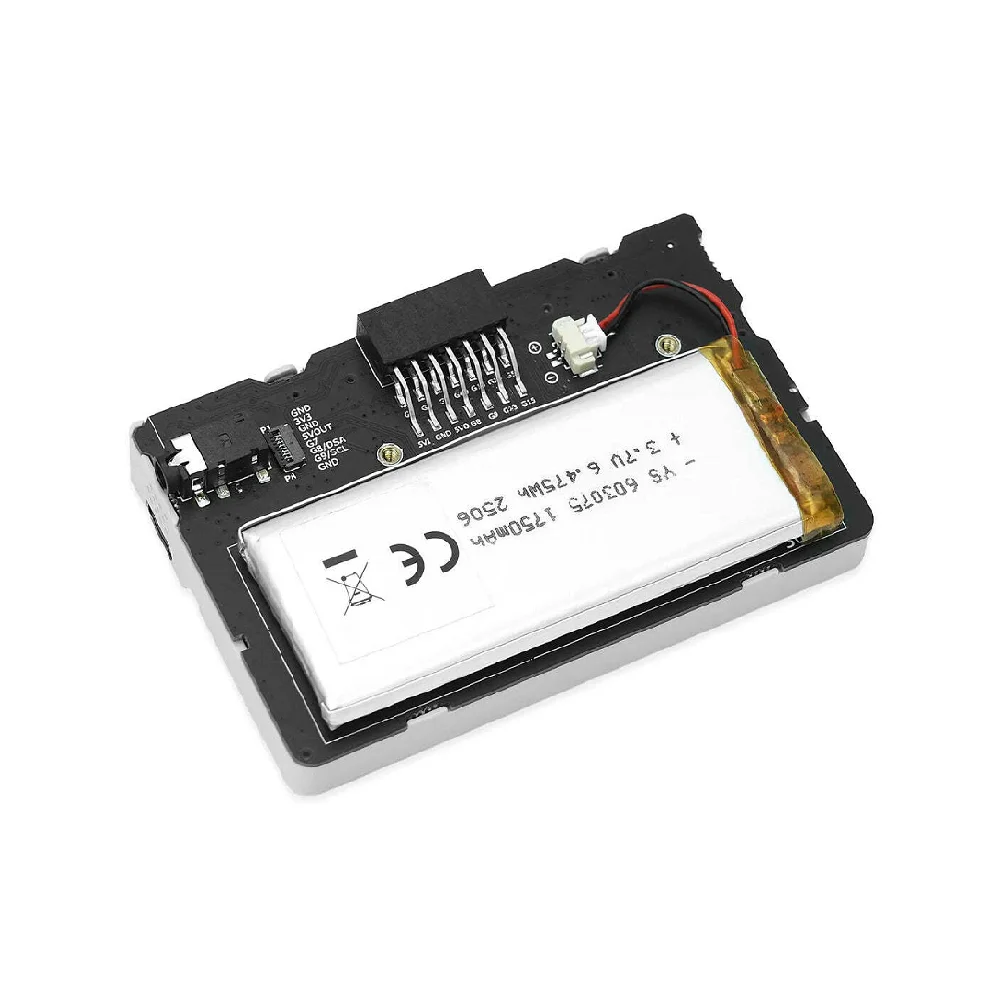
  • Portable Power Solution: Includes a built-in 1750mAh lithium battery with integrated charging circuitry, enabling cordless operation and ultra-low standby current of 0.26”A.
  • Versatile Form Factor: Compact 84x54mm card-sized design incorporates a magnet for attachment to metal surfaces and is structurally compatible with Lego bricks for creative mounting.

Out of stock

Description

The M5Stack K132-Adv Cardputer is a highly integrated, portable development board designed for engineers and makers requiring a compact, feature-rich platform for IoT and embedded systems. Based on the Espressif ESP32-S3FN8 chip, it combines a powerful dual-core processor with 2.4GHz Wi-Fi and Bluetooth 5.0 Low Energy, providing the core connectivity for smart home automation, industrial control, and wireless sensor networks.

Beyond its processing core, the Cardputer is distinguished by its comprehensive human-machine interface (HMI). It integrates a full 56-key keyboard and a 1.14-inch color LCD display for direct input and data visualization, eliminating the need for external peripherals during field testing. The board further expands its utility with an onboard audio subsystem for voice wake-up and playback, an IR emitter for device control, and multiple expansion ports for connecting a wide array of Grove-compatible sensors and modules via I2C, UART, or GPIO.

Power management is handled by an internal 1750mAh lithium-polymer battery, supported by dedicated charging and regulation circuits that enable extended cordless operation. The device’s ultra-low-power sleep modes, with currents as low as 0.26”A, make it suitable for battery-powered edge applications. Its unique card-sized form factor, magnetic base, and Lego-compatible hole pattern offer unparalleled flexibility for prototyping and deployment in educational, industrial, and DIY environments.

Key Features

  • All-in-One Portable Computer: A complete, card-sized development system integrating compute, display, input, wireless, and power for on-the-go prototyping and deployment.
  • Rich Audio-Visual Interface: Combines a crisp LCD display with a full keyboard, high-fidelity audio codec, microphone, and speaker for interactive multimedia and voice-control applications.
  • Extensive Hardware Expandability: Offers standard Grove and 2.54mm pin headers for seamless connection to hundreds of M5Stack modules and third-party sensors, supporting I2C, UART, ADC, and GPIO protocols.
  • Advanced Wireless Core: Leverages the ESP32-S3's capabilities for secure Wi-Fi provisioning, Bluetooth Mesh networking, and support for AI acceleration at the edge via its vector instructions.
  • Engineered for Field Use: Incorporates a magnetic base for mounting on ferrous surfaces, a MicroSD card slot for data logging, and a structural design compatible with Lego for custom enclosures.
  • Optimized Power Architecture: Intelligent battery management system ensures safe charging, extends battery cycle life, and provides multiple configurable sleep states for maximum energy efficiency.

Applications

  • Rapid IoT Prototyping & Field Testing: Ideal for engineers to quickly validate sensor data, wireless connectivity, and user interfaces in real-world environments.
  • Portable Data Loggers & Diagnostic Tools: Deploy as a handheld device for industrial equipment monitoring, environmental sensing, or agricultural data collection using the SD card for storage.
  • Interactive Smart Home Controllers: Build custom remote controls or voice-activated hubs to manage IR appliances, lights, and other Wi-Fi/BLE devices.
  • Educational Platforms for Embedded Systems: A complete kit for teaching coding, electronics, and IoT concepts with built-in I/O, removing breadboard complexity.
  • Embedded Multimedia Projects: Develop portable audio players, voice recorders, or simple games leveraging the display, keyboard, and audio hardware.

Technical Specifications

Microcontroller / SoCEspressif ESP32-S3FN8 (Dual-core Xtensa LX7, 240 MHz)
Wireless Protocols2.4 GHz Wi-Fi 4 (802.11 b/g/n), Bluetooth 5.0 Low Energy (BLE)
Display1.14-inch IPS LCD (ST7789V2 driver, 240 x 135 pixels)
User Input56-key mechanical keyboard
Audio SystemES8311 Codec, MEMS microphone, NS4150B amplifier, 8Ω 1W speaker
InfraredIR emitter (up to 410cm range, 180° angle)
Supply VoltageDC 4.2V (via internal Li-Po battery or USB-C)
Operating Current~165.7mA (Key Mode), ~255.6mA (IR Emission Mode)
Standby Current0.00026 mA (0.26 ”A)
Battery Capacity1750 mAh Lithium-Polymer
InterfacesUSB-C (Power/Programming), HY2.0-4P Grove, EXT 2.54-14P header, MicroSD card slot
Dimensions84.0 x 54.0 x 19.6 mm
Weight81.0 grams

Frequently Asked Questions

How do I program the M5Stack Cardputer and what software frameworks are supported?

The Cardputer is programmed using the Arduino IDE with the ESP32 board package installed or directly via Espressif's ESP-IDF framework. Connect the board via the provided USB-C cable, select 'M5Stack Cardputer' or 'ESP32-S3 Dev Module' as the target board in your IDE, and upload your code. For advanced features like the audio codec or IR emitter, you may need to include specific M5Stack or third-party libraries available through the Arduino Library Manager or GitHub.

What is the battery life expectancy, and how do I charge the Cardputer?

Battery life depends heavily on usage mode. With the ESP32-S3 in deep sleep (0.26 ”A current), the 1750mAh battery can last for months. During active development with the display and keyboard enabled, expect several hours of continuous use. Charging is done via the USB-C port; the onboard management circuit handles Li-Po charging safely. The red LED indicates charging, and it turns off when fully charged. Avoid using high-power peripherals while charging to prevent overheating.

Can I connect external sensors, and what communication protocols are available on the expansion headers?

Yes, the HY2.0-4P Grove connector provides I2C (SDA/SCL) and a digital/analog pin, while the 14-pin EXT header breaks out additional GPIOs, ADC inputs, UART (TX/RX), and 5V/GND pins. You can connect I2C sensors like accelerometers, UART devices like GPS modules, or simple digital switches. Always check the pinout diagram to avoid conflicts with onboard peripherals like the display or keyboard, which use specific GPIOs.

How do I use the infrared emitter to control home appliances like a TV?

The IR emitter is connected to a dedicated GPIO pin. To control appliances, you need to capture the remote's IR codes using a receiver module and a library like IRremoteESP8266. Once you have the raw code or protocol (NEC, Sony, etc.), you can use the same library to transmit the code via the Cardputer's emitter. Point the emitter at the device, ensure there's a clear line of sight, and send the command. The library supports many common protocols out of the box.

Package Includes

  • 1 x M5Stack K132-Adv Cardputer Advanced Version (with ESP32-S3)
  • 1 x Hex Key

Additional Information

Weight 0.081 kg
Dimensions 5.4 × 8.4 × 1.96 cm