SKU: IOWC-1212
📋 GST Invoice Available

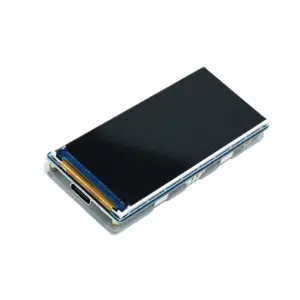
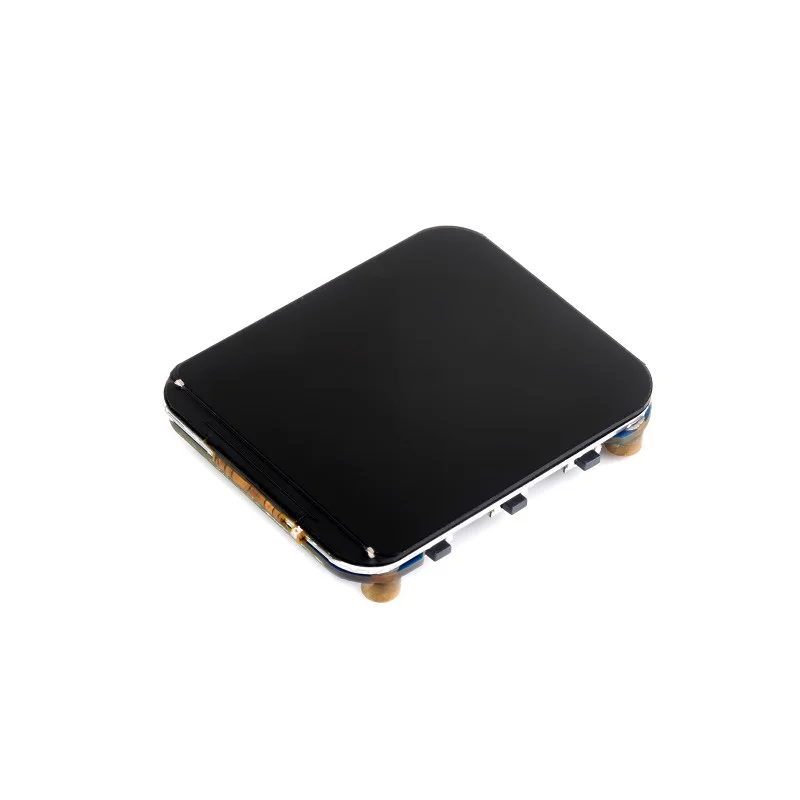
Waveshare ESP32-S3 1.69-Inch Display Development Board w/ IMU & RTC

₹1,989.00 (Inclusive of all taxes)
Out of Stock

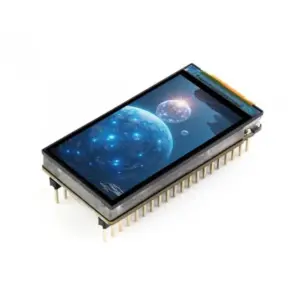
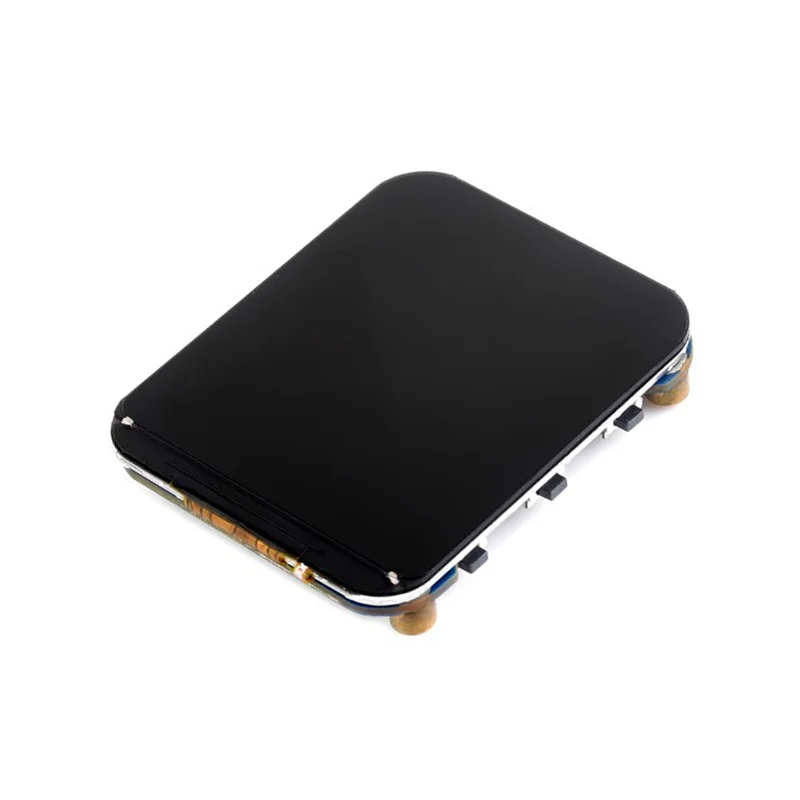
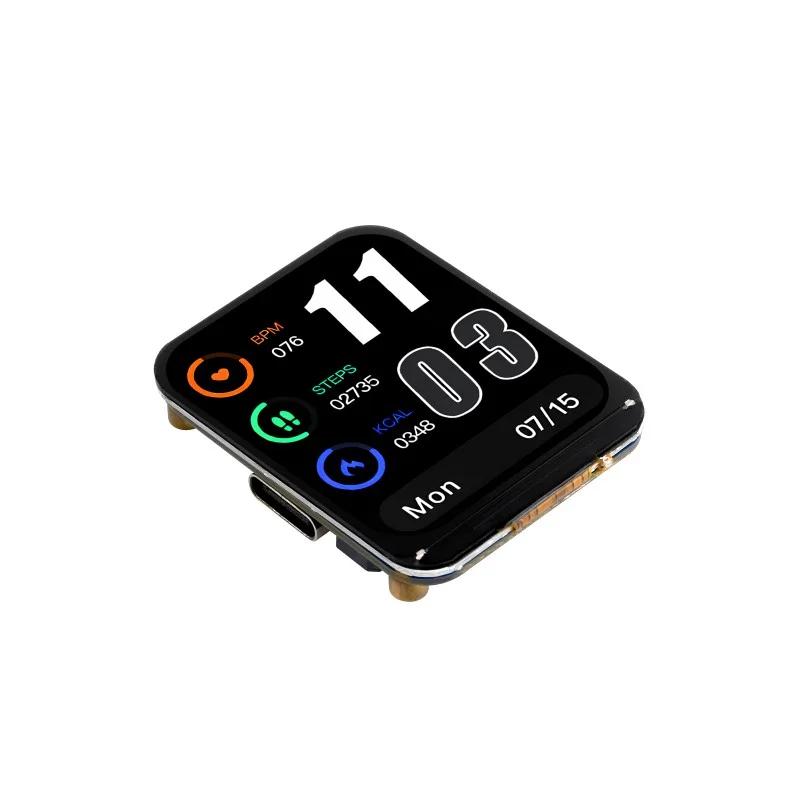
The Waveshare ESP32-S3 1.69-inch Display Development Board integrates a 240MHz dual-core ESP32-S3R8, a 240×280 color LCD, a 6-axis IMU, and an RTC for creating interactive, low-power IoT devices with Wi-Fi/Bluetooth 5 connectivity, programmable via ESP-IDF, Arduino IDE, or MicroPython.

Features

  • ESP32-S3R8 dual-core processor (up to 240MHz) with 8MB PSRAM & 16MB Flash for complex IoT applications.
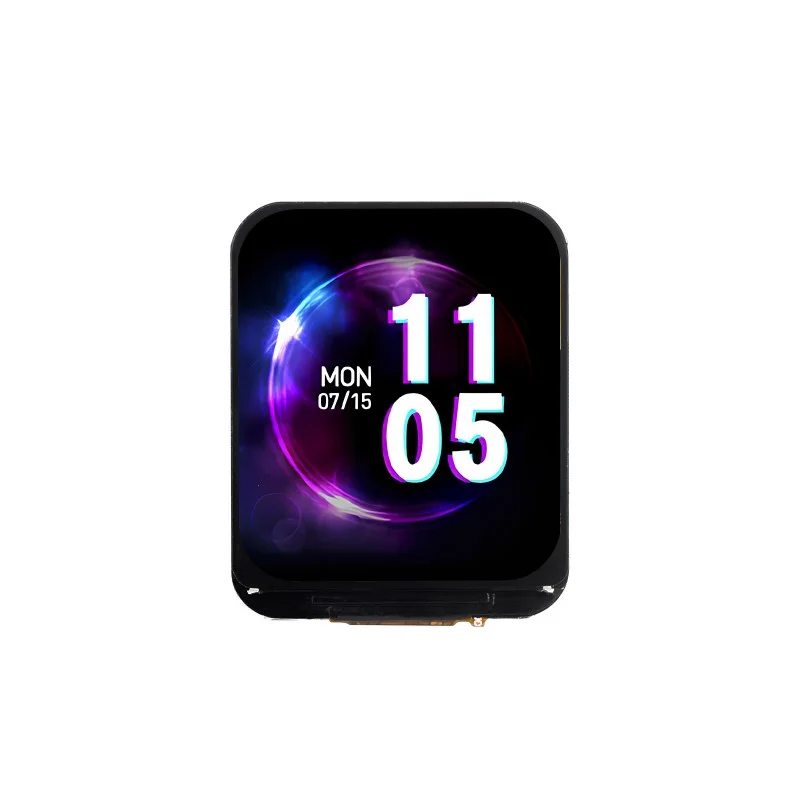
  • Integrated 1.69-inch 262K color SPI LCD (240×280) driven by ST7789V2, saving GPIO resources.
  • Onboard 6-axis QMI8658 IMU (accelerometer & gyroscope) and PCF85063 RTC with battery header for motion sensing and timekeeping.
  • Dual wireless connectivity with 2.4GHz Wi-Fi (802.11 b/g/n) and Bluetooth 5 LE via onboard antenna.
  • Developer-friendly with Type-C USB, programmable button, 12-pin GPIO header (I2C, UART), and 3.7V Li-ion battery management.

Out of stock

Description

This Waveshare development board is engineered for AIoT and human-machine interface projects requiring integrated display and sensor feedback. Its core is the Espressif ESP32-S3R8, a feature-rich Xtensa LX7 dual-core MCU capable of running at 240MHz, paired with substantial 8MB PSRAM for data-intensive tasks and 16MB external Flash for application code. The integrated ST7789V2-driven LCD provides a crisp 240×280 pixel interface without consuming critical GPIOs, thanks to its SPI interface.

Power management is a key focus, with independent controls for the module and display to enable deep sleep scenarios, supported by the onboard PCF85063 real-time clock and a dedicated header for a rechargeable backup battery. The addition of a QMI8658 6-axis inertial measurement unit enables immediate motion-based interactions like gesture recognition or step counting. The board’s compact form factor includes a full-featured 12-pin expansion header exposing GPIO, I2C, and UART interfaces for peripheral connection and debugging, making it a complete platform for prototyping smart wearables, portable diagnostic tools, or interactive control panels.

Key Features

  • High-performance ESP32-S3R8 dual-core processor (240MHz) with Wi-Fi 802.11b/g/n and Bluetooth 5 LE.
  • Integrated 1.69-inch full-color SPI LCD (240x280) with ST7789V2 driver for dynamic user interfaces.
  • Onboard 6-axis IMU (QMI8658) for accelerometer and gyroscope data, enabling motion-controlled applications.
  • Precise timekeeping via PCF85063 RTC chip with support for a rechargeable backup battery.
  • Low-power design with independent power domain controls for the MCU, display, and sensors.
  • Convenient Type-C USB interface for programming, power, and communication.
  • Expansion header providing 5x GPIO, I2C, and UART pins for connecting external sensors and modules.
  • Dedicated header for 3.7V lithium battery connection, supporting portable and battery-operated projects.

Applications

  • Smart wearable devices and fitness trackers with display and motion sensing.
  • Portable IoT diagnostic tools and handheld instrumentation.
  • Interactive smart home control panels and status monitors.
  • Prototyping for low-power, display-based sensor nodes in industrial IoT.
  • Educational platforms for learning embedded systems, wireless comms, and sensor fusion.

Technical Specifications

Microcontroller/SoCESP32-S3R8 (Xtensa LX7 Dual-Core)
Wireless Protocols2.4GHz Wi-Fi 802.11 b/g/n, Bluetooth 5 LE
Processor FrequencyUp to 240 MHz
PSRAM8 MB
Flash Memory16 MB NOR-Flash
Display1.69-inch, 240 x 280 pixels, 262K colors, ST7789V2 driver (SPI)
Inertial SensorQMI8658 6-axis IMU (3-axis accelerometer, 3-axis gyroscope)
Real-Time ClockPCF85063 with battery header
USB InterfaceType-C
Expansion Interfaces12-pin header: 5x GPIO, I2C, UART
AntennaOnboard PCB antenna for Wi-Fi/Bluetooth
DimensionsApprox. 8 x 6 x 3 cm (Shipping dimensions)

Frequently Asked Questions

How do I program this Waveshare ESP32-S3 display board?

You can program it using the Arduino IDE with the ESP32 board package installed, Espressif's official ESP-IDF framework for full feature control, or MicroPython for rapid scripting. Connect via the onboard Type-C USB port, select the correct COM port and board target (e.g., ESP32-S3 Dev Module), and upload your code. The display uses the ST7789V2 SPI driver, and libraries are available for all major platforms.

What is the purpose of the QMI8658 IMU and how do I access its data?

The onboard QMI8658 is a 6-axis inertial measurement unit combining a 3-axis accelerometer and a 3-axis gyroscope. It enables motion sensing for applications like gesture control, step counting, or orientation detection. You access its data via the I2C interface using dedicated sensor libraries. Initialize the sensor with the correct I2C address (often 0x6B), then read registers for raw or processed acceleration and gyroscope values to integrate into your project logic.

Can I power the board with a battery and use the RTC in sleep mode?

Yes, the board supports low-power operation with a battery. Connect a 3.7V lithium battery to the dedicated MX1.25 header. The PCF85063 RTC chip maintains timekeeping during deep sleep when the main ESP32-S3 is powered down. Configure the ESP32's deep sleep modes via code, and the RTC can wake the system after a set interval. The RTC battery header also supports charging if you use a rechargeable cell.

What are the available GPIO pins on the expansion header?

The 12-pin expansion header breaks out multiple interfaces for peripherals. It provides access to 5 general-purpose GPIO pins, which can be configured for digital I/O, PWM, or other functions. The header also includes dedicated pins for I2C (SDA, SCL) and UART (TX, RX) communication. Consult the board's pinout diagram to identify the specific GPIO numbers (e.g., IO1, IO2) and avoid conflicts with the internal display or IMU SPI/I2C buses.

How do I control the integrated 1.69-inch LCD display?

The 240x280 pixel LCD is controlled via the ST7789V2 display driver over an SPI interface. You need to use a compatible graphics library such as TFT_eSPI for Arduino, LVGL for advanced GUIs, or the display driver in ESP-IDF. Initialize the display with the correct SPI pins, resolution, and color mode (16-bit RGB565 is common). The board's design routes the display SPI signals internally, saving your GPIOs for other uses.

Package Includes

  • 1 x Waveshare ESP32-S3 1.69-inch Display Development Board

Additional Information

Weight 0.021 kg
Dimensions 6 × 8 × 3 cm