SKU: IOWC-1068
📋 GST Invoice Available

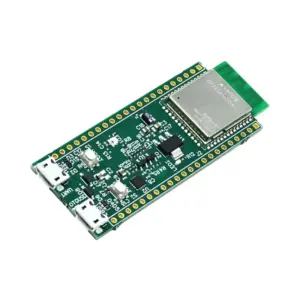
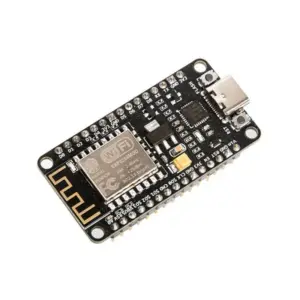
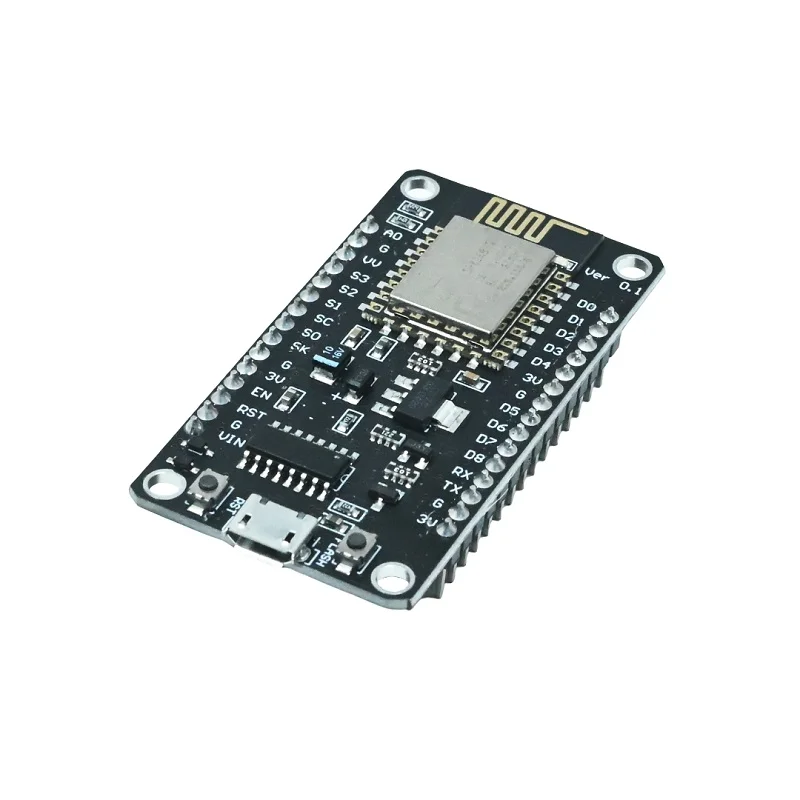
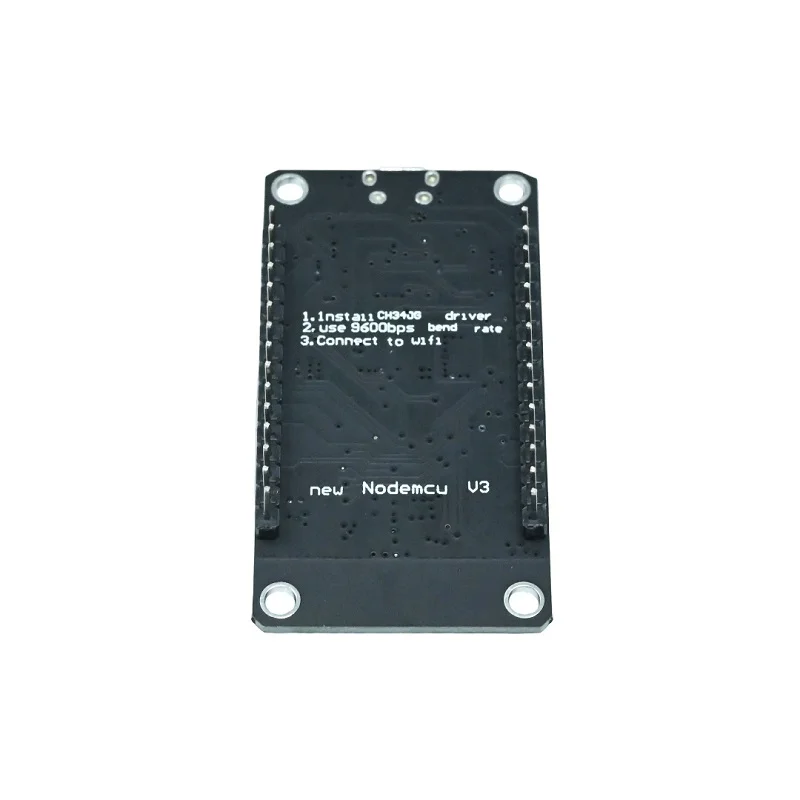
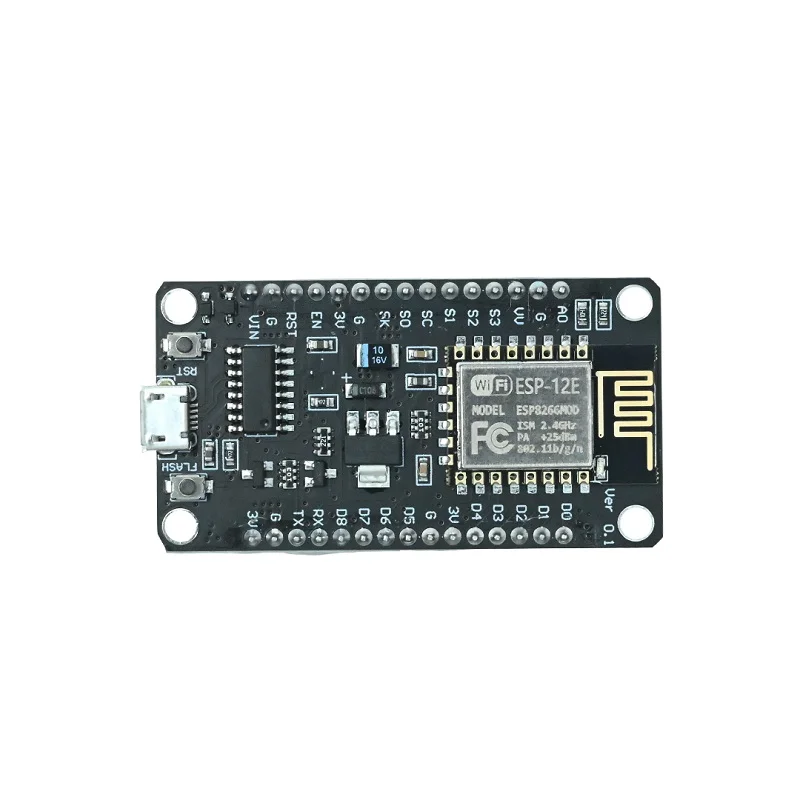
NodeMCU ESP8266 ESP-12E/F WiFi IoT Dev Board w/ FT232

₹239.00 (Inclusive of all taxes)
Out of Stock

The NodeMCU Lua WiFi IoT Development Board is a compact prototyping platform based on the ESP8266 ESP-12E/F module, featuring a USB-to-serial FT232 chip for easy programming via the Arduino IDE or Lua scripting. It provides full GPIO access for sensor integration and is ideal for rapid IoT and smart device development.

Features

  • Powered by the ESP8266 ESP-12E/F module with integrated 802.11 b/g/n Wi-Fi for direct cloud and local network connectivity.
  • Features an FT232 USB-to-serial converter for stable, driver-friendly communication and firmware flashing without manual reset.
  • Exposes all GPIO, PWM, I2C, SPI, and ADC pins for direct interfacing with sensors, displays, and actuators.
  • Includes 4MB of flash memory for storing application code, Lua scripts, or file systems.
  • Operates at 3.3V logic with an onboard regulator, powered conveniently via the micro-USB port.

Out of stock

Description

The NodeMCU development board integrates the popular ESP8266 Wi-Fi SoC into a breadboard-friendly form factor, designed for rapid IoT prototyping. Its core is the ESP-12E/F module, which combines a Tensilica L106 32-bit microcontroller with full TCP/IP stack and RF front-end. The inclusion of the FT232 USB-to-UART bridge provides reliable serial communication and a seamless firmware upload experience, eliminating the need for manual reset button presses during programming.

This board is engineered for low-power wireless applications, supporting deep sleep modes to conserve energy in battery-operated nodes. All critical interfaces—including digital I/O, analog input, and serial protocols—are broken out to standard 0.1″ headers, enabling direct connection to a vast ecosystem of shields and sensors. Its compatibility with the Arduino IDE, ESP-IDF, and the native Lua-based NodeMCU firmware offers developers flexibility in choosing their programming environment for smart home automation, remote data logging, or wireless control systems.

Key Features

  • Integrated 802.11 b/g/n Wi-Fi transceiver supporting Station, SoftAP, and Station+SoftAP modes.
  • FT232R USB-to-serial interface ensures robust data transfer and easy driver installation on Windows, macOS, and Linux.
  • Supports programming via Arduino IDE, ESP-IDF, or the native Lua-based NodeMCU firmware.
  • One-touch firmware download capability automates the reset and boot sequence for faster iteration.
  • Onboard 3.3V voltage regulator delivers stable power from the 5V USB input.
  • All 17 GPIO pins are accessible, with multiplexed support for PWM, I2C, SPI, and a single 10-bit ADC channel.
  • Compact 25mm x 50mm PCB design fits standard breadboards for easy prototyping.

Applications

  • Smart home automation and wireless sensor nodes for temperature, humidity, and motion.
  • IoT data loggers that transmit sensor readings to cloud platforms like Blynk or ThingSpeak via Wi-Fi.
  • Prototyping wireless controllers for relays, LEDs, and motors in DIY electronics projects.
  • Building simple web servers or MQTT clients for local network monitoring and control.
  • Educational platform for learning embedded systems, IoT connectivity, and wireless networking.

Technical Specifications

Microcontroller/SoCESP8266 (ESP-12E/F Module)
Wireless Protocol802.11 b/g/n Wi-Fi
Flash Memory4 MB
USB-to-Serial ICFT232R
Supply Voltage5V via USB, 3.3V regulated logic
Operating Voltage3.3V
Digital I/O Pins17 (multiplexed)
Analog Input1 channel (10-bit ADC)
InterfacesGPIO, PWM, I2C, SPI, UART
Programming SupportArduino IDE, ESP-IDF, Lua (NodeMCU)
Dimensions50mm x 25mm (L x W)
Weight6g

Frequently Asked Questions

How do I program this NodeMCU board using the Arduino IDE?

First, install the ESP8266 board package via the Arduino IDE's Boards Manager. Connect the board via USB, select 'NodeMCU 1.0 (ESP-12E Module)' as your board, and choose the correct COM port. The FT232 chip handles serial communication, so you can upload sketches directly without pressing any physical reset buttons. Ensure your code configures the correct GPIO pins, as the pin numbering in the Arduino environment maps to the ESP8266's internal GPIO indices, not the board's labeled D-pins.

What is the difference between the CP2102 and FT232 USB chip versions?

Both chips provide USB-to-serial conversion, but the FT232R (used here) is known for its robust driver support across Windows, macOS, and Linux, often requiring no manual driver installation on modern OSes. It also typically offers more stable data transfer rates for high-speed flashing. The CP2102 is another common, cost-effective solution. The functional result is identical—both enable serial communication and firmware uploads—but the FT232 is generally preferred for its plug-and-play reliability and widespread compatibility in development environments.

What is the power supply requirement and typical operating current?

The board is powered via its micro-USB port at 5V. An onboard linear regulator steps this down to the 3.3V required by the ESP8266. During active Wi-Fi transmission, the ESP8266 can draw peaks of up to 170mA. In deep sleep mode, current consumption can drop to around 20µA, making it suitable for battery-powered applications. For stable operation, ensure your USB port or external 5V supply can deliver at least 500mA. Do not apply voltages above 3.3V directly to any GPIO pin, as they are not 5V tolerant.

Can I use the native Lua-based NodeMCU firmware on this board?

Yes. You first need to flash the NodeMCU firmware binary onto the ESP8266. This can be done using a tool like esptool.py or the NodeMCU Flasher GUI. After flashing, you can connect via a serial terminal at 9600 baud to write and execute Lua scripts directly. The firmware provides a high-level API for Wi-Fi, GPIO, and network functions. Remember that using the Lua interpreter consumes more RAM and flash compared to programming in C++ via the Arduino IDE, which offers finer control and better performance for complex projects.

Package Includes

  • 1 x NodeMCU Lua WiFi IoT Development Board (ESP8266 ESP-12E/F with FT232)

Additional Information

Weight 0.006 kg
Dimensions 5 × 2.5 cm