SKU: IOWC-0694
📋 GST Invoice Available

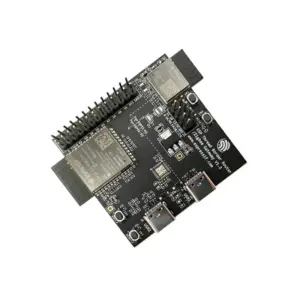
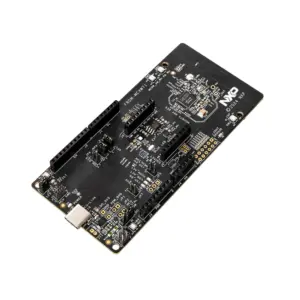
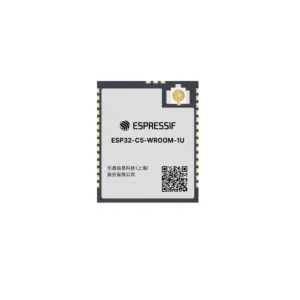
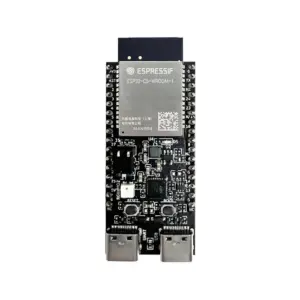
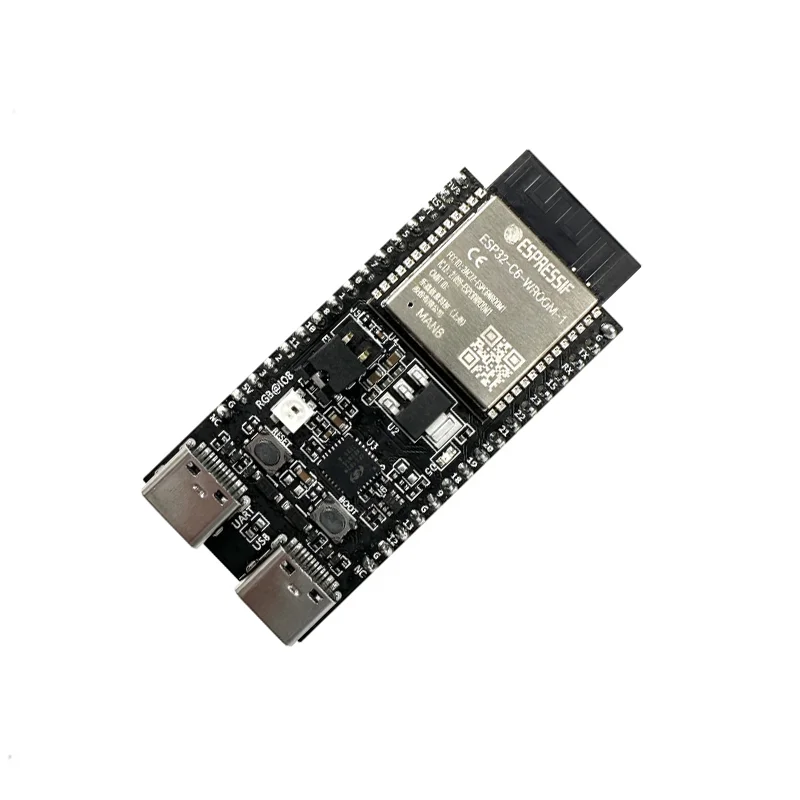
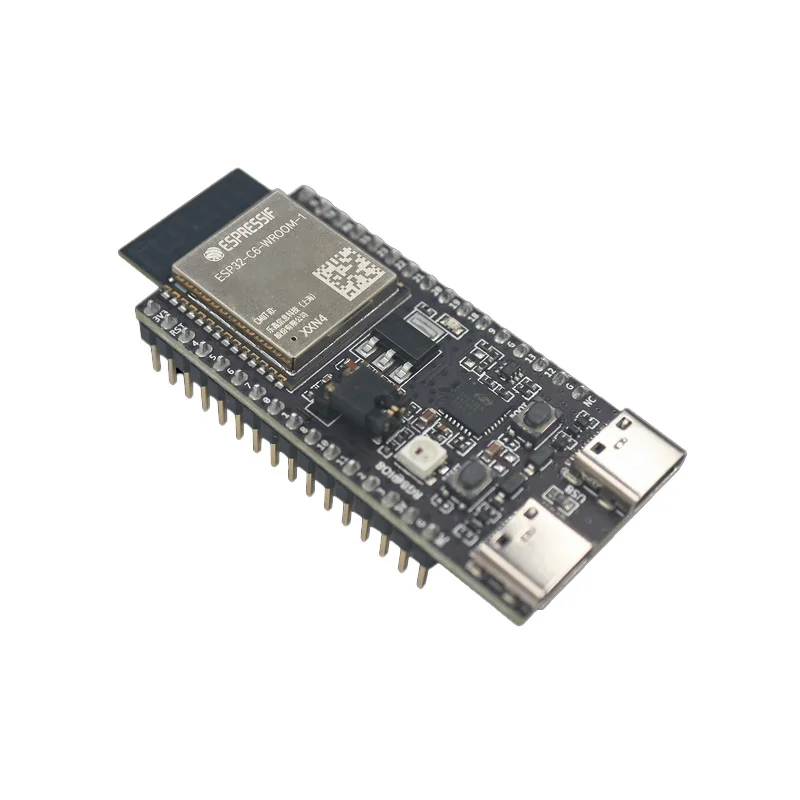
Espressif ESP32-C6-DevKitC-1-N8 Wi-Fi 6 & BLE Dev Board

₹1,209.00 (Inclusive of all taxes)
Out of Stock

The Espressif ESP32-C6-DevKitC-1-N8 is a development board built around the ESP32-C6 RISC-V microcontroller, integrating Wi-Fi 6 (802.11ax), Bluetooth 5.0 LE, and IEEE 802.15.4 for Zigbee/Thread. It is ideal for developing high-performance, low-power IoT applications and is programmable via Arduino IDE or ESP-IDF.

Features

  • Features a 32-bit RISC-V single-core MCU clocked up to 160 MHz for efficient processing.
  • Integrates Wi-Fi 6 (802.11ax) for faster data rates and improved network efficiency in dense environments.
  • Supports Bluetooth 5.0 LE and IEEE 802.15.4 (Zigbee/Thread) for versatile, low-power wireless connectivity.
  • Offers extensive I/O including GPIO, SPI, I2C, UART, PWM, and ADC for peripheral integration.
  • Designed with multiple low-power modes, making it suitable for battery-operated IoT devices and sensors.

Out of stock

Description

The ESP32-C6-DevKitC-1-N8 development board provides a robust hardware platform for next-generation IoT development. Its core is the ESP32-C6, a 32-bit RISC-V microcontroller that balances processing power with energy efficiency, supporting a clock speed of up to 160 MHz. This board is engineered for developers requiring advanced wireless capabilities in a compact form factor.

It integrates a 2.4 GHz Wi-Fi 6 (802.11ax) radio, offering higher throughput, better range, and improved performance in congested networks compared to previous Wi-Fi standards. Alongside Wi-Fi, it features Bluetooth 5.0 Low Energy and an IEEE 802.15.4 radio, enabling concurrent support for Zigbee and Thread protocols. This multiprotocol design allows for seamless integration into diverse smart home, industrial automation, and wearable ecosystems. The board’s comprehensive GPIO and serial interfaces facilitate easy connection to sensors, displays, and other peripherals.

Key Features

  • Next-generation wireless SoC combining Wi-Fi 6, BLE 5.0, and IEEE 802.15.4 on a single chip.
  • High-performance 32-bit RISC-V processor core capable of operating at frequencies up to 160 MHz.
  • Advanced power management unit supporting multiple deep sleep modes for ultra-low-power operation in battery-powered applications.
  • Comprehensive development framework support including Espressif IDF (ESP-IDF), Arduino Core, and MicroPython for rapid prototyping.
  • Integrated 8 MB of flash memory and 400 KB of SRAM for application code and data storage.
  • Robust RF performance with optimized antenna layout for reliable 2.4 GHz communication.
  • Extensive peripheral set including SPI, I2C, UART, PWM, ADC, and GPIOs for flexible system design.
  • Compact development board form factor with user-friendly pin headers for easy integration and testing.

Applications

  • Smart home automation hubs and multiprotocol edge devices.
  • High-density Wi-Fi 6 IoT sensors for industrial monitoring and control.
  • Wearable technology and personal health monitoring devices.
  • Thread/Zigbee-based mesh network nodes for building automation.
  • Battery-powered environmental sensors and remote telemetry units.

Technical Specifications

Microcontroller / SoCEspressif ESP32-C6 (32-bit RISC-V single-core)
CPU Clock SpeedUp to 160 MHz
Wireless ProtocolsWi-Fi 6 (802.11ax), Bluetooth 5.0 LE, IEEE 802.15.4 (Zigbee/Thread)
Frequency Range2.4 GHz
Flash Memory8 MB
SRAM400 KB
InterfacesGPIO, SPI, I2C, UART, PWM, ADC
Antenna ConnectorIntegrated PCB antenna
Development FrameworksESP-IDF, Arduino IDE, MicroPython
Operating TemperatureNot specified
Dimensions (Board)Approx. 10 x 7 cm (from shipping dimensions)

Frequently Asked Questions

What development frameworks are supported for programming the ESP32-C6-DevKitC-1-N8?

The board is fully supported by Espressif's official IoT Development Framework (ESP-IDF), which provides low-level control and access to all chip features. It is also compatible with the Arduino Core for ESP32, offering a simpler API for rapid prototyping, and can run MicroPython for script-based development. You will need to install the appropriate board definitions and toolchains in your chosen IDE, such as VS Code with PlatformIO or the Arduino IDE.

How do I enable and use the Zigbee or Thread functionality on this ESP32-C6 board?

To use Zigbee or Thread, you must develop your application using the ESP-IDF framework, as it provides the necessary software stacks (esp-zigbee-sdk or esp-thread-sdk). You will need to configure the IEEE 802.15.4 radio through specific APIs, define your device's role in the network (e.g., coordinator, router, end-device), and handle network commissioning. Example projects are available in the Espressif GitHub repositories to help you get started with building a mesh network.

What is the typical power consumption of the ESP32-C6 in active and deep sleep modes?

While exact figures depend on your specific use case and RF activity, the ESP32-C6 is designed for low-power operation. In active mode with Wi-Fi or Bluetooth transmitting, current draw can be in the tens to hundreds of milliamps. In deep sleep mode, with the CPU and most peripherals powered down, the current consumption can drop to the microamp range, making it highly suitable for battery-powered sensors that wake up periodically to transmit data.

Package Includes

  • 1 x Espressif ESP32-C6-DevKitC-1-N8 Development Board

Additional Information

Weight 0.07 kg
Dimensions 10 × 7 × 5 cm